
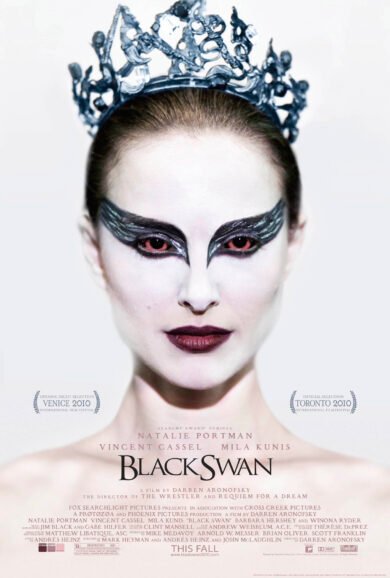
Information
tl;dr
What’s the one-line verdict?
“Black Swan” masterfully intertwines the psychological complexities of ambition and obsession within a visually arresting narrative, delivering a haunting exploration of duality in identity.
Who should watch this and who should skip it?
Art-house aficionados and psychological thriller enthusiasts will find a wealth of depth and artistry in this film, while casual viewers craving straightforward narratives may want to steer clear. Those who appreciate nuanced performances and the intricacies of mental health themes will be rewarded; however, audiences seeking light entertainment or a clear-cut story may leave feeling unsettled.
Does the story and pacing hold up?
Is the main storyline focused and clear enough?
“Black Swan” effectively hones in on its central themes of transformation and self-destruction, creating a focused narrative that provokes deep introspection. The progression from Nina’s innocence to her ultimate unraveling is compellingly crafted, with each twist revealing layers of obsession and rivalry. While the symbolism of the ballet serves as a rich backdrop for this narrative, moments of surrealism could leave some viewers questioning the clarity of Nina’s journey. However, the film’s psychological depth and its commentary on the pressures of perfectionism provide enough context to maintain engagement.
Does the film build tension or feel uneven?
Darren Aronofsky’s direction imbues the film with an almost palpable tension that steadily escalates throughout, marrying visuals and sound in a way that heightens the viewer’s anxiety. The pacing, while deliberate, serves to amplify the climax rather than drag it. Yet, some sequences might feel jarring or disorienting, particularly for those unaccustomed to the film’s blend of horror and beauty. Ultimately, the mounting unease mirrors Nina’s spiraling mind, making the discomfort an intentional choice rather than a shortcoming.
How is the acting in Black Swan?
How does Natalie Portman carry the film?
Natalie Portman’s portrayal of Nina is nothing short of transformative, embodying both the fragility and ferocity of a dancer driven to the brink. Her meticulous performances convey a profound emotional range, allowing audiences to sympathize with her plight while simultaneously feel unease as she descends into madness. Portman’s dedication is evident, and she effectively grapples with her character’s dual nature, bringing to life the internal battle that defines the film. Her success lies not just in technical prowess but in her ability to personify the character’s fragility and ferocity, making her a fitting vessel for the film’s exploration of identity.
Do the supporting performances add depth or distract?
The supporting cast, particularly Mila Kunis as Lily, complements Portman’s portrayal, adding layers of conflict and tension. Kunis brings a certain allure and unpredictability that serves as both a catalyst and complicating factor in Nina’s descent. However, some performances can verge on caricature, potentially detracting from the film’s gravitas. Winona Ryder and Vincent Cassel provide solid background against which Nina’s journey unfolds, but their characters teeter on the edge of cliché. While these performances do enhance the narrative, at times they risk overshadowing the central arc, illustrating the fine line between support and distraction in ensemble dynamics.
Is the direction and visual style effective?
Does the director sell the psychological descent?
Darren Aronofsky’s direction is pivotal in crafting the psychological descent of Nina, underscoring her transformation from a timid dancer into a figure of dark obsession. He employs a visceral storytelling approach, utilizing close-ups and claustrophobic framing to mirror Nina’s increasingly unstable mind. As her reality frays, the camera work becomes more frenetic and disorienting, drawing viewers into her spiraling psyche. The deliberate choices in pacing and rhythm allow the audience to experience her anxiety and self-doubt viscerally. Aronofsky’s ability to intertwine Nina’s inner turmoil with the physical demands of ballet amplifies the tension, creating an engaging narrative arc that immerses viewers in her emotional plight.
Are the cinematography, sound, and design memorable?
The film’s cinematographic choices by Matthew Libatique are nothing short of striking, balancing beauty and horror seamlessly. The use of chiaroscuro lighting paints a haunting portrait of Nina’s world, often blurring the lines between fantasy and reality. Sound design plays a crucial role, too; the unsettling score, punctuated by an eerie arrangement of Tchaikovsky’s “Swan Lake,” heightens the film’s tension and draws viewers deeper into Nina’s unraveling. Costume and production design further enhance the narrative, with the stark contrast between the ethereal elegance of the ballet and the grim reality of Nina’s life creating a palpable sense of duality. These elements coalesce to create a visual and auditory experience that remains memorably unsettling long after the credits roll.
How intense or disturbing is it for viewers?
What kinds of scenes might be triggering or uncomfortable?
“Black Swan” evokes a disquieting atmosphere, with numerous scenes that delve into the psyche of a mind unravelling under pressure. The depiction of body dysmorphia is particularly troubling, showcased through Nina’s obsessive self-scrutiny and harmful behavior. Moments of intense rivalry and manipulation amplify the discomfort, especially as they unravel Nina’s fragile existences. Some viewers might find Nina’s dream sequences or hallucinatory experiences difficult to digest, as they blur lines between reality and delusion. The pervasive themes of self-harm, eating disorders, and the relentless pursuit of perfection serve as stark reminders of the darker facets of ambition, making this film potentially triggering for sensitive audiences.
How graphic is the violence, nudity, and sexual content?
The film does not shy away from graphic content, presenting both violence and sexual themes in ways that underline its psychological intensity. The violence is portrayed in a surreal manner, heightening the horror of Nina’s breakdown rather than merely shocking the viewer. Several scenes, including those depicting physical disintegration and psychological torment, can be difficult to watch, contributing to the film’s haunting aura. Similarly, the nudity and sexual content are presented as complex explorations of sexuality and vulnerability, tied closely to Nina’s journey of self-discovery. However, these elements may feel exploitative to some viewers, particularly in their raw intensity. The juxtaposition of beauty and grotesque reality intensifies the film’s unsettling impact, ensuring it lingers uncomfortably in the mind.
What are the film’s biggest strengths and weaknesses?
Clear strengths that make it worth watching
“Black Swan” excels in its multifaceted exploration of ambition and identity, resonating on psychological and emotional levels. The direction, coupled with Portman’s formidable performance, creates a captivating experience that underscores the precarious balance between artistry and personal downfall. The film’s rich symbolism and visual storytelling serve to deepen its commentary on the costs of perfectionism and the often destructive path of self-actualization. Its ability to evoke strong emotional responses while maintaining an air of ambiguity adds to its artistic merit, inviting viewers to reflect on the themes long after viewing. The stirring score and atmospheric aesthetics reinforce its artistic vision, making it a compelling piece of cinema worthy of discussion.
Notable flaws that might bother some viewers
Despite its strengths, “Black Swan” is not without its shortcomings. At times, the film’s reliance on horror tropes may feel excessive, potentially alienating viewers who expect a more grounded psychological drama. Certain narrative choices veer into melodrama, with some secondary characters lacking depth and serving more as vehicles for Nina’s story than fully realized personas. Additionally, the blend of reality and surrealism may disorient or frustrate some audiences, who might struggle to grasp the intended nuances. The sheer intensity of the emotional and physical trauma depicted can also be off-putting, leading some viewers to question the film’s intentions versus its sensationalism. These flaws, while significant, do not entirely detract from the film’s overall impact, but they may deter those looking for a more conventional storytelling experience.
Who is Black Swan really for?
Types of viewers who will get the most out of it
“Black Swan” strikes a resonant chord with those who appreciate complex narratives intertwined with psychological depth. Fans of character-driven stories will revel in the intricate exploration of ambition, identity, and the duality of existence. Viewers intrigued by the dark facets of artistry, particularly in high-pressure environments like ballet, will find themselves captivated by the intense journey of Nina Sayers. The film’s lush visual style and haunting score also appeal to cinephiles who admire aesthetics as a pivotal component of storytelling. Those who enjoy psychological thrillers that challenge perceptions and provoke thoughtful discourse will certainly align with its provocative themes, experiencing both emotional investment and intellectual engagement.
Who should avoid it or wait for a different mood
Conversely, casual viewers seeking an easy, straightforward narrative may want to pause before diving into this unsettling film. The graphic imagery and intense themes around mental illness, identity erosion, and the cost of perfection could prove too overwhelming for those who prefer less demanding fare. Given its psychologically tormented atmosphere, “Black Swan” may be best approached when one is in the right frame of mind, as it demands a willingness to engage with discomfort. Those who are averse to films with horror elements, graphic depictions of bodily harm, or complex character studies might find this dark ballet more frustrating than enlightening.
Is it worth rewatching years later?
What holds up on repeat viewings
Years later, “Black Swan” retains its haunting power, revealing new layers through the lens of reexamination. Its masterful construction—where every frame and note serves a purpose—continues to impress, showcasing how expertly Aronofsky ties together visual motifs and psychological undercurrents. The performances, particularly Portman’s, hold up brilliantly; each nuanced reaction and transformation resonates more deeply on second viewing. The film challenges viewers to reconsider the multiplicities of identity and ambition, often rewarding those who approach it with a fresh perspective. It also invites contemplation around the societal pressures surrounding women, especially in artistic endeavors, making it relevant regardless of changing cultural landscapes.
How it compares to other psychological thrillers and dance films
In comparison to other psychological thrillers, “Black Swan” stands apart by seamlessly merging horror elements with the fine art of ballet, elevating it to a unique status. While films like “Black Swan” can be situated alongside “Perfect Blue” or “Fight Club” in their explorations of fractured identities, Aronofsky’s film uniquely harnesses the world of dance as its backdrop, adding a layer of visceral tension and beauty. Unlike conventional dance films that celebrate artistry, “Black Swan” delves into the dark repercussions of obsession, enhancing its status within both genres. The film remains a touchstone for how psychological instability can manifest in the pursuit of perfection, arguably setting the bar for future explorations of such themes.
FAQs
Is Black Swan appropriate for kids or sensitive viewers?
“Black Swan” is decidedly not suited for children or sensitive viewers, as it contains graphic content that delves into the darker sides of ambition and mental breakdown. The film explores themes of self-harm, body image issues, and psychological torment in visceral detail, making it potentially triggering for those who have experienced similar struggles. Its unsettling imagery and disturbing narrative choices require a mature perspective to fully process the film’s intent. For audiences who may be sensitive to portrayals of violence or mental distress, this film can be a particularly harrowing experience best approached with caution.
Do I need ballet knowledge to enjoy Black Swan?
Not at all. While a background in ballet may offer some additional appreciation for the film’s intricate choreography and the artistry involved, it is not a prerequisite for enjoyment. The narrative transcends the specifics of ballet, focusing on universal themes of ambition, rivalry, and the pursuit of perfection. Audiences don’t need to understand the subtleties of dance to grasp the psychological stakes at play; the film invites viewers into Nina’s spiraling world regardless of their familiarity with ballet. As long as one is open to engaging with its emotional and psychological layers, “Black Swan” can be a profoundly moving cinematic experience for all.