
Information
TL;DR
Quick verdict in one line
“Blade Runner 2049” immerses you in a visually stunning and emotionally profound exploration of identity and humanity.
One-sentence reasons to watch or skip
Watch for its breathtaking cinematography and profound existential questions; skip if you’re seeking conventional pacing and action.
What’s the vibe and tone?
How moody, slow, or action packed is it?
“Blade Runner 2049” masterfully balances a moody atmosphere with deliberate pacing, allowing the weight of each scene to linger. While the film offers bursts of tension, especially in key confrontations, it primarily invites viewers to meditate on its themes, making the overall experience more contemplative than action-driven.
How it compares emotionally to the original
Where the original “Blade Runner” presented a stark, neo-noir world grappling with the nature of humanity, “Blade Runner 2049” deepens this existential inquiry. It carries forward the somber tone while incorporating new layers of emotional resonance, particularly through its exploration of legacy and memory. The sense of loneliness and longing present in the original is magnified here, inviting the audience to connect even more intimately with its characters’ journeys.
What is Blade Runner 2049 about without spoilers?
One-sentence setup and stakes
Set years after the original, the film follows K, a replicant tasked with maintaining order in a dystopian society, who uncovers secrets that could reshape humanity’s understanding of itself.
Themes to expect without plot details
Expect profound themes of identity and what it means to be human, the value of memories—real and artificial—and an inquiry into the implications of creation. The film also delves into the idea of legacy, as characters grapple with the shadows of their predecessors while forging their own paths in a world that may not recognize their worth. The tension between technology and humanity is also a consistent undercurrent, presenting a future where both can either coexist or clash dramatically.
What actually works here?
Specific strengths in acting and characters
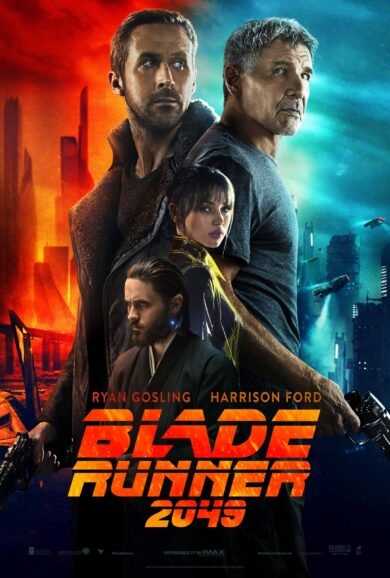
“Blade Runner 2049” showcases an impressive ensemble, with each actor breathing life into their respective roles. Ryan Gosling delivers a nuanced performance as K, a replicant blade runner. His portrayal captures K’s internal struggle—the weight of identity, purpose, and loneliness. Gosling’s understated method complements the character’s complexity, making K both relatable and enigmatic.
Harrison Ford reprises his iconic role as Rick Deckard, bringing a gravitas that only decades of experience can provide. His scenes with Gosling are emotionally charged, steeped in a palpable tension that only enhances the narrative. The contrast between Deckard’s hardened exterior and the vulnerability of K lays the foundation for a compelling exploration of what it truly means to be “real.”
The supporting cast is equally standout, particularly Ana de Armas as Joi. Her performance as a holographic AI companion subtly questions the nature of love and connection in a world defined by artificiality.
Visuals, production design, and sound highlights
One cannot discuss “Blade Runner 2049” without addressing its breathtaking visuals and meticulous production design. The cinematic palette, spearheaded by director Denis Villeneuve and cinematographer Roger Deakins, is mesmerizing. It’s a masterclass in world-building, seamlessly merging dystopian elements with glimpses of hope. The sprawling, neon-lit cities reflect a future that feels both alien and painfully familiar.
Deakins’ lens captures striking contrasts—harsh realities juxtaposed with serene beauty—creating a visual language that speaks volumes. The use of lighting, shadows, and color effectively enhances the emotional undertones of each scene.
Accompanying this visual feast is Hans Zimmer’s haunting score. His compositions resonate with the film’s themes, deepening the mood and establishing a haunting soundscape that lingers long after the credits roll. The score, coupled with ambient sounds, immerses viewers into the bleak yet captivating universe of “Blade Runner 2049,” ensuring that every auditory element feels intentional.
What doesn’t work or divides viewers?
Pacing and structural issues to know
While “Blade Runner 2049” is a visual triumph, its pacing may deter some audiences. The film unfolds at a deliberate tempo, opening spaces for contemplation that reflect its thematic depth. Yet, for viewers seeking immediate gratification, these moments may feel drawn out. This approach can lead to extended sequences where the narrative momentum stutters, leaving some audiences wondering if the film is meandering.
Critics will debate whether such pacing enhances the experience or detracts from it. Those invested in the thematic explorations might appreciate the time taken, while others may feel the film could have benefitted from tighter editing to maintain engagement.
Plot points or scenes that feel uneven
Despite its strengths, certain plot points in “Blade Runner 2049” come across as uneven, creating a sense of imbalance in the narrative. While the film is steeped in weighty themes, some scenes feel rushed or underdeveloped.
A character’s development may take promising turns, only to abruptly pivot without sufficient context, leading to a sense of disorientation. For instance, there are moments where relationships evolve but lack the narrative buildup necessary for viewers to fully invest. As a result, these scenes risk feeling like mere plot devices rather than integral parts of character arcs.
Are the performances convincing?
Ryan Gosling, Harrison Ford, and who stands out
Both Ryan Gosling and Harrison Ford deliver performances that resonate deeply within the framework of their characters. Gosling embodies K’s existential crisis with a quiet intensity that is compelling. His internal battles are mirrored in his display of subtle emotions, making his character’s journey all the more poignant.
Harrison Ford, returning after decades, reclaims Deckard with a depth that showcases a man worn by years of regret and loss. The chemistry between Gosling and Ford adds a layer of complexity that elevates the stakes of their entwined stories.
Yet, it’s the supporting performances that often steal scenes. The presence of Jared Leto as the enigmatic Niander Wallace adds a chilling intensity, successfully unsettling audiences with his ideological conflicts and ambitions. While not on screen for long, his presence looms large, leaving a memorable impact.
Small roles that punch above their weight
Even the small roles in “Blade Runner 2049” shine in unexpected ways. David Bautista as Sapper Morton delivers a striking performance that establishes the stakes right from the start with an emotional depth that belies his imposing physique. His character embodies both strength and vulnerability, setting a profound tone for the film’s exploration of replicant existence.
Another scene-stealer is Sylvia Hoeks as Luv, Wallace’s loyal right hand. Hoeks strikes a perfect balance between cold efficiency and emotional turmoil, illustrating the complexities of loyalty in a manufactured being. Her ambition and drive turn her character into a formidable force, showcasing the rich tapestry of identities within the film’s universe.
Ultimately, every performance, no matter how brief, contributes to the film’s thematic resonance.
In the vast landscape of science fiction, “Blade Runner 2049” stands as a complex cinematic experience that immerses its viewers in a world brimful of questions, ethical dilemmas, and emotional depths. While it may challenge traditional storytelling norms, its artistry invites both awe and introspection, making it a significant chapter in the “Blade Runner” legacy.
Does the story and pacing hold up?
The narrative structure of “Blade Runner 2049” is a bold departure from the expectations set by its predecessor. It’s not satisfied with mere spectacle or ultrafast thrills; instead, it allows the story to unfold with an almost meditative pace. Here, the film dives deep into the emotional landscape of its characters, asking the viewer to engage intellectually as much as emotionally.
Is the slow burn purposeful or just slow?
In an age where audiences often demand rapid-fire storytelling, the deliberate pace may come off as a hurdle to some. Yet, every moment feels intentional. The slow burn immerses viewers in a layered narrative that invites contemplation. The pauses are as significant as the dialogues, creating space for reflection on the themes of humanity, identity, and existential angst.
Each scene is meticulously crafted to build tension and intrigue. Characters aren’t rushed; instead, their gradual developments allow viewers to connect with their struggles and choices on a profound level. This makes the narrative’s revelations not just shocking but deeply resonant, drawing on the weight of the slow-paced journey.
Where the story rewards patience
For those willing to invest emotionally and intellectually, the rewards are bountiful. Key plot revelations and character arcs unveiled in the latter half demonstrate the careful groundwork laid in the first. A sense of catharsis comes not just from the resolution of primary conflicts, but from the nuanced exploration of what it means to be human—a theme central to the original “Blade Runner” as well.
The careful pacing offers insight into the psyche of both new and returning characters, allowing for deeper reflection on their motivations. This engagement culminates in a narrative experience that lingers long after the credits roll, making it a rewarding journey for those willing to let it unfold.
How do the visuals and music contribute?
“Blade Runner 2049” is a feast for the eyes and ears, with every frame and note carefully curated to enhance the storytelling. The film’s aesthetic is an amalgamation of breathtaking visuals and a haunting soundscape, creating a world that feels both tangible and dreamlike.
Cinematography and worldbuilding that matter
Roger Deakins’ cinematography shines throughout the film. Each shot is a finely painted tableau, filled with intricate details that evoke the film’s unique futuristic setting. The visual tone mirrors the story’s themes, oscillating between stark landscapes and intense emotional close-ups that grip the viewer’s attention.
Symbolism runs deep in the imagery. The oppressive cityscapes juxtaposed with fleeting moments of beauty speak to the film’s exploration of what’s real versus artificial. Cities drenched in neon suggest a technological paradise turned dystopian. This world-building establishes a palpable atmosphere, enhancing the experience of the story as both enlightening and sobering.
The score and sound design impact
Composer Hans Zimmer, alongside Benjamin Wallfisch, offers a score that pulsates through the film, echoing the heartbeat of the narrative. The score capitalizes on ambient tones and electronic motifs, balancing a feeling of melancholy with a hint of wonder. Each note feels calibrated to evoke the film’s emotional weight while underscoring the tension within the story.
The sound design itself envelops viewers, simulating a universe rich in both complexity and noise. The impactful soundscapes generate an immersive experience, from the startling hum of flying vehicles to the silences that punctuate moments of introspection. Together, the visuals and sound create a seamless fusion; one enhances the other, allowing for a multisensory venture into the film’s profound themes.
Standout moments without spoilers
Amidst its slow pacing and meticulous storytelling, there are unforgettable scenes that encapsulate the film’s brilliance. “Blade Runner 2049” doesn’t just rely on plot twists; it creates moments that tattoo themselves into your memory—each crafted with emotional depth and visual splendor.
A few scenes that stay with you
One standout scene occurs when K, the protagonist played by Ryan Gosling, confronts the reality of his existence. The interplay of his internal struggle reflects broader themes of self-awareness and what it means to be alive. It’s replete with stunning visuals that enhance the emotional complexity of the moment, making it resonate long after the scene concludes.
Another striking moment is the first encounter in the film with a certain returning character from the original “Blade Runner.” The emotional charge and haunting nostalgia in this encounter exemplify how the film honors its roots while carving out a path of its own narrative exploration.
One sequence you’ll want to watch again
The climactic face-off scene is a breathtaking amalgamation of cinematography, sound, and emotional stakes. The high-tension atmosphere turns what could be a conventional confrontation into an exploration of reckoning and acceptance. It’s a sequence that’s rich in layered meaning, begging for multiple viewings to fully appreciate the layers at play—each moment informed by what has come before.
In “Blade Runner 2049,” these standout moments exemplify why the film not only deserves to be seen, but felt. The combination of thoughtful narrative and aesthetic mastery offers experiences that aren’t just watched but lived through, solidifying its place as a cinematic achievement worth revisiting.
Who is this for and is it worth rewatching?
The ideal viewer and expectations
“Blade Runner 2049” is a cinematic event designed for those who revel in thoughtful science fiction and have an appreciation for meticulously crafted visuals. This film is not merely a sequel but a continuation of a rich narrative tapestry woven over decades. Fans of the original “Blade Runner” will find familiar philosophical existentialism echoing through its stunning frames, while newcomers might be drawn in by the film’s promise of a sprawling dystopian future and its poignant exploration of humanity.
Viewers should step in ready for a slow burn, as the film demands patience and reflection rather than bombastic action. The unraveling of deeply embedded themes around identity, memory, and what it means to be human is the heart of the experience. Expect stunning visuals, a haunting score from Hans Zimmer and Benjamin Wallfisch, and placements that flirt with the ethereal. It’s a film that invites scrutiny, where every frame is laced with intention and metaphor.
Replay value and the best way to watch it
The replay value of “Blade Runner 2049” is extraordinary. It’s a film that rewards second, third, or even seventh viewings. Each experience unveils new layers, subtly hidden references, and nuanced performances that you may have missed the first time around. The dense world-building is one that begs for exploration, and the allegorical nature of the plot invites viewers to contemplate the philosophical implications long after the credits roll.
For the best viewing experience, watching “Blade Runner 2049” on a high-resolution screen is essential. The cinematography by Roger Deakins, honored with an Academy Award, demands to be appreciated in detail, where chiaroscuro lighting and expansive vistas transcend mere visuals and become an immersive sensory experience. Whether at home with a surround sound system or in a cinema with a massive screen, the film’s emotional weight is amplified by its brilliant production design.
FAQs
Is Blade Runner 2049 rated highly on Rotten Tomatoes?
“Blade Runner 2049” boasts an impressive Rotten Tomatoes rating, with scores over 80% from critics and audiences alike. This high rating is a testament to its impact and has solidified its place in debates on contemporary sci-fi cinema. Critics laud its ability to extend the legacy of the original while offering a fresh perspective that feels both timely and timeless, making it a must-watch for anyone invested in the genre.
What do Reddit discussions say about Blade Runner 2049?
Reddit is abuzz with discussions surrounding “Blade Runner 2049,” with users dissecting its intricate themes and character motivations. Some highlight the film’s visual beauty and its exploration of memory and identity, while others delve into the philosophical dilemmas it raises. Theories about character arcs and potential future implications for the franchise are prevalent, revealing a community deeply engaged with the film’s content and its broader implications within the sci-fi genre.
Do I need to see the original Blade Runner first?
While “Blade Runner 2049” is crafted to stand on its own, viewing the original “Blade Runner” is highly recommended. The emotional heft and depth of the sequel is greatly enhanced if you have an understanding of the original’s narrative and themes. The two films, intertwined through plot and character, enrich each other beautifully. New viewers may appreciate the film’s aesthetic and ideas but will miss the layered nuances of the sequel without that foundational context.
Is Blade Runner 2049 worth rewatching after five years?
Absolutely. Five years since its release, “Blade Runner 2049” continues to resonate, particularly as discussions around AI and humanity grow more relevant. The film’s complexities encourage re-exploration, and new insights may emerge based on the evolving societal landscape. As viewers engage with contemporary interpretations of identity and technology, the film remains a powerful touchstone worth revisiting.
Where can I stream or rent Blade Runner 2049?
“Blade Runner 2049” is widely available across several streaming platforms. As of now, you can find it on popular services like Amazon Prime Video and HBO Max. Renting options can also be accessed through platforms like Google Play and Apple iTunes, allowing for flexibility in viewing. Its availability makes it easy for both new audiences and returning fans to dive back into this cinematic masterpiece.
Are there major spoilers I should avoid before watching?
While knowing certain plot points can enhance your understanding, the beauty of “Blade Runner 2049” lies in its execution rather than just the journey. There are indeed key moments that would spoil the emotional impact, such as pivotal character revelations and the overarching mystery at play. If you’re keen on experiencing the film fresh, it’s advisable to tread lightly in discussions or potential reviews that delve into specific plot details before your viewing.
In conclusion, “Blade Runner 2049” is not just a film; it’s a vital experience that deserves reverence and thoughtful analysis. It opens doors to existential inquiries while showcasing the best of cinematic artistry. As you step into its world, prepare to be challenged, mesmerized, and profoundly moved.