
Information
tl;dr
Quick verdict in one sentence
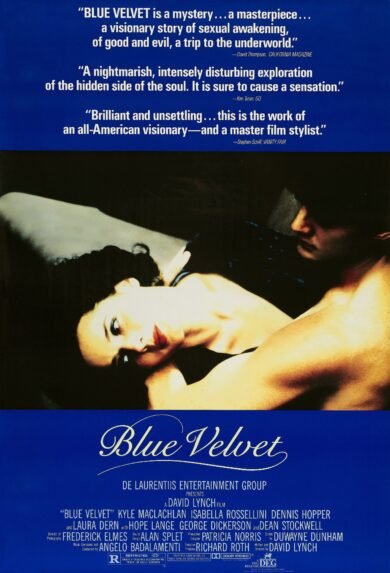
David Lynch’s “Blue Velvet” delves into the dark underbelly of suburban life, crafting an unsettling narrative that challenges the viewer’s perception of innocence and evil.
Who will likely enjoy it
Fans of psychological thrillers and those well-acquainted with Lynch’s surrealist style will find much to ponder in this film. If you appreciate narratives that unearth the grotesque layers of everyday existence and are comfortable with a cinematic experience that resists conventional storytelling, this is likely a film you’ll relish.
Does the story actually work and is the pacing watchable?
Is the plot satisfying without spoiling key events
The plot of “Blue Velvet” is intentionally provocative, revealing dark truths while remaining richly ambiguous. Lynch’s storytelling is a fine balance of foreboding tension and surreal moments, often leaving the audience grappling with its implications rather than providing easy resolutions. The unsettling discoveries made by protagonist Jeffrey Beaumont engage us in a psychologically rich journey that lingers long after the credits roll.
Does the film drag or move at the right speed
Lynch maintains a deliberate pacing, a choice that accentuates the film’s tension and unease. While some scenes stretch out in discomforting stillness, they serve a purpose—allowing viewers to fully absorb the atmosphere and the gravity of each revelation. This methodical tempo complements the intricate layers of the narrative, ensuring it never feels rushed or haphazard.
Are the performances in “Blue Velvet” convincing?
Standout actors and what they bring
Kyle MacLachlan delivers a nuanced performance as Jeffrey, portraying a blend of youthful naiveté and creeping disillusionment. Isabella Rossellini, as the enigmatic Dorothy Vallens, is both haunting and vulnerable, capturing the essence of a character trapped in a web of desire and despair. Dennis Hopper’s Frank Booth is a chaotic force—a portrayal steeped in a visceral intensity that captivates and terrifies. Each actor brings depth to their roles, perfectly embodying the film’s themes of duality and moral ambiguity.
Are the characters believable or just stylized
While the characters exist within an exaggerated reality, they’re steeped in psychological authenticity. Lynch’s stylization serves to highlight the contradictions of human nature, creating figures that feel both surreal and disturbingly relatable. Their motivations, however outlandish, reveal deeper truths about fear, desire, and the consequences of seeking the darker aspects of life.
How does David Lynch’s direction shape the experience?
Tone, atmosphere, and memorable images
David Lynch’s distinctive vision imbues “Blue Velvet” with an atmosphere that flirts with the nightmarish. The juxtaposition of idyllic suburban settings against sinister undercurrents creates a palpable tension that is both unsettling and hypnotic. Lynch’s meticulous attention to visual detail crafts images that linger long after viewing—the bright green lawns and white picket fences contrast sharply with the film’s darker themes. Moments like the close-ups of Dorothy Vallens’ face, marked by fear and vulnerability, juxtaposed with the surreal visualization of Frank Booth’s chaotic energy, crystallize Lynch’s ability to manipulate imagery for emotional impact. It’s as if the surface of this suburban paradise is a thin veil, concealing unspeakable horrors beneath, which the director skillfully invites the audience to witness.
Use of sound, music, and visual style
Lynch’s use of sound is just as critical as his visuals in driving the film’s unsettling tone. The score, composed by Angelo Badalamenti, evokes a sense of melancholy and dread that resonates throughout the narrative. Distorted sounds and eerie ambient noise punctuate conversations, enhancing the film’s psychological tension. This auditory backdrop, combined with Lynch’s stark visual contrasts—harsh lighting during moments of violence versus soft, dreamlike sequences—creates a multi-sensory experience that heightens the film’s emotional stakes. Furthermore, Lynch utilizes shot composition and editing with precision, blurring the lines between reality and illusion, which forces viewers to confront their own perceptions of morality and voyeurism.
How disturbing, violent, or scary is it?
What kind of scares or shocks to expect
“Blue Velvet” doesn’t rely solely on traditional horror tropes but instead cultivates fear through psychological manipulation and visceral imagery. The film’s shocks arise from its exploration of human depravity rather than jump scares or overt violence. Scenes featuring Frank Booth are deeply unsettling, invoking an atmosphere of unpredictability that can rattle even seasoned viewers. Lynch’s ability to juxtapose moments of intimacy and brutality elicits a discomfort that lingers, prompting audiences to confront the darkest corners of human nature rather than simply witnessing acts of violence. Such exploration of the grotesque is both fascinating and repulsive, creating an experience that is as unsettling as it is thought-provoking.
Trigger warnings and content to be prepared for
Audiences should brace themselves for various instances of graphic violence and sexual content, which serve to underscore the film’s central themes. The portrayal of sexual coercion, particularly in scenes involving Dorothy Vallens, may be particularly triggering as it dives into issues of power dynamics and exploitation. Language that encapsulates misogyny and male aggression permeates the dialogue, reflecting the film’s exploration of toxic masculinity. Coupled with Lynch’s surreal aesthetic, these elements ensure that “Blue Velvet” is not a comfortable watch, but rather a challenging one that compels viewers to engage deeply with its uncomfortable truths about human interactions.
What are the main strengths and weaknesses?
Biggest wins the film delivers
One of the film’s greatest strengths lies in its audacity to interrogate the American dream through a disturbing lens. Lynch holds a mirror to society, implicating the audience in their complicity in this voyeuristic exploration of dark desires. It successfully navigates themes of duality, where innocent facades give way to troubling realities, forcing viewers to grapple with their own perceptions of normalcy. The performances drive this narrative home, particularly the contrast between MacLachlan’s and Hopper’s characters; their dynamic encapsulates the tug-of-war between light and darkness. Lynch’s storytelling, wrapped in rich symbolism and provocative imagery, extends the film’s reach beyond mere entertainment into disturbing philosophical territory.
Main flaws that might bother viewers
Despite its strengths, “Blue Velvet” may alienate those who prefer straightforward narratives and character arcs. Lynch’s non-linear storytelling and abstract symbolism can frustrate viewers seeking resolution or clarity. The film’s surrealist elements may come off as pretentious to some, as the deliberate pacing occasionally veers into self-indulgence. While the unsettling moments are purposefully impactful, they might overwhelm viewers who are unprepared or unwilling to wade into such dark waters. This polarizing nature of Lynch’s work unfortunately means that “Blue Velvet” may be as divisive as it is memorable, with some viewers completely captivated by its audacious vision and others feeling alienated by its unconventional approach.
Who is Blue Velvet really for?
Types of viewers who should watch
“Blue Velvet” is a film that demands an open mind and a willingness to engage with its challenging themes. It’s particularly suited for viewers who thrive on psychological thrillers that delve deep into the human psyche. Fans of David Lynch’s signature surrealism will appreciate the film’s dreamlike qualities and find richness in its layered narrative. Art-house aficionados who enjoy dissecting symbolism and morality plays will also find much to think about. If you’re intrigued by films that question societal norms and audience complicity, this film provides a provocative landscape.
Those drawn to character studies that explore the complex interplay between innocence and depravity will resonate with its haunting portrayal of the characters’ lives. The film’s unsettling atmosphere is a playground for those who enjoy exploring the dark corners of existence, making it essential viewing for individuals interested in cinema as a medium for examining the human experience.
Who should probably skip it
Conversely, if you’re someone who prefers straightforward storytelling and neatly tied-up conclusions, “Blue Velvet” might leave you frustrated. Viewers who are sensitive to graphic depictions of violence and sexuality may find the content disturbing and even triggering. The film’s nonlinear narrative and abstract symbolism may alienate those who lean towards traditional cinematic experiences. Additionally, if you’re uncomfortable delving into the murky waters of human depravity or moral ambiguity, this film is likely not for you. Its exploration of uncomfortable truths may feel more like a chore than an artistic engagement, causing it to fall short for those seeking escapism in their cinematic choices.
Is Blue Velvet worth rewatching and how does it hold up today?
Replay value and what you notice on repeat viewings
“Blue Velvet” rewards repeat viewings in surprising ways, often revealing layers of meaning that initially went unnoticed. The film’s intricate symbolism and rich visual storytelling come alive with each watch, allowing deeper appreciation for Lynch’s craftsmanship. Elements like the recurring motifs of voyeurism and duality, as well as character interactions, become more pronounced with familiarity. Each viewing prompts fresh interpretations, inviting audiences to reconsider their initial impressions and dive deeper into its unsettling atmosphere.
As you revisit scenes, the emotional weight of the characters’ plight becomes increasingly palpable. For example, Jeffrey’s evolution is more profound when you view the film again, allowing for nuanced interpretations of his journey from naiveté to complicity. This replay value, alongside Lynch’s masterful use of sound and imagery, solidifies the film’s status as more than a one-time viewing. It becomes an ongoing dialogue, an experience that transforms with each engagement.
How well it ages compared with similar films
When compared to other films from its era, “Blue Velvet” not only holds up but feels disturbingly relevant. Its exploration of suburban horror and the façade of American innocence resonates in today’s cultural landscape, where themes of voyeurism and moral decay remain poignant. While films like “Blue Bloods” or “American Beauty” touch on similar themes, few capture Lynch’s unique blend of surrealism and raw intensity. “Blue Velvet” evokes an uncanny blend of nostalgia and dread, making it a compelling artifact of 1980s cinema that continues to evoke discussion and analysis.
Its unconventional storytelling and unflinching portrayal of the human condition inspire films that came after but stand alone in their audacity. The film’s willingness to confront uncomfortable realities rather than succumb to conventional tropes gives it staying power that many contemporary works may lack. In this respect, it not only survives the test of time but also challenges viewers to confront the darker sides of their own perceptions.
Where can I watch Blue Velvet and what should I know before pressing play?
Runtime, rating, and practical viewing notes
“Blue Velvet” has a runtime of 120 minutes and carries an R rating, reflecting its intense content. Viewers should prepare themselves not just for graphic violence, but also for complex emotional landscapes that demand attention and introspection. The immersive nature of Lynch’s direction means moments of discomfort come with chilling clarity, so a mindset geared for psychological exploration will serve you well. Have the lights dimmed and eliminate distractions; this film isn’t just meant to be watched; it’s meant to be experienced.
Where it’s commonly available to stream or buy
As of now, “Blue Velvet” can be commonly found on streaming services like Netflix and Amazon Prime Video, where many cinephiles may have easy access. Alternatively, it’s also available for digital purchase or rental on platforms like iTunes, Google Play, and YouTube. For those who appreciate the artwork of film as much as the story itself, a physical copy—be it DVD or Blu-ray—may enhance the experience further, often including insightful commentaries or behind-the-scenes features that give context to Lynch’s artistic choices. Ultimately, choosing the right platform to watch this film can enhance your appreciation of its craftsmanship.
FAQs
Is Blue Velvet worth watching?
Absolutely, “Blue Velvet” is not just worth watching; it’s essential viewing for those interested in cinema that challenges conventional storytelling and explores the darker facets of human nature. David Lynch’s masterful direction and the film’s layered narrative provide a viewing experience that transcends typical genre constraints. The film prompts reflection on themes like voyeurism, the nature of evil, and the fragility of innocence. Those who appreciate films that ignite discussion and provoke thought will find “Blue Velvet” rewarding and thought-provoking, marking it as a significant work in the landscape of American cinema.
Is Blue Velvet scary?
While it may not fit neatly into the horror genre, “Blue Velvet” delivers a profound sense of unease that lingers long after the film ends. Rather than relying on conventional scares, Lynch employs psychological terror, focusing on the disturbing aspects of human desires and depravity. The fear emerges from the characters’ interactions, particularly through Dennis Hopper’s iconic portrayal of Frank Booth, whose unpredictable nature creates palpable tension. The film’s psychological elements may haunt viewers, making them confront uncomfortable truths about themselves and society. In that sense, it delivers a unique brand of horror that lies in its exploration of human darkness rather than straightforward fright.
Why is Blue Velvet controversial?
“Blue Velvet” has sparked controversy since its release due to its explicit exploration of sexuality, violence, and psychological manipulation. Lynch pushes boundaries by depicting graphic scenes that unsettle viewers, particularly in relation to themes of sexual coercion and the objectification of women. Critics have debated its portrayal of femininity and the disturbing dynamics between characters. Furthermore, the film’s voyeuristic nature interrogates audience complicity, prompting discussions about the morality of consumption in media. This audacity invites varied interpretations, with some viewers admiring its boldness while others criticize its integrity, making it a centerpiece in discussions about provocative cinema.
What do people say about it on Reddit or in major outlets (Blue Velvet review reddit, Blue velvet review nytimes, Blue Velvet review Guardian)?
Opinions on “Blue Velvet” vary widely across platforms like Reddit and major publications. On Reddit, threads often dissect its symbolism, with discussions highlighting Lynch’s unique stylistic choices and thematic complexities. Fans and critics alike explore its nuances, debating the impact of its imagery and sound design. Major outlets like The New York Times commend Lynch’s audacious storytelling, while The Guardian emphasizes its subversion of traditional narratives. The film remains a topic of fascination, with many views focusing on its artistic merit and the moral implications of its controversial elements. This ongoing discourse emphasizes its relevance and impact in both critical circles and popular culture discussions.
Is Blue Velvet suitable for teenagers or sensitive viewers?
Given its intense subject matter and explicit content, “Blue Velvet” is generally not suitable for teenagers or sensitive viewers. The film contains significant graphic violence, sexual situations, and strong language, all of which serve to highlight its central themes of psychological trauma and moral ambiguity. Such stark depictions may be overwhelming for those who are unprepared for Lynch’s confrontational style. It challenges viewers to engage deeply with uncomfortable realities, which might be particularly unsuitable for younger audiences or those who may be sensitive to its dark themes. Ultimately, discretion is advised when considering who might be ready for this film’s exploration of human depravity.
Where can I read longer reviews or essays about the film (Blue velvet review essay, Blue Velvet review new yorker)?
For in-depth analyses and essays on “Blue Velvet,” reputable sources like The New Yorker and academic journals offer profound insights into Lynch’s ambitious work. The New Yorker frequently features pieces that capture the film’s nuances, discussing both its cinematic artistry and its sociocultural implications. Additionally, film critique websites and dedicated film analysis blogs explore various thematic and technical dimensions of the film, uncovering Lynch’s stylized approach. Various film theorists and critics delve into aspects like voyeurism, moral complexities, and audio-visual storytelling, enriching the conversation around this landmark film. Engaging with these resources can provide a broader understanding of the myriad interpretations of “Blue Velvet.”