
Information
TL;DR
One-sentence verdict
“Carol” is a meticulously crafted exploration of forbidden love that balances emotional depth with stunning visuals, yet its deliberate pacing may challenge some viewers seeking immediate gratification.
Who will probably love it and who might skip it
Fans of character-driven narratives and intricate cinematography will be captivated by its nuanced portrayal of love and societal constraint. Conversely, audiences who favor faster plots or a more conventional romantic arc may find it frustratingly slow and introspective.
Does the story and pacing work?
How the plot unfolds without giving spoilers
The narrative unfolds through a series of tender and intimate moments that gradually reveal the complexity of Carol and Therese’s relationship. Each encounter serves as a building block, layering emotional stakes without resorting to overt melodrama. The film’s ability to evoke tension through longing rather than overt conflict is deliberate and serves to deepen the viewer’s engagement with the characters’ internal struggles.
When the film moves briskly and when it lingers
“Carol” excels in its emotional cadence; scenes often hover in quiet moments, allowing the audience to breathe in the tension. Yet, when the stakes rise—such as pivotal decisions regarding love and identity—the pacing shifts, propelling the story forward. This push-and-pull creates a rhythm that mirrors the characters’ own turmoil, appealing to those who appreciate a slower burn but may frustrate viewers expecting quicker narrative resolutions.
Are the performances and characters convincing?
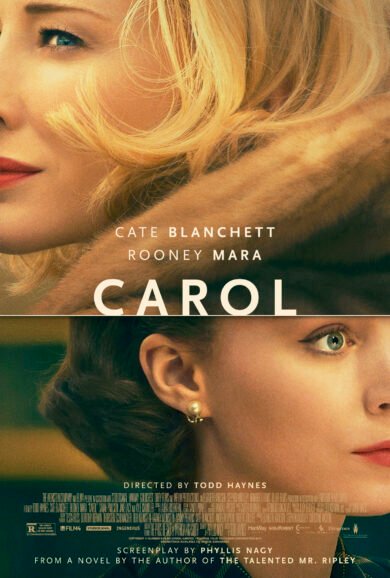
Cate Blanchett, Rooney Mara, and the central chemistry
Cate Blanchett’s portrayal of Carol is an intricate tapestry of vulnerability and strength, a performance that does not shy away from the darker nuances of her character. Rooney Mara delivers a compelling performance as Therese, whose awakening unfolds within the context of her relationship with Carol. Their chemistry is electric yet understated, presenting a genuine portrayal of blooming love constrained by societal norms. The subtle shifts in their dynamic resonate deeply, making their relationship feel lived-in and real rather than theatrical.
Supporting cast and character development
The supporting characters, while not as richly drawn as the leads, serve crucial roles in exemplifying the societal pressures that frame the central romance. Characters like Abby, played by Sarah Paulson, are integral in reinforcing the stakes Carol faces. However, some might find these roles could have used more depth; they frequently exist as foils to the protagonists rather than fully fleshed-out figures in their own right. This lack of development can detract slightly from the film’s otherwise immersive experience, leaving one wishing for more exploration of the broader implications surrounding the main love story.
How does the direction and overall execution hold up?
Todd Haynes’ approach and the film’s tone
Todd Haynes’ direction in “Carol” embodies a meticulous craftsmanship that feels both reverent and revolutionary. He approaches the story with a delicate touch, framing it within the suffocating context of 1950s America, a backdrop rich with unspoken tension. Haynes crafts scenes that resonate with the weight of societal scrutiny, emphasizing the characters’ emotional landscapes through strategic pacing and composition. He juxtaposes moments of intimacy with the conformist pressures surrounding Carol and Therese, enabling the film to explore the tragic beauty of their love without succumbing to sensationalism. The result is a tone that feels heartbreakingly authentic, awash in longing yet grounded in reality, capturing the bittersweet essence of unfulfilled desires.
Editing, scene construction, and narrative choices
The film’s editing plays a crucial role in enhancing its emotional impact. Each cut feels intentional, mirroring the characters’ mental states and heightening the tension of their clandestine relationship. Scene construction is similarly thoughtful, allowing long takes to immerse the audience in the characters’ inner conflicts. Moments linger just long enough for viewers to share in the characters’ hesitations, making the silences as potent as the spoken dialogue. Haynes skillfully alternates between moments of quiet reflection and bursts of emotional complexity, creating a narrative rhythm that respects the subtleties involved in queer love. However, the careful pacing may frustrate those who seek a more immediate connection, revealing a tension in the film’s execution: while it rewards patience, it risks alienating viewers expecting a more conventional dramatic arc.
Does the romance feel real and emotionally engaging?
Emotional beats that land
“Carol” excels in crafting emotional beats that resonate deeply, particularly in its quietest moments. The film captures the gradual unfolding of love, portraying it as a delicate dance rather than an overt declaration. Each gaze shared between Carol and Therese, every hesitant touch, is laden with significance, making the audience acutely aware of what’s at stake. These moments, underscored by the performances’ nuanced subtleties, create a genuine emotional investment that feels earned. The stakes are not merely about the romance itself but are intricately tied to questions of identity, freedom, and societal acceptance, making the emotional weight feel all the more profound.
Moments that feel distant or deliberately restrained
Yet, not all emotional moments hit the mark. Some scenes, while beautifully shot, may feel detached or restrained, as if the film is trying to maintain a safe distance from raw vulnerability. This can create a sense of emotional barrier, where layers of introspection overshadow the immediacy of passion. Certain pivotal moments, intended to be climactic, land with a muted impact, perhaps due to the film’s commitment to subtlety. While this restraint serves a stylistic purpose, it occasionally sacrifices the visceral engagement that many viewers might crave, leaving them wanting for a deeper emotional connection at critical junctures.
How are the visuals, production design, and music?
Cinematography, color, and shot choices
“Carol” is a visual feast, a study in the interplay between light and shadow that reflects the film’s emotional core. The cinematography, helmed by Edward Lachman, employs a rich color palette evocative of the era, with warm tones that envelop the viewer, suggesting both nostalgia and intimacy. Shot choices amplify the tension, as close-ups invite the audience into the characters’ private worlds, while expansive compositions evoke the isolation imposed by societal norms. The blending of meticulously crafted visuals and the film’s thematic depth creates an experience that is as aesthetically striking as it is narratively compelling.
Costumes, sets, and the soundtrack’s role
The production design and costumes further immerse the audience in 1950s America, serving as visual metaphors for the characters’ emotional states. Carol’s elegant fashion contrasts sharply with Therese’s more subdued, practical attire, symbolizing their differing places within the societal hierarchy and the dynamics of their relationship. The authenticity of the sets enhances the immersion, suggesting a world that is both enchanting and oppressive. Complementing these elements, Carter Burwell’s score quietly underscores the film’s emotional currents. Its haunting melodies serve as both backdrop and commentary, enhancing pivotal scenes without overwhelming them. However, there are moments where the score feels too restrained, opting for subtleties that may leave certain scenes needing a more pronounced emotional underscore, showcasing the film’s complex balance between intimacy and the broader tensions of its setting.
What are the biggest strengths and weaknesses?
Clear list of strengths
- Remarkable Performances: Cate Blanchett and Rooney Mara deliver extraordinary portrayals, breathing life into their characters with a blend of vulnerability and resolve.
- Visual Mastery: Edward Lachman’s cinematography captures the era’s emotional and aesthetic nuances, creating a richly immersive experience.
- Nuanced Storytelling: The film’s exploration of love and societal constraints is sensitive and layered, allowing viewers to engage with its themes meaningfully.
- Thoughtful Direction: Todd Haynes’ meticulous approach lets the story unfold at its own pace, echoing the characters’ internal conflicts and societal pressures.
Clear list of weaknesses
- Deliberate Pacing: The slow burn may alienate viewers who prefer a quicker narrative with more overt conflict and resolution.
- Limited Depth in Supporting Characters: While the leads shine, the supporting cast occasionally feels one-dimensional, missing opportunities for deeper connection with the audience.
- Emotional Barriers: Some emotionally significant moments land with less impact than intended, creating distance in key scenes.
- Subdued Soundtrack: Carter Burwell’s score, although elegant, often opts for restraint when the story could benefit from a more powerful emotional underscore.
Who is this really for?
Viewers most likely to enjoy Carol
“Carol” will resonate deeply with those who appreciate slow-burn narratives that prioritize character development and emotional intricacies over immediate gratification. Fans of LGBTQ+ stories that challenge societal norms will find its tender portrayal of forbidden love refreshing. Additionally, cinephiles drawn to meticulous aesthetics and visual storytelling will revel in the film’s lavish cinematography and period details.
Viewers who might not connect with it
On the flip side, viewers who lean toward fast-paced plots or conventional romance narratives might struggle with “Carol’s” deliberate pacing. Those seeking constant action or overt dramatic resolutions may find it frustratingly nuanced. The film’s deep introspection and subtlety could be perceived as distancing, perhaps leaving these viewers yearning for more immediate emotional stakes or clarity.
Is Carol worth watching or skipping?
When to pick this film over something else
“Carol” is an ideal choice for those looking to engage with a story that reflects on the complexities of love amidst societal repression. If you’re in the mood for a cinematic experience that prioritizes emotional depth and visual grandeur, it stands out among typical offerings. Choose this film when you’re ready for an immersive journey that evokes contemplation and introspection, valuing character and setting over action.
Best viewing context and expectations to set
To appreciate “Carol,” set the expectation of a slow unfolding narrative that prioritizes atmospheric tension over plot-driven urgency. The film invites viewers to linger in its world, so consider watching it in a quiet, focused setting where you can absorb its visual artistry and emotional nuances. Approach it with an open heart and a willingness to engage with its subtleties, allowing the richness of its themes to resonate rather than seeking immediate emotional payoffs.
Is Carol worth rewatching?
What repeat viewings reveal
Watching “Carol” again unveils layers of emotional complexity that may slip by during an initial viewing. The film’s richness lies in its subtle details—the way every glance or hesitant movement conveys layers of longing and restraint. With familiarity, viewers can appreciate the deliberate pacing as a tool for deepening the tension rather than a hindrance. The quiet moments become resonant echoes of the characters’ inner turmoil, turning initially unremarkable scenes into profound revelations of identity and desire. The intricacies of the dialogue, often underscored by the weight of societal expectations, gain new meaning when revisited, making each scene feel like a new exploration rather than a mere repetition.
How the film holds up years after release
Several years post-release, “Carol” continues to stand as a poignant reflection on love, societal norms, and the quest for self-acceptance. Its themes resonate even more profoundly in today’s discussions around LGBTQ+ rights and identity. The film’s aesthetic choices—the color palettes, meticulous production design, and haunting score—work in harmony to create a timeless quality that feels relevant regardless of the viewer’s age or context. The performances are just as striking, with Blanchett and Mara’s portrayals growing richer with each viewing. While some viewers might still find the pacing challenging, for those drawn to thoughtful character studies, “Carol” rewards patience, revealing its deep well of emotional resonance with each watch.
FAQs
Where can I stream or rent Carol right now?
As of the latest updates, “Carol” is available for streaming on platforms like Amazon Prime Video and Hulu. For those who prefer physical copies, it’s also rentable or purchasable through services like Apple iTunes, Google Play Movies, and Vudu. Always check for regional availability, as streaming rights can vary significantly by location.
What did critics say — is Carol well reviewed on Rotten Tomatoes and NYTimes?
“Carol” has garnered extensive acclaim from critics, reflected in its impressive scores on platforms like Rotten Tomatoes, where it boasts a high approval rating. The nuanced performances, evocative direction, and rich cinematography have all been highlighted positively. Reviews in outlets such as the New York Times lauded its exploration of desire against a repressive backdrop, emphasizing how the film captures the subtleties of love and longing with sensitivity and artistry. Critics generally applaud its emotional depth, though some caution that its deliberate pacing may not resonate with every viewer.
Is Carol based on a true story or a book?
“Carol” is adapted from Patricia Highsmith’s 1952 novel, “The Price of Salt,” which was groundbreaking for its positive portrayal of a same-sex relationship. Highsmith’s narrative centers on two women whose love defies societal expectations, and this adaptation honors the source material by delving deeply into the intricacies of their bond. The changes made in the film adaptation enhance its emotional depth while staying true to the spirit of Highsmith’s work, ensuring that the story resonates within its historical context and retains relevance today.
Is the film suitable for a date night or younger viewers?
“Carol” can serve as a compelling choice for a date night, especially for couples who enjoy nuanced storytelling about love and identity. Its rich cinematography and powerful performances create an intimate atmosphere that facilitates conversation about its themes. However, younger viewers may find the film’s pacing and mature themes less engaging; the subtleties of the romance may be lost on audiences looking for more overt drama or action. Its exploration of societal norms and sexual identity also introduces complex themes that may not resonate with all younger viewers or may require more context to fully appreciate.
Did Carol win any major awards or nominations?
“Carol” received significant recognition during awards season, including multiple Academy Award nominations in prestigious categories such as Best Actress for Cate Blanchett and Best Adapted Screenplay. While it didn’t snag an Oscar win, its nominations reflect the film’s critical impact and artistry. It was also recognized by various film critic circles and festivals, further establishing its status as one of the standout films of its year, celebrated for both its performances and visual storytelling.
What do people say about Carol on Reddit and in major reviews like the Guardian or NYT?
On platforms like Reddit, discussions around “Carol” often highlight its emotional depth and visual beauty, with many users praising the performances of Blanchett and Mara. Viewers frequently express their admiration for how the film tackles themes of love under societal duress, sparking rich conversations about relationships and identity. Major reviews in respected publications like the Guardian and the New York Times emphasize the film’s artistic merits, focusing on Haynes’ direction and the poignant script. Critics note how “Carol” challenges conventional narratives in its portrayal of a same-sex romance, making it a significant film within not just LGBTQ+ cinema but the broader landscape of contemporary cinema. These discussions generally reinforce the film’s lasting impact and encourage viewers to approach it with openness and curiosity.