A landmark Western trilogy is about to disappear from free streaming
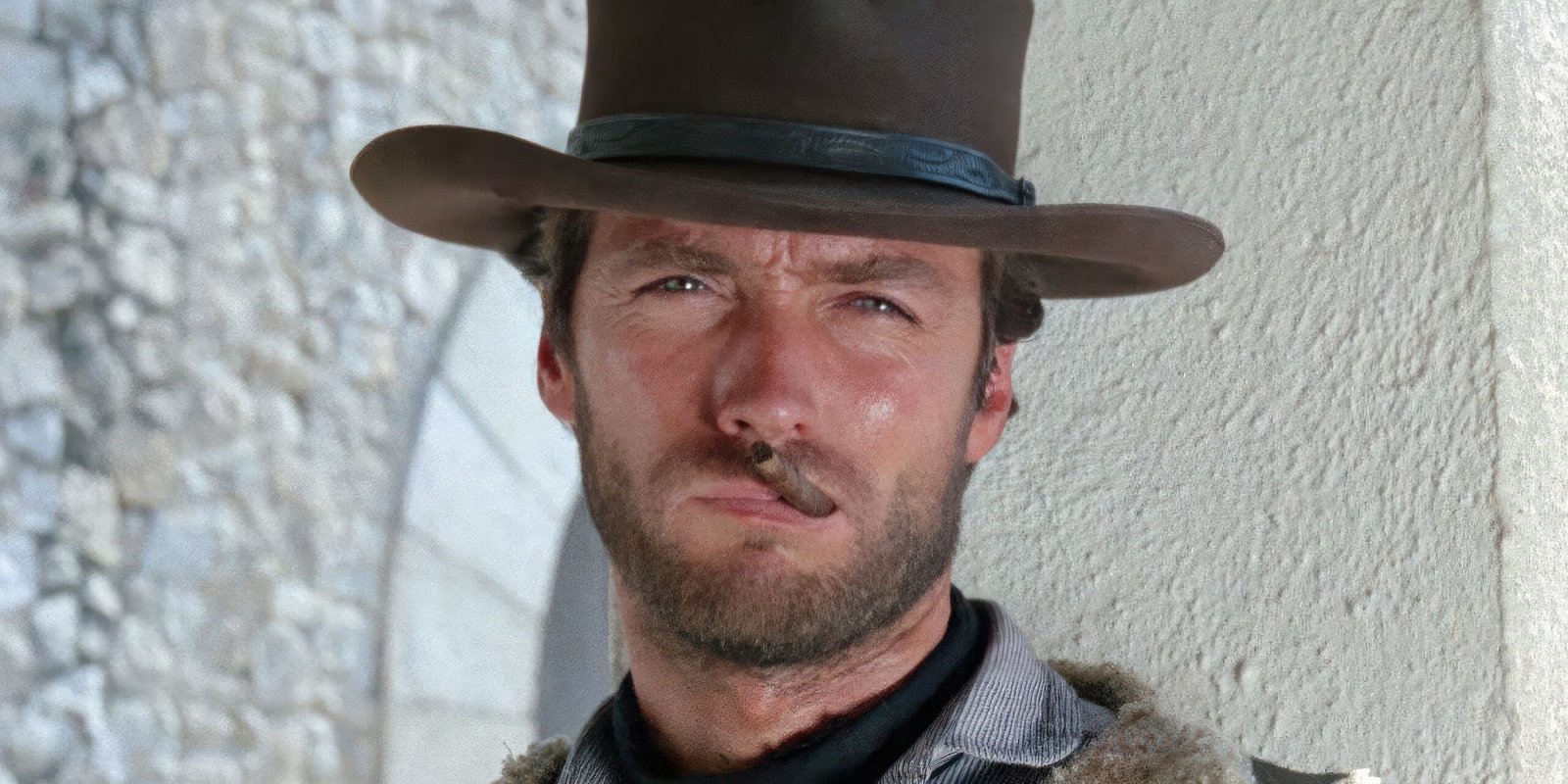
The spaghetti Western — once a low-budget, European reimagining of the American frontier — still casts a long shadow over modern Western storytelling. Sergio Leone’s Dollars Trilogy, starring Clint Eastwood as the laconic “Man with No Name,” rewired the genre in the 1960s with lean budgets, stylized violence, and unforgettable music. As of this writing, all three films in that trilogy will be removed from the free streaming service Pluto TV on February 28. That leaves a narrow window for viewers who want to revisit, introduce others to, or discover these films without paying for rentals or purchases.
Why the Dollars Trilogy still matters
Leone’s three films — A Fistful of Dollars, For a Few Dollars More, and The Good, the Bad and the Ugly — did more than launch Clint Eastwood into international stardom. They transformed the Western into something bleaker, morally ambiguous, and cinematically daring. Key reasons the trilogy remains influential:
- The antihero: Eastwood’s Man with No Name—stoic, pragmatic, and morally flexible—redefined the Western protagonist and influenced countless cinematic heroes and antiheroes.
- Visual language: Leone favored tight close-ups, long tracking shots, and deliberately paced build-ups to violence, creating a visual tension that few films since have replicated.
- Music and atmosphere: Ennio Morricone’s scores—especially the main theme for The Good, the Bad and the Ugly—became synonymous with the genre and elevated the films’ emotional and dramatic impact.
- Economical filmmaking: Working with modest budgets, the trilogy demonstrated how style, editing, and sound design could compensate for limited resources and still create large cultural resonance.
These films helped establish the spaghetti Western as a legitimate, distinct subgenre and influenced everything from revisionist Westerns to modern takes on frontier mythmaking.
Quick guide to each film
-
A Fistful of Dollars (1964)
The first installment introduces Eastwood’s drifter in the tense bordertown of San Miguel, where he manipulates two rival families—the Rojos and the Baxters—against each other for profit and survival. Though strongly inspired by Akira Kurosawa’s Yojimbo, the film proved the concept’s popularity in a Western setting and launched Leone’s signature style. -
For a Few Dollars More (1965)
Expanding the scope, the second film pairs Eastwood’s stranger with another bounty hunter to hunt the notorious outlaw El Indio. Their uneasy partnership—and competing motives—adds moral complexity and a sharpened focus on character dynamics, while retaining Leone’s visual flourishes. -
The Good, the Bad and the Ugly (1966)
The trilogy’s most celebrated entry, this film stages a sprawling tale set against the backdrop of the American Civil War. Eastwood’s “Good,” Lee Van Cleef’s merciless “Bad,” and Eli Wallach’s cunning, unpredictable “Ugly” converge in a quest for buried Confederate gold that culminates in one of cinema’s most famous three-way showdowns. A commercial hit on a modest budget, its memorable cinematography and Morricone score have kept it central to film history conversations.
What the Pluto TV removal means for viewers
Pluto TV’s free access to the trilogy has been a convenient way for casual viewers and newcomers to experience these films without subscription costs. When the titles leave the platform on February 28:
- Free streaming access for many users will end, narrowing opportunities to sample the films without paying.
- Some viewers may find it harder to introduce the trilogy to new audiences, as gatekeepers of free content rotate their libraries frequently.
- Film preservation and discoverability remain intact—these are widely distributed titles—but immediate, no-cost access will be gone from Pluto TV after the removal date.
If you want to watch the trilogy for free before it departs, make time before February 28. After that, options typically include renting or buying digital copies, purchasing physical editions, or checking libraries and educational institutions that hold film collections.
How to see the films after they leave Pluto TV
If you miss the Pluto TV window, here are practical alternatives to consider:
- Digital rental or purchase: Major platforms often offer each film individually or bundled. Prices vary by service and region.
- Physical media: Special edition Blu-rays and DVDs frequently include restorations, commentaries, and extras that enrich the viewing experience.
- Library systems and university film programs: Public and academic libraries sometimes carry copies for loan or screen films as part of film series.
- Broadcast and subscription services: The trilogy periodically appears on subscription streaming services or linear channels; availability rotates by licensing agreements.
Always check current listings on your preferred streaming platforms or digital retailers to confirm availability in your region.
Why it’s worth making time for these films
Beyond nostalgia, the Dollars Trilogy represents a turning point in cinematic technique and storytelling. Its influence stretches across decades—seen in the mood and moral ambiguity of later Westerns, and in directors who cite Leone’s emphasis on visual storytelling and music as transformative. Watching the trilogy offers more than entertainment: it’s a lesson in filmmaking economy, tone, and the enduring power of mythmaking.
Final note
If you’ve been meaning to revisit Sergio Leone’s seminal Westerns or introduce them to someone new, act before February 28 to catch the trilogy on Pluto TV while it’s still free there. Whether you stream them, buy them, or borrow them from a library, the Man with No Name’s legacy is worth the effort—these films continue to shape how we imagine the Old West on screen.