
Information
tl;dr
Quick verdict in one sentence
“CODA” is a heartfelt exploration of family and identity that resonates deeply, bolstered by authentic performances but occasionally hindered by predictable beats.
Who will probably like it
Audiences who appreciate intimate family dramas with a focus on personal challenges will feel particularly drawn to “CODA.” Those looking for a film that emphasizes emotional connections and the trials of living between worlds will likely find themselves engaged.
Does the story and pacing hold up?
Where the plot moves smoothly and where it stalls
The narrative flows seamlessly in its initial acts, drawing viewers into the dynamics of a deaf family through the eyes of Ruby, their hearing daughter. The film’s rhythm is particularly strong during scenes that showcase everyday interactions and the friction between Ruby’s burgeoning aspirations and familial responsibilities. However, the pacing stumbles in the third act, where the stakes feel artificially inflated. As Ruby’s path to independence becomes more pronounced, the film leans on a familiar structure that undermines the unique tone established earlier, leaving some emotional payoffs feeling more obligatory than earned.
How the film balances character moments and momentum
“CODA” excels in blending character moments with plot progression in its earlier sequences. The mundane yet profound exchanges between Ruby and her family establish not just their relationships but also the emotional stakes. As Ruby navigates her dual identity, moments of levity are gracefully interspersed with tension, allowing the film’s momentum to feel organic. Yet, as the climax approaches, the narrative begins to sacrifice nuance for the sake of resolution. The urgency of Ruby’s decisions occasionally overshadows the insightful character development laid out in prior scenes, creating a dissonance that sometimes disrupts viewer immersion.
Are the performances convincing?
Standout performances and memorable moments
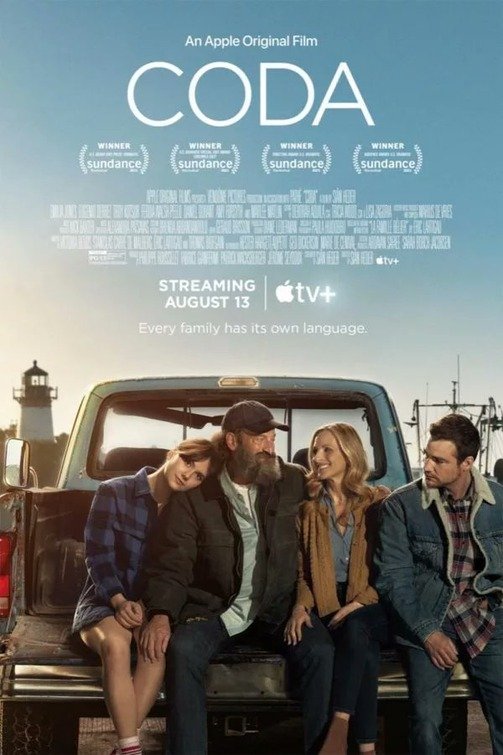
Emilia Jones delivers a compelling portrayal of Ruby, infusing her character with vulnerability and ambition that resonates throughout the film. Her journey from reluctance to empowerment is grounded by sincere moments, especially in her poignant interactions with her family. Troy Kotsur shines as Ruby’s father, offering a performance that is both humorous and deeply touching; his expressive use of sign language conveys a range of emotions that transcends spoken dialogue. The chemistry among the family members enhances the film’s authenticity, particularly in moments that celebrate their closeness while confronting challenges.
Any acting choices that pull you out of the film
While the performances largely succeed, there are moments where certain choices can break immersion. Some secondary characters feel exaggerated, leaning too heavily on stereotypes that distract from the film’s central narrative. The dynamic of Ruby’s romantic interest, for instance, occasionally veers into cliché territory, lacking the depth needed to truly engage. While these choices may seek to inject humor or tension, they sometimes dilute the film’s overall sincerity and can pull discerning viewers out of the moment.
How well does the direction and overall execution work?
Director choices that shape the film’s tone
Sian Heder’s direction strikes a careful balance between heartfelt sincerity and moments of levity, reinforcing the film’s exploration of Ruby’s peculiar position as both a daughter and an outsider. Heder excels in her ability to render the family’s dynamics and emotional landscape with nuance. She uses a mix of intimacy and openness in her framing, often opting for close shots that capture the subtleties of ASL and the faces of her characters, revealing layers of emotion without the need for dialogue. Her choices create a tone that feels authentic and engaging, making the family’s struggles resonate, but at times, there’s a sense of familiarity that borders on predictability. The moments of conflict, while genuine, occasionally feel orchestrated rather than organically evolving from the established character dynamics.
Production aspects that help or hurt (cinematography, editing)
The cinematography in “CODA,” helmed by Phillippe Kessell, skillfully highlights the stark contrast between the worlds of the deaf and hearing, immersing viewers in Ruby’s dual reality. Natural light and soft color palettes foster a warm atmosphere, which complements the film’s emotional arcs. However, the editing sometimes falters, particularly in transitions between scenes. The pacing feels uneven during more dramatic moments, where abrupt cuts attempt to elevate tension but instead disrupt the emotional flow. Conversely, the sound design excels by emphasizing silence, allowing the viewer to experience the world from the family’s perspective, yet at times it risks overshadowing key emotional indicators that live in both silence and sound. This blend serves the narrative well, though it sometimes teeters on the edge of using those elements for effect rather than clarity.
Does CODA handle deaf representation responsibly?
Casting, use of ASL, and community involvement
“CODA” significantly benefits from its authentic casting choices. Featuring Troy Kotsur and Marlee Matlin, both of whom are deaf actors, the film creates a sense of legitimacy in its portrayal of the deaf community. The decision to emphasize American Sign Language (ASL) throughout isn’t just a token gesture; it’s integral to the storytelling, and Heder’s commitment to using ASL constructively transcends mere representation. The film avoids common pitfalls of portraying disability as an afterthought, actively engaging the deaf community’s input during production to ensure authenticity. However, while the casting choices are commendable, it’s crucial to note that the film can sometimes lean into a simplified narrative that does not encompass the full spectrum of deaf experiences, risking a homogenized view that overlooks diversity within the community.
Moments of authenticity and areas that feel simplified
There are strikingly poignant moments in “CODA” that capture the realities of deafness, particularly the familial bonds and their shared experiences. For example, the interactions around Ruby’s singing reveal joy and tension, illustrating the varying perceptions of achievement and connection across different modes of communication. Nonetheless, the film occasionally falls into familiar tropes that simplify the deaf experience, particularly in portraying Ruby’s identity struggle. While her journey is compelling, the film sometimes prioritizes broader emotional beats over a deeper exploration of these themes, leading to situations that can feel less nuanced than the lived realities of many deaf individuals. This choice, while emotionally effective, compromises the film’s opportunity to challenge perceptions more robustly.
Is the family dynamic believable and engaging?
Parent-child relationships and sibling chemistry
The relationship between Ruby and her parents is one of the film’s strongest pillars, deftly balancing love and conflict with emotional depth. Kotsur’s performance as her father, Frank, embodies a layered approach to parenthood—one that balances humor and vulnerability, making their bond feel textured and believable. The sibling relationship with Leo adds further dimension, encapsulating the shared struggles and mutual support inherent in their family dynamic. It’s not just about Ruby’s aspirations but also how her journey impacts her family’s identity, bringing moments of collaboration and tension to the forefront. However, as engaging as these relationships are, the support characters at times feel underdeveloped, leading to dynamics that, despite their potential, don’t reach the richness established in primary family ties.
Emotional beats that feel earned versus manipulative
The film excels at crafting moments that genuinely resonate, particularly in Ruby’s internal conflicts and her attempts to bridge two worlds. The emotional highs, especially during significant performances or family gathering scenes, elicit a strong connection with the audience, underscoring the stakes Ruby faces. Yet, there are sequences that veer into manipulative territory, relying on familiar dramatic constructs that dilute their impact. The climactic moments, meant to serve as catharsis, can feel overemphasized, tugging at heartstrings without the warranted buildup. This tendency toward sentimentality, particularly in pivotal scenes, occasionally undercuts the film’s more grounded emotional truths, creating a tension between authenticity and the desire for dramatic resonance.
How effective is the music and its place in the story?
Music as a plot device and emotional driver
In “CODA,” music functions as a vital narrative tool, encapsulating the internal struggles and aspirations of Ruby while also serving as a bridge between her distinct worlds. The film’s title itself, an acronym for “Child of Deaf Adults,” signals the dual existence Ruby must navigate, and music reflects this conflict beautifully. As Ruby discovers her passion for singing, the sequences that showcase her talent highlight the tensions between her family’s needs and her own desires. The dissonance between the joyous sound of her voice and the silence in which her family exists underscores her isolation. This thematic exploration is not just about music as a performance art; it becomes a poignant representation of Ruby’s yearning for connection, both with her family and her broader aspirations. Here, sound is less about entertainment and more about emotional articulation, seamlessly weaving Ruby’s personal journey into the fabric of her family’s experiences.
Does the soundtrack enhance key scenes or distract?
The film’s soundtrack, which features a mix of contemporary songs and original compositions, enhances rather than distracts from key scenes, driving emotional resonance home. Strategic placements of Felix Marzano’s score punctuate the narrative, particularly during moments of internal turmoil or joy. For instance, as Ruby wrestles with her choice between family obligations and her passion for music, the accompanying score adds a layer of complexity, accentuating her conflict without overshadowing the moment. However, there are times when the soundtrack veers perilously close to sentimentality, particularly during climactic performances that feel designed to elicit an emotional response. While these moments can be stirring, they occasionally feel over-engineered, undermining the authenticity that the film otherwise strives to achieve. A more subtle approach could have allowed the heartfelt music to resonate more organically, aligning seamlessly with Ruby’s emotional landscape without heavy-handedness.
How well does the film mix comedy and drama?
Where the humor lands and why
“CODA” adeptly balances comedy and drama, often using humor as a means of alleviating the tension that stems from the film’s heavier themes. The comedic moments, particularly those involving the family’s dynamic and Frank’s playful interactions with Ruby, create a sense of familiarity that grounds the story amid its emotional weight. The humor often emerges naturally, as when the family attempts to navigate the hearing world’s quirks, portraying their resilience and close-knit bond with wit and charm. Importantly, the comedic relief serves not as a stark contrast but rather as a complement to the film’s explorations of identity and belonging. This layered approach keeps the tone from becoming overwhelmingly somber and allows for the more serious moments to shine brighter in their authenticity and impact.
When the drama becomes too heavy or feels genuine
While the film navigates its comedic elements with finesse, it occasionally risks becoming weighed down by its dramatic weight, particularly in pivotal scenes that demand emotional depth. At times, the tension surrounding Ruby’s struggle for independence feels overly dramatized, tipping into melodrama rather than staying grounded in the character’s reality. Moments designed to elicit tears can come across as formulaic, risking an emotional disconnect when they stray too far from the nuanced portrayal established earlier. However, it’s essential to recognize that many of the film’s emotional beats are genuine and earnestly crafted, particularly when Ruby faces the reality of her family’s dependence on her as their interpreter. The help of humor here remains a double-edged sword; while it can lighten the mood, it also creates a delicate balance the film must maintain to ensure that its more serious moments land effectively without feeling forced.
What are the biggest strengths and weaknesses?
Top strengths that make it worth watching
One of “CODA”‘s standout strengths lies in its authenticity, differentiated by its nuanced portrayal of a deaf family and the genuine performances of its cast. Emilia Jones embodies Ruby with a rare relatability, reflecting both her vulnerabilities and ambitions, while Troy Kotsur’s portrayal of Frank is a masterclass in balancing humor and heart. Furthermore, the film’s ability to seamlessly integrate music into its narrative creates a rich emotional tapestry that resonates with anyone who’s grappled with identity. The film’s visual storytelling, marked by intimate cinematography and effective use of ASL, ensures that the familial dynamics are rendered with depth and sincerity. These strengths combined ensure that “CODA” remains a compelling exploration of family bonds, culture, and the quest for individual identity, inviting viewers into a world that feels both specific and universal.
Key weaknesses that might bother viewers
Despite its many strengths, “CODA” isn’t without its weaknesses. The familiarity of its narrative arc may frustrate viewers seeking a more innovative storytelling approach. Instances where the film leans into formulaic conflict resolution can detract from its otherwise fresh take on family dynamics. Additionally, some comedic elements, while entertaining, run the risk of reinforcing stereotypes that distract from the complex realities of its characters. This disconnection can create moments that feel contrived rather than earned, potentially alienating viewers looking for a more nuanced portrayal. The film’s tendency to simplify the broader deaf experience can also be a point of contention; it occasionally misses the opportunity to delve deeper into the diverse spectrum of challenges faced by the deaf community. While the film’s heart is undoubtedly in the right place, these moments of missed opportunity may leave some viewers yearning for a more layered exploration of its themes.
Who is CODA really for?
Audiences who will get the most out of it
“CODA” shines most brightly for viewers who appreciate heartfelt family dramas that dive into identity struggles. Its earnest exploration of the tension between ambition and obligation resonates particularly well with those who have navigated the complexities of familial expectations. Fans of films like “The Florida Project” or “Little Miss Sunshine” will find similar themes of personal yearning wrapped in moments of familial warmth. The film’s grounding in real experiences—especially its authentic representation of the deaf community—will appeal to viewers seeking a richer, more genuine narrative. Those who embrace narratives layering humor with emotion will also feel at home, as “CODA” manages to balance laughter and tears in a way that feels organic rather than forced.
Viewers who might want to skip or lower expectations
On the other hand, audiences looking for groundbreaking storytelling or a unique narrative structure may find “CODA” lacking. The film leans towards familiar tropes and predictable arcs, which might underwhelm viewers hoping for deeper explorations of its themes. It won’t satisfy those seeking gritty realism or a more expansive portrayal of the deaf community that covers a broader spectrum of experiences. Additionally, if you’re sensitive to sentimental storytelling, some moments may feel overly orchestrated and detract from the film’s authenticity. This could lead to a disconnection for viewers accustomed to narratives that challenge rather than conform to genre expectations.
Is it worth rewatching or recommending?
Rewatch value and long term appeal
While “CODA” possesses a certain charm that encourages rewatching, its appeal may diminish over time for some. Initial viewings capture the audience through its emotional weight and authentic performances, making every interaction feel fresh. However, the film’s predictable narrative arc and sentimental moments might grow stale on subsequent watches. Still, its genuine portrayal of family ties and the insights it offers about the deaf experience warrant a place in the rotation for those particularly drawn to character-driven stories. Fans might find new layers upon reflection, especially in the subtleties woven into performances and relationships.
When to suggest it and who to recommend it to
“CODA” is best suggested during quiet nights when viewers seek comfort through family-oriented tales that blend laughter with life’s complexities. It’s an excellent pick for those interested in heartwarming stories that prioritize emotional authenticity. Ideal recommendations would go to audiences drawn to indie films or those looking for a narrative that celebrates shared experiences—particularly among families navigating different abilities and aspirations. It’s a feel-good film that invites discussion on identity and acceptance, making it suitable for movie nights with friends and family who appreciate narratives spotlighting personal journeys.
FAQs
Is CODA worth watching?
Absolutely, “CODA” offers a touching glimpse into the lives of its characters, enriched by the strong performances of its cast. Its heartfelt exploration of family and identity resonates well and offers moments of genuine connection that many will find relatable. While its familiar narrative structure might not appeal to everyone, the film’s authenticity and emotional depth provide a compelling enough reason to watch, especially for those who appreciate stories centered on familial bonds and personal growth.
Where can I watch CODA (2021)?
“CODA” is available for streaming on Apple TV+, where it can be accessed with a subscription. It may occasionally be available for rent or purchase on platforms like Amazon Prime Video and Google Play, depending on regional availability. Since it has garnered significant attention, checking these platforms can help viewers find it easily and enjoy its heartfelt narrative at their convenience.