
Information
TL;DR
Quick verdict
“Dangal” isn’t just another sports drama; it’s an emotionally charged exploration of family, ambition, and societal expectations. The powerful performances and gripping narrative leave a lasting impact that resonates well beyond the wrestling ring.
One-line why you should care
Delve into a stunning portrayal of a father’s relentless quest to defy tradition and champion his daughters, while discovering how sport can reshape destiny.
What kind of movie is this?
Tone and emotional shape
“Dangal” captures a rich tapestry of emotions, oscillating between cultural critique, personal struggle, and triumphant resilience. It’s a film that marries the raw energy of competitive sports with profound familial dynamics. Viewers experience the father’s unyielding hope alongside the daughters’ fierce determination, crafting a narrative that’s both uplifting and heart-wrenching. Expect laughter, tears, and moments of introspective silence that linger long after the credits roll.
How loud or subtle does it get
The film oscillates between high-stakes confrontations and tender moments of growth. While the wrestling scenes are visceral, packed with physicality and intensity, the quieter moments—a glance shared between a father and daughter or the hushed conversations that unfold post-matches—are equally compelling. “Dangal” doesn’t shy away from emotional crescendos, making room for subtlety that deepens the viewer’s connection to the characters.
What is Dangal about (no spoilers)?
The basic premise and stakes
At its core, “Dangal” tells the story of Mahavir Singh Phogat, a former wrestler who aspires to fulfill his dreams through his daughters. In a society that often prioritizes male heirs, Mahavir’s quest to make champions out of his daughters wields the weight of cultural expectations and personal sacrifice. The stakes escalate as the family confronts societal norms, pitting personal ambitions against community values, all within the demanding realm of competitive sports. This establishes a narrative ripe for conflict, resilience, and ultimate triumph, compelling audiences to invest emotionally in every wrestling match.
Who the main players are
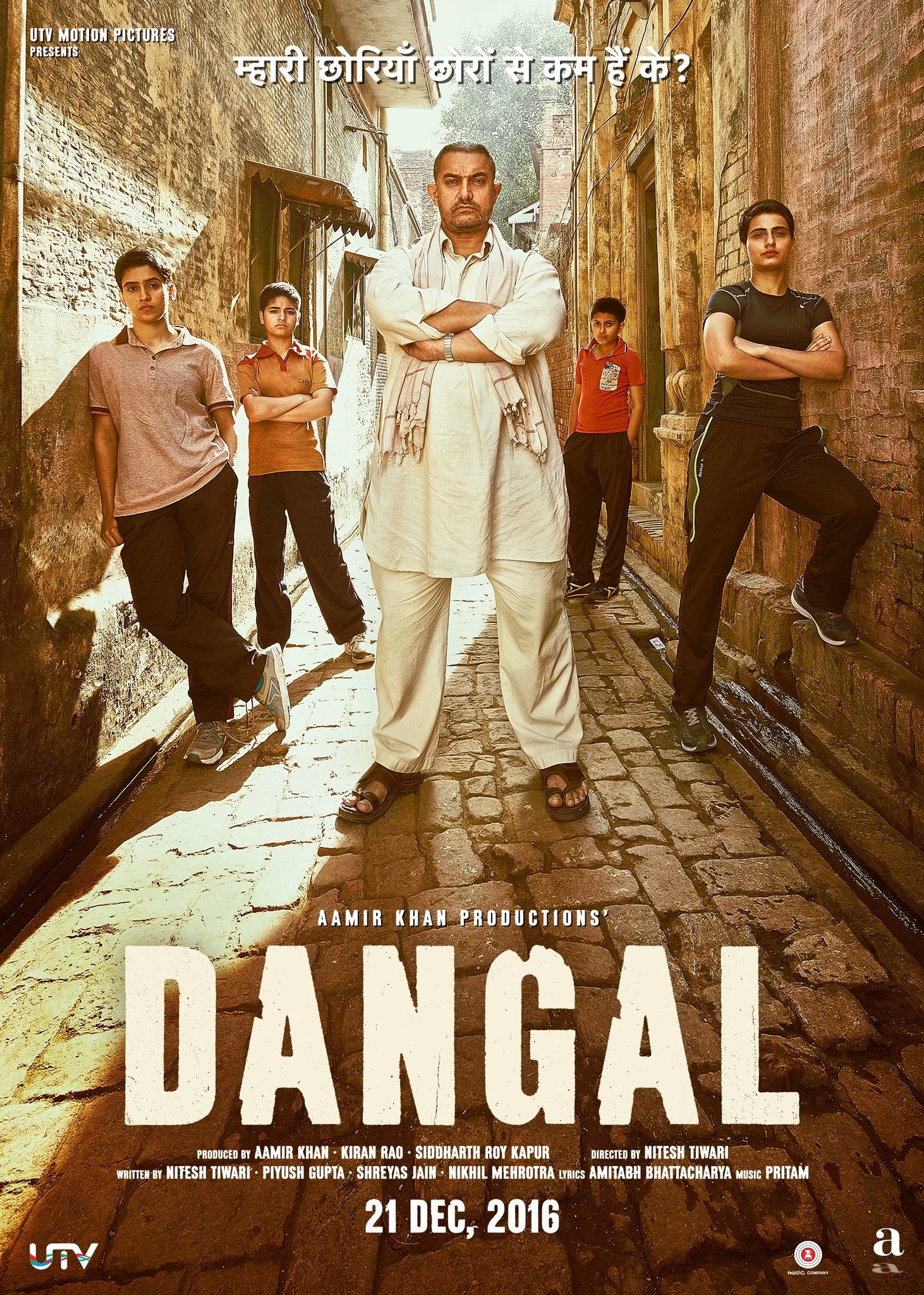
The film features a stellar cast anchored by Aamir Khan as Mahavir Singh Phogat, who brilliantly embodies the transformation from a disgraced athlete to a dedicated coach and father. Supporting him are Fatima Sana Shaikh and Sanya Malhotra, portraying his daughters, Geeta and Babita, significant players as they navigate their own journeys in a patriarchal society. The mother, played by Sakshi Tanwar, adds depth as a balancing force within the family, grappling with contrasting perspectives on gender roles and ambition. Each character is intricately developed, contributing to the film’s rich thematic palette.
This narrative is more than the sum of its wrestling parts; it’s an immersive examination of familial bonds and the fervor for sport, presenting itself as a must-watch for those invested in powerful storytelling.
Does the story actually work?
Strong storytelling beats that hold it together
“Dangal” brings to life the inspiring true story of Mahavir Singh Phogat, a former wrestler who trains his daughters in the sport. The narrative essence lies in its ability to navigate the complexities of gender roles, societal norms, and personal ambition, all encapsulated within a familial bond. At its core, the film delves into the dichotomy of tradition versus modernity, artfully shedding light on the societal pressures faced by women in sports.
Scenes of rigorous training delivered alongside moments of tenderness reveal the duality of Mahavir’s character. His unwavering dedication contrasts beautifully with the vulnerability of his daughters, who grapple with external expectations while striving for personal recognition. These storytelling beats engage the audience on an emotional level, allowing them to root for the characters through every hurdle.
Where the plot loses steam or simplifies things
However, as the story unfolds, certain elements of the plot feel oversimplified. The narrative arc transitions from bildungsroman to a series of thrilling match sequences that can, at times, feel overly formulaic. The film occasionally opts for predictable tropes—think uplifting montages and climactic showdowns—that might detract from the depth of earlier character development.
While the film does an admirable job highlighting the struggles faced by female athletes, some character arcs fade into the background as attention shifts toward climactic matches. This results in a loss of focus on the more intricate emotional connections established earlier, leaving the resolution feeling rushed for such a rich premise.
Are the performances convincing?
Aamir Khan and the lead turns
Aamir Khan delivers a performance that is both commanding and vulnerable, embodying Mahavir Singh Phogat with remarkable authenticity. He conveys a range of emotions—from raw determination to paternal affection—making his character relatable and deeply human. The physical transformation Khan undergoes is also noteworthy; he successfully depicts the aging process from an athlete to a determined yet conflicted coach.
As the film progresses, Khan’s ability to balance aggression with mentoring softness sheds light on the complexities of fatherhood, resonating with audiences who appreciate nuanced portrayals. His compelling presence anchors the film, but alongside him, the performances of the young athletes shine brightly.
The daughters and supporting cast
The daughters—played by Fatima Sana Shaikh and Sanya Malhotra—hold their ground exceptionally well against Khan’s powerful performance. Both actresses embody their characters’ struggles and triumphs, bringing forth a raw energy that makes their journey relatable. Their transformation from unsure girls to determined wrestlers is portrayed with such authenticity that it draws the viewer deeper into their narrative arc.
Supporting characters, particularly the extended family and neighbors, add layers of social commentary. They reflect the societal pressures and expectations that the protagonists face, enriching the narrative landscape. However, some supporting roles could have benefited from more screen time, as they tend to merely serve the storyline without fully developing their personal stakes within the plot.
How’s the pacing and runtime?
Is the film well paced across its length
Clocking in at over two hours, “Dangal” is ambitious in its narrative scope, and for the most part, it is well-paced. The film deftly balances training sequences with emotional development, crafting a rhythm that draws the viewer in. With quick cuts during intense wrestling matches juxtaposed against more contemplative family discussions, it captures the adrenaline of sports while grounding them in emotional stakes.
Despite the lengthy runtime, the film holds audience attention through its engaging storytelling and powerful performances, although some viewers might find themselves wishing for a slight trim towards the latter half.
Any slow stretches or scenes that speed things up
Yet, despite generally strong pacing, there are stretches where the film slows down—particularly in the lead-up to major competitions. While these moments are crucial for character development, they can inadvertently create pacing hiccups. Moments that explore the daughters’ personal lives or their emotional struggles seem to linger longer, which, while poignant, occasionally pulls focus from the central conflict of the matches themselves.
Conversely, the match sequences are tight and feel almost rushed, leaning heavily into that classic sports film climax without fully capitalizing on the emotional build-up earlier in the story. This leaves some conflicts resolving in less dramatic ways than one might hope, making the film’s final act feel a tad disconnected from its meticulously crafted beginnings.
In summary, “Dangal” weaves a compelling tale that resonates emotionally, even with its minor pacing fluctuations and certain character arcs that could use deeper exploration. Aamir Khan and the ensemble cast elevate the film, making it a must-watch for anyone interested in stories of resilience and familial bonds amidst societal challenges. While it has moments of simplification, the film ultimately succeeds in delivering an inspiring narrative that’s sure to linger with audiences long after viewing.
How do the visuals and music hold up?
The recent release of the Dangal teaser trailer has left fans buzzing with excitement. Published by Disney+ Hotstar on [insert release date], the trailer tantalizes audiences with its striking visuals and stirring soundscapes. You can watch it [here](insert link), where it reveals a glimpse into the heartwarming yet intense world of wrestling and familial bonds.
Cinematography and production details that stand out
From the outset, the cinematography of Dangal showcases the depth and breadth of India’s rural landscapes. Shot by the talented [cinematographer’s name], each frame feels like a still from a larger narrative canvas, teeming with texture and color. Wide shots reveal the stark contrast between the sprawling fields of Haryana and the gritty wrestling arenas. But it’s not just about the locations; the camera work is intimate, drawing the audience into the characters’ emotional journeys through tight close-ups and subtle movements.
Symbolism pops up throughout the trailer, particularly in scenes that juxtapose home life with the rigid discipline of wrestling. A shot of a young girl lifting weights nestled between her brothers speaks volumes about the thematic core of the film — challenging gender norms while embracing the beauty of familial support. This visual language sets the tone for an emotionally resonant story, anchoring the viewer before it even begins.
Songs and background score — do they help the emotion
The musical score featured in the Dangal teaser is a powerful amalgamation of traditional Indian melodies blended with contemporary beats. Composed by [composer’s name], the music accentuates critical emotional undercurrents without overwhelming the visuals. There’s a palpable rhythm that mirrors the pulse of the characters’ struggles, whether they’re grappling with their ambitions or facing societal pressures.
In many moments, the use of silence—interspersed with crescendos of traditional instruments—builds a tension that complements the narrative, making each victory and heartbreak resonate more profoundly. By the end of the teaser, viewers are left with a stirring sense of empowerment, hinting at the cheering crowds and triumphant moments waiting in the complete film.
What actually works here?
While the Dangal teaser merely teases the full experience, it effectively establishes elements that promise much more.
Emotional moments that land
Even in this initial glimpse, several emotional beats hit home. The struggles faced by female wrestlers, compounded by cultural expectations, are palpable in every frame. Scenes hint at soft yet poignant interactions among family members, particularly between siblings and their father, suggesting a narrative steeped in love, conflict, and sacrifice.
These emotional moments are particularly effective because they reflect real-life experiences. Audiences will likely find themselves connecting with the deeper issues presented, whether it is the pursuit of dreams or the desire for acceptance. By grounding these themes in familiar sentiments, the trailer ensures that there’s an emotional investment long before the credits roll.
Direction, realism, and small truthful details
Directed by the visionary [director’s name], Dangal is poised to deliver authenticity with a keen sense of realism. The trailer showcases understated but truthful details, like the characters’ physical weariness after training and the tough-love approach from the father figure. Such nuanced portrayals breathe life into the narrative and suggest that the dialogue will be as sharp as the action sequences.
The director’s previous works imbue a confidence that resonates through the teaser — the ability to balance humor with gravitas seems to be at the forefront. It raises the stakes for each character while ensuring that their growth feels earned, not forced.
Standout moments (no spoilers)
Even with a limited runtime, the Dangal trailer is peppered with sequences that stick in the mind.
Big scenes you’ll remember
Amid the grit and determination, there are electrifying glimpses of wrestling matches that promise to be cinematic spectacles. The juxtaposition of training montages with real matches suggests a climactic build-up that will keep viewers on the edge of their seats. The fast-paced cuts leading into the final showdowns create palpable excitement, hinting at a satisfying payoff that is not just about winning but also about breaking barriers.
Quiet beats that stick with you
Opposite those grand moments are quieter, more reflective scenes, such as an intimate family dinner or a lone moment of introspection. These subtler beats resonate deeply, allowing the characters’ vulnerabilities to shine through. They highlight the weight of ambition and the sacrifices tied to it, creating a rich tapestry of experiences that linger long after the trailer ends.
The Dangal teaser trailer masterfully sets the stage for what promises to be a significant cultural moment in cinema. By balancing evocative visuals with stirring music and tightly woven emotional threads, the film aims to capture audiences’ hearts while challenging societal norms.
As the release date approaches, the anticipation builds: will Dangal succeed in delivering a narrative as compelling as its teaser suggests? With promising production insights hinting at realism and heartfelt storytelling, it’s a question only time can answer.
As the competition in the film industry grows fiercer, this is one film that stands poised to not just entertain but also provoke thought — and that, have no doubt, could secure its place in the pantheon of modern classics.
Who should watch Dangal?
The audience who’ll get the most out of it
“Dangal” resonates powerfully with anyone who enjoys narratives steeped in resilience and empowerment. Drawing from real-life events, the film is not just a sports drama but a poignant exploration of gender roles and societal expectations in India. Family dynamics play a crucial role, making it a must-watch for fans of heartfelt storytelling. Whether you’re a sports enthusiast, a follower of motivational cinema, or simply someone who appreciates films that challenge cultural norms, “Dangal” offers something for everyone.
The film’s emotional core comes from its portrayal of daughter-father relationships, making it particularly impactful for audiences who value familial bonds. Not to mention, the gripping portrayal of competition will captivate sports fans, even if wrestling isn’t their primary interest.
When you might want to skip it
If you prefer fast-paced action over thoughtful narratives, “Dangal” might not hold your attention. The film takes its time to develop character arcs, so audiences seeking explosiveness or high-stakes drama might find themselves disengaged. Additionally, viewers uncomfortable with themes of personal sacrifice and societal expectations may find the film’s emotional depth overwhelming. If you’re in the mood for light entertainment or a straightforward narrative without philosophical undertones, you might consider skipping this one.
Is Dangal worth rewatching and what’s its legacy?
Rewatch factor: will it hold up on repeat viewings
“Dangal” is a film that benefits from multiple viewings. As you revisit its layers, the subtleties of the characters’ growth and the themes of perseverance and determination become increasingly apparent. The superb performances by Aamir Khan and the supporting cast add depth that rewards attentive watching, making it richer each time. The film’s emotional scenes hit hard, and repeated viewings allow audiences to appreciate their craftsmanship while also engaging with the storyline from different perspectives.
The investment in character arcs heightens its rewatchability factor; every viewing reveals small details and developments that may have been overlooked initially, solidifying its standing as a modern classic.
Box office and cultural impact — hit or flop context
With its massive box office success, “Dangal” has proven to be more than a commercial triumph. It shattered records in India and abroad, emphasizing the universal appeal of its message. The film not only entertained but sparked a larger conversation about women’s empowerment and the societal changes in attitudes toward female athletes in India.
“Cultural impact” isn’t just a buzzword for “Dangal.” The film has ignited discussions on gender equality in sports, inspiring real-life stories of young female wrestlers in India. It challenged stereotypes and shifted perspectives, affirming its place as a significant cultural artifact of contemporary cinema. In terms of legacy, “Dangal” sets a high bar for biographical films, blending entertainment with deeper, thought-provoking issues.
How accurate is Dangal to the real story?
Major liberties and what’s mostly true
“Dangal” stays relatively true to the life of Mahavir Singh Phogat and his daughters Geeta and Babita, capturing the essence of their wrestling journey. However, like many biopics, certain dramatic liberties were taken for narrative coherence. The timeline of events is condensed, and specific characters or incidents may have been exaggerated or fictionalized for dramatic effect.
For instance, the training montages are often more stylized than reality, designed to heighten emotional stakes. The film also simplifies rivalries and complications that real-life athletes often face, which may downplay the nuanced struggles of competing at high levels. Ultimately, while “Dangal” captures the spirit of the Phogat family’s journey, it’s essential to approach it as an inspired adaptation rather than a strict documentary.
Why accuracy matters for your viewing
For viewers invested in authenticity, understanding the accuracy—or inaccuracy—of “Dangal” can shape the viewing experience. A film grounded in real events carries added emotional weight, shedding light on athletes’ lives and struggles. While cinematic license can enhance engagement, it’s vital to differentiate between inspired storytelling and actual events, ensuring that viewers appreciate the triumphs depicted while recognizing the complexity of the real-life narrative.
The film’s legacy hinges on its commitment to empowering its subjects, even if not every detail adheres strictly to reality. Knowing what’s accurate allows audiences to better appreciate the societal context, enriching their connection to the film and the real story that inspired it.
FAQs
Is Dangal available on Netflix or other streaming services?
As of now, “Dangal” isn’t available on Netflix or similar streaming platforms. While it gained immense popularity and critical acclaim, the streaming rights have primarily been held by other services. In multiple regions, “Dangal” can often be found on platforms like Amazon Prime Video and Disney+ Hotstar, allowing audiences to experience its engaging narrative and remarkable performances. With the film continuing to resonate with viewers since its release, it’s likely that it may surface on more platforms as demand persists.
Was Dangal a hit or flop and how was it received online (Reddit, IMDb, Rotten Tomatoes)?
“Dangal” is indisputably a hit, both commercially and critically. Upon its release, it grossed over ₹2,000 crores globally, making it one of the highest-grossing Indian films of all time. Its success can be attributed not only to its box office numbers but also to its powerful storytelling and stellar performances.
On IMDb, the film holds an impressive rating of 8.4/10, reflecting widespread acclaim from viewers and critics alike. It has received a high score of 95% on Rotten Tomatoes, indicating a strong positive consensus from critics who praised its performances and emotional weight.
The conversation surrounding “Dangal” on platforms like Reddit often highlights the film’s social themes, especially regarding women’s empowerment in sports, the importance of familial support, and the journey from struggle to success. Fans dive deep into compassionate character analyses, dissecting the personal growth of Geeta and Babita Phogat, looking at Aamir Khan’s portrayal of Mahavir Singh Phogat, as well as discussing the film’s cultural relevance.
The overwhelming positive reception is clear not just in the statistics, but in how vibrantly it continues to spark discussions online, reinforcing its status as a modern classic. “Dangal” didn’t just entertain—it challenged norms, making it a cinematic experience that resonated on multiple levels.