
Information
tl;dr
Short verdict, in one sentence
David Lynch’s “Eraserhead” is a haunting exploration of fear, fatherhood, and the grotesque, encased in a surreal, industrial nightmare that lingers well after it ends.
Quick take: who should watch and who should skip
This film beckons those unafraid of the avant-garde, who appreciate the surreal and the unsettling, while casual viewers seeking conventional narrative or straightforward storytelling may find it frustratingly ambiguous and challenging.
What kind of movie is Eraserhead?
Tone and genre at a glance
“Eraserhead” operates within the realms of surrealism and horror, drenched in a tone that oscillates between the nightmarish and the absurd. Lynch cultivates a world steeped in dread, where industrial sounds replace conventional scores, and stark black-and-white imagery creates an oppressive atmosphere. The film embodies a unique avant-garde perspective that defies typical genre constraints and invites multiple interpretations, making it both compelling and disconcerting.
What to expect from the story without spoilers
The narrative of “Eraserhead” unfolds like a fever dream, rich with symbolic imagery and fractured logic. It paints a portrait of Henry Spencer, a man grappling with the burdens of responsibility and alienation amid a dystopian landscape. Expect evocative, often perplexing vignettes that challenge conventional storytelling and prompt introspection on themes of parenthood, anxiety, and the uncanny. The lack of straightforward exposition necessitates active engagement from the viewer, ensuring that each interpretation feels personal and layered.
Does the story and pacing work?
How the film unfolds and whether it holds your attention
From the opening frames, “Eraserhead” commands attention with its striking visuals and sound design. The pacing is deliberate, inviting viewers into its unsettling world rather than rushing through the bizarre tableau. That said, the film’s unconventional structure shifts focus away from standard narrative progression, demanding patience and contemplation. The silences and extended sequences serve as both a lullaby and a wake-up call, effectively holding attention while also risking alienation.
Where the pacing helps the mood and where it may feel slow
The unhurried pace works splendidly to build a sense of dread and unease, with each drawn-out moment amplifying the surreal atmosphere. Lynch expertly allows silence to resonate, punctuating disturbing imagery with haunting sounds that linger in the mind. However, these same stretches can feel laborious for viewers unaccustomed to such an approach. Moments that might be interpreted as artistic profundity can also come off as indulgent, possibly testing the endurance of those whose patience wears thin in the absence of traditional storytelling momentum.
Are the performances convincing?
Main performance highlights and what the actors bring
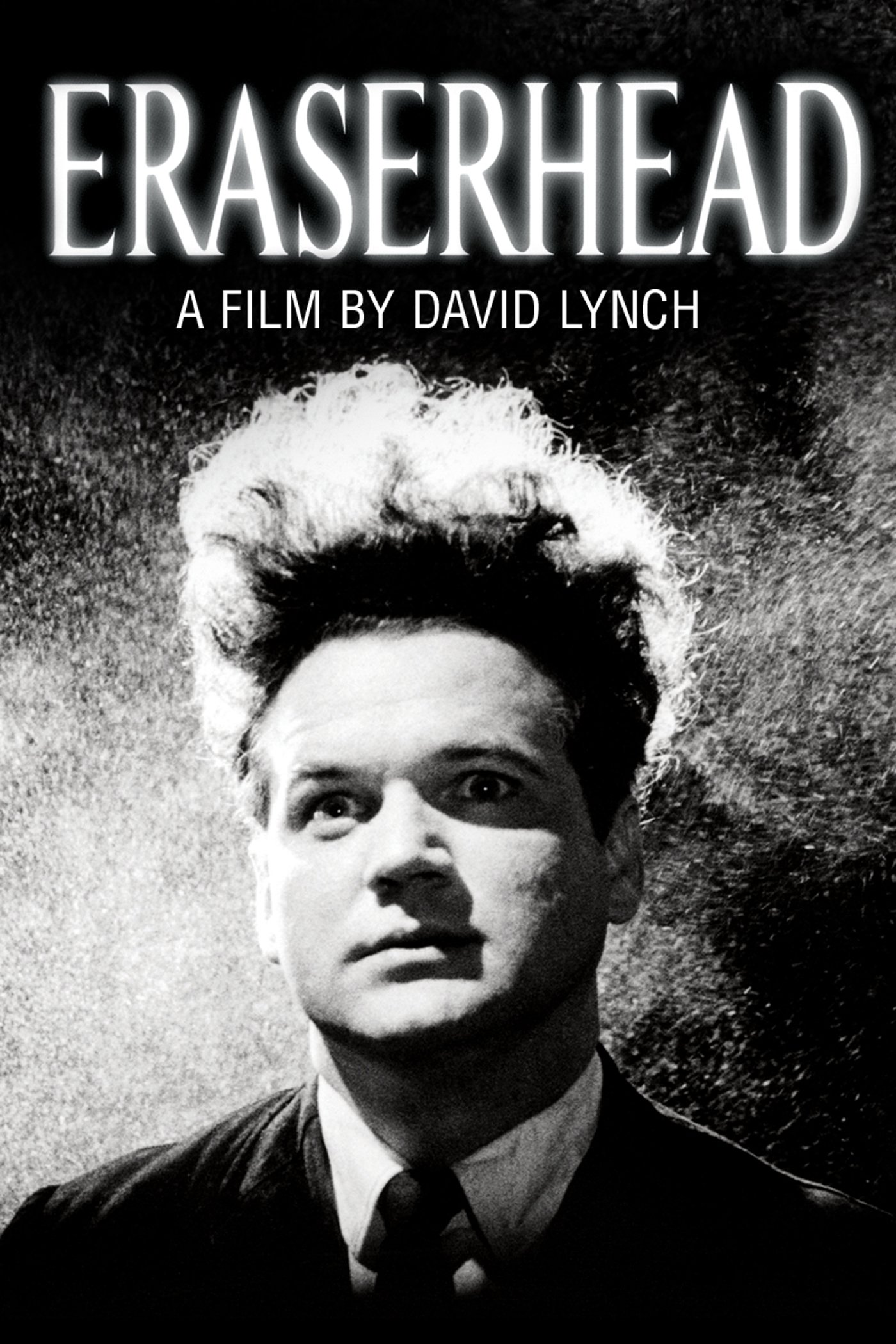
In “Eraserhead,” the performances transcend conventional expectations, serving as a haunting reflection of the film’s surreal narrative. Jack Nance’s portrayal of Henry Spencer is particularly striking; his wide-eyed bewilderment renders a character who is both sympathetic and deeply troubled. Nance embodies the essence of dread—his physicality oscillates between a paralyzed anxiety and a desperate search for solace. His understated expressiveness amplifies the film’s oppressive atmosphere, often leaving audiences questioning whether his terror is rooted in the external world or his internal psyche.
Supporting characters such as Mary and the Lady in the Radiator are equally compelling. Charlotte Stewart and the unearthly performance by Judith Anna Roberts create figures that linger in the viewer’s mind long after the credits roll. Stewart’s Mary is a tense presence, embodying the fragility of Henry’s reality, while Roberts’s uncanny, almost ethereal qualities imbue the Lady in the Radiator with a nightmarish charm. This balance of eccentricity and authenticity enhances the unsettling experience, as it becomes difficult to discern where the performance ends and the bizarre world of Lynch begins.
How characters support the film’s atmosphere
Each character in “Eraserhead” plays a pivotal role in sustaining the film’s immersive dread. The interactions between Henry and his environment often blur the lines between reality and hallucination, contributing profoundly to the film’s unsettling tone. Characters like the grotesque Man in the Planet further emphasize existential anxieties, serving symbolic roles that extend beyond mere narrative mechanics. Their presence amplifies Henry’s isolation, nearly turning the film into a character study that mirrors his psychological descent.
Crucially, these performances and their emotional heft resonate with the film’s overarching themes of fear and alienation. The disjointed dialogues and erratic behaviors cocoon the audience in a shared sense of discomfort, urging them to confront the primal anxieties that forever loom in the background. In Lynch’s world, the characters are not just participants in a narrative but archetypes of dread, embodying the twisted realities of life, parenthood, and fear itself.
How does David Lynch’s direction and the film’s craft hold up?
Visual style, production design, and cinematography
David Lynch’s direction in “Eraserhead” showcases an unparalleled mastery of visual storytelling that echoes throughout its unsettling scenes. The greyscale cinematography, laden with contrasts, captures an industrial landscape filled with shadow and decay. It’s a world that feels both familiar and utterly alien, echoing the film’s thematic preoccupations with anxiety and distortion. The jagged edges of the set design contribute to a space that is claustrophobic, pressing in on Henry as he navigates his surreal existence.
Moreover, Lynch’s careful attention to visual detail creates a series of striking, often jarring images that linger long after watching. The production design ranges from disquieting domestic scenes—marked by flickering lights and disarray—to eerie marketplaces that evoke an almost dystopian reality. Each frame is a carefully constructed tableau, suggesting meanings that extend beyond the visual, inviting viewers into a dreamlike interpretation of their own.
Sound design and editing: how they shape the experience
In “Eraserhead,” sound design operates as a pervasive character in its own right, melding seamlessly with the visual elements to enhance the immersive experience. Lynch’s deliberate use of ambient noises—mechanical hums, unsettling whispers, and the jarring clatter of machinery—contributes layers to the overall atmosphere, generating a pervasive sense of dread. The soundscapes envelop the audience, creating a tactile experience that feels viscerally unsettling.
The editing style is equally significant, characterized by abrupt cuts and lingering pauses that echo the film’s tumultuous emotional landscape. These choices not only disrupt the flow of traditional storytelling but also amplify the feeling of disorientation. Silence and cacophony coexist in a manner that heightens tension, making every sound (or lack thereof) meaningful. Lynch’s adept manipulation of sound and editing cements “Eraserhead” as a testament to the power of auditory and visual synthesis in evoking complex emotional responses.
What are the biggest strengths?
Elements that make the film memorable
“Eraserhead” is indelibly memorable for its capacity to navigate unfathomable psychological depths through a highly stylized and abstract narrative. Its dedication to creating a visceral response prioritizes mood over narrative coherence, leading to a unique cinematic footprint. Viewers don’t merely watch; they experience a labyrinth of anxieties and fears, confronting their interpretations of existence itself. This atmosphere of disquiet, captured through surreal imagery and haunting sounds, resonates with audiences on a fundamental level, ensuring its continued relevancy in discussions of avant-garde cinema.
The film’s disorienting qualities are magnified by its pivotal themes—fear of parenthood, existential dread, and the grotesque aspects of human life. Lynch’s ability to craft an immersive experience enables the film to transcend personal narratives, resonating with broader social anxieties. “Eraserhead” serves as a mirror reflecting the darker aspects of the human psyche, an achievement that solidifies its place in the canon of cult classics.
Standout scenes and technical achievements
Among the many standout scenes, the chilling moment where the Lady in the Radiator sings her haunting lullaby encapsulates the film’s surrealism perfectly. Her incandescent smile juxtaposed against the desolation of Henry’s world creates a jarring yet captivating moment. It’s not just a performance; it’s a culmination of themes—hope, despair, and the grotesque convergence of existence.
From a technical perspective, the film’s craft is an achievement in itself. The use of practical effects, such as the disturbing imagery of the “baby,” leverages tangible aspects of horror, reinforcing the film’s nightmarish quality without reliance on modern digital effects. The mastery of practical effects combined with Lynch’s visionary direction creates a unique visual language that is both grotesque and mesmerizing, marking “Eraserhead” as a cornerstone of experimental cinema. This synergy of technical prowess and artistic vision invites viewers to not just watch but to feel the disquieting undercurrents that ripple beneath the surface.
What are the main weaknesses?
What might frustrate or confuse mainstream viewers
Mainstream audiences seeking conventional storytelling will likely find “Eraserhead” deeply perplexing. The film’s abstract narrative defies typical dramatic arcs, opting instead for a series of disconnected, often surreal vignettes that resist tidy explanations. This sense of ambiguity can alienate those accustomed to a clear cause-and-effect progression, leaving viewers grappling with unanswered questions and an overall feeling of disorientation. Lynch’s deliberate choice to eschew straightforward dialogue in favor of disjointed conversations and haunting imagery can feel frustrating, as the action might often seem nonsensical or arbitrary.
Moreover, the jarring tonal shifts can add to the confusion. The transitions between nightmarish scenarios and moments of dark humor create a thematic landscape that feels both unsettling and arbitrary. Audiences not willing to engage with the film on an intellectual or emotional level may find themselves lost in layers of symbolism without sufficient narrative grounding to anchor their experience. This discrepancy in viewer expectation and the film’s avant-garde ambitions poses a fundamental challenge in bridging the gap between Lynch’s vision and mainstream accessibility.
Limits in narrative clarity and accessibility
The overall narrative clarity in “Eraserhead” is both its allure and its Achilles’ heel. While the film explores profound themes such as anxiety, fatherhood, and existential dread, its lack of clear exposition often leads to a diluted emotional impact. Viewers may sense the film’s thematic richness, yet the abstraction can lead to interpretations that feel unmoored from the emotional undercurrents Lynch aims to convey. The frequent reliance on unsettling imagery may evoke visceral reactions, but without clearer narrative threads, these moments risk falling flat for those looking for a coherent message.
Additionally, the film’s deliberately slow pacing, paired with its austere black-and-white visual style, does not lend itself easily to immediate engagement. This aesthetic choice, while thematically pertinent, can alienate viewers who prefer a more dynamic or visually stimulating experience. The decision to immerse audiences in a disconcerting industrial landscape facilitates an intense exploration of psychological themes, yet the resulting opacity may ultimately inhibit broader appeal, rendering it a challenging watch for anyone not predisposed to the demands of avant-garde cinema.
Who is this really for?
Ideal viewers and mood for watching
“Eraserhead” is ideally suited for cinephiles who relish experimentation in film and are unafraid to confront the disquieting aspects of human experience. This is a viewing experience best approached with an open mind, a willingness to engage with the surreal, and an appreciation for the non-linear and the abstract. Viewers who enjoy directors like Andrei Tarkovsky or Luis Buñuel, known for their exploration of existential themes through avant-garde aesthetics, will likely find resonance in Lynch’s work.
The ideal mood for watching “Eraserhead” is one of quiet introspection, allowing the film’s eerie imagery and haunting soundscapes to envelop the viewer. Those settled comfortably in their willingness to delve into their own anxieties and fears will come away with a deeply personal experience, as the film invites introspective reflection on themes that linger long after viewing.
Who should probably skip it
Conversely, those favoring the conventional structure of mainstream cinema should consider skipping “Eraserhead.” If your preference lies with anything resembling a clear plot, relatable characters, or a comforting resolution, the film’s abstract, nightmarish quality will likely prove unsatisfying. Viewers who thrive on clarity and resolution will find the work challenging to navigate, with poorly defined character arcs and surreal imagery presenting frustrating barriers to emotional connection.
Casual moviegoers looking for an entertaining night out or anything resembling light entertainment should probably steer clear. The film’s immersive dread and deliberate pacing might come off as drudgery rather than a thought-provoking encounter—the very opposite of what many seek in their cinematic experiences. While it holds a place of esteem in the pantheon of cult classics, it’s not for everyone and certainly not for those who seek comfort in cinematic familiarity.
Is Eraserhead worth watching or rewatching?
Verdict for first-time viewers
For first-time viewers, “Eraserhead” poses a paradoxical allure that can’t be easily dismissed. It’s undeniably a challenging film that demands active engagement and interpretative effort. However, it’s important to approach it with due caution, as the emotional gravity and psychological unease delivered through Lynch’s unique lens may evoke strong reactions. Those ready to confront their unsettling fears may find the experience breathtakingly rewarding, opening doors to rich thematic explorations that linger long after the credits roll.
Yet, if you’re in search of straightforward storytelling or a conventional cinematic journey, it may prove off-putting. The haunting, abstract nature of the work isn’t easily digestible and can leave viewers frustrated, struggling to extract coherent meaning from the disquieting imagery and sounds. In either case, “Eraserhead” is an experience that undeniably solidifies its cultural currency, making it worth viewing—albeit with the caveat of knowing what you’re signing up for.
Rewatch value and what changes on repeat viewings
“Eraserhead” possesses significant rewatch value for those who appreciate its complexity and wish to immerse themselves deeper into its thematic layers. Each viewing can unearth new interpretations and insights, as the surreal quality of the narrative reveals more about one’s own fears and anxieties with each pass. The first-watch experience is often clouded by confusion, but returning to Lynch’s nightmarish landscape can transform initial bewilderment into a more profound understanding of the film’s emotional depths.
On repeat viewings, the visceral impact of certain scenes may wane, replaced instead by an appreciation for the craftsmanship behind the film’s meticulously crafted surrealism. As familiar symbols take on new meanings, viewers might find themselves understanding Lynch’s existential commentary more profoundly. The film’s haunting visual motifs become almost meditative upon revisiting, allowing for a richer exploration of its thematic concerns. In this way, “Eraserhead” evolves with its audience, rewarding those willing to step back into its bizarre world time and time again.
Content warnings and viewing tips
Specific scenes and themes to be prepared for
“Eraserhead” is steeped in unsettling imagery and themes that may disorient or distress viewers. Its exploration of parenthood is not only surreal but deeply grotesque, presenting harrowing visuals such as the disfigured “baby” that serves as a haunting metaphor for anxiety and responsibility. This central image reflects not only Henry’s fears but also the grotesque realities obscured by societal expectations surrounding fatherhood.
The film’s industrial soundscape can provoke visceral discomfort, filled with mechanical whirrs and unsettling ambient noises that accentuate its dystopian atmosphere. Expect to encounter some distressing scenes, like the jarring moments of surreal body horror or the haunting interactions between Henry and his colleagues. There’s a pervasive sense of dread that permeates through every frame, characterized by the stark absence of traditional narrative closure. Those sensitive to themes of existential dread, alienation, and bodily fear should proceed with caution.
Best viewing setup and mindset
To truly immerse yourself in Lynch’s nightmarish vision, an optimal viewing setup is crucial. Watching on a large screen with strong audio capabilities will enhance the film’s haunting sound design, allowing the dissonant layers of noise to envelop you. A dark, quiet environment helps one engage fully with the film’s unnerving aura, inviting an introspective experience that echoes the film’s suffocating atmosphere.
Approach “Eraserhead” with an open yet critically engaged mindset. It demands patience and contemplation; surrendering to its pace is essential for grasping the underlying emotional currents. Be prepared to confront discomfort and ambiguity without expecting straightforward resolutions. The film rewards those willing to navigate its complexities, reacting to its chaos rather than trying to impose order upon it. It is a challenge best met with curiosity rather than apprehension.
FAQs
Is Eraserhead a horror movie or something else?
While many label “Eraserhead” as a horror film, it transcends traditional genre conventions. Its surreal elements evoke a sense of dread and the uncanny, suggesting horror in its thematic underpinning rather than relying solely on jump scares or typical tropes. It amalgamates thoughts on fear, anxiety, and the grotesque with avant-garde artistry, creating a disorienting experience that challenges viewers to confront their own interpretations of horror. In this way, it can be seen less as a horror film in the conventional sense and more as a deep dive into existential terror.
Where can I watch Eraserhead and how long is it?
“Eraserhead” can often be found on various streaming platforms or purchased through digital rental services, allowing for easy access to Lynch’s groundbreaking work. The film has a runtime of approximately 89 minutes, which is a compact duration considering the dense visual and thematic complexities packed into each moment. Despite its relatively short length, the film feels stretched by its deliberate pacing and repetitive motifs, making for an experience that lingers far longer than its runtime might suggest.