
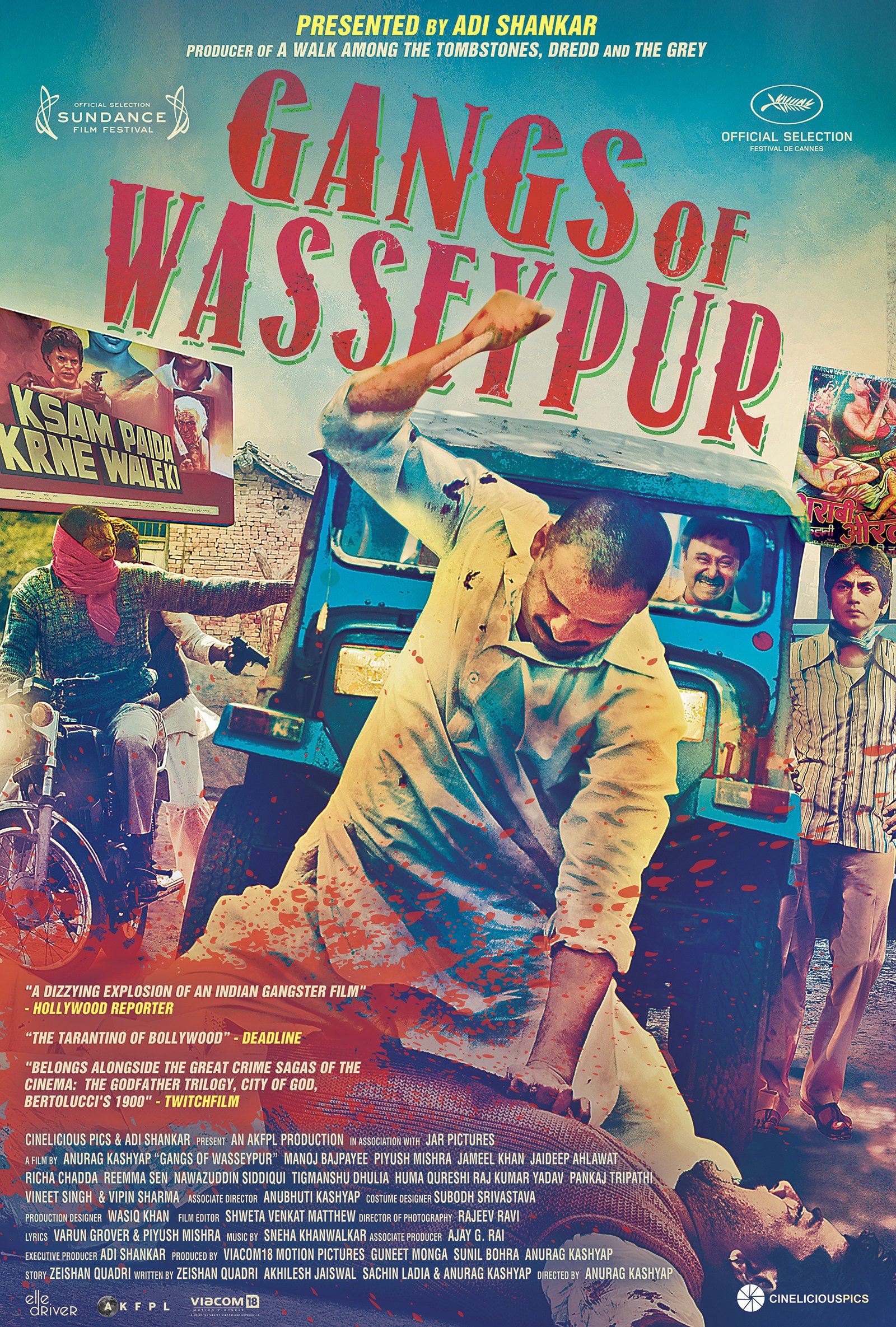
Information
TL;DR
Quick verdict — should you watch it?
If you’re a fan of intense drama infused with dark humor and biting social commentary, “Gangs of Wasseypur” is a must-see. The film’s trailer offers a gritty, unflinching glimpse into a world of vengeance, rivalry, and betrayal that is likely to stay with you long after watching.
One-sentence summary of who will love it
Fans of crime sagas and character-driven storytelling, as well as those with an appreciation for films steeped in cultural nuances and moral ambiguity, will find “Gangs of Wasseypur” incredibly rewarding.
What’s the vibe — gritty family saga, dark comedy, or both?
Tone and atmosphere you can expect
From the very first frame of the teaser, “Gangs of Wasseypur” establishes a tone that is unmistakably gritty yet laced with dark humor. The film oscillates between moments of brutal tension and sardonic wit, employing sharp dialogue that underscores the absurdity of violence in this lawless enclave. It creates a visceral atmosphere, with layered narratives that suggest an irony underlying the bloodshed—a hallmark of true cinematic storytelling. Each shot is drenched in a raw intensity that instantly pulls you into this labyrinth of familial loyalties, vendettas, and moral dilemmas.
How the setting shapes the mood
Set against the backdrop of rural India, the town of Wasseypur becomes a character in its own right. The imagery of the dusty streets, dilapidated houses, and bustling yet oppressive marketplaces amplifies the film’s themes of survival and corruption. The physical environment—where each alley whispers secrets of the past—mirrors the turbulent lives of its inhabitants. The cinematography captures both the beauty and brutality of this world, letting the audience feel the weight of history that acts as a precursor for the violent clashes to come. It’s not just a place; it’s a mindset, and the setting deeply informs the emotional and social conflicts that run rampant among its characters.
What’s the setup? (No spoilers)
The basic premise in one line
“Gangs of Wasseypur” chronicles the relentless feud between rival crime families, revealing how entrenched loyalties lead to cycles of violence that challenge notions of honor and justice.
How big the story feels — time, scope, stakes
This isn’t just a local feud; the narrative spans decades, highlighting the generational impact of violence and power struggles. The stakes are profoundly personal yet intrinsically tied to larger socio-economic issues, making it feel monumental. As families grapple with blood debts and revenge, the viewer is invited into an expansive world where every decision ripples through time, affecting countless lives. Ultimately, the story feels like a microcosm of larger societal conflicts, with each character’s arc meticulously crafted to reflect the weight of their choices. In doing so, it delves into the fabric of Indian society, thereby elevating the stakes from personal vendetta to a broader philosophical exploration of morality and justice.
In conclusion, “Gangs of Wasseypur” is shaping up to be more than just a film about gang wars; it’s poised to be an exploration of humanity itself, rich with dark humor and biting insights into familial and social dynamics. As you soak in the complex themes through the teaser, you can’t help but anticipate the layers that will unfold when the film finally hits theaters.
Does the story and pacing hold up over its runtime?
How the multi-part structure affects momentum
“Gangs of Wasseypur” is a sprawling narrative that unfolds like a tapestry, interwoven with rich character arcs and layered conflicts. Its multi-part structure—the film is divided into two parts—creates a unique rhythm where the unfolding drama can feel both expansive and meticulously detailed. The pacing invites the audience into the gritty world of Wasseypur, allowing for nuanced exploration of its characters’ motivations and desires. However, this structure can challenge typical pacing expectations.
The film balances brisk exposition with slower, contemplative moments, reflecting the chaotic tapestry of life in Wasseypur. This ebb and flow, while invigorating, may occasionally frustrate viewers who prefer a more traditional approach to storytelling. Yet, such pacing emphasizes the long-standing feuds between rival gangs, making the emotional stakes in its climax resonate deeply.
Where it speeds up, where it lingers
In some scenes, the narrative accelerates, particularly during moments of conflict or revelation. The high-tension sequences—marked by violence and betrayal—are crafted to keep viewers on the edge of their seats. Conversely, it often lingers in quieter moments, concentrating on interpersonal relationships, familial bonds, and the socio-political nuances that underpin the story.
These deliberate pauses don’t just add depth; they bring organic authenticity to the film, mirroring the real-life complexities of loyalty and vengeance. When it takes its time to delve into character backgrounds, these choices enrich the storytelling tapestry, offering more than just a linear progression of events. The gold standard of pacing in “Gangs of Wasseypur” lies in its ability to resonate emotionally, making the passage of time feel significant rather than arbitrary.
Do the performances make Gangs of Wasseypur sing?
Key leads and why they matter
At the heart of “Gangs of Wasseypur” are powerhouse performances led by Manoj Bajpayee as Sardar Khan and Nawazuddin Siddiqui as Faizal Khan. Bajpayee’s Sardar embodies the burning fire of ambition and revenge, with each scene layered in just the right amount of intensity and vulnerability. His transformation throughout the narrative is palpable, drawing the audience to feel his losses and triumphs as if they were their own.
Nawazuddin’s portrayal of Faizal offers a stark contrast—his journey from a reluctant bystander to a central figure in the family’s legacy is deftly executed. If Bajpayee’s performance resonates with ferocity, Siddiqui’s is imbued with a quiet power that gradually builds into something explosive. Together, their chemistry is electric and serves as the backbone of this intergenerational saga.
Supporting actors and unexpected standouts
The supporting cast in “Gangs of Wasseypur” is every bit as compelling. Pankaj Tripathi as the cunning, often comic, gangster is a scene-stealer, providing moments of levity amid the pervasive darkness. His performance illustrates how the film balances humor with its heavier themes.
Then there’s Richa Chadda, who portrays Nagma Khatoon, adding complexity to the female perspective within this male-dominated narrative. Her strength and agency challenge typical portrayals of women in gangster dramas, making her character not just a support role but a formidable presence. The ensemble as a whole adds layers to the story, transforming “Gangs of Wasseypur” into a multi-faceted exploration of power, ambition, and survival.
What works — the stuff that sticks with you
Dialogue, local color, and world-building
One of the film’s greatest strengths lies in its dialogue, which crackles with authenticity. It feels deeply rooted in the local vernacular, blending humor and poignancy effortlessly. The writing captures the salty wit and depth of character in a way that makes each quip memorable—”Bhandar pe bhed dikh raha hai” resonates not just as a narrative beat but serves to paint Wasseypur’s social landscape vividly.
Moreover, the film’s world-building immerses the viewer in the gritty, bustling life of the town. The attention to detail—from the fervor of political showdowns to the aroma of local cuisine—creates a living, breathing entity that stands as a character in itself.
Balance of humor, violence, and tragedy
The tonal balance of “Gangs of Wasseypur” is both fascinating and daring. The insertions of dark humor amid violence provide not only a reprieve from the grim atmosphere but also a critical lens through which to view the absurdity of the gang wars. The film does not shy away from showcasing brutality, but it injects levity into these moments, leading to a thought-provoking irony about the nature of violence and its repercussions.
Further, the tragic elements are poignantly woven throughout characters’ journeys, ensuring that each act of violence reverberates emotionally rather than becoming mere spectacle. This is a film that contemplates the cyclical nature of revenge—a theme that haunts each character and ultimately reflects the turmoil of human experience itself.
Small details that give the film texture
In “Gangs of Wasseypur,” small details matter. From the rich color palette to the evocative sound design, every element enhances the viewer’s experience. The sounds of the bazaar, the distant echoes of gunfire, and the layered music score lend an atmospheric quality that envelops you in the story.
These tiny, almost incidental moments—the shared glances, the flicker of a light—add a subtlety that complements the grandiosity of the narrative. They remind us that behind each gang rivalry is a human story, full of love and loss. Such elements transform the film from mere entertainment into a rich, textured reflection of life and its inherent chaos.
In closing, “Gangs of Wasseypur” is not merely a depiction of gang warfare; it’s a reflection on the nature of power, familial ties, and the haunting quality of vengeance. It oscillates between moments of uproarious humor and grave tragedy, delivering a cinematic experience that resonates long after the credits roll. This film makes a compelling statement: in the battles of life, it’s the scars we carry, rather than the victories we achieve, that truly define us.
What might put some viewers off?
Violence, bleakness, and moral ambiguity
It’s hard to ignore the visceral nature of Gangs of Wasseypur, especially for viewers unaccustomed to its brand of unflinching realism. The film doesn’t shy away from brutality, which some may find excessive or gratuitous. This is not merely violence for shock value; it’s woven into the very fabric of the story, a reflection of a society rife with conflict. Still, this approach can be polarizing.
The bleakness permeates the narrative, painting a grim picture of the world the characters inhabit. There’s a prevailing sense of hopelessness, making it challenging for some viewers to find emotional entry points into the story. The moral ambiguity of its characters further complicates the viewing experience. Who’s truly a hero here? With shifting loyalties and an exploration of vendettas, viewers might leave feeling uneasy, questioning their relationship to the characters they’ve invested in.
Length, cast overload, and moments of repetition
At nearly five hours, the film’s length can become a daunting challenge. While the epic scale allows for deep character development, not every moment maintains the same captivating energy. The narrative sometimes lingers, leading to a feeling of redundancy. Views may find themselves yearning for tighter pacing, particularly during sequences that could have been streamlined.
With a sprawling cast of characters, Gangs of Wasseypur risks overwhelming viewers. Each character introduces a new subplot, which can feel like a double-edged sword. Some arcs dazzle, while others might get lost in the shuffle, leading to confusion about who’s essential to the narrative. A viewer may find themselves grappling with the considerable depth and breadth of the film, which can detract from the overall impact of specific storylines.
How does it look and sound?
Cinematography and production design highlights
Visually, Gangs of Wasseypur is a masterclass in blending gritty realism with stylized cinematography. The camera work plunges viewers into the rawness of its setting – the dense streets and sprawling landscapes of India – making the environment almost a character in itself. Every frame is packed with a sense of place, rich in texture and cultural symbolism.
Production design plays a crucial role in immersing the audience in the film’s era and its socio-economic backdrop. Each location, from the dingy back alleys to bustling marketplaces, serves to enhance the narrative’s authenticity. Detail is paramount; the props, costumes, and even the color palette evoke a profound sense of time and atmosphere, allowing viewers to fully absorb the world the film depicts.
Score, songs, and the film’s sound identity
The sound design enriches this emotional landscape, with a score that harmonizes with the film’s chaotic narrative. Composed by Sneha Khanwalkar, the soundtrack marries traditional instrumentation with contemporary beats, resulting in a unique sound identity that resonates with the story’s themes.
Songs punctuate critical moments, occasionally breaking the tension to highlight the film’s cultural vibrancy. These pieces effortlessly weave in and out of the narrative, keeping the audience engaged and grounding them in the film’s rich socio-cultural history. The eclectic mix of genres helps to underscore the film’s emotional stakes, while creating an auditory backdrop that lingers long after viewing.
Standout moments (no spoilers)
Sequences that are likely to stick in your head
Among the myriad powerful sequences, there are a few standout moments that resonate deeply. The climactic confrontations burst forth with a raw energy that captures the audience’s breath. The film expertly juxtaposes intimate familial conflicts against the backdrop of gang warfare, leading to emotionally charged encounters that will linger in memory.
One particular scene establishes a haunting visual metaphor for revenge, striking a balance between beauty and horror. These unforgettable clashes showcase the film’s boldness, making them hallmark moments fans will discuss long after leaving the theater.
Quiet scenes that unexpectedly land
In stark contrast to its explosive moments, certain quiet scenes reveal the film’s emotional core. These understated interactions—charged with tension and unspoken dialogue—offer a glimpse into the characters’ inner lives. Rather than relying solely on dialogue, these instances are often filled with silence, underscoring the weight of their choices and the toll of their conflicts.
These quieter segments, often tinged with vulnerability, capture the complexities of family ties and loyalty, presenting an emotional depth that complements the narrative’s broader themes of violence and revenge. It’s in these moments that Gangs of Wasseypur demonstrates its multifaceted storytelling, skillfully balancing brutality with human emotion.
By acknowledging what might deter viewers while also highlighting its rich cinematography, sound design, and standout moments, it’s clear Gangs of Wasseypur stands at an intersection of artistry and raw power. With a unique voice that differentiates it from prior entries in the genre, it leaves audiences with more than just entertainment. It raises questions, evokes strong reactions, and ultimately challenges its viewers to engage with its themes on a deeper level.
Who is this for — and is it worth rewatching?
Types of viewers who’ll get the most out of it
“Gangs of Wasseypur” resonates profoundly with cinephiles who appreciate rich narratives stitched together with cultural nuances. This film isn’t just a crime saga; it’s a tapestry of socio-economic struggles, family loyalty, and moral ambiguity, positioned against the backdrop of Indian politics. Fans of gritty cinema akin to “The Godfather” or “City of God” will find themselves captivated by the film’s character depth and intricate plotting.
Additionally, viewers who favor ensemble casts and layered storytelling will discover ample layers to peel back. The film’s masterful blending of humor and tragedy, alongside its ruthless portrayal of revenge and betrayal, appeals profoundly to those who enjoy a rollercoaster of emotions. Fans of Indian cinema’s new wave will resonate with its eclectic style, and those interested in historical narratives will appreciate its grounding in real conflicts that shaped the region.
Replay value and when a rewatch makes sense
The replay value of “Gangs of Wasseypur” is exceptionally high, thanks to its rich dialogue and compelling character arcs that unveil new depths upon repeat viewings. On first watch, the film’s frenetic pace may sweep viewers into its elaborate plot, but subsequent viewings allow audiences to savor its layered storytelling. Each character’s motivations become clearer, and the subtleties in the cinematography reveal deeper meanings.
A rewatch is particularly worthwhile after one engages with analysis, fan theories, or discussions surrounding its cultural impact. Knowing the plot twists and key character arcs can lead to a fresh appreciation of the film’s thematic depth. Timing your rewatch after community discussions—whether on platforms like Reddit or during film clubs—can enhance your understanding and enjoyment. Not to mention, it’s the kind of film that invites a second viewing simply to relish the brilliance of its performances and storytelling craft.
FAQs
Where can I watch Gangs of Wasseypur (OTT)?
“Gangs of Wasseypur” can typically be accessed on major streaming platforms like Netflix and Amazon Prime Video, depending on your region. It’s wise to check local listings as availability can vary widely across territories. This accessibility reinforces its status as a modern classic that can reach new audiences across the globe.
Is Gangs of Wasseypur 3 happening?
As of now, a third installment has not been officially announced. However, fan speculation continues to swirl, driven by the cliffhanger endings of the first two films and the immense popularity of the franchise. The potential for “Gangs of Wasseypur 3” hinges on both critical acclaim and audience demand, making it an open question worth keeping an eye on.
Who directed and wrote Gangs of Wasseypur?
The visionary director and writer of “Gangs of Wasseypur” is Anurag Kashyap. Renowned for his distinctive storytelling style, Kashyap crafted this film as part of a two-part saga that not only explores the fabric of crime but also delves into the lives of its characters with a level of intimacy rarely seen in mainstream cinema.
Who’s in the main cast?
The film boasts an incredible ensemble cast featuring the likes of Manoj Bajpayee as Sardar Khan, Nawazuddin Siddiqui as Faizal Khan, and Richa Chadda as Nagma Khatoon. Each actor contributes a unique flavor to the film, creating a symphony of performances that make the characters unforgettable. Supporting roles filled by actors like Pankaj Tripathi add depth, ensuring every viewer finds a character to connect with emotionally.
What was the budget and how did it perform?
“Gangs of Wasseypur” had a budget of approximately INR 18 crores (around $2.5 million), a modest investment considering the ambitious scope of the story. Upon release, it was met with critical acclaim and gradually achieved significant box office success, earning over INR 40 crores worldwide. Its impact extended beyond mere numbers, establishing a cult following and redefining expectations for Indian cinema, especially within the crime genre.
What do viewers say on Reddit or in major reviews like the NYT?
Viewer reactions on platforms like Reddit are overwhelmingly positive, highlighting the film’s gripping storytelling, strong character development, and cultural significance. Fans are captivated by the soundtrack composed by Sneha Khanwalkar and the way it seamlessly intertwines with the narrative. Major reviews, including those from The New York Times, laud the film for its ambitious scope and Kashyap’s fearless direction. Critics emphasize its ability to intertwine social commentary with engaging drama, solidifying its place as a landmark in Indian cinema. The nuanced discussions surrounding character arcs and moral dilemmas continue to spark debate, illustrating the film’s lasting impact on audiences and its significance in contemporary film discourse.