
Information
tl;dr
Quick verdict
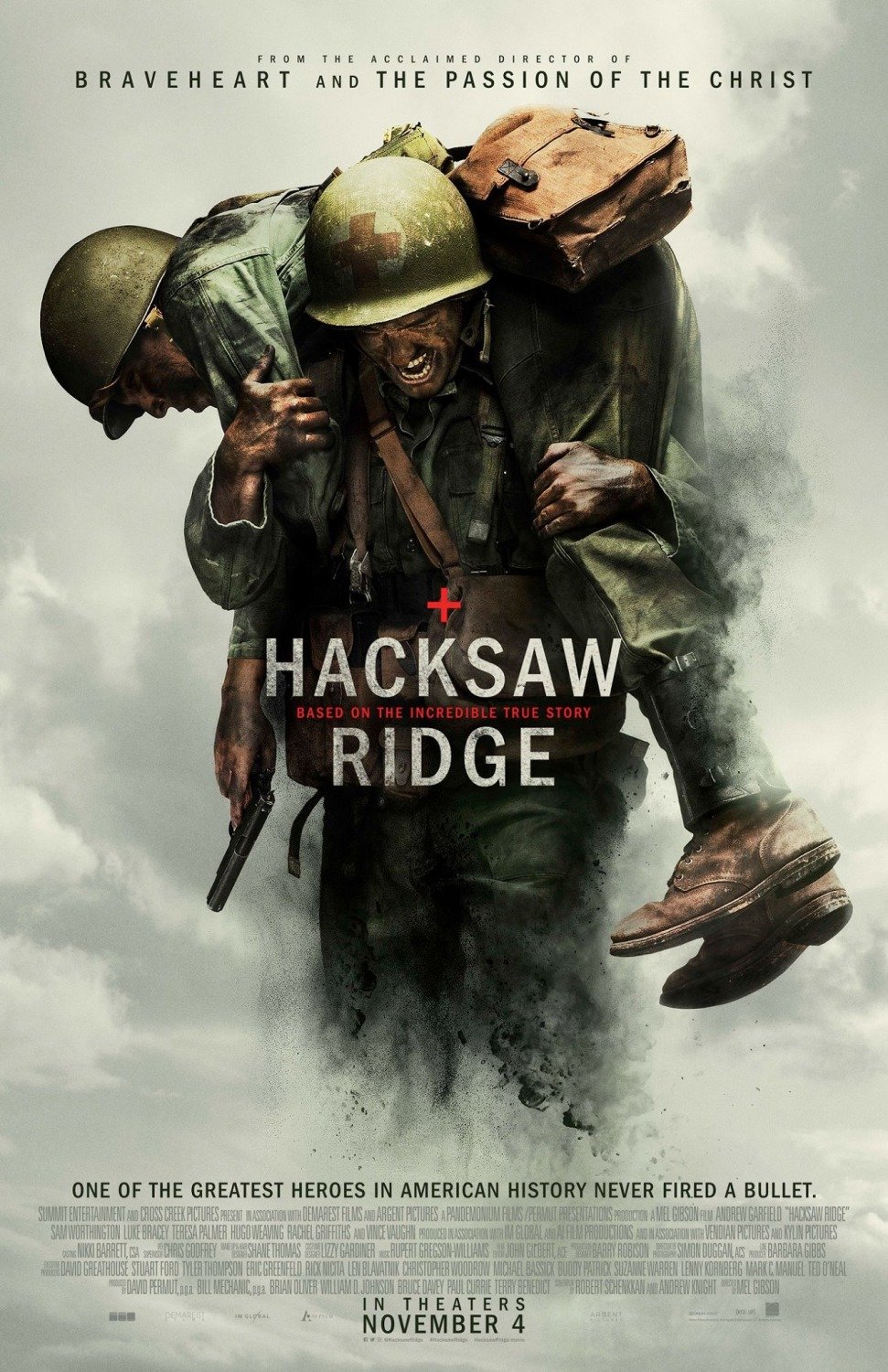
“Hacksaw Ridge” is a brutal exploration of faith and courage in the face of war, driven by Andrew Garfield’s deeply felt performance and Mel Gibson’s potent direction. The film strikingly marries graphic battle realism with themes of personal conviction, yet can feel uneven in its pacing and emotional tonality. It resonates with those craving a thoughtful war narrative, though its graphic violence may alienate some viewers.
Who will like it and who should skip it
Fans of character-driven war dramas, particularly those who appreciate films that tackle moral dilemmas, will find much to engage with. Viewers interested in stories about conviction and resilience may also connect with its message. Conversely, audiences uncomfortable with extreme depictions of violence or those seeking a more traditional war film might want to steer clear. This isn’t a conventional feel-good story; it demands both emotional investment and a tolerance for brutality.
Is Hacksaw Ridge worth watching now?
Why it still matters nearly a decade later
Nearly a decade after its release, “Hacksaw Ridge” remains significant for its exploration of pacifism amid militarism and its portrayal of faith as a source of strength. The film’s religious undertones resonate in today’s discussions about individual beliefs clashing with societal demands, making it a rich text for reflection on spiritual resilience in dire circumstances. It also serves as a reminder of the sacrifices made by individuals during wartime, contributing to an ongoing discourse on the morality of war and personal conviction.
When to seek it out (theaters, streaming, mood)
It’s well worth seeking out during moments of introspection or contemplation about belief and sacrifice. For those who appreciate visual storytelling, the immersive experience is enhanced on a larger screen, making it ideal for theater viewings if available. However, it also finds a fitting home on streaming platforms for a more casual yet purposeful watch. Engage with it when you’re prepared to confront discomfort head-on, reflecting on the lengths to which one might go for their beliefs.
Does the story and pacing hold up?
How the character setup and backstory land
The film’s character setup, particularly Desmond Doss’s unconventional role as a conscientious objector, is notably effective. The early segments provide a solid foundation for understanding Doss’s convictions, bolstered by Garfield’s earnest portrayal. However, while the backstory establishes emotional stakes, the balance between exposition and action falters at times. Some character arcs are compelling, while others feel rushed, potentially leaving viewers wanting more depth to fully invest in the ensemble cast’s journeys.
How the lengthy battle sequences affect momentum
The battle sequences in “Hacksaw Ridge” serve as both a narrative climax and a test of endurance for viewers. Gibson’s direction crafts these moments with unflinching detail, capturing the chaos and horror of war. However, the sheer length and intensity of these scenes risk destabilizing the emotional tension built earlier. While they successfully illustrate Doss’s heroism, they can also create a jarring shift in pacing that may deter some viewers from fully engaging with the emotional core of the story. This tension between visceral spectacle and character-driven narrative is both the film’s strength and its potential downfall.
Are the performances and characters convincing?
Andrew Garfield and the emotional core
Andrew Garfield’s portrayal of Desmond Doss serves as the film’s emotional backbone, infusing the character with a palpable sincerity that resonates deeply. His ability to capture Doss’s unwavering faith and moral conviction allows viewers to empathize with his plight amidst the chaos of war. Garfield’s performance is far from one-dimensional; he oscillates between vulnerability and resolve, particularly evident in moments where Doss stands firm against both external conflict and internal doubt. Yet, it’s not just the character’s bravado that impresses; Garfield’s subtler moments—his quiet contemplation and moments of distress—flesh out a complex psyche torn between duty and conscience. This nuanced performance elevates the narrative’s exploration of faith and sacrifice, compelling audiences to grapple with their own beliefs in the face of opposition.
Supporting cast and how well characters are drawn
While Garfield anchors the film, the supporting cast brings a rich tapestry of perspectives that enhance the narrative’s emotional depth. However, not all characters are equally developed. Some, like Doss’s commanding officer portrayed by Sam Worthington, exhibit strong arcs that give weight to the moral quandaries presented. Others, such as certain fellow soldiers, feel less fleshed out, serving more as archetypes than fully realized individuals. This unevenness can detract from moments that might otherwise hold significant emotional punch. By focusing intensely on Doss, the film risks sidelining broader themes of camaraderie and collective struggle, leading to a somewhat fragmented understanding of the war’s impact on those around him. The result is a cast that admirably supports the lead but occasionally falters in delivering their individual stories, leaving the audience craving deeper connections with these characters.
How is the direction and overall execution?
Mel Gibson’s approach to tone and violence
Mel Gibson’s directorial style in “Hacksaw Ridge” is both visceral and contemplative, creating a jarring juxtaposition between brutal realism and introspective moments. The battle sequences are unflinchingly graphic, immersing viewers in the hellish landscape of war. Gibson’s decision to depict violence with such intensity underscores the film’s exploration of the human condition—he showcases the horrific consequences of conflict while embedding Doss’s pacifism within that chaos. However, the relentless nature of the violence can pivot the tone precariously, potentially alienating viewers unprepared for the stark brutality. It’s as if Gibson is inviting the audience to witness not just the horrors of war but the personal convictions that thrive amid such adversity. This bold approach pays dividends in emotional resonance, even as it risks overwhelming the story’s quieter, more reflective moments.
Production values: cinematography, sound, and score
On a technical level, “Hacksaw Ridge” is a tour de force. The cinematography by Simon Duggan brilliantly captures the film’s emotional and physical landscapes, with sweeping battlefield shots and intimate close-ups that draw viewers into Doss’s internal struggles. Sound design plays a crucial role too, with the cacophony of battle juxtaposed against haunting silences that amplify the weight of Doss’s decisions. The score, composed by Rupert Gregson-Williams, enhances both emotional peaks and valleys, reinforcing the film’s central tension between faith and fear. At times, however, the music can veer into melodrama, overshadowing the raw emotional beats that Garfield and his co-stars present. Overall, the production values serve not just to showcase the film’s themes but to immerse the viewer in a narrative that is visually mesmerizing yet deeply unsettling.
How faithful is Hacksaw Ridge to the true story?
Big-picture accuracy and notable dramatizations
In terms of historical fidelity, “Hacksaw Ridge” takes liberties, yet it manages to capture the essence of Desmond Doss’s extraordinary story. The film emphasizes Doss’s commitment as a conscientious objector and his heroics during the Battle of Okinawa with a focus on his moral fortitude. Notably, the rendering of specific events, especially his miraculous rescues under fire, draws upon both historical accounts and dramatization, enhancing the cinematic tension. However, the film glosses over some complexities of Doss’s beliefs, reducing a profound journey of faith to a more digestible narrative arc. This raises questions about how much artistic license is acceptable when grappling with real-life events, especially when a story underscores a man’s unwavering principles in a war-soaked environment.
Does historical accuracy change the film’s impact?
The blend of fact and fiction invites scrutiny regarding the film’s overall impact. While some may argue that deviations dilute the historically rich narrative of Doss’s life, others see the dramatizations as a means to spotlight the moral dilemmas he faced. By framing his story through a lens of cinematic spectacle, the film engages viewers on a visceral level, allowing them to empathize with Doss’s internal battle rather than just presenting an accurate biography. Yet this approach can lead to a superficial understanding of the broader implications of his choices. Ultimately, the film cultivates a thoughtful dialogue about faith, courage, and the moral complexities of war, even as it navigates the tricky waters of historical representation. Its ability to resonate with audiences lies not solely in its adherence to facts but in its successful evocation of the principles and challenges that define humanity amid conflict.
What are the main strengths and weaknesses?
Strengths: acting, emotional payoff, battle filmmaking
The strengths of “Hacksaw Ridge” lie primarily in its compelling performances, particularly Andrew Garfield’s portrayal of Desmond Doss. Garfield’s commitment to the role transforms Doss into a figure of moral conviction, his nuanced performance striking a balance between vulnerability and fortitude. This emotional anchoring serves as the backbone of the film, resonating deeply during moments that test Doss’s faith against brutal realities.
Moreover, the emotional payoff is significant, as the narrative meticulously builds toward its climactic battle sequences. These are not just visually captivating but also carry the weight of Doss’s convictions, dramatizing the personal stakes involved in his heroic acts. Mel Gibson masterfully juxtaposes graphic depictions of warfare with the intimate struggles of faith and integrity, enhancing the film’s emotional depth. Each battle scene becomes a crucible for Doss’s principles, illustrating how personal belief can hold firm amidst chaos.
The filmmaking itself is a standout element, with Gibson’s directional choices immersing the audience in the visceral terror of war. The cinematography vividly captures the grim realities of the battlefield, while the sound design envelops viewers in the cacophony of conflict, making for an intense viewing experience. The careful orchestration of these elements elevates “Hacksaw Ridge” beyond a simple recounting of events; it becomes a profound commentary on bravery and conviction.
Weaknesses: moments of heavy sentiment, intense violence, uneven pacing
However, the film is not without its weaknesses. At times, “Hacksaw Ridge” indulges in heavy sentiment, which can feel overdone and detract from the authenticity of its narrative. Certain emotional beats, while powerful, risk lapsing into melodrama, undermining the nuanced depiction of Doss’s struggle. This tension is particularly evident in moments meant to elicit tears that occasionally feel calculated rather than organic.
The intense violence, while effectively serving the narrative’s themes, borders on excessive. The relentless brutality of the battle sequences can alienate viewers, pulling them out of the emotional landscape the film is trying to cultivate. Gibson’s penchant for graphic realism, though visceral and impactful, may overwhelm those unprepared for such an onslaught, causing many to miss the subtler moments that breathe life into Doss’s character.
Lastly, the pacing of “Hacksaw Ridge” suffers from noticeable unevenness. While the thematic build-up is strong, the shifts from character development into frenetic battle sequences can be jarring, creating a disjointed viewing experience. This inconsistency might lead some viewers to disengage from the storyline, particularly when the emotional stakes are overshadowed by prolonged action scenes. The film’s ambition, while commendable, occasionally veers into the realm of disarray, leaving a sense of imbalance in its narrative approach.
Who is Hacksaw Ridge really for?
Viewers who will get the most out of it
“Hacksaw Ridge” is most likely to resonate with viewers who appreciate character-driven narratives that explore moral complexities and personal conviction. For those who are invested in stories that depict the human spirit’s challenges against overwhelming odds, the film’s exploration of faith and heroism will feel particularly rewarding. Audiences looking for a thoughtful war drama that delves into ethical dilemmas beyond mere heroics will find much to engage with.
Fans of intense character studies, especially in the context of wartime struggles, will appreciate the way the film grapples with Doss’s unusual stance as a conscientious objector. Additionally, those who admire visceral portrayals of historical events through personal narratives will likely connect with the film’s powerful combination of gritty realism and existential inquiry.
Viewers who should probably skip it
Conversely, “Hacksaw Ridge” may not be for viewers who prefer subtle storytelling or those averse to graphic violence. The film’s relentless depictions of war’s brutality can be overwhelming, potentially alienating viewers seeking a more traditional approach to narratives about courage. Its heavy-handed sentimentality and emotional manipulation may also turn off audiences who favor a more straightforward, less dramatized portrayal of historical events.
Additionally, those who are uncomfortable with moral ambiguity in storytelling might find the film’s exploration of faith juxtaposed with violence either confusing or unsatisfying. If a viewer is looking for a conventional war film that adheres to formulaic storytelling without delving into deeper ethical explorations, “Hacksaw Ridge” might fall short of expectations. It demands a willingness to engage with discomfort and ambiguity, which may not resonate with all audiences.
Is Hacksaw Ridge worth rewatching?
Rewatch value and what reveals itself on repeat viewings
The rewatch value of “Hacksaw Ridge” lies in its complex emotional and thematic layers, which become more pronounced during subsequent viewings. On first watch, the visceral intensity and moral stakes can overshadow the subtleties of character development and thematic resonance. However, revisiting the film allows for a deeper appreciation of Doss’s internal conflict and the nuanced portrayal of his faith amidst horror. Each viewing can reveal new insights into how personal convictions intersect with the chaos of war, enhancing the film’s exploration of heroism and sacrifice.
Furthermore, the craftsmanship behind the filmmaking becomes more apparent upon rewatching, allowing viewers to appreciate the intricacies of Gibson’s direction, the cinematography’s artistry, and the sound design’s impact on the viewing experience. This layered analysis can lead to a more profound understanding of how these elements contribute to the film’s overarching messages, making a second viewing rewarding for those willing to delve deeper into its themes.
Best viewing context (alone, with discussion, or with family)
“Hacksaw Ridge” is best viewed in a setting conducive to thoughtful reflection, ideally with a small group or a companion to facilitate discussion afterward. The film’s heavy themes and graphic content can prompt deep conversations about faith, morality, and the human experience in wartime, making it a rich text for shared viewing. Engaging with another viewer can help unpack the emotional weight and moral dilemmas presented, enhancing comprehension and appreciation of the film’s complexities.
Watching it alone also presents an opportunity for personal reflection, allowing the viewer to process the intense emotions and themes without external influence. However, it’s less suited for a family viewing environment, especially with younger audiences, given its graphic violence and mature themes. The film calls for an audience willing to engage with uncomfortable subjects, making a discussion-oriented viewing context the most rewarding way to experience Doss’s gripping story.
FAQs
Is Hacksaw Ridge historically accurate?
“Hacksaw Ridge,” while rooted in the extraordinary true story of Desmond Doss, bends the historical narrative to serve its dramatic purpose. The film effectively captures the essence of Doss’s commitment as a conscientious objector and his remarkable acts of heroism, particularly during the Battle of Okinawa. However, certain dramatizations amplify the emotional stakes, sometimes at the cost of nuanced truth. These liberties might simplify Doss’s complex belief system into a more digestible narrative arc, which can prompt discussions on the balance between historical fidelity and cinematic storytelling. The blend of fact and artistic interpretation raises questions about how best to honor real-life figures while delivering impactful drama.
How violent is the ending and is it spoiler-free to ask?
The film’s ending is undeniably violent, concluding with harrowing battle sequences that deliver a visceral portrayal of war’s brutality. This graphic intensity serves not only as a climax for Doss’s personal journey but also functions to underline the film’s overarching themes of faith amid chaos. Discussing the violence isn’t inherently a spoiler, as it’s crucial to understanding how the narrative configures Doss’s convictions against the backdrop of unrelenting horror. However, those prepared to engage with this culminating chaos should brace themselves for a profound emotional experience rather than mere shock value; it’s a stark examination of human resilience and moral courage steeped in bloodshed.
Who directed Hacksaw Ridge?
Mel Gibson directed “Hacksaw Ridge,” bringing his distinctive vision and stylistic flair to the project. Known for his capacity to evoke intense emotions and unflinchingly portray violence, Gibson’s direction shapes the film into a complex tapestry of faith, heroism, and the moral dilemmas that arise in wartime. His ability to meld historical themes with personal stories allows for a gripping exploration of Doss’s life. However, Gibson’s directorial choices also thrust viewers into the brutal realities of war, leading to discussions about the ethics of such portrayals and how they resonate in today’s cinematic landscape.
What do people say about Hacksaw Ridge on Reddit and other forums?
Online discussions surrounding “Hacksaw Ridge” reveal a spectrum of opinions that underscore its ability to provoke thought and debate. Many viewers praise Andrew Garfield’s performance and the film’s emotional resonance, highlighting the effective representation of Doss’s faith and bravery. However, critiques typically center on the level of graphic violence depicted and whether it overshadows the film’s core messages. Some viewers express unease with Gibson’s extreme portrayals, arguing they detract from the overall narrative. Overall, the discourse suggests that while the film successfully inspires conversations around faith and morality, it also polarizes audiences, reflecting broader themes of conflict in society.
How did critics rate it (Rotten Tomatoes etc.)?
Critics have recognized “Hacksaw Ridge” as a potent film, reflected in its solid performance on aggregation sites like Rotten Tomatoes, where it garners a generally favorable rating. Many praise Garfield’s portrayal and Gibson’s direction, underscoring the film’s ability to marry intense storytelling with deeper themes of conviction. Some reviews point to the film’s uneven pacing and tonal shifts, but these critiques are often viewed alongside the film’s emotional weight and visual impact. The mixed-to-positive reception highlights its ambition and the ways it challenges viewers to grapple with the complexities of heroism and moral choice during wartime.
Where can I watch the Hacksaw Ridge trailer and movie?
The trailer for “Hacksaw Ridge” can typically be found on popular platforms such as YouTube and the film’s official website, offering a glimpse into its powerful imagery and thematic undercurrents. For those interested in watching the full movie, it is available on several streaming services, though availability may vary by region. Its placement on platforms known for both rental and subscription options enables viewers to select the mode of viewing that suits their preferences. Engaging with the trailer provides a teasing introduction, but the full film presents a profound exploration of faith and courage that merits a dedicated watch.