
HBO’s reboot will broaden the story, one actor says
HBO Max’s forthcoming Harry Potter television adaptation is already being billed as a faithful take on J.K. Rowling’s books, but one of the new cast members says faithful does not mean literal. Lox Pratt, the 14-year-old actor cast as Draco Malfoy, says the series will intentionally move away from the novels’ narrow point of view to give viewers scenes and character moments that were never shown on the page.
The show is slated to debut in early 2027 and is widely expected to span seven seasons—one season per book. Pratt, who will appear throughout the run, told reporters that the creative team plans to expand the world beyond Harry’s line-of-sight, giving audiences access to locations and perspectives that the novels (and films) never fully explored.
“Beyond Harry’s shoulder”: what Pratt revealed
Pratt summarized the shift succinctly: “The books are very much over Harry’s shoulder…and that’s how they played the film as well. With this adaptation, you get to see so much more than the books. You get to see all the teachers in their little rooms. You get to see Draco at home.”
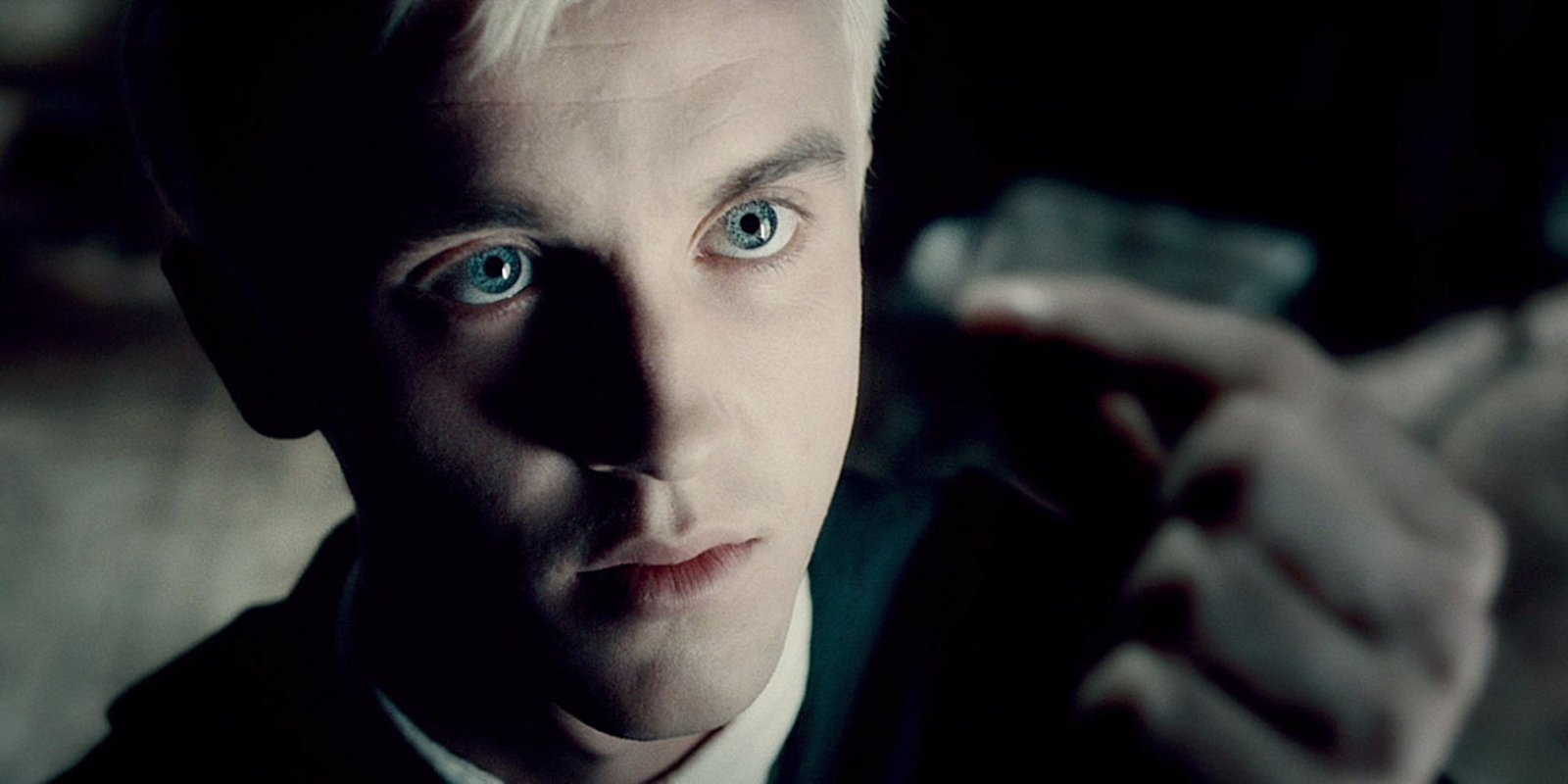
He also emphasized an effort to deepen Draco’s characterization. “In the films, Draco is sort of 2D; he is the sneery villain. I feel like there’s so much more — you need to understand why,” Pratt said, indicating the series will explore context and motivations that the movie portrayals largely left unexplored.
Why a wider perspective matters
The original Harry Potter novels are written almost entirely through Harry’s vantage point, which drives the story’s immediacy and mystery but limits insight into other characters and settings. By expanding viewpoint scenes, the series has room to:
- Flesh out secondary characters and their private lives (teachers, families, and rivals).
- Show political and social dynamics at the Ministry and within Hogwarts beyond what Harry directly witnesses.
- Offer more nuanced portrayals of antagonists like Draco Malfoy, presenting motivations and vulnerabilities that deepen their roles in the narrative.
- Make fuller use of television’s longer-form storytelling to build arcs across a season rather than condensing them into feature-length run times.
This approach could recalibrate how longtime fans experience familiar scenes and provide new entry points for viewers encountering the story for the first time.
Principal cast and creative team
The adaptation features a largely new ensemble of young leads supported by established actors in key roles. Confirmed cast and creatives include:
- Dominic McLaughlin — Harry Potter
- Arabella Stanton — Hermione Granger
- Alastair Stout — Ron Weasley
- John Lithgow — Albus Dumbledore
- Paapa Essiedu — Severus Snape
- Janet McTeer — Minerva McGonagall
- Nick Frost — Rubeus Hagrid
Weasley family: Katherine Parkinson as Molly Weasley, with Tristan Harland, Gabriel Harland, Ruari Spooner, and Gracie Cochrane appearing as Fred, George, Percy, and Ginny Weasley.
Other students and supporting cast include Rory Wilmot (Neville Longbottom), Leo Earley (Seamus Finnigan), Alessia Leoni (Parvati Patil), Sienna Moosah (Lavender Brown), and Amos Kitson (Dudley Dursley). Additional roles feature Bel Powley (Petunia Dursley), Daniel Rigby (Vernon Dursley), Bertie Carvel (Cornelius Fudge), Paul Whitehouse (Argus Filch), Luke Thallon (Quirinus Quirrell), Louise Brealey (Madam Hooch), and Leigh Gill (Griphook).
The series is led by showrunner Francisca Gardiner, with directors attached including Mark Mylod.
What to expect from the adaptation
With a season-per-book structure and a large ensemble cast, the series is positioned to take its time rebuilding Hogwarts and the wider wizarding world on screen. Viewers can likely expect:
- Extended character development for figures who were previously sidelined.
- New, original scenes set in private spaces—teachers’ rooms, family homes, and Ministry offices—that add context to canonical events.
- A potentially different emotional texture for antagonists like Draco, shaped by moments outside Harry’s immediate view.
Pratt’s comments signal a deliberate creative choice: maintain the story’s core while using television’s scope to reveal parts of the world that the original books implied but never showed directly.
Looking ahead
The Harry Potter adaptation remains one of the most closely watched TV projects, both for its pedigree and the creative risks it appears to be taking. If the production follows through on its promise to widen perspective, fans can expect a more layered retelling when the series premieres in early 2027.