
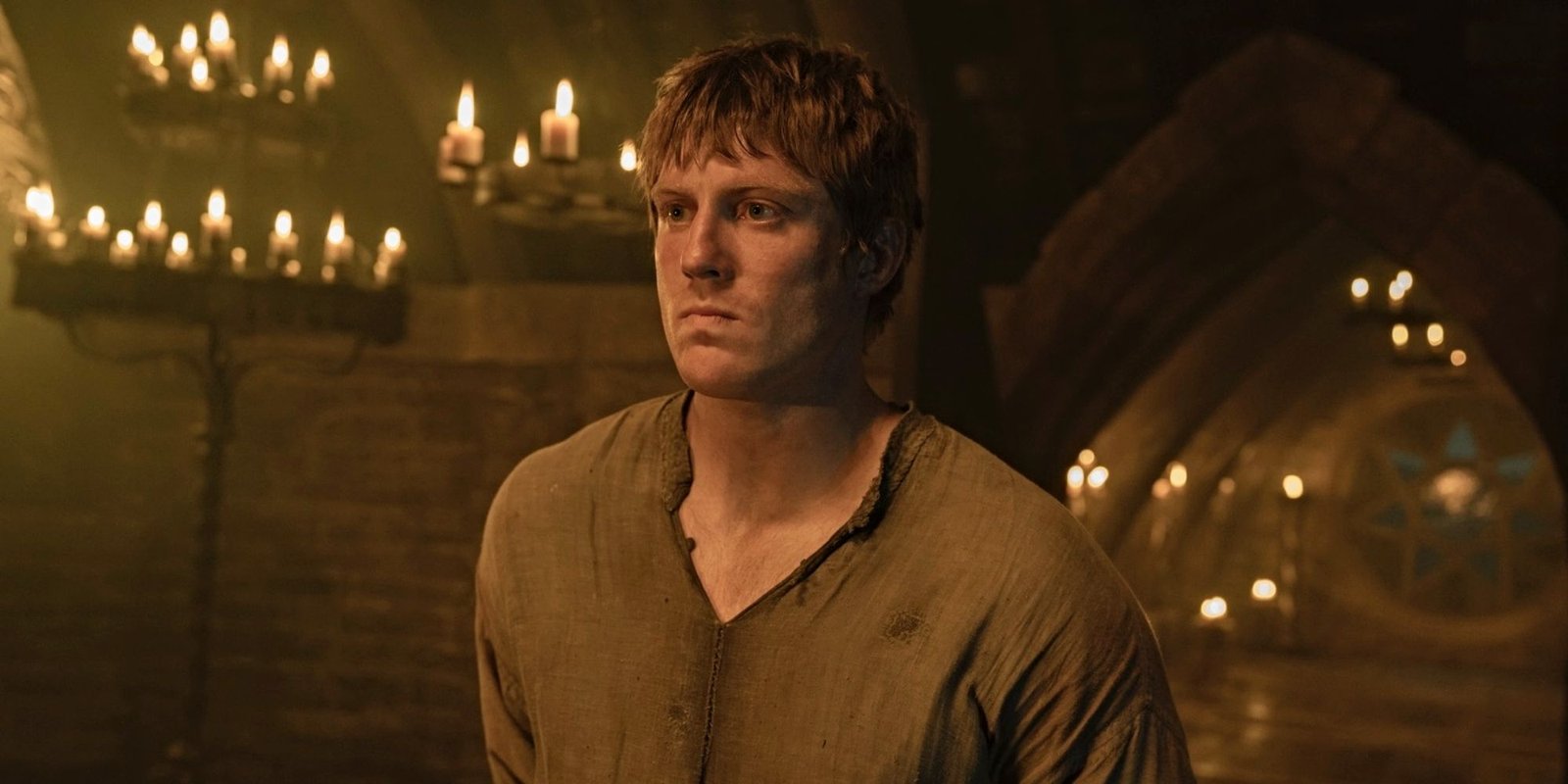
A quieter, tighter take on Westeros is finding its audience
Game of Thrones grew from George R.R. Martin’s novels into a cultural phenomenon, but its television legacy has been uneven. The flagship HBO series ran for seven seasons that many fans still celebrate; its final, eighth season left a divisive aftertaste. HBO has since pursued multiple spin-offs to extend the franchise, but not all have landed the same way with viewers.
A Knight of the Seven Kingdoms, the most recent live-action entry, has stood out by doing something House of the Dragon didn’t: embracing an intimate, character-driven story that many fans find refreshing. Since its January 18, 2026 debut on HBO, the series has aired four of six first-season episodes, and audience response has been notable — Episode 4 holds a 9.7 user rating on IMDb, higher than any single House of the Dragon episode to date.
What the series focuses on
Unlike Game of Thrones and House of the Dragon, both of which trace sprawling dynastic conflicts across many characters and frontlines, A Knight of the Seven Kingdoms narrows the lens. The show follows two central figures:
- Ser Duncan “Dunk” the Tall (Peter Claffey), a newly appointed hedge knight.
- His squire, Egg (Dexter Sol Ansell), who is secretly Aegon Targaryen.
The first season unfolds across a handful of days as Dunk seeks entry into a tourney. A key turning point — and the inciting narrative tension for recent episodes — is Dunk standing trial for assaulting a Targaryen prince, an act he performed defending a young woman. That focused, almost chamber-drama approach lets the series explore character, honor and consequence without the freight of continent-spanning war arcs.
Why viewers are responding
Early praise for A Knight of the Seven Kingdoms centers on its scale and tone. Critics and fans alike point to several strengths:
- Intimacy: By concentrating on a pair of protagonists, the series creates room for slow-burn character work and moral nuance.
- Clear stakes: Smaller conflicts — a trial, a tourney, the responsibilities between knight and squire — offer emotional clarity that contrasts with large-scale political maneuvering.
- Consistent improvement: Viewers have noted that the show’s quality seems to rise week to week, suggesting confident storytelling and pacing.
This tonal shift resonates because it recalls the quieter moments from the novels and earlier seasons that many viewers cherish, proving there’s appetite for understated, human-scale stories within the wider fantasy world.
Cast and creative team
The show’s central performances and credits, as listed by the series, include:
- Peter Claffey as Ser Duncan “Dunk” the Tall
- Dexter Sol Ansell as Egg (Aegon Targaryen)
Key creative credits:
- Showrunner: Ira Parker
- Directors: Owen Harris (among others)
- Writers: George R.R. Martin and Ira Parker
George R.R. Martin remains involved in the franchise’s television development; he has publicly described a strained relationship with House of the Dragon showrunner Ryan Condal, but he is credited on this project as a writer alongside Ira Parker.
Where to watch and what’s next
A Knight of the Seven Kingdoms is available to stream on HBO Max. The first season is slated for six episodes; as of this writing, four have aired. Expect ongoing coverage as the remaining episodes premiere.
The series’ positive early reception may influence HBO’s broader strategy for the franchise: while previous spin-offs have met mixed reactions, this show demonstrates that revisiting Westeros through focused, character-led storytelling can still win viewers’ hearts.
What this means for the franchise
The contrast between A Knight of the Seven Kingdoms and House of the Dragon highlights two viable directions for Game of Thrones-era television:
- Monumental, political epics about dynasties and warfare (the model House of the Dragon pursued).
- Compact, character-driven dramas that mine emotional depth from limited timeframes and settings (the approach A Knight of the Seven Kingdoms exemplifies).
Both approaches have value, but the current audience response suggests demand for more modestly scaled stories that allow characters to breathe. Whether HBO leans into that lesson with future projects remains to be seen, but this series has made a strong case that sometimes smaller truly is better.