
A surprise streaming success emerges
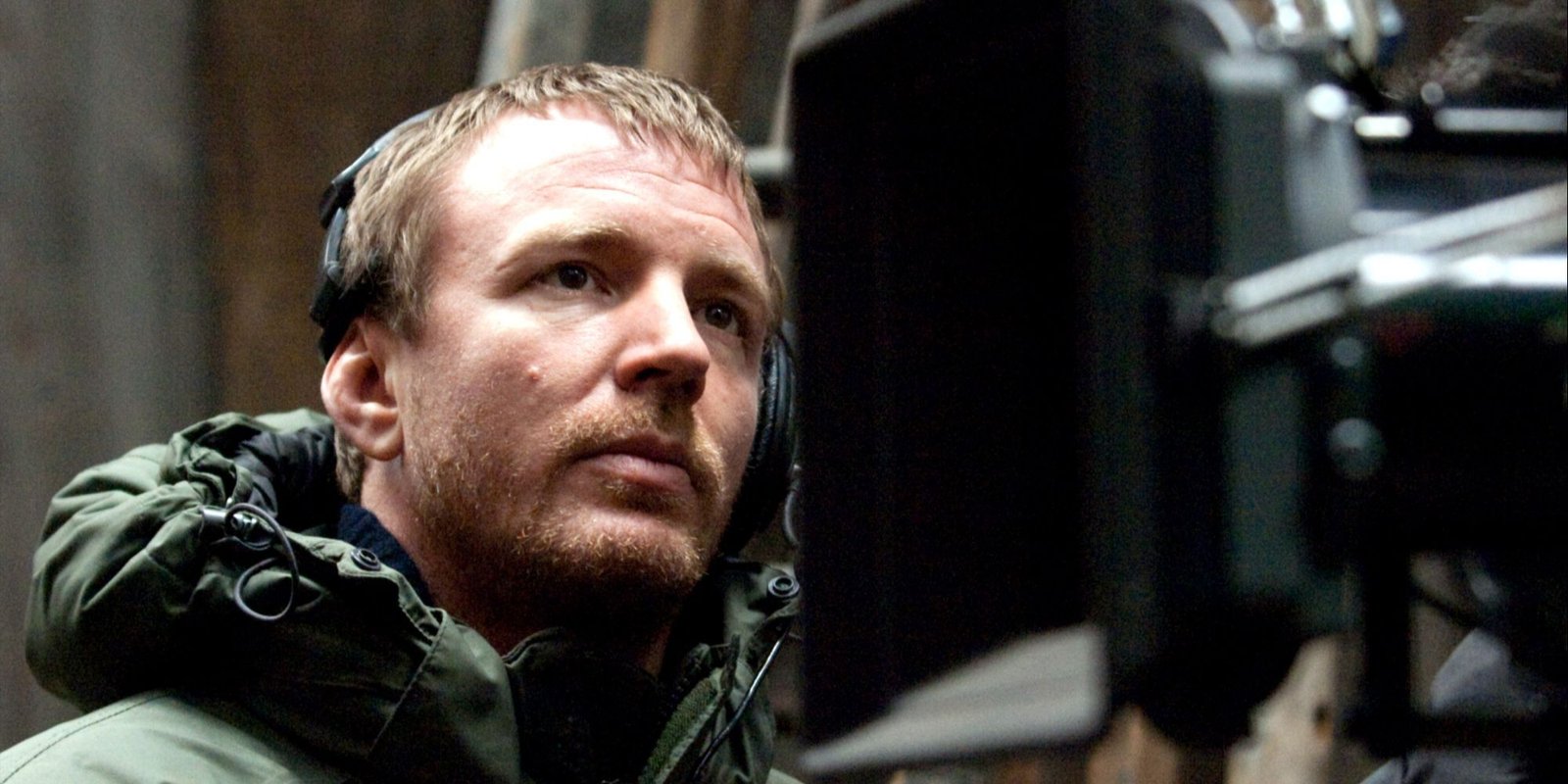
Guy Ritchie’s fast-paced take on Sherlock Holmes — a roughly 129-minute, bone-crunching reimagining of Arthur Conan Doyle’s detective — has resurfaced as a streaming favorite even as high-profile film adaptations continue to inflame critics. Once a divisive theatrical release, Ritchie’s Sherlock Holmes is now charting on Amazon Prime in the U.S., according to FlixPatrol, and is available on PVOD, demonstrating how a film can find renewed commercial life long after its initial run.
That resurgence arrives as directors such as Emerald Fennell and Baz Luhrmann provoke fresh debate by radically updating beloved literary works. These filmmakers share a pattern: bold stylistic choices, intense critical pushback, and significant audience interest that translates to box office or streaming traction.
Emerald Fennell’s Wuthering Heights: controversy and box-office muscle
Emerald Fennell’s latest adaptation of Emily Brontë’s Wuthering Heights — starring Margot Robbie and Jacob Elordi — has become one of this year’s most talked-about films. Critics and audiences are sharply divided over Fennell’s audacious, maximalist approach. While many have criticized the liberties the director takes with the 19th-century classic, the movie posted an impressive early commercial performance, grossing more than $80 million worldwide over its four-day debut. On Rotten Tomatoes the film sits in “rotten” territory at 59%, reflecting the widening gap between critical reception and audience appetite.
Fennell’s visual and tonal risks are an extension of the auteur signature she established with Promising Young Woman and amplified in Saltburn: polarizing, stylized storytelling that tends to inspire strong reactions — both praise and backlash.
Baz Luhrmann’s Gatsby: spectacle that split viewers
Emerald Fennell’s approach has cinematic precedents. Baz Luhrmann’s 2013 adaptation of The Great Gatsby is one of the clearest examples of a blockbuster that leaned heavily into contemporary production and pop-music sensibilities while retelling a period novel. Produced on a reported $180 million budget and earning more than $350 million worldwide, Luhrmann’s Gatsby divided critics and audiences over its anachronistic soundtrack and lavish visuals. The film holds a 49% score on Rotten Tomatoes, and the site’s consensus summed up the criticism succinctly: “While certainly ambitious — and every bit as visually dazzling as one might expect — Baz Luhrmann’s The Great Gatsby emphasizes visual splendor at the expense of its source material’s vibrant heart.”
The Gatsby example shows that box-office success and cultural footprint can coexist with critical ambivalence — a dynamic now playing out across contemporary adaptations.
Guy Ritchie’s Sherlock Holmes: from critic bait to digital charts
When Ritchie released Sherlock Holmes, purists and some reviewers bristled at his muscular, hyper-stylized reinvention of the canonical detective. Critics did not shy from sharp language: Robbie Collin called the film an “all-fumbling, all-bumbling, all-trundling crock of crud,” and Mick LaSalle wrote, “Guy Ritchie is the worst screenwriter in the world, but, to be fair, he is not the worst director. He is only the worst director of the people who actually get to make movies.” Such barbs underline how contentious Ritchie’s tonal shift felt to certain critics.
Yet the commercial results were undeniable. Sherlock Holmes grossed more than $520 million worldwide against a reported $90 million budget and launched a successful sequel, Sherlock Holmes: A Game of Shadows. A third installment has been debated for years, and Ritchie has continued to explore the Holmes universe: he is developing a new Prime Video project, Young Sherlock, for the streamer.
Now, more than a decade after its theatrical debut, Sherlock Holmes is finding fresh momentum on digital platforms — a reminder that streaming can reshape a film’s legacy and introduce it to new audiences on different terms.
Why polarized adaptations still win viewers
Several factors help explain why controversial reimaginings often succeed commercially even when critics are unconvinced:
- Star power and marketing: High-profile casts and aggressive promotion draw curious viewers who want to see how familiar material was reshaped.
- Spectacle and contemporary sensibility: Bold stylistic choices and modern soundtracks can attract audiences seeking a fresh, sensory experience rather than strict fidelity.
- Streaming lifecycle: Digital platforms give films a second wind, letting them find niche audiences or broader acceptance outside initial critical verdicts.
- Franchise potential: Successful reinventions can spawn sequels or related series that keep the intellectual property commercially viable.
These tendencies help account for the patterns seen with Gatsby, Fennell’s Wuthering Heights, and Ritchie’s Sherlock Holmes.
What this trend means for adaptations going forward
The current climate suggests filmmakers will continue to push boundaries when adapting classic works. The risk-reward calculus now includes not just theatrical box office and critic response, but also long-term streaming performance and franchise opportunities. Studios and directors appear willing to court controversy if it produces cultural conversation and measurable audience engagement.
For viewers and critics alike, the result is a richer, if messier, landscape of adaptations: some will resonate as definitive updates, others as polarizing curiosities — and many will live somewhere in between, enjoying an afterlife on streaming platforms that can reshape perceptions over time.
Bottom line
Polarizing adaptations are not a new phenomenon, but streaming and PVOD have amplified their commercial lifecycles. Guy Ritchie’s Sherlock Holmes is a clear example of a film that weathered critical scorn to become a streaming staple, while Emerald Fennell’s Wuthering Heights and Baz Luhrmann’s Gatsby show how bold reinterpretations can generate both backlash and box-office (or streaming) success. In today’s media ecosystem, controversy can be part of a strategy that ultimately broadens a film’s audience.