
A spoiler warning before we begin
This article discusses major plot beats from Fallout Season 2, including the finale. If you haven’t finished the season and want to avoid spoilers, stop here.
Where the show stands: cast, tone and guest stars
Prime Video’s Fallout continues to expand its post‑apocalyptic universe with a strong lead ensemble and an increasingly memorable roster of guest performers. The series stars Ella Purnell, Kyle MacLachlan and Walton Goggins, while season after season the show has leaned on standout cameos — from Kumail Nanjiani and Matt Berry to Dale Dickey and Fred Armisen — to inject humor and texture into short but striking turns.
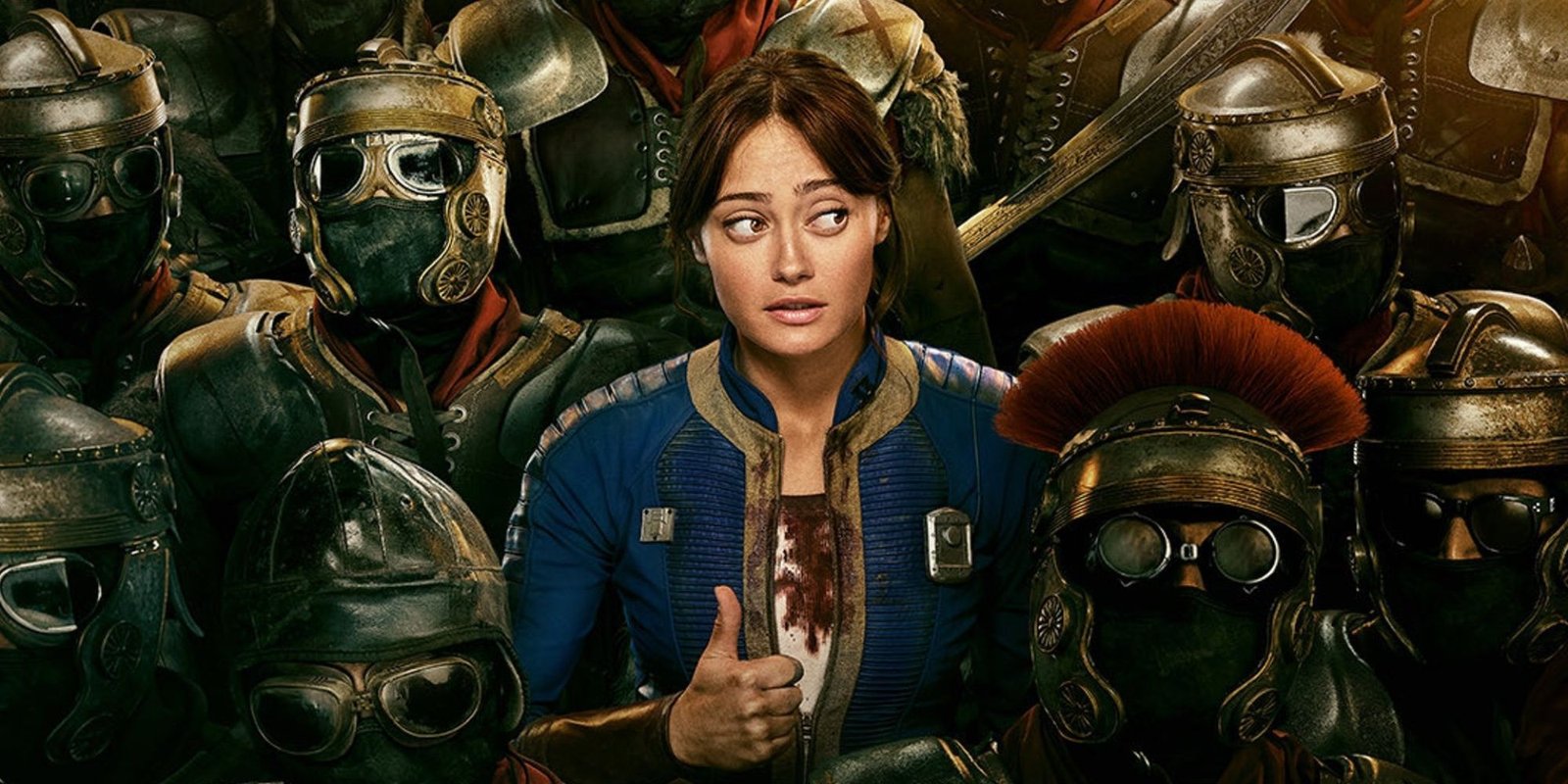
Season 2 added a high‑profile surprise to that list: Macaulay Culkin, credited as Lacerta Legate, a volatile young figure within Caesar’s Legion. Initially introduced as a smoldering, petulant presence, Lacerta’s arc quietly becomes central to the season’s closing moments — and to the shape of future conflict across the Mojave Wasteland.
Lacerta Legate: from scene‑stealer to power player
Culkin’s Lacerta arrives as the kind of charismatic, unstable leader who can be terrifying because he combines whimsy with brutality. Early on, his performance leaned into a man‑child menace: petulant, theatrical, and dangerous in his impulsiveness. That tone made him memorable in short scenes, but it also masked a far more consequential trajectory.
In the season finale, Lacerta infiltrates the heart of Legion infighting and discovers the corpse of Caesar. Inside Caesar’s coat he finds a note that reveals a shocking truth: Caesar intended for the Legion to die with him. There was to be no successor, no continued empire. Instead of exposing this and stopping a pointless civil war, Lacerta conceals the truth — killing an ally who reads the note, eating the paper and placing Caesar’s crown on his own head. He steps out of his tent, proclaims himself the new Caesar, and is immediately accepted by the Legionaries. He then declares war on New Vegas.
That sequence rewrites Lacerta from a memorable guest into a figure with the authority to direct thousands of Legionnaires and change the map of the series. His calculated choice to suppress the truth — and to seize power with brutality and theater — makes him an explicitly dangerous antagonist going forward.
Why the finale matters: the Legion’s civil war and a new march on New Vegas
The Legion’s internecine conflict had appeared to be a dissolving, self‑defeating force. The revelation that Caesar wanted the Legion to die with him reframes years of violence as tragically pointless. Lacerta’s choice to hide that reality ensures the fighting will continue, but now under a single, younger leader who embraces conquest rather than closure.
The finale closes on the image of the Legion marching on New Vegas under Lacerta’s banner. That ending not only raises the immediate stakes for the characters in the Mojave but also sets up a larger political and military showdown between multiple organized factions congregating around New Vegas.
Tying the show to Fallout: New Vegas — familiar factions, renewed conflict
The series’ final beats echo the factional struggle central to the video game Fallout: New Vegas, where players navigate tensions between Robert House, Caesar’s Legion and the New California Republic (NCR) — with multiple possible outcomes depending on player choice. The show doesn’t simply retell the game; instead, it weaves those competing forces into its own narrative: the NCR is reestablished in New Vegas, House resurfaces in an altered form, and the Legion (now under Lacerta) prepares to challenge the city’s control.
By resurrecting these three poles of power, the show leans into one of the franchise’s core themes: despite new players and shifting personalities, the underlying contest for territory and ideology persists. As the familiar adage goes, war never changes — and Fallout Season 2 positions New Vegas as the next major battleground.
What this means for Season 3
Lacerta’s coronation and declaration of war make him a natural antagonist for future seasons. With the Legion unified under his command, New Vegas’s defenders — and whatever scheming forces Robert House represents — are likely to face a renewed and fanatical offensive. Meanwhile, Season 3 is already signposted to expand other threads; the Enclave, in particular, is expected to become a major storyline, adding another layer of high‑stakes, ideology‑driven confrontation to the series’ political landscape.
Culkin’s transformation into a potential season‑spanning villain gives the show a fresh, unpredictable voice at the center of the conflict: a ruler who combines performative narcissism with ruthless ambition. That blend could make Lacerta one of the most memorable antagonists in the series’ television adaptation.
Why the guest‑star model keeps working for Fallout
Fallout’s habit of casting recognizable comedic and dramatic actors in brief but potent roles continues to pay off. These turns often provide tonal breaks, memorable visual set pieces and the sort of idiosyncratic energy the franchise thrives on. Culkin’s Lacerta demonstrates that a guest actor can be scaled into a major narrative engine without undermining the larger ensemble: the show can still leverage star wattage while building longer story arcs.
Final thoughts
Season 2 of Fallout tightens the screws on the political war for New Vegas and hands the Legion a new, unsettling face of leadership. Macaulay Culkin’s Lacerta shifts from eccentric scene‑stealer to an instigator with the authority and appetite to restart a continental war. As the show moves toward Season 3, the newly unified Legion, a resurgent NCR presence, and the enigmatic remains of House — plus the looming Enclave storyline — promise a sprawling, high‑stakes battle for the Mojave that should satisfy fans of both the game and the series.