A surprise trailer rose above the Super Bowl noise
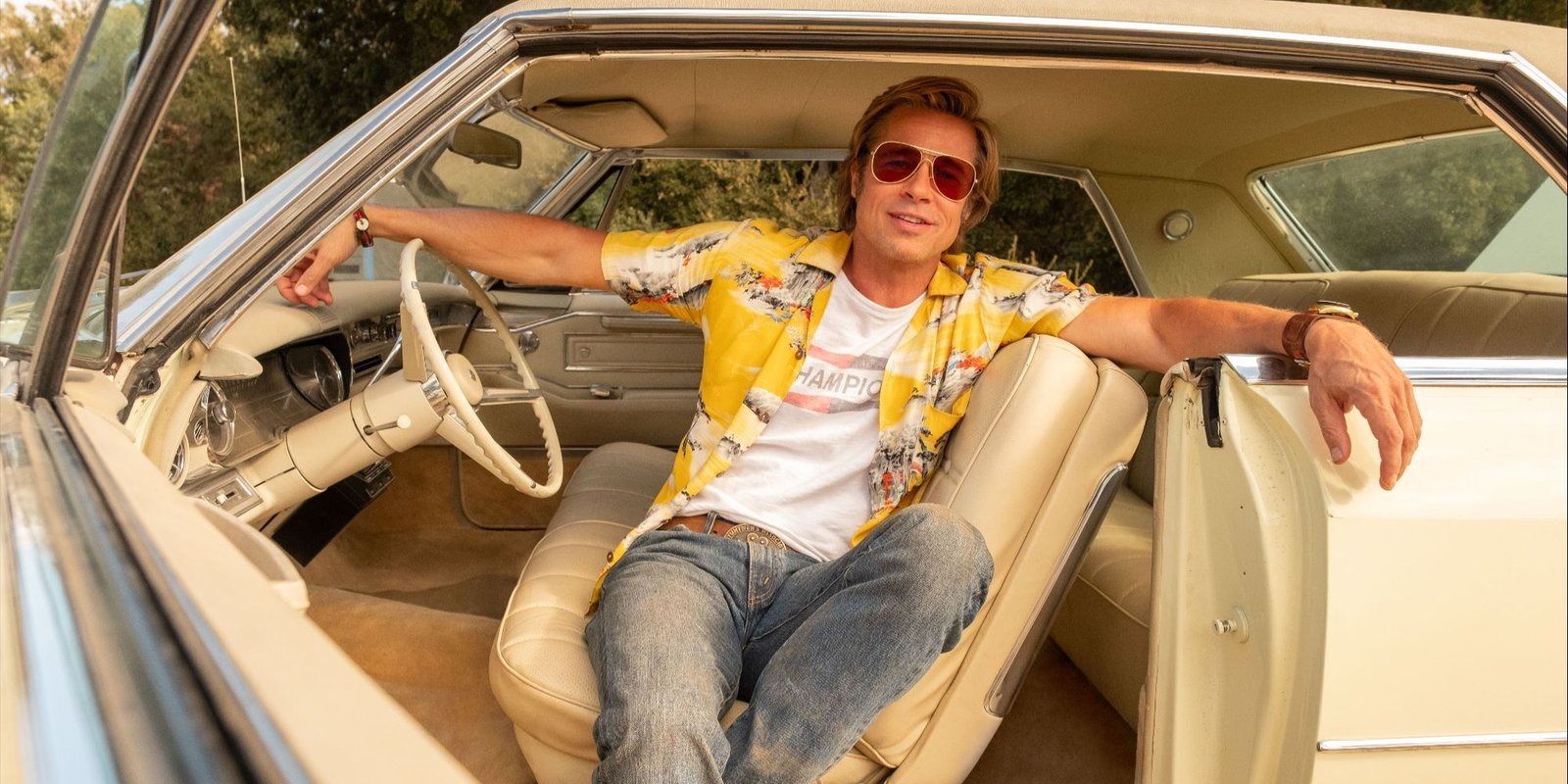
This year’s Super Bowl lineup of movie promos was packed — Scream 7, Steven Spielberg’s Disclosure Day, The Mandalorian and Grogu, Minions & Monsters, and The Super Mario Galaxy Movie all showed up in some form during the broadcast. Yet one preview stood out for its clarity of purpose, tonal confidence, and marketing savvy: The Adventures of Cliff Booth, the long-anticipated sequel to Once Upon a Time in Hollywood.
Unannounced and brief, the clip delivered exactly what a premium Super Bowl slot should: it grabbed attention, left viewers wanting more, and set the movie’s tone without revealing its plot. With an audience measured in the hundreds of millions, that kind of restraint and precision is rare — and profitable in cultural attention.
Why the trailer worked: surprise, style, and restraint
Several deliberate choices made the Cliff Booth spot feel like more than just another big-game commercial:
- Surprise drop: The trailer aired without prior online release, forcing viewers to catch it live or seek out bootleg recordings afterward. That scarcity turned a one-minute spot into an event and sparked immediate social chatter.
- Economy of information: At roughly one minute, the spot avoided plot overflow. Tight edits reestablished Brad Pitt’s Cliff Booth and hinted at a darker, adult-leaning Hollywood tale without spoon-feeding story beats.
- Tonal fidelity: A modernized remix of the Peter Gunn theme anchored the trailer, folding the sound of late-60s/70s noir into a slick, ominous groove that matched the film’s retro-exploitation bent.
- Playful censorship as design: Creatively animated mosaics censored risqué imagery in a way that felt purposeful rather than forced — an aesthetic wink that underscored the sequel’s exploration of Hollywood’s seedy underbelly while catering to an adult audience.
Together, these elements made the trailer feel like an authentic extension of the movie’s voice, not a generic ad shoehorned into the country’s biggest TV broadcast.
Scarcity and exclusivity: a calculated risk that paid off
With studios reportedly paying $10–$20 million for a 30- to 60-second Super Bowl spot, the impulse is often to plaster as much information as possible across that expensive canvas. The Cliff Booth team did the opposite: they treated the slot as a launchpad for buzz, not a full promotional rollout. By withholding an immediate online upload and relying on the live broadcast as the only official premiere, the marketing created a “miss it live, chase it later” dynamic that encouraged conversation and sharing.
That approach trades guaranteed reach for amplified engagement. Instead of a single, forgettable pass, the trailer became a topic of watercooler talk, social clips, and speculation. For a property springing from Quentin Tarantino’s script and directed by David Fincher — with Brad Pitt reprising his Oscar-winning role — that kind of cultural momentum matters.
Creative choices that amplified the hook
The trailer leaned into a specific set of stylistic cues:
- Retro exploitation motifs: The spot’s visuals and graphic elements evoke the era and aesthetic that made Once Upon a Time in Hollywood distinct, but with a darker slant that suggests new stakes and a grittier focus on Cliff Booth as lead.
- Animated mosaics and graphic flourishes: Rather than playing coy about mature content, the trailer used censorship itself as a piece of design, signaling both the adult tone and the film’s willingness to be provocative.
- Sound as framing: The Peter Gunn theme remix functions like a character introduction; it immediately telegraphs genre and mood, making the brief runtime feel fully lived-in.
These choices helped the trailer do more than advertise a date — they shaped expectations about what kind of movie audiences should anticipate.
What other Super Bowl spots got wrong
Not every studio made the most of their Super Bowl investment. Some promos felt like missed opportunities to capture the event’s unique cultural moment:
- The Mandalorian and Grogu opted for a parody approach rather than a straight preview, airing a spoof of an old Budweiser ad that leaned into humor but didn’t advance the show’s story or generate the same urgency.
- Illumination and Universal’s Minions & Monsters chose to air creative teases that primarily promoted a longer trailer available online, rather than delivering a self-contained Super Bowl moment.
- When studios treat the Super Bowl like any other media buy — or use it mainly to redirect viewers elsewhere — they squander the captive audience and the chance to own the conversation for hours after kickoff.
By contrast, Disney’s live-action Lilo & Stitch stunt, which made it appear Stitch interrupted the broadcast, demonstrated how to tailor a Super Bowl gag to property tone. The Cliff Booth trailer did something similar in spirit: it matched form to content, and the result felt authentic rather than stunt-driven.
Lessons for studio marketing teams
The Cliff Booth reveal offers a concise playbook for future big-game advertising:
- Match the ad’s voice to the project’s voice; authenticity resonates.
- Use surprise and scarcity strategically — a live-first premiere can create momentum if accompanied by a coherent creative.
- Resist over-explaining; tease mood and stakes rather than plot.
- Make the spot an experience in itself, not merely a pointer to an online release.
When a trailer treats the Super Bowl as a cultural stage instead of a billboard, it can turn a single 60-second slot into weeks of earned media.
What we know about The Adventures of Cliff Booth
- Title: The Adventures of Cliff Booth
- Origin: Sequel to Once Upon a Time in Hollywood
- Director: David Fincher
- Writer: Quentin Tarantino
- Lead: Brad Pitt returns as Cliff Booth
- Other cast: Timothy Olyphant (Jim Stacy), Scott Caan, Elizabeth Debicki
- Producers: Brad Pitt, Ceán Chaffin, David Heyman, Shannon McIntosh, Quentin Tarantino, Stacey Sher
- Tone/genres: Adult-oriented drama/comedy/thriller with retro-exploitation influences
- Release: Scheduled for 2026; streaming on Netflix
The trailer’s success doesn’t guarantee box-office or streaming dominance, but it did accomplish what every Super Bowl ad should aim for: to turn passive viewers into active, talking participants, and to make the film feel urgent and must-see.
Final take
In a field of flashy, often scattershot Super Bowl spots, The Adventures of Cliff Booth’s trailer proved the power of disciplined creative strategy. It demonstrated that when a teaser understands its audience, its subject, and the unique moment of the Super Bowl, a short, carefully constructed clip can do far more than a lengthy marketing blitz — it can capture the cultural imagination.