
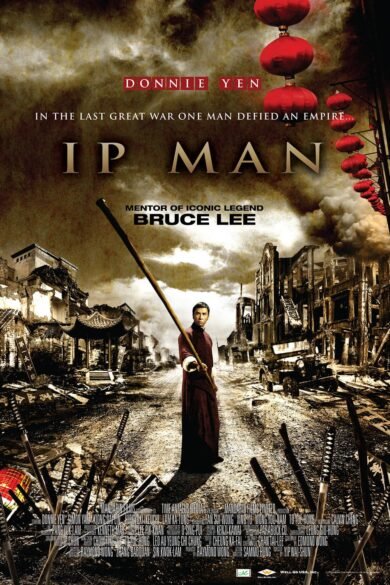
Information
TL;DR Verdict
Short verdict: why this movie lands (or doesn’t) in one line
The latest installment in the Ip Man saga offers a captivating blend of high-octane martial arts and poignant character storytelling, delivering a refreshing take on the beloved franchise.
Quick recommendation: who should press play
Fans of martial arts cinema, character-driven narratives, and those seeking to understand the enduring legacy of Ip Man should definitely press play.
What kind of movie is this and what’s the vibe?
Tone, setting, and how gritty or polished it feels
Set against a backdrop of historical tumult, the Ip Man teaser trailer presents a visual feast steeped in a rich aesthetic. The cinematography strikes a balance between the polished techniques of contemporary filmmaking and the grittiness that roots the story in its historical context. Pay special attention to the sweeping shots of traditional Chinese landscapes juxtaposed with the claustrophobic interiors of dimly lit training halls, which highlight the inner struggles of its characters.
The use of muted color palettes interspersed with vibrant bursts during fight sequences emphasizes the emotional stakes at play. The tone feels both reverent and urgent—a celebration of martial arts mastery intertwined with the heavy burdens of honor and familial duty.
How much is martial arts showpiece vs character drama
While the Ip Man series is renowned for its exhilarating fight choreography, this latest film seems poised to deepen its character exploration. The trailer hints at well-crafted action sequences, showcasing a blend of traditional Wing Chun styles and innovative fighting forms. But it’s clear that the film isn’t just a showcase for martial arts; rather, it aims for a nuanced character drama that examines personal sacrifice and moral dilemmas. The choreography serves not just as spectacle but as a manifestation of the characters’ internal conflicts and growth.
What is Ip Man about without spoiling anything?
The basic setup and stakes in a few lines
Ip Man explores the life of the legendary martial arts master, delving into a pivotal period marked by socio-political unrest. The stakes rise as Ip Man must navigate personal challenges and external threats to his family and community, while also confronting past demons that threaten to resurface. With a fresh, yet familiar cast, this installment promises to deepen our understanding of Ip Man beyond his fighting prowess.
Themes you’ll notice (honor, family, survival)
Central to the narrative are themes of honor, family, and survival. Honor serves as a guiding principle for Ip Man, driving his choices and highlighting the weight of his legacy. The family element is deeply woven into the plot, emphasizing the sacrifices made for loved ones. Survival, both in the sense of physical battles and moral dilemmas, showcases the often-unseen struggles that define Ip Man’s character. These themes resonate not only with fans of martial arts but also with anyone who has grappled with the burden of legacy and obligation.
As the world eagerly awaits the cinematic release of this movie, it’s poised to engage audiences not only with breathtaking action but also with compelling storytelling that breathes new life into an iconic tale.
Does Ip Man’s story and pacing hold up?
How the plot moves and whether it ever stalls
“Ip Man” is a saga that transcends mere biopic tropes; it is a compelling narrative of resilience, morality, and honor. From the outset, the pacing is a calculated mix of swift action and contemplative moments. Unlike many martial arts films that lean heavily on their fight sequences, “Ip Man” does not rush through its emotional arcs. Instead, it deftly balances its exploration of character motivations with the physicality of martial arts, ensuring that viewers are neither overwhelmed by adrenaline nor bogged down by slow exposition. In fact, the film flows seamlessly from one scene to the next, primarily guided by its central theme of inner strength battling external adversity.
While the film does boast its share of fight scenes that are exhilarating in nature, it doesn’t shy away from the quieter moments that define its core values. There are times when the narrative slows to allow characters’ conflicts and emotional struggles to take center stage, making for a richer viewing experience. This structured approach ensures that the audience understands the stakes involved, cultivating a deep emotional connection with Ip Man, his family, and his foes.
Where the film speeds up for action or slows down for feeling
As the plot thickens, the film accelerates into breathtakingly choreographed fight sequences. Here, we see the lead character confront not only physical adversaries but also the societal pressures and cultural identity crises that loom large in his life. The rhythm of these sequences contrasts sharply with the slower, more intimate scenes involving family moments and personal reflections.
These deceleration moments serve to amplify the action that follows, enhancing the emotional stakes. The intensity of fight scenes reverberates more profoundly after we’ve witnessed Ip Man’s vulnerabilities. The film wisely uses its pacing to mirror the protagonist’s internal struggles, allowing us to experience the full weight of his journey in a way that’s both thrilling and deeply felt.
Are the performances convincing?
Donnie Yen’s presence and why it matters here
Donnie Yen’s portrayal of Ip Man is nothing short of iconic, firmly establishing him as both a martial arts icon and a nuanced actor. His gravitas elevates the character from a simple warrior archetype into a man of profound principle and emotional depth. Yen embodies the duality of Ip Man’s character—the stoic fighter and the loving patriarch—with both authority and subtlety. His ability to express vulnerability amidst fierce determination cements his performance as the emotional backbone of the film.
Every nuanced expression and controlled movement speaks volumes, allowing audiences to connect with Ip Man’s struggles on a personal level. It’s not just about executing perfect punches; it’s about conveying the ethos of a man who stands for something greater than himself. Yen’s presence is palpable, and this intensity resonates with viewers, giving them a reason to care about every fight and personal victory.
Supporting cast and the emotional beats they carry
While Donnie Yen undoubtedly leads the film, the supporting cast is equally compelling, bringing to life characters that enhance the overall narrative. Their performances are layered with emotional weight—whether it’s through familial ties or antagonistic relationships that challenge Ip Man’s ethical principles.
Characters embodied by the supporting actors manage to provide essential context and emotional resonance amidst the turmoil. Each actor plays a pivotal role in propping up the central theme of honor and sacrifice. Their contributions help to navigate plot turns, allowing the film to maintain a compelling emotional arc that intersects beautifully with the physical action. The result is a rich tapestry of human experiences that make the stakes feel real and relevant, grounding the fight sequences in a reality that feels earned.
What actually works — the good stuff
Fight choreography: clarity, rhythm, and signature moves
The heart of “Ip Man” lies in its meticulously crafted fight choreography, where clarity and rhythm take center stage. Every move is not just about demonstrating martial prowess but is a dance echoing the character’s emotional states. The choreography balances fluidity with precision, turning each fight into an art form rather than mere combat.
Signature moves reflect not only the style of Wing Chun but also the personal growth of Ip Man as he faces challenges and learns from them. These sequences are notable not just for their technical brilliance but for the way they elevate the narrative, making each conflict feel distinctly personal and resonant.
Visuals and production design: how the period and location feel
Visually, the film captures the flavor of its historical backdrop with stunning authenticity. The production design intricately weaves together the cultural essence of early 20th-century China, immersing viewers in a world filled with textures, colors, and environments that feel lived-in and real.
From the architecture of Ip Man’s hometown to the atmospheric fight locations, the visuals serve as more than just a backdrop—they enrich the storytelling. They create a sense of place where every visual element underlines the stakes and confirms the reality of the narrative unfolding onscreen.
Music and sound: how score and effects boost scenes
The score of “Ip Man” acts almost as a silent character, guiding the audience through the emotional landscape of the film. The music swells and recedes in tandem with the action, creating a palpable tension that heightens the viewer’s engagement.
Sound effects during the fight scenes are employed with precision, ensuring that each punch lands like a thunderclap, reverberating in the minds of the audience long after the scenes have ended. The harmonious blend of score and sound design elevates the key moments from mere spectacle to emotional catharsis.
Emotional moments that stick because of performance or writing
In many ways, “Ip Man” thrives on its emotional beats, thanks to a combination of strong performances and evocative writing. There are scenes that linger in the mind—transitions from heated battles to a quiet moment of familial connection or a heartbreaking sacrifice that resonates with the audience for its authenticity.
These moments add layers to the film, allowing each fight to become a reflection of the internal struggles faced by the characters involved. The marriage of action and emotion is what makes “Ip Man” a standout, resonating deeply long after the credits roll.
What doesn’t quite land
Moments that feel overcooked or underwritten
While the latest installment in the Ip Man franchise showcases the visceral thrill of martial arts, not every moment strikes the right chord. Some scenes, particularly those meant to evoke emotional responses, risk feeling overcooked. There’s a balance that can easily tip from poignant to melodramatic. In one instance, a heartfelt conversation between Ip Man and his students is underscored by an overwhelming score that pulls attention away from the dialogue itself. Instead of enhancing the emotional weight, it detracts from the authenticity of the moment.
Conversely, there are moments where stakes feel underwritten, leaving key characters without sufficient depth or motivation. Supporting actors deliver solid performances, yet their characters often lack meaningful arcs. This absence can reduce the film’s overall tension, especially in pivotal sequences where emotional stakes are crucial. The interplay between quiet resolve and explosive action is a hallmark of the series, but not every scene successfully harnesses that energy.
Any historical shortcuts or clunky dialogue to be aware of
Historical authenticity has always been a tightrope walk for martial arts films, and this installment has its share of shortcuts. The filmmakers condense complex historical contexts into neatly packaged narratives which, while visually compelling, may sacrifice nuanced storytelling for streamlined exposition. This becomes especially evident in a few key battles that, while visually stunning, stray from the factual details of the era.
Dialogue can veer into clunky territory, often feeling like a clumsy attempt to deliver weighty exposition. Phrases lacking authenticity may distract from the overall gravitas the film tries to convey. Occasional clichés pepper the script, leaving sense of immersion slightly hindered.
Standout moments to look out for (no spoilers)
A few set pieces and scenes that stick with you
Despite the missteps, the film is punctuated with a handful of standout set pieces that will leave audiences buzzing long after the credits roll. The choreography remains the film’s crown jewel, balancing graceful artistry with brutal realism. One particular fight sequence, set against the backdrop of a marketplace, exudes an energetic choreography that feels organic to the setting, painting a vivid picture of not just combat but the cultural nuance embedded in each strike.
The cinematography shines during these set pieces, utilizing sweeping camera movements that lend the fights an epic scale. You can almost taste the sweat and hear the strikes land, reinforcing the brutal elegance of the Wing Chun technique Ip Man so famously champions.
Quiet beats that add weight between the fights
Equally compelling but often understated are the quieter beats that infuse the narrative with depth. Moments of reflection not only develop character but explore thematic concepts of honor and sacrifice. A serene tea ceremony, juxtaposed against the frenetic pace of the fight scenes, offers a moment of introspection. How does one retain humanity when enveloped in violence? It’s these tender exchanges that are the backbone of the film, reminding viewers that the heart of the story extends beyond mere combat.
The film confidently weaves philosophical reflections throughout the intense action; these moments don’t just serve as cooldowns, but as surreal reminders of the warp and weft of the protagonist’s struggle.
Who is this for and is it worth rewatching?
Ideal viewers: martial arts fans, newcomers, or casual watchers
The Ip Man series has always appealed to a broad spectrum of audiences, and this chapter is no exception. Martial arts enthusiasts will relish the expertly crafted fight sequences, while those newly introduced to the franchise may find it an accessible entry point into the world of martial arts cinema.
There’s an elegance to the storytelling that should resonate with casual viewers looking for a compelling drama interwoven with captivating fight choreography. However, longtime fans of the series may grapple with the tonal shifts or narrative shortcuts that feel inconsistent with earlier entries.
Rewatch value and where it sits among other martial arts classics
Rewatchability is an intriguing aspect of this latest entry. While certain standout fight sequences will undoubtedly draw viewers back, the overall narrative coherence may not benefit from repeated viewings as much as earlier installments. The film does enough to satisfy, yet it may lack the freshness that compels audiences to revisit other martial arts classics.
A focus on style over substance could categorize it as a more modern interpretation compared to its predecessors, which often strived for a balance of story and action. Purists may find it a notch below the originals, but it still offers a fresh perspective that could engage new generations of martial arts fans.
The film’s production quality shines brightly, hinting that while it isn’t without faults, it solidifies its place within the pantheon of martial arts cinema.
In the end, Ip Man does appear to be poised for a successful reception, with its striking visuals and a compelling exploration of martial arts not only as a fighting style but as a philosophical practice. As it dances the line between authenticity and entertainment, audiences may discover a new favorite or simply a new piece in the ever-evolving martial arts mosaic.
FAQs
Are there more Ip Man movies and what’s the watch order?
The “Ip Man” film series has captivated audiences since its initial release, with multiple installments gracing the silver screen. The original film, released in 2008, launched a franchise that has expanded with several sequels and spin-offs. Here’s a concise watch order to help you navigate the series:
- Ip Man (2008) – This is where it all begins. Donnie Yen stars as the legendary Wing Chun master, setting the stage for his journey.
- Ip Man 2 (2010) – Continues the story of Ip Man as he brings his martial arts philosophy to Hong Kong.
- Ip Man 3 (2015) – This installment introduces new characters and a deeper exploration of Ip Man’s personal life.
- Ip Man: The Final Fight (2013) – A semi-biographical spin-off focusing on Ip Man’s later years.
- Master Z: Ip Man Legacy (2018) – A direct spin-off featuring Cheung Tin-chi, a character from “Ip Man 3.”
- Ip Man 4: The Finale (2019) – The concluding chapter of the main series, tying up many of the overarching storylines.
Watching these in order offers a cohesive narrative experience, providing context and depth while delving into the evolution of both the character and the art of Wing Chun.
Is Ip Man in English or another language?
Primarily, the “Ip Man” films are produced in Cantonese, reflective of the cultural and historical backdrop of the narrative. This choice enriches the authenticity of the characters and their interactions. However, many international versions come with English subtitles or dubbing, making them accessible to a wider audience. While English may be spoken in certain scenes, particularly those with foreign characters, the essence of the film remains firmly rooted in its original language. This linguistic choice enhances the immersion, allowing viewers to feel the weight of the dialogue and the cultural nuances that shape the characters’ journeys.
Is Ip Man on Netflix or where can I stream it?
As of now, the availability of “Ip Man” on streaming platforms varies by region. While Netflix has featured some of the installments in the past, they might not be consistently available. It’s advisable to check platforms like Amazon Prime Video, Hulu, or rental services such as Google Play and Vudu for the most updated listings. Additionally, the films may occasionally appear on specialized streaming services focusing on Asian cinema. For the most current streaming options, tools like JustWatch can help you track where the series is available for viewing.
How accurate is Ip Man to real life?
The “Ip Man” series takes creative liberties, as one would expect from a dramatic reinterpretation of a historical figure. Although Ip Man was a real person — a martial arts legend who taught Bruce Lee — many aspects of the films don’t align with documented history. The films exaggerate certain conflicts and relationships for dramatic effect, and characters may be amalgamations designed to serve the narrative’s needs. Historical events are often portrayed with embellishment, focusing on capturing the spirit of Ip Man’s character rather than delivering an entirely factual biography. This blend of fact and fiction creates a captivating storyline, but purists looking for strict accuracy might find some events and characters less than authentic.
What do people say about Ip Man on Reddit and other forums?
Discussions surrounding the “Ip Man” films on platforms like Reddit offer a wealth of insights and diverse opinions. Fans often rave about Donnie Yen’s action sequences, particularly praising the choreography and authenticity of the Wing Chun style he embodies. Users frequently dive into thematic analyses, exploring the portrayal of honor, tradition, and the intersection of martial arts with personal struggle.
Conversely, critiques often emerge surrounding the historical inaccuracies or how certain portrayals may simplify complex relationships, especially regarding Ip Man’s connection to Bruce Lee. Threads focusing on the films’ emotional impact reveal a split, with some viewers more concerned about the heart and essence of the storytelling than the historical fidelity. These online discussions highlight the power of the series to resonate with viewers on multiple levels, proving the films aren’t just martial arts showcases—they also invoke deeper reflections on cultural heritage, perseverance, and personal sacrifice.
Do I need to see Ip Man 2 or 3 before watching this one?
If you’re diving into the latest “Ip Man” film, it’s not strictly necessary to watch the previous installments, but doing so enriches the experience. Each film builds on the character’s development and themes established in prior entries. Watching “Ip Man 2” and “Ip Man 3” provides essential context for the emotional stakes and the evolution of key relationships. Characters introduced in earlier films may reappear, and understanding their histories can enhance your appreciation of the new film’s narrative depth. However, for viewers eager to jump straight to the latest entry, the filmmakers often provide enough exposition to catch newcomers up without losing the primary narrative thread.
With that said, immersing yourself in the previous films undeniably deepens the connections and enhances the overarching narrative, allowing the series’ consistent themes of resilience, honor, and martial arts philosophy to resonate even more profoundly.