Information
TL;DR: Worth watching?
Quick verdict — one line summary of why it still works
“Jurassic Park” continues to captivate audiences with its perfect blend of science fiction and adventure, grounding its extraordinary premise with emotional resonance and thrilling spectacle.
Who should see it and who might skip it
Fans of the original franchise, newcomers eager to experience a blend of nostalgia and excitement, and those who appreciate character-driven stories should not miss this movie. However, purists seeking a strictly scientific narrative or those who’ve grown weary of CGI in blockbusters might find themselves less engaged.
What’s the vibe: wonder, danger, or a science lesson?
How the film balances awe and suspense
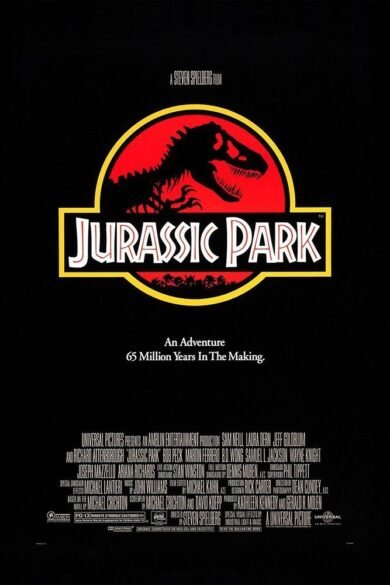
From the very first frame, “Jurassic Park” showcases its ability to oscillate between moments of exhilarating wonder and nail-biting suspense. The teaser trailer hints at breathtaking visuals of majestic dinosaurs roaming lush landscapes, juxtaposed against shadowy undertones suggestive of impending danger. This dance of visuals creates an immersive atmosphere that invites viewers to lose themselves in the world while simultaneously reminding them of the risks entailed. Each sound cue and visual flourish provides a fine-tuned balance—drawing you in like a moth to a flame while instilling an ever-present sense of vulnerability.
When it feels playful versus when it gets tense
The trailer gives a tantalizing glimpse into the film’s tonal range. Scenes of playful banter among characters, perhaps over shared excitement for what lies ahead, engage the audience with genuine warmth. Yet, this lightheartedness quickly morphs into tension as the trailer cuts to sequences of frantic escapes and haunted glances, compelling viewers to reckon with the speed at which joy can turn to dread. The confident pacing ensures that both emotions coexist without overshadowing one another, crafting a narrative that reflects the unpredictability of life itself.
What is Jurassic Park about (no spoilers)?
One-line setup and the central hook
“Jurassic Park” immerses audiences in a thrilling exploration of humanity’s age-old struggle with nature, focusing on a groundbreaking theme park where revived dinosaurs become both the wonder and the terror of the experience.
The basic stakes without giving plot beats away
At its heart, “Jurassic Park” raises essential questions about ethics in scientific advancement and respect for nature. The stakes are palpably high; the hubris of man not only risks the lives of those within the park but teeters on the brink of unleashing chaos radiating outward beyond its confines. Each moment of hesitation could lead to irrevocable consequences, underscoring the film’s relentless tension and its desire to caution about the path humanity chooses in its quest for knowledge.
With its rich thematic undercurrents, gripping narrative threads, and promise of both wonder and danger, “Jurassic Park” is set to reignite memories while crafting new ones. Whether you’re eager to revisit familiar dinosaurs or ready for fresh twists on classic lore, this new installment offers an invitation to adventure fraught with excitement and peril, a testament to a franchise that masterfully balances what it means to play with nature’s most formidable creations.
Does the story and pacing hold up?
The narrative arc of Jurassic Park brilliantly intertwines tension with a thrilling pace that guides viewers through moments of sheer terror and wonder. Right from the onset, the film lays a foundation that enthralls audiences, balancing the fast-paced sequences with quieter, thought-provoking moments that allow suspense to build effectively.
How tension builds and scenes that keep you hooked
The movie’s knack for building tension is evident in its construction of scenes where suspense escalates with masterful precision. One of the most iconic sequences involves the suspenseful din of the T. Rex reveal, accentuated through the vibrations of a water-filled cup. It’s this kind of ingenious storytelling that keeps audiences riveted as each frame hints at something significantly menacing lurking just beyond visibility. The pacing is expertly derived from the gradual unveiling of danger. Tension permeates subtler scenes, such as the predicament of the children trapped in the park. Here, the film leverages small moments—like hiding in the kitchen—as harbingers of impending doom.
Any slow stretches or padded moments to expect
While the film’s pacing is predominantly smooth, there are brief stretches that may appear repetitive. Some sequences, particularly during exposition, slow the action to set the stage, which might disrupt the momentum for a segment. Still, these moments serve a purpose by giving necessary context. Viewers keen on plot intricacies might appreciate the additional layers of information, but casual viewers could find some of these bits feel elongated. Yet, the overall flow rarely falters enough to overshadow the escalating suspense.
Are the performances convincing?
An examination of the performances reveals a remarkable commitment from the core cast, imbuing their roles with authenticity that resonates throughout the film.
What Sam Neill, Laura Dern, and Jeff Goldblum bring to the film
Sam Neill as Dr. Alan Grant exhibits a rugged practicality, supplemented by urgency that is palpable as events unfold in the park. Laura Dern’s Ellie Sattler, on the other hand, brings a nuanced mix of skepticism and courage, perfectly highlighting the complexities of her character’s journey. Jeff Goldblum’s strikingly charismatic portrayal of Dr. Ian Malcolm injects a note of sardonic wit, making his philosophical insights both amusing and profound. Their interactions not only serve the plot but also create an emotional core, allowing audiences to root for their survival amid mounting chaos.
Supporting cast highlights and character chemistry
Even beyond the core trio, the supporting cast excels, creating a rich ensemble that enhances character dynamics. Characters like John Hammond, played by Richard Attenborough, masterfully embody the flawed but visionary creator whose ambitions fuel the story’s tragic trajectory. The chemistry among the characters provides depth, especially during high-stakes scenarios. Children portrayed by Ariana Richards and Joseph Mazzello further solidify the emotional landscape of the film; their innocence and fear contrast strikingly with the unfolding horrors, driving audience empathy.
What actually works — the good stuff
Jurassic Park finds its strength not only in its innovative narrative but through elements that elevate its cinematic experience.
Visuals and effects: practical work, early CGI, and scale
Visually, Jurassic Park is a watershed moment in cinematic history. Its groundbreaking use of animatronics paired with then-nascent CGI creates believability in the dinosaurs that is awe-inspiring. The seamless blend of practical effects with digital imagery gives life to these majestic creatures and immerses viewers in the park’s breathtaking (yet terrifying) scale. The menacing presence of the T. Rex and the delicate movements of the Velociraptors are testaments to a meticulous commitment to detail and craftsmanship, allowing the audience to engage without leaving the realm of suspension of disbelief.
John Williams’ score, Spielberg’s direction, and emotional payoffs
John Williams’ score is nothing short of iconic; it evokes a sense of majesty and wonder, underscoring the film’s crucial moments with emotion. This musical tapestry weaves together the suspense, wonder, and dread that characterizes the experience. Spielberg’s deft direction amplifies these elements, encouraging viewers to navigate their fear and fascination with dinosaurs. The emotional payoffs are powerful—moments of triumph and terror intertwine to craft a lasting legacy that resonates well beyond the credits, capturing what it feels like to confront both beauty and horror in nature.
In the landscape of franchises, Jurassic Park remains an unparalleled example of storytelling that deftly balances spectacle with substance. Each frame invites audience engagement, ensuring it resonates deeply with fans and newcomers alike.
Any standout moments worth mentioning (no spoilers)?
Iconic sequences that define the movie’s thrills
When revisiting “Jurassic Park,” it’s impossible to overlook the thrilling sequences that have cemented its legacy. The iconic scene of a T-Rex breaking free from the cage shines with a visceral intensity that grips you from the first roar. The shadows stretching across the screen, the rumbling ground, and the memorable first glimpse of the dinosaur epitomize Spielberg’s skill in building suspense. Even through the lens of modern cinema, these moments still induce gasps and shivers, reminding us of what makes a movie truly unforgettable.
Yet, it’s not just the big set pieces that communicate the movie’s thrills; subtle moments, like the swift movements of the raptors as they stalk their prey, also leave a lasting impact. This blend of grand visual spectacle with intimate tension showcases the film’s mastery in balancing thrill and depth, captivating audiences of all ages.
Smaller beats or lines that stick with you after the credits
These standout sequences are complemented by smaller beats that resonate long after the film ends. One such line, “Life finds a way,” uttered by the enigmatic Dr. Ian Malcolm, encapsulates a central theme of the film while sparking reflection on nature and humanity’s interference. Its dual meaning lingers, echoing the film’s exploration of chaos theory and ethical dilemmas.
Moments like Dr. Alan Grant’s initial awe as he sees a living dinosaur for the first time nail the wonderment and horror that pervades the narrative. Combining these impactful lines and quieter moments elevates the film and contributes to its profound legacy in popular culture.
Is Jurassic Park family-friendly or too intense?
Violence, scares, and recommended viewing ages
While “Jurassic Park” is a hallmark of family entertainment, it walks a fine line between thrilling and terrifying. The violence, albeit not gruesome by today’s standards, includes memorable and chilling scenes, such as the infamous raptor attack and the tense T-Rex chase that can send chills down spines. For this reason, the film carried a PG-13 rating upon release, which is still relevant today.
The jump scares and intense sequences are frequent enough that parents might want to screen it first before exposing younger children. A sensible recommendation is to gauge the maturity of your young viewers; kids aged 10 and up might find an exciting adventure wrapped in the heart-pounding thrills of “Jurassic Park,” while those too young may be frightened by the predatory dinosaurs.
Themes that make it a good conversation-starter with kids
Despite its intensity, “Jurassic Park” serves as a powerful catalyst for discussions about science, ethics, and the environment. Conversations surrounding the reckless pursuit of knowledge and consequences—what happens when we play gods with nature—can be perfectly suited to engage young minds. This thematic depth allows families to connect over profound questions while relating them to the adventure-packed narrative.
By tackling these significant topics, the film opens pathways for discussing the importance of conservation and respect for nature, making it an excellent film to watch together and reflect upon afterward.
Is it worth rewatching now?
How it holds up against modern blockbusters and effects
In the age of hyper-realistic CGI, revisiting “Jurassic Park” feels like a refreshing breath of air. The film’s pioneering use of practical effects combined with CGI ushered in a new era of filmmaking, and it still holds up impressively against modern blockbusters. The animatronic dinosaurs give a tactile realism often lost in today’s digital-heavy films, making their onscreen presence more believable and engaging.
As the cinematic landscape continues to evolve, “Jurassic Park” remains a gold standard—a film that not only entertained in its time but continues to inspire filmmakers striving for a balance between visual effects and authentic storytelling. Its ability to resonate with both new and veteran audiences speaks volumes about its craftsmanship.
Who should rewatch it and who might find it dated
“Jurassic Park” is a must-rewatch for original fans who fell in love with the film’s ability to blend heart-pounding thrills and deep-rooted themes. Fans of practical effects and classic blockbuster storytelling will find much to appreciate on a second (or third) viewing.
Conversely, those who have come to expect the sleek visuals and comic-book tones of contemporary blockbusters might view it as dated, particularly in the pacing of the story or the portrayal of characters. While the film maintains depth in emotion and spectacular moments, some younger generations might yearn for the rapid-fire editing and action of newer franchises.
For those ready to immerse themselves in an epic experience that shaped cinema, the call to rewatch “Jurassic Park” is undeniably enticing, reminding us why this film remains a cornerstone of pop culture.
FAQs
Is Jurassic Park still scary?
Even decades after its original release, “Jurassic Park” maintains a pulse-quickening essence that resonates with audiences old and new. The blend of suspenseful storytelling, masterful score, and cleverly constructed moments of sheer terror creates a distinctive environment where danger lurks at every turn. The use of animatronics alongside groundbreaking CGI not only enhances the immersive experience but also delivers a tangible sense of dread. Watching the T-Rex’s thunderous footsteps emerge through the foliage remains a heart-stopping moment, testifying to its effective horror elements.
In a modern cinematic landscape filled with jump scares, “Jurassic Park” opts for tension built from atmosphere and character. It’s less about overt horror and more about the psychological thrill associated with mankind’s hubris, resulting in a genre-defining experience. It’s this combination that ensures lasting power, making it scarier than many contemporary offerings.
Why is Jurassic Park rated PG-13?
“Jurassic Park” garnered a PG-13 rating for its intense scenes of peril and some violent content, which were groundbreaking for its time. The film skillfully treads a fine line, mixing adventure elements with visceral tension that might spike the pulse of younger viewers. The graphic nature of some sequences—like the infamous T-Rex chase, where characters find themselves in life-threatening predicaments—presents a compelling argument for the rating.
The long-lasting debate surrounding the appropriateness of certain scenes reveals how far film has come in portraying danger. While the film’s thematic depth adds layers to its narrative, the age-appropriate rating indicates a maturity that invites discussions about the impact of fear in cinema and the stories we tell our children.
Do the special effects hold up in 2025?
As we venture into 2025, the special effects of “Jurassic Park” continue to be a marvel, standing out not just as a product of their time but as a foundational pillar of CGI in filmmaking. The seamless integration of animatronics with digital effects was revolutionary and set the stage for the future of visual storytelling. It’s surprising how well these effects hold up, primarily due to the filmmakers’ emphasis on creating physical entities rather than relying solely on the technology of the time.
Cinematic technologies have advanced, certainly, but the tactile quality of the dinosaurs in “Jurassic Park” roots them in physical reality, making their appearances resonate emotionally with viewers. Audiences in 2025 may find themselves captivated by the film’s masterful approach to visual effects, reminding them that the heart of cinematic magic often lies in craftsmanship, not just cutting-edge technology.
What sequels should I watch next (The Lost World, Jurassic Park 2, etc.)?
If you’ve just delved into “Jurassic Park,” immersing yourself in its sequels enhances the experience of this expansive universe. Start with “The Lost World: Jurassic Park,” a direct sequel that expands on the themes of survival and humanity’s relationship with nature. While not as universally acclaimed as its predecessor, it offers a compelling exploration of chaos in a different setting.
Following that, “Jurassic Park III” delivers a thrill ride, albeit with a lesser focus on the thematic depth. If you’re interested in the newer entries, “Jurassic World” rejuvenates the franchise, introducing fresh characters and concepts, while “Jurassic World: Fallen Kingdom” and “Jurassic World: Dominion” aim to bridge the original and new narratives, culminating in a grand saga that examines legacy and consequence.
By engaging with these sequels, viewers can trace the evolution of the franchise, appreciating how each entry builds upon the original’s lasting legacy.
What is “Jurassic Park Rebirth” or New Jurassic Park — do I need the originals first?
“Jurassic Park Rebirth” represents the next chapter in the storied franchise, indicating a potential pivot towards revitalizing the series for a new generation. While details remain scarce, it is suggested that the film will either appeal to long-time fans or allow new viewers to jump in without a comprehensive understanding of all previous entries.
However, while it’s possible to enjoy “Jurassic Park Rebirth” on its own, familiarity with the original films enriches the viewing experience. The intricate web of characters, themes, and world-building creates a texture that adds layers of significance to every discovery in the new installment. For those curious about how the new storyline interconnects with earlier films, watching at least the original “Jurassic Park” is recommended for a fuller appreciation of the narrative’s stakes.
In a clever twist, the legacy of the original films—particularly their exploration of humanity’s relationship with nature—has the potential to breathe anew in this upcoming installment, making it a must-watch for fans of the franchise.