
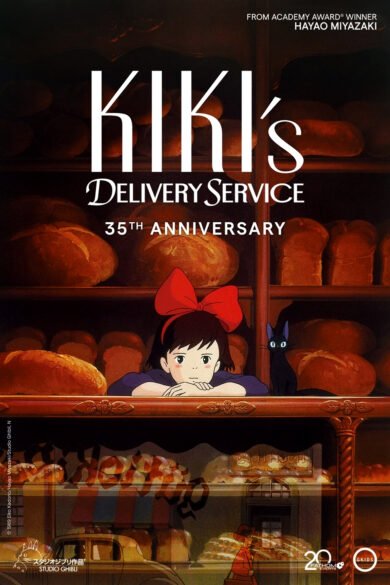
Information
tl;dr
Quick verdict in one line
“Kiki’s Delivery Service” is a charming exploration of independence and friendship, resonating with both children and adults alike.
Who will probably enjoy it and who might not
This film will captivate those who appreciate coming-of-age stories laced with whimsical fantasy and rich visual storytelling. However, viewers looking for fast-paced action or a tightly wound plot may find its more meditative moments lacking in momentum.
Is Kiki’s Delivery Service worth watching now?
Why it still feels fresh decades after release
Decades after its initial release, “Kiki’s Delivery Service” remains remarkably relevant for its themes of self-discovery and resilience. Kiki’s journey resonates with a universal audience, transcending age and cultural boundaries. Its gentle exploration of the trials of growing up feels both timely and timeless. The animation, infused with vibrant colors and lush landscapes, retains a sense of wonder that few modern films can replicate. Even today, the film invites viewers to reflect on the importance of finding one’s place in the world, making it a continual source of inspiration.
How it compares to other Studio Ghibli favorites
When pitted against the likes of “Spirited Away” and “My Neighbor Totoro,” Kiki’s narrative might feel less complex. Yet, it thrives in its simplicity, showcasing Studio Ghibli’s hallmark of emotional depth through everyday experiences. While “Spirited Away” delves into darker themes, Kiki balances light and shadow while maintaining a hopeful tone. Kiki herself, as a character, embodies the resilient spirit seen in other Ghibli protagonists but does so with a grounded charm that sets her apart. In essence, it holds a unique place in the Ghibli pantheon, offering a different flavor of magic that complements the studio’s diverse offerings.
Does the story hold up and how is the pacing?
How the plot keeps things simple without being boring
The narrative arc of “Kiki’s Delivery Service” embraces simplicity, allowing it to resonate deeply without feeling drawn out. By focusing on Kiki’s daily activities as she navigates her new life, the film captures the essence of childhood adventures. This straightforward storytelling enables viewers to easily engage with Kiki’s challenges and triumphs, inviting identification with her growth rather than overwhelming them with convoluted subplots. Each encounter serves a purpose and reinforces Kiki’s primary goal: to understand who she is and what she can offer to the world.
Moments that slow the film and where it soars
While “Kiki’s Delivery Service” flourishes in its heartfelt moments, there are instances where pacing falters, particularly during segments of introspection that may linger longer than necessary. Some of Kiki’s quieter, internal struggles may momentarily draw attention away from the narrative momentum, which could risk losing younger audience members. Yet, when the film shifts into more dynamic sequences—like Kiki soaring over the scenic landscape or her interactions within the bustling town—the exuberance and fluidity of animation rekindle viewer investment. Such contrasts elevate the film, infusing it with emotional weight, ultimately serving to enhance Kiki’s journey rather than detract from it.
Are the characters and performances convincing?
Kiki as a character and her emotional beats
Kiki stands as a beautifully crafted character, embodying the essence of adolescence with its complexities and uncertainties. Her emotional journey—from boundless optimism to moments of self-doubt—feels relatable and nuanced, offering a mirror to the struggles many experience during formative years. The film successfully captures the transient nature of Kiki’s confidence as she faces the challenges of establishing her independence in a new town. Each emotional beat, whether it’s her initial excitement or her subsequent feelings of inadequacy, resonates as both genuine and profound. This depth allows viewers to connect with Kiki on a personal level, transforming her story from a whimsical adventure into a meaningful exploration of identity and resilience.
Supporting cast and the small details that sell the world
The supporting characters populate Kiki’s world with warmth and vibrancy, contributing to a sense of community that enhances the film’s authenticity. Characters like Osono, the baker, and Tombo, the boy fascinated by Kiki’s abilities, are not merely secondary figures; they are thoughtfully drawn individuals with their own arcs and details that flesh out the narrative. Moments like Osono’s encouragement or Tombo’s admiration elevate Kiki’s emotional stakes, providing contrast and support that highlight her journey. Small details, such as the bustling market scenes or the warmth of Osono’s bakery, cultivate an immersive and believable world. These elements work together to ground Kiki’s magical experiences in a reality that’s both endearing and relatable, making her growth feel earned and her connections deeply felt.
How well is the film directed and executed?
Hayao Miyazaki’s touch: tone, visuals, and worldbuilding
Hayao Miyazaki’s direction is meticulous, blending whimsy with poignant insights into the human spirit. He masterfully balances light-hearted moments with deeper themes of self-discovery, ensuring that the film reflects both a child’s wonderment and an adult’s introspection. The tone shifts seamlessly from carefree to contemplative, allowing the emotional weight of Kiki’s journey to emerge naturally. The world Miyazaki builds is alive with detail, from the bustling streets filled with quirky townsfolk to the enchanting skies that Kiki navigates on her broom. This world isn’t merely a backdrop but a character in itself, reflective of Kiki’s inner landscape and struggles, enhancing the storytelling at every turn.
Production values, animation quality, and the score
The production values of “Kiki’s Delivery Service” are exemplary, showcasing Studio Ghibli’s commitment to artistic excellence. The hand-drawn animation is lush and meticulously detailed, breathing life into every frame with vibrant colors and fluid movements that evoke a sense of wonder. The environments are immersive, with a palpable sense of place that draws viewers into Kiki’s adventures. Complementing the visuals, Joe Hisaishi’s score is a standout aspect, infusing scenes with emotional resonance and capturing the spirit of Kiki’s journey. The music swells and recedes in harmony with the narrative, accentuating moments of joy and introspection alike. In this, the film’s technical execution serves not just as a vehicle for storytelling but enriches the narrative experience.
What are the main strengths and weaknesses?
Clear strengths viewers will notice first
At its core, “Kiki’s Delivery Service” excels in its character-driven narrative and emotional authenticity. Kiki’s relatable struggles resonate deeply, making her journey feel both personal and universal. The artful animation and Miyazaki’s direction add layers of beauty and depth, inviting viewers into a masterfully crafted world. The positive messages surrounding independence and self-acceptance strike a chord, reinforcing the film’s lasting relevance. Moreover, the rich sound design and musical score work cohesively to enhance the emotional landscape, providing a sensory experience that lingers long after viewing.
Real flaws or limits that might bother some viewers
Despite its charm, the film’s leisurely pace may not resonate with all audiences. Some viewers might find the absence of traditional conflict or a linear climax less engaging, especially if they’re accustomed to fast-paced storytelling. There are moments where Kiki’s introspective struggles might feel overly drawn out, potentially losing the attention of younger viewers. Additionally, certain character arcs, while heartwarming, may lack depth compared to Kiki’s, leaving some of the supporting cast feeling underwritten. These limitations may become more pronounced for viewers expecting a more tightly woven narrative, causing moments of disengagement even amid the film’s overall warmth and charm.
Who is this film really for?
Families and kids: what to expect
“Kiki’s Delivery Service” serves as a gentle introduction to more meaningful themes for young audiences, blending whimsical fantastical elements with relatable life lessons. Families can expect to find a heartwarming narrative that encourages children to embrace independence and resilience. The visual appeal is undeniable, with vibrant animation that captures the imagination and allows for a rich viewing experience. Younger viewers are likely to delight in Kiki’s adventures and her various interactions with the townsfolk, but the film’s contemplative moments may require parental guidance to ensure a full understanding of its core messages. Overall, it’s a film designed for shared family experiences, inviting discussion around the challenges of growing up through a lens of fantasy.
Adults and rewatchers: themes and moods that land
For adults, the film transcends its surface charm to explore the intricacies of self-discovery, identity, and community. As viewers revisit Kiki’s journey, they might appreciate more profound insights layered beneath the narrative’s familial warmth. The themes of doubt, perseverance, and the fluctuations of confidence resonate deeply, often hitting harder at different life stages. The film weaves a serene yet complex emotional landscape that begs for reflection, capturing the reality of adult life where doubt often shadows independence. Those returning to the film can find fresh layers of meaning, offering a rich context for personal reflection, making it not just a children’s tale but a thoughtful exploration of growth for all ages.
Which version should I watch — English dub or original Japanese?
How the dub changes tone and whether it’s worth it
The English dub of “Kiki’s Delivery Service,” featuring the voices of Kristen Dunst and Phil Hartman, offers a delightful interpretation, introducing a different tonal quality that some find appealing. The humor tends to be slightly more pronounced in the English version, which may add a layer of accessibility for Western audiences. However, this adaptation also risks softening some of the film’s more nuanced emotional beats, as it tends to prioritize joviality over introspection. For those seeking the original poignancy of Miyazaki’s vision, the Japanese version stands as the truest representation, maintaining the integrity of its subtler emotional cues. While both versions are enjoyable, discerning viewers may prefer the original for its authentic connection to the story’s heart.
Recommendation by type of viewer (first-timer vs returning fan)
First-time viewers might find the English dub a more approachable entry point, especially for younger audiences who may be more accustomed to hearing familiar voices and quips. The lighthearted tone captures the spirit of adventure without overwhelming newcomers. However, returning fans or those who appreciate subtleties in storytelling are advised to opt for the original Japanese track. The original performances provide a depth that complements the film’s themes of vulnerability and growth, without the dilution that sometimes accompanies adaptations. Ultimately, the choice hinges on viewer familiarity with subtitled content and personal preference for authenticity in voice performances.
Is Kiki’s Delivery Service problematic in any way?
Common criticisms and how big they feel now
While “Kiki’s Delivery Service” is celebrated for its charm and emotional depth, it isn’t entirely exempt from criticism. Some argue that the film’s portrayal of gender roles, particularly in Kiki’s interactions with male characters, could reinforce traditional stereotypes. Furthermore, the film’s idealization of independence could unintentionally downplay the importance of community support, leading to interpretations that overlook vital interdependence in personal growth. However, in the broader context of Miyazaki’s works, these critiques feel more like footnotes than focal points, as the film’s overall message about self-discovery and resilience remains strong. Thus, while criticisms exist, they seem less pronounced against the backdrop of the film’s many strengths.
How to decide if those issues matter to you
The weight of these critiques varies depending on individual perspectives and experiences. Viewers attuned to nuanced portrayals of gender dynamics in media may find themselves wrestling with the film’s limitations. On the other hand, those who approach “Kiki’s Delivery Service” with an appreciation for its romanticized take on independence may see these aspects as minor distractions rather than major pitfalls. Ultimately, it boils down to personal values and the lens through which viewers interpret the film. Engaging with it from a critical standpoint can enrich the experience, allowing for a deeper conversation about its themes while still savoring the film’s inherent magic.
Is Kiki’s Delivery Service worth rewatching or adding to a favorites list?
Rewatch value: scenes and feelings that reward repeat viewings
“Kiki’s Delivery Service” invites audiences back with its rich tapestry of emotions and charming visuals. Each rewatch unveils new layers of Kiki’s character—a deeper understanding of her struggles, aspirations, and the beauty of her journey. Key scenes, such as Kiki overcoming her self-doubt or the tender interaction with her feline companion Jiji, resonate freshly each time as they tap into universal feelings of vulnerability and growth. The film’s vivid animation, particularly during Kiki’s flights over the picturesque town, becomes even more breathtaking upon revisiting. Familiarity breeds a different kind of appreciation, allowing viewers to savor the artistry and nuanced storytelling that may have gone unnoticed in initial viewings.
Best circumstances for revisiting the film
The ideal conditions for revisiting “Kiki’s Delivery Service” often include a quiet evening or a cozy afternoon, where one can fully immerse in its gentle narrative. It’s a wonderful film to experience during transitional periods in life, such as graduation or when contemplating personal growth, as its themes of independence and resilience resonate strongly in these moments. Screening it with a younger audience can also offer a fresh perspective, inviting discussions around themes of friendship and self-discovery through the lens of nostalgia. Ultimately, whether alone or shared, the film thrives in settings that encourage reflection, allowing its heartfelt messages to surface in meaningful ways.
Practical details: runtime, age suitability, and where to watch
Runtime and recommended viewer age
“Kiki’s Delivery Service” has a runtime of 1 hour and 43 minutes, making it a comfortably paced watch that maintains engagement without overstaying its welcome. It is suitable for viewers aged 7 and up, thanks to its gentle handling of themes related to independence and personal growth. While younger audiences may be enchanted by the animation and whimsical narrative, older viewers will appreciate the subtle complexities embedded in Kiki’s journey, making it a delightful pick for family viewing.
Current streaming/home options and versions to look for
As of now, “Kiki’s Delivery Service” is available on several platforms, including HBO Max and Netflix, offering versions in both English dub and original Japanese. Purchasing options are plentiful through services like Amazon Prime Video or iTunes, where you can find both formats. For those seeking the most authentic experience, tracking down the original Japanese version—complete with subtitles—ensures a connection to the characters’ emotions that the English dub may not fully capture.
FAQs
What do Reddit and Rotten Tomatoes say about Kiki’s Delivery Service?
General sentiment on Reddit reflects a robust appreciation for “Kiki’s Delivery Service,” celebrating its heartwarming themes and lush animation. Users frequently commend its role as a comforting film that soothes the soul, resonating with nostalgia for those who grew up with Studio Ghibli. Rotten Tomatoes maintains a high approval rating, with critics praising its artistry and emotional depth while audiences echo these sentiments, highlighting the film’s enduring charm and relatability. This echoes the film’s dual appeal to both children and adults, securing its reputation as a timeless classic.
Is there an official English version of Kiki’s Delivery Service and is it good?
Yes, the official English version of “Kiki’s Delivery Service” features an engaging voice cast led by Kirsten Dunst and Phil Hartman. The English dub is notable for its warmth and humor, making it an accessible entry point for viewers unfamiliar with subtitled films. However, while it captures much of the film’s essence, purists may argue that some emotional nuances get lost in translation. For a fully immersive experience, many fans still recommend watching the original Japanese version at least once to appreciate Miyazaki’s delicate storytelling fully.
Who voices the cat Jiji and why does the cat matter?
In the English version, the sassy and endearing Jiji is voiced by Phil Hartman, whose comedic timing helps elevate the character’s charm. The role of Jiji extends beyond mere comic relief; he serves as a reflection of Kiki’s inner thoughts, offering both support and skepticism throughout her journey. This dynamic showcases Kiki’s growth and adds depth to her internal struggle, allowing audiences to see her evolving relationship with independence and self-acceptance. Without Jiji’s candid remarks and loyalty, Kiki’s narrative would lack an essential layer of emotional engagement.
Is Kiki’s Delivery Service mentioned in major reviews like The Guardian?
Yes, “Kiki’s Delivery Service” is often featured in major publications like The Guardian, where it is lauded for its beautiful animation and poignant storytelling. Critics frequently highlight the film’s exploration of themes such as independence and self-discovery, recognizing its significance within the Studio Ghibli canon. Reviews tend to celebrate its emotional resonance, affirming that Kiki’s journey remains impactful and meaningful for new generations of viewers.
Is Kiki’s Delivery Service considered problematic or controversial?
While “Kiki’s Delivery Service” is predominantly praised, some discussions around it note concerns regarding gender roles and the film’s traditional portrayal of independence. Some critics argue that Kiki’s reliance on her charm and abilities can inadvertently reinforce stereotypes around femininity. However, these critiques often fall into the background given the film’s overall message of empowerment and self-discovery, which tends to overshadow specific problematic elements. Ultimately, its charm and emotional depth keep it from being labeled as controversial in the way some modern films face scrutiny.
Can I use Kiki’s Delivery Service for an essay or class discussion and what themes are easiest to write about?
Certainly! “Kiki’s Delivery Service” offers a rich array of themes for essay writing or class discussions, from self-discovery and independence to friendship and community. The interplay between Kiki’s growth and the support she receives from those around her presents a nuanced view of personal development, making for engaging analysis. Other salient themes include gender identity and the struggles of adolescence, which can prompt meaningful conversations about societal expectations and self-acceptance. Utilizing these angles enables an exploration of both the film’s narrative and its broader cultural significance.
Where can I watch Kiki’s Delivery Service right now?
Currently, “Kiki’s Delivery Service” can be streamed on HBO Max and Netflix, where viewers can choose between the English dub and the original Japanese version. For those who prefer digital ownership, it is available for purchase on platforms like Amazon Prime Video, Google Play, and iTunes. Be sure to check your local listings, as availability may vary by region, ensuring you can experience this classic film at your convenience.