
Information
TL;DR
Quick verdict in one line
“Kill Bill: Vol. 1” stands as a striking blend of revenge and artistry, a narrative drenched in both style and substance.
Should you watch it tonight or skip it
Absolutely watch it if you’re in the mood for an exhilarating cinematic experience; skip it if you’re not ready to embrace stylish violence and complex themes.
What kind of movie is this — what’s the vibe?
Style, tone, and how violent it feels
From the very first frame, “Kill Bill: Vol. 1” captivates with its visual splendor and audacious style. Quentin Tarantino paints a world that feels both heart-pounding and meticulously crafted, teetering between homage and innovation. The cinematography swells with vibrant colors and dynamic compositions, establishing not only the film’s tone but also its identity. Each shot is a love letter to genres ranging from classic samurai films to spaghetti westerns, fused with Tarantino’s unique flair.
Violence pervades this world, but it’s not gratuitous in a mindless sense. Instead, it’s choreographed like a dance, an art form where every drop of blood serves a purpose. This is a film that embraces its brutality but offsets it with wit and literary dialogue, luring viewers to embrace the duality of beauty and gore. The action feels intense yet stylistically exaggerated, wrapped in a glossy finish that injects a sense of thrill.
Is it a straight-up action flick or something more
“Kill Bill: Vol. 1” can seamlessly fit into the action genre, yet it’s much more than just high-octane brawls. It’s a profound narrative about vengeance, identity, and redemption, drawing viewers into the psyche of its protagonist, the Bride. Tarantino skillfully layer’s the film’s vibrant aesthetics with emotionally charged moments that challenge one’s perceptions of heroism and morality. The film operates like a melodrama as much as it does an action flick, striking a balance that elevates it beyond mere spectacle.
What is Kill Bill: Vol. 1 about (no spoilers)
The basic setup and motivation
At its core, “Kill Bill: Vol. 1” is a tale of revenge. Following the deadly ambush of her wedding, the Bride, played by Uma Thurman, awakens from a comatose state with a singular mission: to exact her revenge on the team of assassins who betrayed her. Her quest leads through a beautifully brutal landscape populated by formidable opponents and visceral confrontations. The setup is primal and timeless, yet Tarantino infuses it with an array of influences, creating a uniquely cinematic narrative rich with cultural references.
Motivation drives the Bride not only to confront her enemies but also to rediscover herself along the way. This pursuit isn’t just external; it’s a deep-seated conflict that unearths trauma, loss, and the quest for closure. The film’s driving force lies firmly in her journey, igniting questions about what one must endure in the name of vengeance and whether justice can ever truly be served.
The emotional stakes without giving away plot beats
While the film is masterclass in exhilarating action, it excels in conveying the emotional weight behind the Bride’s mission. The stakes are palpably high. Every foe she faces represents pieces of her shattered life, transforming her quest into a cathartic journey that hits the viewer on a visceral level. It’s a reflection on pain, the nature of retribution, and the unyielding search for identity in the aftermath of violence. Each confrontation sheds light on the complexities of her character, forcing viewers to empathize with her rage and sorrow.
Fearless yet broken, the Bride’s quest allows audiences to explore the intricacies of her psyche. Tarantino doesn’t just give us bloodshed; he invites us into a world rife with emotional turmoil. It’s this duality that makes “Kill Bill: Vol. 1” resonate, as viewers find themselves wrestling with their own feelings of empathy, righteousness, and the seductive power of revenge.
This film is not merely an exploration of vengeance; it’s a deep dive into the process of healing and empowerment, making every blow exchanged feel significant and each moment of reflection grounds us in the character’s profound journey.
Does the story and pacing hold up?
How the revenge plot moves across the runtime
“Kill Bill: Vol. 1” delivers its trademark relentless energy right from the opening credits. Quentin Tarantino’s masterful craft ensures that the revenge narrative unfolds not just as a sequence of events, but as a visceral experience. The film’s pacing is characterized by a rhythmic buildup, weaving through flashbacks and present-day confrontations. This dynamic storytelling method keeps viewers tethered to Uma Thurman’s character, The Bride, as her quest for vengeance propels the narrative forward with palpable urgency.
Rather than feeling like a slog towards a predictable climax, each chapter immerses us in the consequences of past actions. The film acknowledges the weight of revenge while maintaining an engaging velocity that almost feels choreographed. Tarantino’s deliberate choice of nonlinear storytelling adds layers to the plot; past and present collide with tangible stakes, enhancing the emotional weight of each encounter. This approach not only bolsters the urgency but also elevates the tension, making each confrontation feel like an inevitable reckoning.
Any lulls or scenes that keep things urgent
While “Kill Bill: Vol. 1” precariously balances numerous pacing elements, it rarely succumbs to lulls. Some quieter moments might appear less exhilarating at first glance, but each scene feels intentional. The film often cuts between The Bride’s harrowing journey and the backstories of those she hunts. This creates a pulse of anticipation that never quite flatlines.
When The Bride confronts O-Ren Ishii, the film’s pacing sharpens, maintaining an electrifying cadence. Tarantino’s flair for dialogue ensures that even slower, more introspective moments resonate deeply, shedding light on character motivations and potential outcomes. The combination of mythic storytelling and stark violence sustains tension throughout the runtime, making every moment meaningful.
Are the performances convincing?
Uma Thurman and the lead performance breakdown
Uma Thurman’s portrayal of The Bride is often cited as iconic, and rightfully so. With ethereal grace and robust ferocity, she embodies a character propelled by fury and heartbreak. Thurman manages to balance vulnerability with an unyielding resolve, rendering The Bride not just a vehicle of vengeance but a deeply human figure. Her physicality in fight scenes juxtaposes starkly with quieter emotional moments, showcasing her versatility as an actress.
Thurman’s performance achieves authenticity through meticulous attention to detail, from her delivery of Tarantino’s sharp dialogue to her commanding presence during intense action sequences. She invites the audience to step inside her character’s psyche, evoking empathy even in the face of brutality. The transformation from a wedding-day victim to a lethal warrior feels organic, allowing viewers to connect with her on a profound level.
Standout supporting turns and how they land
The film’s depth isn’t solely anchored by Thurman’s singular performance. The supporting cast elevates the narrative through compelling portrayals of fully realized antagonists, especially Lucy Liu as O-Ren Ishii. Liu’s performance mingles elegance and menace, illustrating a formidable adversary. Her chilling calmness, marked by iconic moments of violence and calculated revenge, ensures that O-Ren stands as a worthy opponent in The Bride’s journey.
The supporting cast also includes memorable turns from Vivica A. Fox and Daryl Hannah, each bringing their unique flair to the film. Fox’s character, Vernita Green, confronts The Bride with urgency and sincerity, capturing a sense of lost friendship turned sour. Hannah’s portrayal of Elle Driver infuses an unpredictable element into an already volatile mix. Their performances complement Thurman’s, crafting a narrative tapestry rife with tension and emotional stakes.
How does it look and sound?
Visual style, cinematography, and memorable shots
“Kill Bill: Vol. 1” excels visually, marking it as a stunning testament to Tarantino’s aesthetic vision. Cinematographer Robert Richardson employs striking contrasts and dynamic framing to deliver an experience that feels simultaneously cinematic and comic-book-like. Moments such as the iconic showdown in the House of Blue Leaves are painted in vivid colors, combining graphic violence with almost serene beauty, evoking samurai films while grounding it in Tarantino’s unique style.
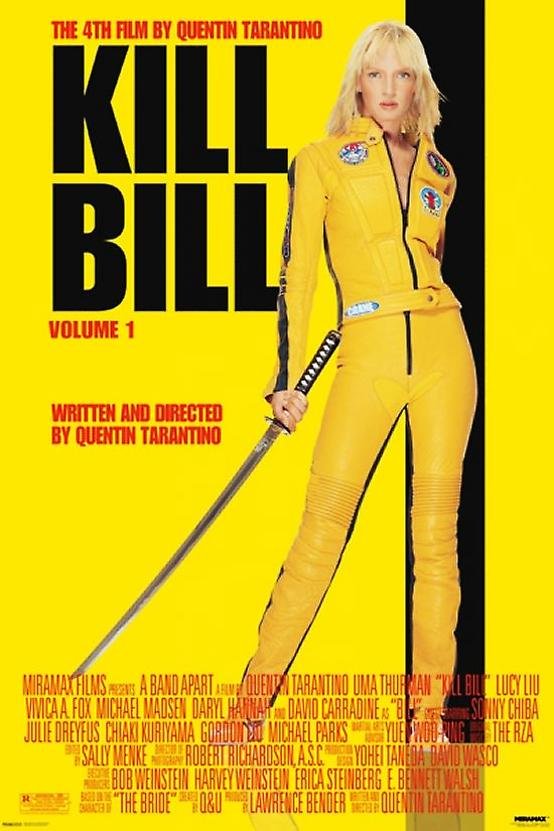
The choreography of fight scenes is equally impressive, weaving in martial arts influences that accentuate the visual storytelling. Iconic shots—like The Bride standing against a field of yellow—underscore the film’s stylistic duality. These visuals serve a dual purpose, enticing viewers in with beauty while punctuating the stakes of vengeance.
The soundtrack, score, and sound design impact
Complementing the visuals is a soundtrack that’s unapologetically eclectic—a hallmark of Tarantino’s signature style. From the instantaneously recognizable “Bang Bang (My Baby Shot Me Down)” to the pulsating beats of hip-hop, each selection enriches the film’s narrative. The marriage of sound to visuals enhances emotional moments and underscores the film’s tone, creating an immersive experience that reverberates long after the credits roll.
The score, crafted by the director alongside music supervisor Mary Ramos, deftly incorporates existing motifs and original compositions. Sound design amplifies visceral moments, from the clash of swords to the crunch of fallen foes. Each auditory element aids in anchoring the film’s momentum, ensuring that audiences feel as much as they witness.
“Kill Bill: Vol. 1” is a sprawling exploration of revenge that thrives on its kinetic energy, dynamic performances, and stylistic flair. Its masterful pacing keeps viewers firmly invested, while standout performances and a rich visual and auditory palette ensure it’s not just a film but an experience—one that continues to resonate within the cultural landscape.
What works — the good stuff
Quentin Tarantino’s “Kill Bill: Vol. 1” established itself as an instant classic upon its release, blending influences that span decades of cinema history. The film’s seamless dexterity with tone and action showcases why Tarantino is a maestro of genre mash-ups. The careful construction of its narrative, fueled by revenge and stylistic bravado, serves as a compelling vehicle for exploration of themes like justice, betrayal, and redemption.
Specific scenes and choices that pay off
From the pulse-pounding opening sequence to the striking showdown with the Crazy 88, Tarantino’s choices in pacing and shot composition create an exhilarating experience. The black-and-white filtering during the confrontation in the House of Blue Leaves not only heightens the tension but also echoes classic samurai films, adding a meta-narrative layer that acknowledges its influences. The moment The Bride, played with fierce determination by Uma Thurman, reveals herself isn’t just striking visually; it’s charged with emotional weight, reinforcing her transformation from victim to avenger.
Each scene is meticulously crafted, relying heavily on iconographic visual storytelling. The use of sudden cuts enhances the visceral punch of each action sequence, making viewers feel every thrust of a blade. Tarantino’s clever inclusion of pop culture references—the cheers of the audience during the fight scenes, for example—transforms the viewing experience into a celebration of cinema itself.
Why those elements make the movie fun or meaningful
What differentiates “Kill Bill: Vol. 1” is Tarantino’s unabashed love for film genres and his ability to pay homage to them while creating something new. The film blends anime aesthetics with martial arts choreography, appealing to diverse audiences and inviting meaningful discussions about representation and transformation in genre cinema. The brutal elegance of its fight scenes is not only entertaining; it invites viewers to examine the psychological motivations behind violence and revenge.
Each character, from the ruthless O-Ren Ishii to the vengeful Bride, embodies archetypes while also subverting expectations. These choices contribute to the film’s thematic depth, allowing it to resonate on multiple levels and making each extreme act of violence a statement, not just a spectacle.
Standout moments (no spoilers)
Tarantino’s expertise in crafting memorable cinema is evident in “Kill Bill: Vol. 1,” with many moments that linger long after the credits roll. The film thrives on shocking action and artistry, leading to unforgettable scenes that elevate the viewer experience.
Action beats and set pieces to watch for
One of the film’s standout sequences occurs during The Bride’s confrontation with the Crazy 88. The choreography showcases a tapestry of combat styles interwoven with an operatic score, making the violence feel almost balletic. Each cut and thrust is captured in dynamic camera movements that create an immersive experience.
The dojo sequence with Hattori Hanzō brilliantly captures Tarantino’s signature flair. Here, a simple conversation morphs into a high-stakes emotional conflict that underscores The Bride’s determination and emotional stakes. This tension solidifies the moment as both a narrative pivot and a visual marvel.
Smaller moments that stick with you after the credits
The quieter moments are equally impactful. The flashback of The Bride’s past is delivered with a haunting melody that lingers in the viewer’s mind, evoking empathy for her plight. Similarly, the brief interactions with secondary characters, such as the deep respect between The Bride and her mentor, add emotional layers that resonate long after the film ends. These moments remind us that behind the action lies a deep exploration of loss and vengeance that shapes the film’s overarching narrative.
Is Kill Bill: Vol. 1 worth rewatching or seeing now?
With its vibrant visuals, innovative storytelling, and emotionally charged performances, “Kill Bill: Vol. 1” deserves a place in any cinephile’s viewing library. The film remains fresh, captivating audiences with its artistic choices and layered storytelling.
Rewatch value and how it holds up over time
“Kill Bill: Vol. 1” is a film that reveals new details with each viewing. Its multi-faceted characters and intricate narrative lead to a deeper understanding of Tarantino’s artistic genius. The film blends humor and horror in a way that continues to resonate with viewers today. Each revisit offers a renewed appreciation for the artistry involved, whether it’s reveling in the vibrant color palettes or dissecting the iconography woven throughout.
Even nearly two decades post-release, the film feels timely. Its themes of female empowerment, revenge, and personal justice remain relevant, making it a compelling watch for both new audiences and nostalgic fans.
How it connects with Vol. 2 and the full experience
Many viewers are often eager to see how “Vol. 1” interlaces with “Kill Bill: Vol. 2”. The setup of carefully planted seeds in the first volume enhances the payoff in the second, creating a rich tapestry of storytelling. Themes of betrayal, loyalty, and revenge are revisited, encouraging discussions about the duality of The Bride’s journey.
The contrasts between the two volumes offer a holistic exploration of Tarantino’s intentions, combining explosive action with intimate storytelling. This duality elevates the viewing experience, urging audiences to embrace the full arc of The Bride’s journey, from her blood-soaked path of vengeance to her ultimate emotional reckoning.
In conclusion, “Kill Bill: Vol. 1” stands as an indomitable force in Tarantino’s filmography. Its blend of audacious action and intelligent storytelling engages viewers on multiple levels. For fans and newcomers alike, it promises an extraordinary cinematic experience, ensuring its rightful place in the pantheon of unforgettable films. Don’t miss out on this cinematic gem that’s built to be savored over and over.
FAQs
What do Reddit and IMDb generally say about Kill Bill: Vol. 1?
The cinematic conversation around “Kill Bill: Vol. 1” remains as vibrant as its signature blood-splattered visuals. Fans often turn to platforms like Reddit and IMDb for insights, where discussions revolve around the film’s stylistic elements and complicated character arcs. Reddit threads often dissect Tarantino’s homage to genre films, highlighting his masterful blending of martial arts, revenge, and spaghetti western influences. Users marvel at Uma Thurman’s performance, defining her portrayal of The Bride as iconic, even transformative for female characters within action cinema.
On IMDb, the film holds a remarkable rating reflecting its lasting impact, with audiences praising its tight pacing and unforgettable score by RZA. Many users reminisce about specific scenes: a mesmerizing fight against the Crazy 88 and the emotional heft of The Bride’s backstory. Critiques emerge too, often circling back to its graphic violence, viewed by some as excessive but celebrated by others as an integral part of the narrative style.
In essence, the discourse surrounding “Kill Bill: Vol. 1” reveals a community engaged in a multifaceted exploration of its artistic qualities and moral complexities. The film’s unique approach continues to inspire fan theories and heated debates, solidifying its status as a modern classic in the action genre.
Where can I stream it, what’s the runtime, and what’s the rating?
For those keen on revisiting Tarantino’s brilliant craftsmanship, “Kill Bill: Vol. 1” is readily available for streaming on platforms like HBO Max and Amazon Prime Video. The film runs for approximately 111 minutes, packing an intense blend of action, drama, and dark humor into a compact runtime. It holds an R rating, primarily due to its graphic violence and strong language, making it crucial for viewers to approach with a discerning mindset.
The accessibility of this film accentuates its cultural significance; it’s easy to find, yet challenging to fully comprehend without delving into its layers. Whether you’re a long-time fan or new to Tarantino’s work, “Kill Bill: Vol. 1” invites you to engage with its rich tapestry of themes and striking visuals. With its sleek runtime and notable rating, it’s an essential watch for any lover of cinema.