
A mall, a coven and a new twist on clique horror
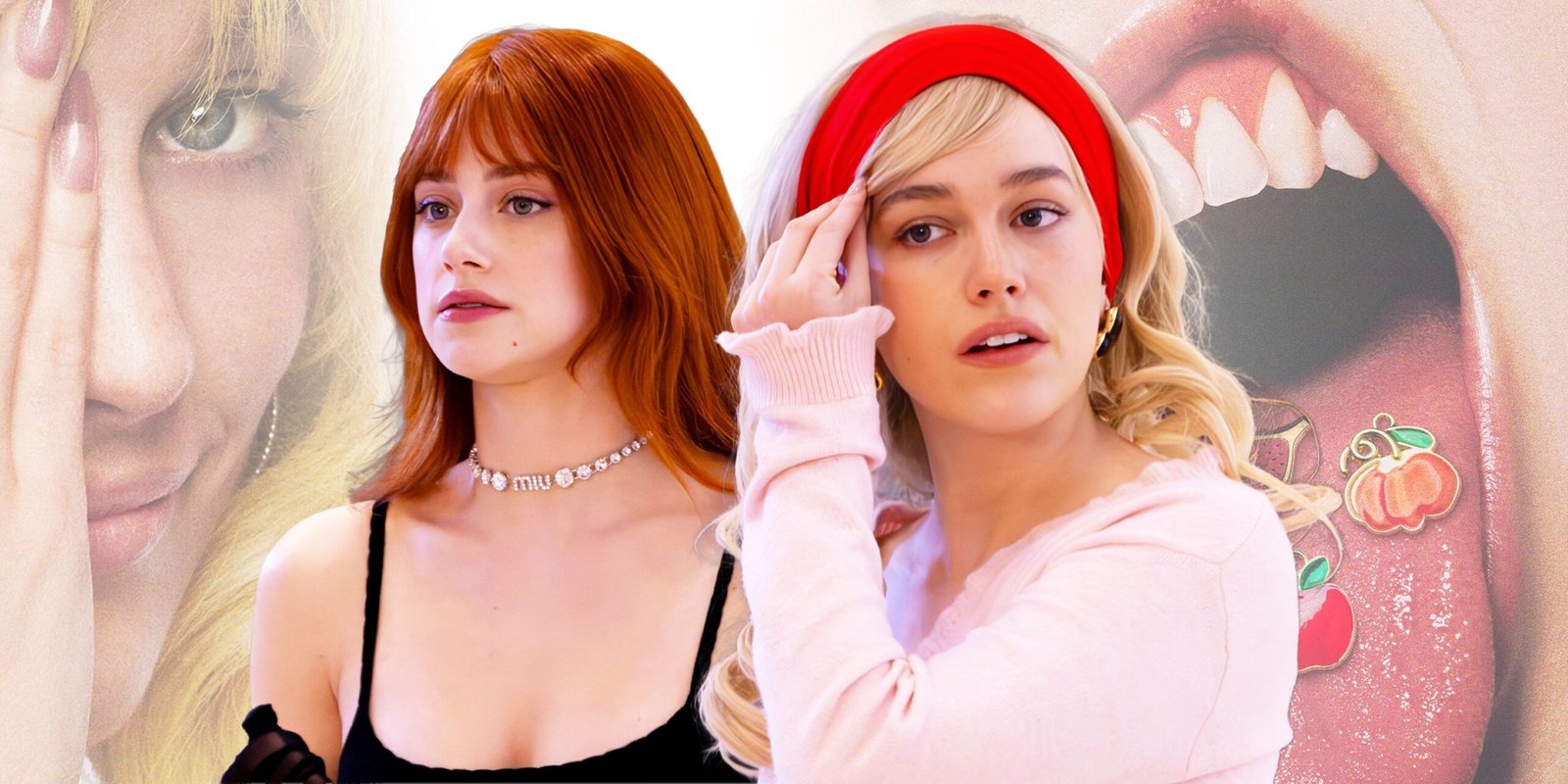
Forbidden Fruits reunites a high-profile young cast — Lili Reinhart, Lola Tung, Alexandra Shipp, and Victoria Pedretti — for a psychosexual, witchy take on teenage clique dramas. Set entirely inside a mall where the titular Fruits rule the retail roost by day and practice witchcraft by night, the film blends the glossy cruelty of Mean Girls with the supernatural bite of The Craft and the dark satire of American Psycho.
Directed by Meredith Alloway and co-written with Lily Houghton, Forbidden Fruits mines the dangerous allure of performative female friendship while delivering genuine horror. The film premieres at SXSW on March 16, 2026, and opens in theaters on March 27, 2026.
The premise: queen bees and a new recruit
At the center of Forbidden Fruits is Free Eden, the hottest boutique in the mall and the social hub for The Fruits — a coven-like circle of girls who wield influence and, increasingly, more sinister power. Lili Reinhart plays Apple, the charismatic leader whose charisma masks deeper fractures. Victoria Pedretti is Cherry and Alexandra Shipp is Fig — loyal lieutenants with their own vulnerabilities. Lola Tung joins the group as Pumpkin, a newcomer whose search for belonging makes her both an ideal recruit and a potential disruptor.
When Pumpkin begins to question the group’s dynamics and rituals, loyalties are tested and the coven’s rituals slide into darker territory, escalating beyond mere teenage cruelty into outright violence.
Lili Reinhart’s Apple: the Regina George of the coven
Casting is crucial in a film built around a dominant personality, and Reinhart was drawn to the challenge of embodying a villain who still elicits sympathy. Having joined the project while still working on Riverdale, Reinhart spent roughly two years preparing for Apple’s complex psychology.
She described the process of inhabiting Apple as a study in empathy: “I had to be like, ‘Wait, wait, wait. I have to play this girl and connect to this woman and be her, and she doesn’t think she’s doing anything wrong, so I can’t think she’s doing anything wrong.’” Reinhart worked with an acting coach to ground Apple’s extreme behavior in believable motivations — the kind of personal betrayals that make someone construct their own family out of friends. As she put it, “Blood should be thicker than water, and when it isn’t, how do you create your own family?”
Reinhart also emphasized the visual construction of Apple — the masks and wigs that keep the character’s true self hidden until cracks begin to show — giving the audience just enough humanity to understand her descent.
Inside The Fruits: loyalty, fear and moral malleability
The supporting trio around Apple embodies different reasons why young women might fall into toxic group dynamics.
- Alexandra Shipp’s Fig is a former loner who values friendship above all. Shipp explains Fig’s malleability: her fear of losing the group makes her willing to compromise her morals, asking the audience to consider whether loyalty should ever supersede conscience.
- Victoria Pedretti’s Cherry helps fill out the coven’s interior life, contributing to the sense that these women have built a family — however warped.
- Lola Tung’s Pumpkin arrives as a seemingly friendly, well-meaning outsider who’s “friends with everybody, but kind of nobody at the same time.” Tung says Pumpkin has “never felt a closeness and vulnerability like this,” which makes the eventual fallout feel especially painful. “In certain moments, they talk about things that nobody else talks about, and they make you feel like you’re part of something special and unique,” Tung said, noting the group’s magnetic pull.
Together, the characters dramatize the question many viewers will recognize: when a friend does something wrong, do you intervene or join in?
Tone and themes: satire, sisterhood, and the politics of belonging
Alloway and Houghton conceived Forbidden Fruits as more than a straightforward horror picture. The filmmakers deliberately leaned into satire to expose the performative aspects of modern female social hierarchies. Alloway compared the intended tonal balance to American Psycho: characters treating their lives with grave seriousness while the film keeps a playful, sometimes mocking distance. That levity is designed to sit alongside genuinely brutal, raw moments.
Alloway also explained the film’s feminist through-line. After researching female criminals and female serial killers, she and Houghton were interested in stories that explore why women commit violence — often for reasons distinct from classic male-driven serial narratives. Those interests fed into the adaptation of Houghton’s stage play Of the Women Came the Beginning of Sin, and Through Her We All Die, the source material behind the movie.
The collaborators eventually reframed their initial label of “girlboss ways” into a sharper critique: performative sisterhood. In their words, the danger stems from an urgent need to belong and the lengths people go to feel accepted; Alloway noted, “If the women just really were like, ‘Are you okay? Because I’m not okay,’ none of the chaos would ensue.”
Production background and creative team
Forbidden Fruits adapts Lily Houghton’s stage work, with Houghton co-writing the screenplay alongside director Meredith Alloway. The film’s producers include Mary Anne Waterhouse, Diablo Cody, and Mason Novick.
The production recreated a full mall environment at Toronto’s Sherway Gardens Mall; Alloway pointed out the meta-connection that the mall used for filming is the same location for Mean Girls’ fountain scene, underscoring the movie’s deliberate dialogue with clique cinema classics.
During a March 2025 set visit, Alloway described how both she and Houghton had been immersed in research about female criminals and relational dynamics, which informed the tone and motives of the story. That research led her to the shorthand she used early on: “It’s Mean Girls, but a slasher.”
Release plans and festival debut
Forbidden Fruits is scheduled to premiere at South by Southwest (SXSW) on March 16, 2026, where it will make its world debut. The film then opens in theaters nationwide on March 27, 2026.
Why Forbidden Fruits matters
Forbidden Fruits arrives at a moment when filmmakers are re-examining the emotional labor, hierarchy, and performance embedded in female friendships. By combining glossy, clique-driven aesthetics with explicit horror and satirical distance, the film promises both a familiar high-school-canvas thrill and a darker, more unsettling exploration of how people create family when blood ties fail. With a high-profile cast and a sharply tuned creative vision, Forbidden Fruits looks poised to spark conversations about loyalty, belonging, and the price of acceptance.