
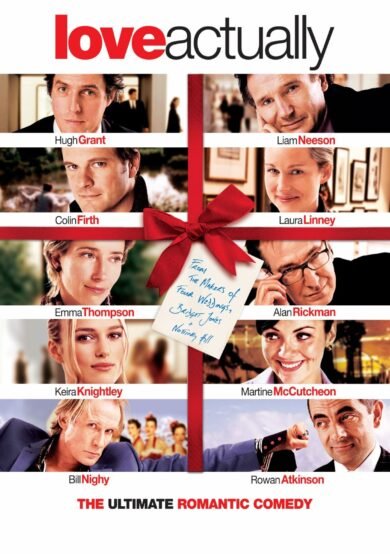
Information
tl;dr
Quick verdict
“Love Actually” remains a quintessential romantic comedy that tugs at the heartstrings while expertly weaving multiple narratives. Its blend of humor and romance brings both warmth and nostalgia. However, its portrayal of relationships often teeters on cliché, detracting from the otherwise engaging storytelling. While some moments resonate deeply, the film’s unevenness might leave viewers questioning its heartfelt sincerity.
Who will enjoy it
Fans of ensemble casts and interconnected love stories will find much to appreciate here. Those who enjoy British humor punctuated by holiday cheer and the occasional serious moment might also find themselves enchanted. However, viewers critical of its conventional tropes or those uncomfortable with the film’s more problematic depictions of romance might feel alienated.
What kind of movie is Love Actually?
Genre, tone, and holiday vibe
“Love Actually” embodies the romantic comedy genre, laced with festive spirit that enhances its charm. The film oscillates between lighthearted hilarity and poignant reflection, presenting a collection of love stories set against the backdrop of Christmas. Its warm visuals, punctuated by a memorable score from Craig Armstrong, evoke a profound holiday vibe. Yet, this seasonal setting doesn’t just provide aesthetic comfort— it amplifies the stakes of each romance, making the acts of love and heartbreak feel particularly impactful during a time often associated with connection.
Release year and why it matters
Released in 2003, “Love Actually” entered a post-9/11 cultural landscape, a period when audiences craved warmth and connection, rather than cynicism. This film’s timing speaks volumes, serving as both a comfort and an ode to human resilience in the face of uncertainties. It also paved the way for future ensemble romantic dramas, influencing the tone and structural approach of many that followed. Yet, as time has gone on, its initial charm has led to scrutiny, particularly regarding its romantic ideals and lack of character depth for certain story arcs.
Does the story and pacing hold up?
Are the multiple storylines balanced?
The film boasts a rich tapestry of intertwined storylines, each reflecting different facets of love. While this ambitious approach has its strengths, it often leads to an uneven treatment of characters, with some arcs feeling paper-thin in comparison to others. Notably, the climactic moments work well for some couples, like the endearing connection between David and Natalie, but others, such as the troubled marriage of Harry and Karen, seem rushed and lack the depth to earn their emotional weight. This inconsistency can leave viewers disengaged from certain arcs while passionately invested in others.
Where it lags or moves briskly
Pacing fluctuates unevenly throughout “Love Actually,” with certain storylines carrying an urgency that contrasts starkly against those that meander. For instance, the narrative concerning Mark’s unrequited love for Juliet, while hauntingly romantic, unfolds at an almost lethargic pace, causing it to drag. In contrast, the unfolding of David’s political charm and his budding romance feels brisk and refreshing, creating an ebb and flow that keeps viewers intrigued. Ultimately, the emotional highs and lows rely heavily on viewer investment, making the storytelling experience one of both pleasure and frustration as it oscillates between engaging and aimless.
Are the performances convincing?
Standout turns and chemistry
“Love Actually” thrives on the charisma of its ensemble cast, with several performances capturing the essence of their characters in memorable ways. Hugh Grant’s portrayal of the Prime Minister is particularly delightful; his awkward charm and comedic timing lend an air of authenticity to a character who could easily become a caricature. The electric chemistry between him and Martine McCutcheon, representing the working-class Natalie, resonates with genuine warmth that elevates their romance beyond the typical rom-com fare.
Keira Knightley and Andrew Lincoln deliver a poignant performance that beautifully illustrates unrequited love, marked by Lincoln’s hauntingly tender declaration with the cue cards. Their emotional exchange is not only impactful but serves as a microcosm of the film’s exploration of love in various forms. Similarly, Emma Thompson’s nuanced performance as Karen showcases a heartbreaking balance between strength and vulnerability, making her struggles feel profoundly real. These standout performances demonstrate how the cast balances humor and sincerity, effectively grounding their relationships in tangible emotional stakes.
Any underused or shopworn parts
While the film shines in many areas, a few character arcs languish under the weight of stereotypes or underdevelopment. The subplot involving the aging rock star, played by Bill Nighy, often feels like a one-note joke rather than a fully realized story. Despite Nighy’s charismatic approach, the character’s journey can come off as clichéd, reducing a potentially richer exploration of love and loss into a mere comedic side plot that doesn’t quite land.
Moreover, certain connections, such as the young lovers Sam and Joanna, while endearing, lean heavily on predictable tropes, lacking the complexity found in other unions. With so many narratives to juggle, some characters feel neglected or reduced to mere exposition, diluting the overall impact of the film’s emotional palette. This unevenness creates a sense that not every story is given the chance to fully develop, leaving viewers yearning for greater depth.
How well is it directed and put together?
Direction, editing, and tonal control
Richard Curtis brings his signature touch to “Love Actually,” weaving together the disparate storylines with an energetic rhythm that reflects the holiday spirit. The unapologetic shifts in tone—from joyous earnestness to gut-wrenching heartache—exemplify his ambition as a director, yet this ambition doesn’t always gel cohesively. There are moments where the transitions feel abrupt, leading viewers to grapple with an emotional whiplash that may detract from the intended warmth.
The editing, while snappy in some places, occasionally struggles with pacing as several subplots are introduced and resolved within fleeting moments. This uneven approach can undermine the emotional weight of certain resolutions, particularly for arcs that require more grounding for their stakes to resonate. Ultimately, despite Curtis’s commendable intent, the control over the tonal shifts throughout the film feels inconsistent, rendering some connections less believable.
Music, production design, and moments that land
The film’s soundtrack is a standout feature, bolstered by both iconic tracks and original compositions that tie intimately to the narrative’s emotional core. The use of familiar Christmas songs enhances the holiday ambiance, acting as a character in its own right and enriching the film’s themes of love and connection. Combined with Craig Armstrong’s evocative score, these musical elements often amplify the emotional scenes, allowing them to land with greater impact.
Production design further contributes to the film’s visual charm, from the quaint streets of London decked for Christmas to the cozy interiors that evoke a sense of warmth and nostalgia. These choices create a festive atmosphere that complements the storyline, making “Love Actually” feel like a genuine Christmas classic. However, it’s the moments of unexpected sincerity—like the bus stop encounter between Colin and the bride—that truly stand out, capturing the spirit of love in its many forms. These small, authentic interactions are where the film shines brightest, often overshadowing the more problematic elements woven throughout.
What are the biggest strengths and weaknesses?
What consistently works
At its core, “Love Actually” succeeds in creating a tapestry of interconnected stories of love, reminding viewers of the multifaceted nature of human relationships. The sheer charm of its stellar cast, coupled with well-crafted moments of vulnerability, often captivates audiences, making it hard to resist its appeal. The humor strikes a pleasant balance against the backdrop of romance, offering both light-heartedness and deeper reflections on love that resonate with viewers.
Moreover, the film’s timing within the Christmas season provides that extra layer of emotional accessibility, allowing narratives centered on connection to feel particularly poignant. Many of the film’s climactic moments become more than just plot twists; they serve as affirmations of love that linger with the audience, celebrating both joyous and painful aspects of life. There’s a reason it remains a holiday favorite for many.
What may bother viewers
However, the film’s reliance on certain romantic tropes may alienate a segment of its audience. Characters often fall into stereotypical roles—be it the clueless man unable to articulate his feelings or the heartbroken wife grappling with betrayal. For contemporary viewers, these portrayals can feel outdated or problematic, leading to an overarching sense that the film doesn’t fully engage with the more complex realities of love and relationships.
Additionally, the uneven pacing can frustrate some viewers, as certain storylines feel rushed or underdeveloped, leading to emotional resolutions that lack depth. The clashing tones can also disrupt the film’s rhythm, with some moments feeling forced or overly sentimental. While it’s a film rich with charm and levity, these shortcomings may make some audiences question its sincerity, hampering the overall experience. It remains a classic for its warmth, but not without valid critiques of its thematic execution.
Who is this really for?
Best audience and ideal viewing mood
“Love Actually” finds its most appreciative audience among those who revel in the familiarity of romantic tropes wrapped in a holiday package. It’s ideal for viewers seeking a blend of warmth and humor, particularly during the festive season when the themes of love and connection feel particularly resonant. Couples looking for a movie that balances lighthearted romance with emotional depth will likely find it satisfying. The film’s ability to interconnect various love stories invites viewers to reflect on their own relationships, making it a great choice for those in nostalgic moods or craving a comforting cinematic experience.
However, it’s crucial to approach the film with an open mind. Fans of British sensibilities in humor, where wit often underpins heartfelt moments, will appreciate the film’s charm. Yet, acknowledging the aspects that might feel cliché opens the door for a richer experience. The film thrives on its ability to bring humor to the table, and it truly shines for those who wish to indulge in something light yet encapsulating the festive spirit.
When you might want to skip it
Conversely, those who are critical of traditional romantic narratives might find “Love Actually” frustrating. Its predictable arcs and at times problematic portrayals of relationships can alienate viewers who seek complexity and nuance. If you’re someone who values depth in character development or strong commentary on modern relationships, you might want to pass this one up. The film’s reliance on stereotypes, especially concerning gender dynamics and emotional expression, can feel outdated and off-putting for a contemporary audience.
Moreover, if you prefer narratives that challenge audiences or invite deeper conversation around love in its myriad forms, the film’s lighter touch and reliance on familiar tropes may come across as unfulfilling. In moments where the emotional beats are earned through cliché rather than genuine connection, viewers seeking authenticity in storytelling are bound to feel let down.
Is Love Actually worth rewatching?
Comfort rewatch value and repeat appeal
“Love Actually” offers a paradoxical blend when it comes to rewatching. On one hand, its ensemble cast and cheerful holiday setting make it a go-to film during the Christmas season. The interwoven stories provide a comforting sense of familiarity, which is why it has achieved such cult status. Many viewers revel in the chance to see how connections unfold and relish in the comedic moments that pop up each time they view it.
Yet on closer examination, the film’s appeal may not hold the same value on repeated watches. The emotional punches, powerful the first time around, can lose their impact due to predictability. Once you’ve seen the climactic moments—a culmination of love declarations and heart-wrenching miscommunications—there’s a chance they won’t pack the same emotional weight upon re-experiencing. For many, it may serve as annual comfort food, but for others, the charm might wear thin with familiarity.
Which scenes hold up on repeat
Despite its predictability, certain scenes in “Love Actually” shine through regardless of the number of times they’ve been viewed. The poignant moment shared between Mark and Juliet, especially with the famously romantic cue cards, retains its power. The sincerity of Mark’s unrequited love, juxtaposed with Juliet’s surprise, resonates deeply and continues to evoke emotion even after multiple viewings.
Additionally, Hugh Grant’s infectious dance through 10 Downing Street—complete with catchy pop songs—remains a delightful highlight. It exemplifies joy in love and spontaneity, capturing the essence of the film’s message about embracing romance in unexpected moments. The blend of humor and earnestness is amplified in such scenes, effectively preserving their impact even upon rewatch.
How does the movie stand up today?
Dated elements, diversity, and cultural context
“Love Actually” is not without its antiquated elements, particularly when viewed through a modern lens. The film’s portrayal of relationships often falls into comfortable stereotypes that, while charming, can feel reductive. The gender dynamics, especially in the portrayal of women’s roles, lean heavily on traditional expectations, which can come across as jarring in our current cultural climate striving for diversity and complexity.
Furthermore, the film’s underrepresentation of minority voices and perspectives is glaring. With a predominantly white cast and little exploration of the broader definitions of love, it can feel out of touch with today’s audience, who increasingly demands variety and representation in stories. The way relationships are presented may not resonate with everyone, especially as conversations surrounding consent and emotional integrity grow ever more nuanced.
Nostalgia versus modern sensibilities
The nostalgia attached to “Love Actually” is undeniable. For those who grew up with it, it embodies a sense of comfort and tradition, often evoking fond memories tied to family and festive celebrations. Yet, nostalgia can cast a shadow that blinds one to the film’s shortcomings. As societal norms shift, viewers today might find themselves grappling with the film’s romantic ideals, questioning their validity and relevance in a more progressive world.
While many cherish the warmth and humor that the film offers, there’s a nuanced disconnect when facing its portrayal of love against the backdrop of evolving understandings of relationships. It raises an interesting dialogue about what aspects of the story still resonate, and what may feel like a relic of a past era. The challenge lies in reconciling the film’s charm with the realities of modern sensibilities, ultimately leaving the viewer to decide whether the warmth outweighs the bothersome clichés that accompany it.
FAQs
Is Love Actually a Christmas movie?
Defining “Love Actually” strictly as a Christmas movie risks oversimplifying its narrative and emotional landscape. On the surface, the film is set during the holiday season and employs Christmas as its backdrop. Yet, the film’s deeper exploration of love—romantic, familial, and platonic—transcends the festive season. It uses Christmas to heighten stakes and emotional moments, but the core of the film lies in its multifaceted portrayal of relationships; stripping away the holiday decorations could reveal its universality. The holiday theme undeniably adds warmth and nostalgic charm, but one could argue that the film’s true merits rest in how it presents love’s complexities rather than in its holiday trappings.
Where can I watch Love Actually and how long is it?
“Love Actually” is readily accessible across various streaming services and digital rental platforms, making it easy for viewers to experience its intertwining stories. Its runtime sits at a comfortable 135 minutes, which, while not unusually long for an ensemble film, exposes its pacing issues. The film’s length can feel stretched at times, particularly when certain story arcs don’t reach satisfying conclusions. However, it’s this very duration that gives the audience the chance to explore the nuances of love through its richly populated scenes. While some may find the length gives time to develop emotional beats, others might feel that it just becomes another lounge-wear flick that’s difficult to sit through all at once.