
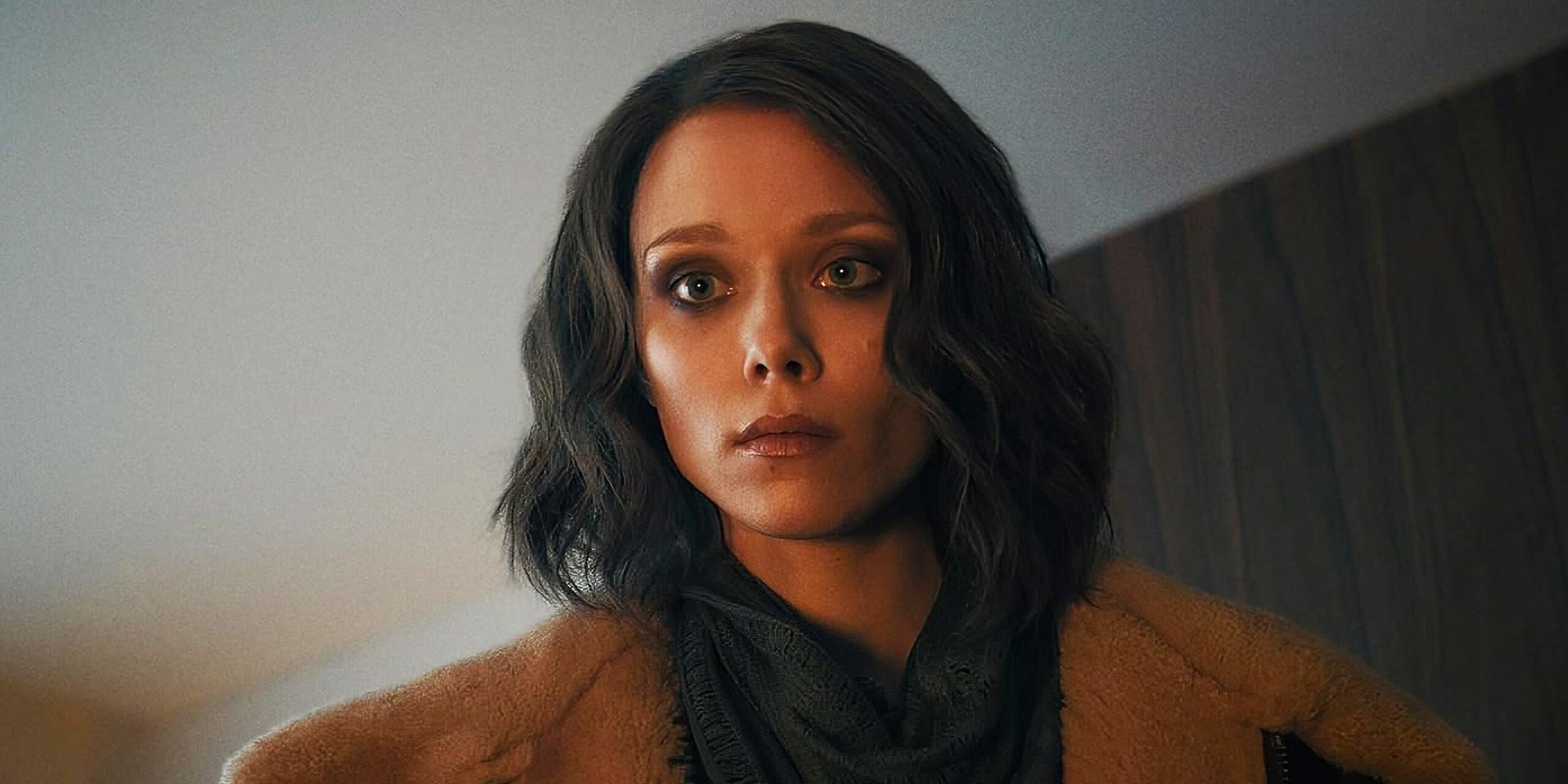
Blumhouse’s uneven year and two modest rebounds
After a string of underperforming releases, Blumhouse—long known for low-budget genre hits—managed a modest rebound with two sequels this year: Scott Derrickson’s Black Phone 2 and Emma Tammi’s Five Nights at Freddy’s 2. Neither matched the global grosses of their predecessors, but both earned enough to be considered commercial successes. That relief arrived after an extended period in which several Blumhouse projects struggled to connect with theatrical audiences, including titles such as Wolf Man, The Woman in the Yard, and Afraid.
Even so, one of the studio’s biggest disappointments came from a film many expected to be a safe bet: M3GAN 2.0. Its theatrical performance was so weak that it not only dented franchise momentum but also prompted frank admissions from studio leadership about where things went wrong.
The numbers: a steep drop from the original
M3GAN 2.0 closed its theatrical run with under $40 million worldwide against a reported production budget of roughly $20 million. That outcome stands in sharp contrast to the first M3GAN film, which broke out as a word-of-mouth sensation in 2023 and earned more than $180 million globally on an approximately $12 million budget.
Critical response also shifted markedly between the two films. The sequel opened to mixed reviews—holding a 57% score on Rotten Tomatoes versus the original’s 93%—and many viewers felt the follow-up’s tone and genre choices diverged from what made the first film popular.
Key facts at a glance
- Worldwide box office: less than $40 million
- Reported budget: about $20 million
- Original (2023) worldwide gross: more than $180 million
- Rotten Tomatoes: original 93%, sequel 57%
- Director (sequel): Gerard Johnstone; writer: Akela Cooper
- Release date (sequel): June 27, 2025; Runtime: 120 minutes; MPAA: PG-13
Why the sequel faltered
Several factors contributed to M3GAN 2.0’s underperformance:
- Genre and tone shift: Many fans expected a continuation of the horror-comedy energy that made the first film a viral hit. The sequel leaned more into sci-fi-thriller elements, which left some viewers dissatisfied and confused about marketing and creative intent.
- High expectations and impossible comparisons: After the breakout success of the original, the sequel faced heightened scrutiny that magnified any departures in style, pacing, or story.
- Weaker critical reception: Lower aggregate review scores reduced the positive critical momentum that helps sustain mid-budget genre movies over multiple weekends.
- Marketing challenges: Attempts to recreate the organic virality of the first film did not generate comparable word-of-mouth, leaving the sequel more exposed to opening-weekend pressures.
The fallout: a canceled spin-off and an honest appraisal
The film’s box office results triggered tangible consequences for the franchise. A planned spin-off titled SOULM8TE was removed from its scheduled release date in January and is reportedly being offered to potential buyers. The studio’s founder, Jason Blum, publicly acknowledged missteps in the sequel’s handling during a post-release interview, saying the company may have overestimated the franchise’s built-in value and noting that the tonal shift was a mistake. He also defended director Gerard Johnstone, observing that Johnstone produces his best work when given more time.
Streaming offers a second life
Despite its theatrical disappointment, M3GAN 2.0 has gained traction on streaming platforms. According to FlixPatrol, the film ranked as the number one title on HBO Max’s global charts over Super Bowl weekend, evidence that audience interest has revived once the movie reached home viewers. Higher audience scores compared with critical reviews suggest the film resonates more strongly with at-home viewers than with theatrical-going critics.
This streaming resurgence highlights a growing dynamic in modern distribution: box office receipts no longer tell the entire story. A film that underperforms in cinemas can still build an audience and cultural footprint through streaming, where discoverability and casual viewing can generate renewed enthusiasm.
What this means for the franchise and Blumhouse
M3GAN 2.0’s trajectory—box office disappointment followed by streaming popularity—underscores the evolving economics of genre filmmaking. For Blumhouse, the experience is both cautionary and instructive:
- Cautionary: Sequels must respect the tone and audience expectations established by originals, especially when those originals broke out via word-of-mouth and social media.
- Instructive: Strong post-theatrical performance can mitigate box office losses and influence future decisions about sequels, spin-offs, and platform strategy.
The canceled spin-off shows studios remain quick to recalibrate when theatrical performance falls short. Still, the sequel’s streaming success could reopen conversations about the franchise’s future—whether that means selling the shelved project, retooling plans, or greenlighting new entries that better align with fan expectations.
The takeaway
M3GAN 2.0 illustrates how modern film lifecycles play out across multiple platforms. A rough theatrical run doesn’t necessarily spell the end for a property; streaming can revive interest and reshape perceived value. For audiences and studios alike, the film is a reminder that tone, marketing, and platform strategy matter as much as budget and brand recognition when it comes to sustaining a franchise.