
Information
tl;dr
Quick verdict in one sentence
“Mission: Impossible III” revitalizes the franchise with a tight narrative and emotional weight, delivering high-stakes thrills alongside genuine character arcs.
Who will enjoy it most
Fans of the espionage genre and previous installments will find a compelling blend of action and intimacy, while viewers seeking strong character dynamics and emotional depth will be particularly engaged.
Is Mission: Impossible III worth watching?
What the film does best
At its core, “Mission: Impossible III” excels in humanizing its protagonist, Ethan Hunt, portrayed with a newfound vulnerability by Tom Cruise. The stakes feel personal, primarily due to the film’s focus on Hunt’s relationships, particularly with his fiancée, Julia. This emotional investment not only heightens the tension in action sequences but also means that the audience truly cares about the outcomes for its characters. J.J. Abrams’ directorial debut in the franchise impressively balances spectacle with heart, expertly choreographing action set pieces that feel not just exhilarating but also relevant to Hunt’s emotional journey.
When it falls short
Despite its emotional core, the film occasionally stumbles in pacing, particularly during the exposition-heavy scenes. While necessary to clarify plot intricacies, they can detract from the kinetic energy that fuels the film. Some supporting characters, like the shadowy villain Owen Davian, while menacingly portrayed by Philip Seymour Hoffman, could benefit from deeper development. His motivations, though somewhat conveyed, feel rushed and prevent a fuller exploration of his role as a foil to Hunt. This oversight means the film occasionally leans on its action to carry the narrative, rather than fully fleshing out its thematic depth.
Does the story and pacing hold up?
How the plot moves and where it stalls
The narrative flows dynamically during action set pieces, showcasing creative choreography and brisk editing that heightens tension. However, outside these sequences, the film struggles with slower moments, where certain plot developments feel drawn out. As Hunt grapples with personal stakes, the intensity sometimes gives way to heavy-handed exposition that awkwardly halts the momentum. Dramatic moments, which should resonate, occasionally feel weighed down by unnecessary complexity, leaving room for viewers to lose connection momentarily.
Does the film balance action and character moments
Abrams’ direction finds a commendable equilibrium between frenetic action and quieter, character-driven moments. The high-octane heists serve as a backdrop to the exploration of Hunt’s motivations: his longing for connection, his fears of loss, and his relentless drive to protect those he loves. Unlike some action films that prioritize thrills over emotional stakes, “Mission: Impossible III” refuses to sacrifice character for spectacle. The careful weaving of character moments into the fast-paced narrative adds layers, demonstrating that even in a world of relentless espionage, it’s the human element that truly captivates.
Are the performances and characters convincing?
Tom Cruise and the lead cast — do they sell it
Tom Cruise brings a palpable depth to Ethan Hunt that elevates the character beyond mere action hero tropes. His delivery is both charismatic and vulnerable, allowing audiences to genuinely connect with his relentless pursuit, not just of missions but of personal happiness. This is evident in scenes where his facade of control cracks, revealing the stakes he’s willing to gamble to protect those he loves. The chemistry between him and Michelle Monaghan, who plays Julia, is particularly striking. Monaghan adds a sincerity that feels fresh and organic, facilitating moments that resonate even amid frenetic action. The emotional stakes set the stage for Cruise’s strong performance, grounding him as a protagonist who feels both heroic and human.
Supporting players and character development
While the lead performances shine, the supporting cast plays a critical role in shaping the narrative’s emotional landscape. Ving Rhames returns as Luther Stickell, offering a blend of humor and loyalty that deepens the sense of camaraderie within Hunt’s team. Simon Pegg’s introduction as Benji injects a much-needed levity and charm that balances the film’s darker themes. However, not all supporting characters receive the same treatment; many feel underdeveloped, which hampers the film’s potential for richer conflict. Philip Seymour Hoffman’s Owen Davian, while menacing and well-acted, often lacks the backstory to make his villainy feel truly impactful. This uneven character development detracts from fully realizing the stakes at play, leaving some relationships feeling somewhat superficial.
How well is the movie directed and staged?
Action choreography, set pieces, and tone
J.J. Abrams displays a deft touch in his directorial debut, skillfully orchestrating pulse-pounding action sequences that remain coherent and visually striking. The set pieces are meticulously crafted, each reflecting not only the narrative’s urgency but also drawing on the emotional arcs of the characters involved. The standout moments—particularly the exhilarating rescue sequence—are punctuated with a tightness that keeps viewers on edge. Abrams balances this high-energy spectacle with a tonal sincerity; he trusts the audience to engage with characters’ vulnerabilities amid their nail-biting escapades. This balance lends the film a unique flavor within the franchise, blending heart and adrenaline in a way that feels both exhilarating and deeply involving.
Visual style, editing, and soundtrack impact
Visually, “Mission: Impossible III” boasts a polished aesthetic, with cinematographer Dan Mindel crafting a palette that conveys both grit and grandeur. The seamless editing rhythm amplifies the film’s action sequences, ensuring momentum without sacrificing clarity. Sound design enhances the overall experience, making each explosive moment reverberate with intensity. Michael Giacchino’s score deserves commendation; it’s both sweeping and intimate, underscoring key emotional beats while propelling the narrative forward. The combination of visual flair and auditory engagement encapsulates the film’s heightened sense of urgency and stakes, reinforcing that every moment matters in the universe Abrams has created.
What are the biggest strengths and weaknesses?
Key strengths that make it watchable
The film’s ability to inject genuine emotional stakes into its action-thriller framework sets it apart from many in the genre. Tom Cruise’s nuanced portrayal of Ethan Hunt allows viewers to invest emotionally in his journey, transforming what could have been a straightforward narrative into a compelling exploration of love and sacrifice. The effective blend of humor and tension fosters a connection to the characters, making the audience care about their fates. Strong supporting performances, especially from Ving Rhames and Simon Pegg, further enhance this engagement, offering both gravitas and levity. These elements are crucial in delivering a satisfying cinematic experience that lingers long after the credits roll.
Major flaws that might bother viewers
Despite its many strengths, “Mission: Impossible III” grapples with pacing issues, particularly during its slower moments. Certain scenes aimed at exposition can feel laborious, momentarily detracting from the film’s overall momentum. This imbalance threatens the otherwise compelling narrative flow and may test viewers’ patience during vital character moments. Additionally, the underdevelopment of key antagonists presents a missed opportunity for deeper thematic resonance, leaving some confrontations feeling somewhat hollow. For viewers expecting layered complexity in character dynamics, these shortcomings might prove frustrating, reminding them that even exhilarating action can’t fully compensate for a lack of narrative depth.
How does Mission: Impossible III compare to the rest of the series?
Similarities and differences with Mission: Impossible 1 and 2
“Mission: Impossible III” stands out in its franchise lineage by adopting both familiar and innovative approaches that redefine the series. Like the original film, it builds on the tension of espionage and the complexities of betrayal. However, it shifts away from excessive puzzle-solving and convoluted plots that slightly marred its predecessor, opting instead for a more streamlined narrative focused on the character of Ethan Hunt. While the first film revels in its twists and mind games, and the second attempts to inject an extreme stylistic flair through slow-motion antics, the third installment establishes a more grounded emotional core.
Moreover, this film introduces a significant depth to Hunt’s character through his personal relationships, particularly with Julia. This emotional investment starkly contrasts with the more detached narratives of the earlier movies, helping the audience forge a connection that elevates the stakes during high-octane sequences. The movie integrates heart with action, marking a tonal pivot that would become a hallmark of subsequent installments.
Lead-in to Mission: Impossible 4 and franchise placement
Positioning itself as a crucial pivot point toward the fourth installment, “Mission: Impossible III” not only strengthens the world-building within the franchise but also sets up thematic threads that resonate throughout the series. The film successfully lays the groundwork for the more expansive narrative approach taken in “Ghost Protocol.” The emphasis on team dynamics and the importance of personal stakes introduced here becomes a template for future films, where Hunt’s crew evolves from mere collaborators to integral parts of his emotional journey.
As “Mission: Impossible III” closes with a sense of unresolved tension regarding Hunt’s relationship with Julia and lingering threats from adversaries, it offers a seamless transition into the next chapter. This does not merely serve as a continuation but enhances the overarching narrative arc, emphasizing the sacrifices and choices that define Hunt’s relentless pursuit of justice and security.
Who is this really for?
Fans who should definitely watch
Dedicated followers of the series will find much to appreciate in “Mission: Impossible III.” It revisits the pulse-racing excitement of espionage while infusing a significant emotional depth that enriches the experience. Longtime fans of Tom Cruise’s portrayal of Ethan Hunt will find themselves more invested than ever—his character is not just a skilled operative but a man fighting against personal demons and external threats alike. Those who revel in intricate character-driven narratives rather than just action sequences will find satisfaction here. The film’s balance of heart-pounding thrills and intimate moments resonate with viewers who crave a deeper understanding of the stakes involved.
Additionally, fans of J.J. Abrams will likely appreciate his directorial approach. His capacity to blend humor with intensity, along with the attention to character dynamics, marks a refreshing departure from the previous entries. It’s a film that manages to please both die-hard action aficionados and those seeking an emotional connection, appealing to a broad audience demographic while remaining firmly rooted in the series’ essence.
Viewers who might want to skip it
However, casual viewers or those unfamiliar with the previous films might feel a bit lost in “Mission: Impossible III.” While its emotional core offers a gratifying experience, it’s heavily interwoven with established relationships and narrative arcs that newer audiences may struggle to fully appreciate. People expecting standalone action may find the character-focused moments slow and meandering, leaving them disconnected from the stakes.
Moreover, viewers seeking clear-cut action without the accompanying emotional baggage might be disappointed. The film’s deeper exploration of character vulnerability, while refreshing for some, might feel unnecessary for those who prefer high-octane spectacles without such introspection. The occasional pacing issues can also weigh down the experience for those less invested in character development and emotional payoff.
Is Mission: Impossible III worth rewatching or streaming now?
Replay value: action, character, and nostalgia factors
There’s a solid argument to be made for the replay value of “Mission: Impossible III,” particularly for its well-crafted blend of action and emotional resonance. The set pieces, particularly the thrilling rescue mission and the breathtaking climax, remain gripping, and the stakes are as palpable on second and third viewings. The character arcs, especially Hunt’s evolving relationship with Julia, add a layer of depth that encourages audiences to revisit their journey and emotional struggles.
Nostalgia plays a significant role as well, especially for those who have grown with the franchise. Recognizing the shifts in tone and direction that began here enriches the viewing experience. It serves as a reminder of a franchise not merely resting on its laurels but evolving, setting it apart from other action series that fail to develop their protagonists beyond surface-level thrills.
Best way to watch (theater, streaming, or rent)
Given the film’s dynamic visual style, catching “Mission: Impossible III” on a larger screen would undoubtedly heighten the experience, allowing viewers to fully appreciate the intensity of the action sequences and the cinematic nuances crafted by Abrams. However, with it being readily accessible on streaming platforms, new viewers and franchise veterans alike can easily indulge from the comfort of their homes. Renting it provides a cost-effective method to revisit the film, especially for those looking to experience it without the commitment of ownership.
Ultimately, regardless of the medium, “Mission: Impossible III” holds up as a worthy entry in the franchise, deserving of attention and reexamination.
Practical details every viewer wants to know
Release date, runtime, and parental rating
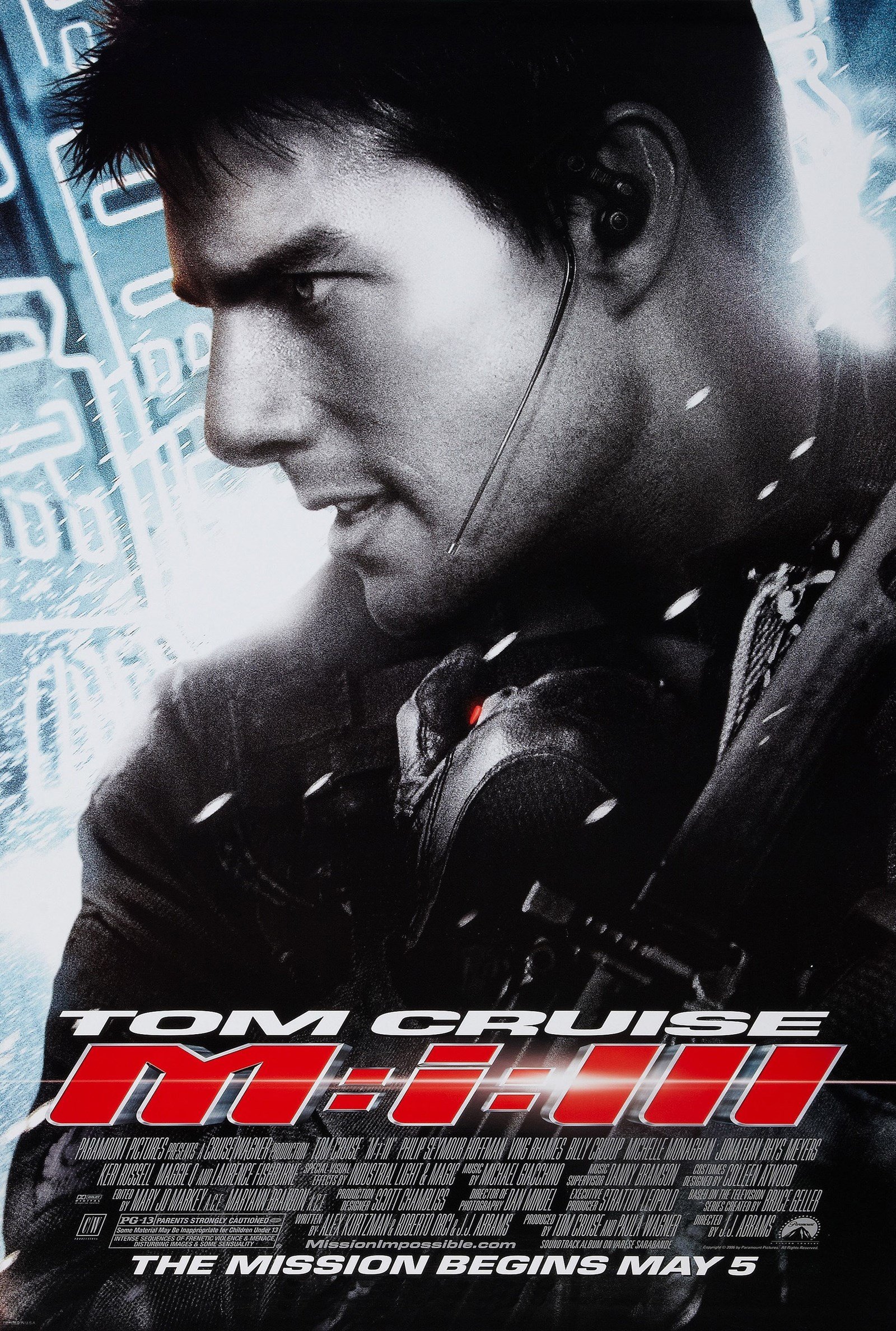
“Mission: Impossible III” was released on May 5, 2006, marking the series’ return after a five-year hiatus. The film runs for a brisk 126 minutes, a runtime that efficiently balances character development and action-packed sequences. It carries a PG-13 rating for intense sequences of violence and disturbing images, ensuring that while the film delivers adrenaline-soaked thrills, it remains accessible to a broader teenage audience. The balance of dramatic stakes with permissible content is one of the film’s selling points, allowing for a more extensive viewership without sacrificing its edge.
Where to watch now and key cast list
As of now, “Mission: Impossible III” is widely available for streaming on platforms such as Paramount+ and various rental services. This accessibility makes it easy for both longtime fans and newcomers to explore this installment of the franchise. In terms of the cast, the film features a strong ensemble that includes:
- Tom Cruise as Ethan Hunt
- Michelle Monaghan as Julia Mead
- Philip Seymour Hoffman as Owen Davian
- Ving Rhames as Luther Stickell
- Simon Pegg as Benji Dunn
- Laurie Holden as Rachel
This diverse cast not only contributes to the film’s layered narrative but also each brings a unique presence that enriches the overall experience. The interplay among the characters, particularly with Hunt at the center, showcases a dynamic range that keeps viewers invested.
FAQs
What’s the Rotten Tomatoes score for Mission: Impossible III?
As of now, “Mission: Impossible III” holds a respectable score on Rotten Tomatoes, hovering around 70%, indicating a generally positive reception from critics and audiences alike. The score reflects its successful blend of action and emotional stakes, although some critiques about pacing and character depth remain present. This mixed reception highlights that while the film effectively revitalizes the franchise, there are nuanced aspects that drew divided opinions.
Is the cast (including the villain) good in Mission: Impossible III?
The cast of “Mission: Impossible III” delivers performances that are both compelling and nuanced. Tom Cruise shines in a role that invites vulnerability amid the thrills of espionage. His chemistry with Michelle Monaghan renders their relationship both believable and emotionally impactful. Meanwhile, Philip Seymour Hoffman’s portrayal of the villain Owen Davian adds a menacing gravitas, though the character’s motivations could’ve benefited from more depth. While he brings a chilling presence, the narrative does not fully explore his contrasts to Hunt. Overall, the performances largely elevate the material, though some character arcs leave viewers wanting more.
Are there standout action set pieces worth seeing on a big screen?
Absolutely. The action sequences in “Mission: Impossible III” are tailor-made for the big screen experience, each crafted with urgency and exhilarating creativity. From the gripping opening helicopter rescue to the high-stakes climax in a warehouse, these moments are more than just visually stunning; they serve to underscore Hunt’s emotional journey. The careful choreography and tension-building editing enhance the impact of each set piece, making them a feast for both the eyes and the adrenaline junkie. Experiencing these sequences on a larger screen amplifies their intensity and makes them worth witnessing.
How connected is this to Mission: Impossible 4?
“Mission: Impossible III” serves as a pivotal bridge to “Mission: Impossible – Ghost Protocol,” establishing key thematic elements and character dynamics that resonate in the fourth installment. The film introduces the importance of teamwork and personal stakes, setting a precedent for a more collaborative approach in later films. While it stands on its own, the emotional weight of Hunt’s relationships and the ongoing threat from Daivian creates a continuity that enriches the narrative progression into the subsequent films. These connections enhance the franchise’s overall arc, demonstrating a deliberate evolution in tone and storytelling.
Is Mission: Impossible III family friendly or suitable for teens?
With a PG-13 rating, “Mission: Impossible III” is generally suitable for teens, particularly those who can manage moderate levels of intense violence and some disturbing imagery. Its exploration of personal stakes and emotional connections makes it more than just another action flick. However, parents should consider individual maturity levels, as the film’s darker themes may be challenging for younger viewers. The mix of high-octane action and interpersonal drama keeps it engaging for older teens, creating a viewing experience that fosters discussions about the characters’ motivations and moral dilemmas.
Who directed Mission: Impossible III and does the direction match the franchise style?
J.J. Abrams makes his directorial debut in “Mission: Impossible III,” bringing a fresh yet confident approach to the franchise. His directorial style balances the franchise’s hallmark action with a distinct focus on character-driven storytelling. Abrams’ keen eye for pacing ensures that even amid the plethora of action, emotional beats resonate effectively. The blend of humor and intensity reflects a clear understanding of the genre and elevated the film above its predecessors. His vision successfully balances the grand scale of blockbuster action with intimate character moments, marking a notable evolution that aligns the film with contemporary audience expectations while still honoring its roots.