
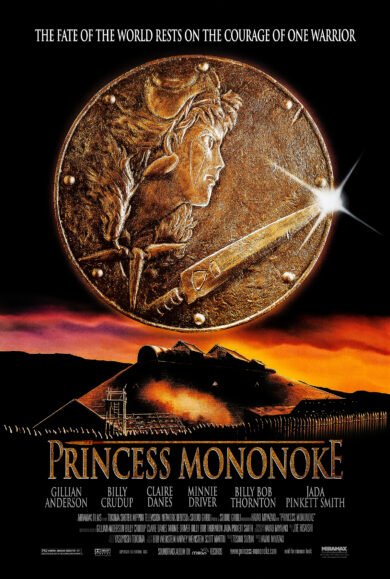
Information
TL;DR
Short verdict in one line
“Mononoke-hime” artfully blends lush visuals with profound themes, captivating from its first frame.
Quick reasons to watch or skip
Watch for its breathtaking animation and rich thematic depth that challenges our understanding of nature and humanity. Skip if you prefer straightforward narratives, as this film leans into abstract storytelling and complex character arcs.
What’s the vibe? Is it dark, beautiful, or both?
Tone, pace, and emotional temperature
The “Mononoke-hime” teaser trailer showcases a beautifully crafted world steeped in both majesty and melancholy. The slow, haunting pace invites viewers into a tapestry of contrasting emotions, where beauty lies in the detail of nature, yet a lurking sorrow permeates the atmosphere. With every sweeping shot of forests and wildlife, there’s an echo of fragility that grabs your attention, striking an emotional chord long before the story unfolds. The cinematic tones—rich greens against the grayness of encroaching destruction—hint at an inner struggle that’s palpable.
How violent or intense does it feel?
Even through snippets of technique and visual storytelling, the trailer hints at a narrative suffused with conflict. Sharp edits and moments of tension pull you into a world where nature’s fury meets human error. The violence isn’t gratuitous but feels inevitable, a consequence of the deep-seated struggles between humans and the spirits of the forest. Despite the beauty, there’s a lingering sense of dread that lingers, wrapping around each frame and heightening the emotional stakes you can expect in the film.
What is Mononoke-hime about (no spoilers)
The basic setup and stakes
At its core, “Mononoke-hime” is set against the backdrop of a world on the brink. The teaser alludes to central characters embroiled in an epic struggle, not just for survival but for understanding and coexistence. As the stakes rise, so does the complexity of the conflicts — grappling with external foes and internal ideals alike. The visuals hint at a protagonist’s journey that intertwines personal growth with broader themes of environmentalism and coexistence, laying the foundation for a story that resonates deeply across various audience demographics.
The themes you’ll notice right away
From the very first frames, the trailer introduces themes of conflict—between man and nature, technology and tradition. Spirituality meets identity as characters appear to be shaped by their surroundings, each reflecting varied interpretations of what it means to coexist with nature. The imagery evokes a deep sense of existential inquiry: What responsibilities do we carry toward the world we inhabit? This thematic depth is woven aesthetically, promising audiences a film that does more than entertain; it dares to provoke and question.
The trailer tantalizes with visual storytelling that envelops viewers, suggesting that “Mononoke-hime” offers a journey through a beautifully crafted world brimming with darkness and light, underscoring the indelible bond between humanity and the environment.
Visual tone, cinematography, and symbolism
The animation techniques showcased in the teaser elevate its storytelling. Fluid motion and meticulous attention to detail allow viewers to soak in every visually stunning aspect. The use of color serves a symbolic purpose: warm tones signify life and hope, while stark contrasts suggest discord and despair. These layers of symbolism subtly foreshadow the narrative’s unfolding, inviting viewers to consider deeper interpretations of their surroundings.
Character and/or antagonist analysis
Returning vs new characters
While the teaser provides glimpses of familiar faces, it keeps audiences guessing about who will emerge as heroes or foes. New characters are hinted at, suggesting a broadening narrative scope beyond what fans might expect, potentially leading to intriguing dynamics as old alliances shift and new ones form.
Conflicts hinted at in the trailer
The conflicts teased are both internal and external, with some characters appearing torn between their duties and their personal beliefs. This complexity hints at potential betrayals and shifts in loyalty, marking a departure from simplistic categorizations of good and evil.
Thematic deep dive
Drawing comparisons to earlier works by the director, “Mononoke-hime” seems to echo the themes of human versus nature, seen in the director’s previous films. However, it introduces nuances—characters are not merely heroes or villains but are portrayed with a rich tapestry of motivations. This complexity enriches the story, allowing for profound empathy toward all sides.
Fan theories & speculation section
Narrative twists
Fans speculate that the film could lead to plot twists involving unexpected alliances as characters navigate their conflicted relationships with the environment and each other. Understanding why certain characters act against their initial portrayals could deepen narrative engagement.
Hidden villains or secret motivations
Some theories suggest that what appears to be a clear antagonist may actually hold more complex motivations. The potential for hidden villains—characters with deeply personal stakes—could flip audience assumptions overnight. This sense of unpredictability heightens the tension, keeping viewers engaged as they attempt to decipher intentions.
Character betrayals or deaths
The trailer hints at possible betrayals that could alter characters’ arcs, raising the stakes in a morally ambiguous storyline. Casualties could alter alliances, pushing tension to new heights while allowing for poignant moments of growth and realization.
Timeline or universe implications
Given the mythology hinted at in the teaser, fans speculate whether “Mononoke-hime” is positioned within a larger universe that connects it to other narratives. This connection could open doors for crossovers or deep explorations of its thematic foundations.
Franchise / genre implications
As a potential flagship within its genre, “Mononoke-hime” carries the weight of expectation from fans and critics alike. Its arrival marks a significant moment in animated cinema, setting high standards for the delicate balance of storytelling and animation quality.
Release date & expectations
The confirmed release window is set for next month, creating considerable buzz among enthusiasts eagerly awaiting its arrival. Given the palpable excitement surrounding its return, the film promises to not only meet but possibly exceed expectations.
Strong final verdict
“Mononoke-hime” embodies profound themes wrapped in visceral storytelling and striking visuals. Should it resonate deeply with audiences, it could signify a renaissance for the genre. Conversely, the film’s ambitious scope could risk alienating those seeking resolution over nuance. Whatever the outcome, this isn’t just another animated movie—it’s an invitation to explore the complexities of our world.
With a blend of beauty and darkness, “Mononoke-hime” dares to ask what it truly means to exist in harmony with the world around us, leaving us to ponder the answer long after the credits roll.
Does the story and pacing hold up?
Is the plot easy to follow or deliberately messy?
“Mononoke-hime,” commonly known as “Princess Mononoke,” presents a narrative that walks a tightrope between clarity and complexity. The film, a hallmark of Hayao Miyazaki’s storytelling prowess, unfolds in a richly layered universe teeming with moral ambiguity and environmental themes. Instead of a straightforward conflict, it introduces viewers to a tapestry of interwoven stories that elicit varying degrees of empathy for each character’s plight.
The plot, while not obscured by needless convolutions, demands attention and engagement. It invites viewers to wrestle with the inherent contradictions of humanity’s relationship with nature, echoing contemporary eco-critiques. In doing so, the narrative achieves a delicate balance; it is neither chaotically incoherent nor simplistically predictable.
Where the film speeds up or slows down
The pacing adapts to the emotional stakes in play. Intense action sequences propel the story forward, offering brief moments of respite through contemplative pauses, allowing audiences to reflect on significant themes. The contrast is most evident in climactic encounters with monstrous boars and explosive confrontations, which are punctuated by moments of meditation, as characters grapple with their roles in this fantastical yet painfully relatable conflict. This fluidity in pacing not only enriches the viewing experience but fosters a deeper understanding of the thematic undercurrents.
Are the performances convincing?
Original Japanese vs. English dub — different strengths
The film’s emotional resonance is amplified by its performances, driven by talented voice actors from both the original Japanese cast and the English dub. In the Japanese version, actors like Yōji Matsuda and Akiko Yano deliver nuanced portrayals that resonate with the cultural ethos inherent in Miyazaki’s work. Listeners can hear the gravity in their tones, rare moments of vulnerability that are skillfully executed.
Conversely, the English dub, featuring voices like Claire Danes and Billy Crudup, breathes a different kind of life into these characters. While some nuances may shift in translation, the English cast captures the essence of their roles with a subtle, emotionally charged energy that captures the film’s spirit. Each version offers distinct strengths, highlighting character depth and emotional stakes through varied cultural lenses.
Which characters carry the emotional weight
The film’s narrative landscape is populated with figures who embody internal conflict and multidimensionality. Ashitaka, the film’s protagonist, carries the moral burden of his journey as he seeks to mediate the human and natural worlds. His internal struggles resonate well beyond the animated frame.
However, it is San, the titular figure, who embodies the film’s emotional core. Her fierce devotion to the forest and its spirits provides poignant insights into the complexities of love, hatred, and sacrifice. Viewers are left questioning the edges of loyalty and empathy—whether San’s anger is a legitimate response to humanity’s transgressions or a barrier to her healing. Through their riveting performances, these characters anchor the narrative, allowing viewers to feel every emotional beat.
What works — The good stuff
Visuals and animation moments that stun
“Mononoke-hime” is a visual feast, an artistic wonder that encapsulates the very best of Studio Ghibli’s house style. From the sweeping vistas of lush forests to intricate details of character designs, every frame invites admiration. Notably, scenes showcasing the mystical creatures—particularly the Forest Spirit and the boars—exemplify an impeccable blend of fluid animation and lifelike artistry. The film’s use of vibrant colors juxtaposed with darker palettes effectively highlights the thematic weight of humanity’s encroachment on nature.
Moments of transformation, especially from san to the wolf goddess, provide visual metaphors that complement the narrative arcs, making it a statement not just of storytelling but of artistry. Each visual moment captures a poetic quality, reinforcing the emotional highs and lows interwoven throughout the tale.
Music, sound, and atmosphere that land
Joe Hisaishi’s score amplifies the atmospheric richness of “Mononoke-hime.” The haunting melodies mirror the internal conflicts of characters and amplify the mystical aura enveloping the forest. Instruments ranging from flutes to orchestral sweeps create an auditory landscape that complements the emotional beats, drawing viewers deeper into the experience.
The sound design further enhances this stand-out score. Every rustle of leaves, snarl of boars, or whisper of winds carries context and mood. This orchestration serves to immerse audiences in both the beauty and the perils of the film’s world.
Themes and emotional punches that stick
At its core, “Mononoke-hime” wrestles with profound themes: environmentalism, coexistence, and the duality of human nature. The film does not shy away from displaying the consequences of ecological devastation, presenting an unflinching look at industry versus nature. Yet, it also extends mercy toward both sides, challenging viewers to reconsider what truly constitutes villainy and heroism.
The emotional punches land not through didactic proclamations but through relatable conflicts and personal struggles. Characters grapple with love and hatred, asserting that resolution is not a black-or-white affair. The film’s conclusion leaves audiences contemplating the implications of their relationship with the environment, initiating conversations that ripple far beyond the theater.
In the end, “Mononoke-hime” resonates not only as a cinematic triumph but also as a poignant reminder of our place within the broader ecosystem. It captivates with its storytelling depth and emotional weight, crafting an experience that lingers long after the credits roll, making it a must-watch for those who care deeply about the films they love and the messages they carry.
What might annoy you or not land
Complexity without neat answers
“Mononoke-hime” thrives on its intricate tapestry of themes, often leaving viewers intrigued yet challenged. While many viewers appreciate layered storytelling, some may find the lack of tidy resolutions frustrating. The film poses profound questions about conflict between nature and humanity, moral ambiguity, and the consequences of industrialization. Rather than spoon-feeding answers, it invites the audience on a contemplative journey—one where characters are neither wholly virtuous nor categorically villainous.
This complexity can particularly deter viewers seeking straightforward narratives. The film’s refusal to provide clear-cut heroes and villains might leave them feeling adrift, struggling to grapple with the moral nuances presented. Characters’ motivations and choices become a dense network of interwoven threads, challenging viewers to parse out their meanings without easy markers. For those looking for a neat resolution or simplistic moral lessons, this aspect of “Mononoke-hime” can feel unsatisfactory.
Moments that feel stretched or overly violent for some viewers
Another potential drawback for certain viewers comes from the film’s intense emotional and physical violence. While this violence serves a thematic purpose, illustrating the tragic aftermath of conflict, it’s not for everyone. The depiction of brutality can overwhelm the subtleties of the story, with some scenes dragging on and risking desensitization rather than evoking genuine emotional reactions.
Certain moments may linger longer than needed, testing the patience of viewers who prefer pacing that keeps the narrative momentum flowing. The film’s darker elements might overshadow the moments of beauty and serenity that Studio Ghibli typically excels at. This juxtaposition of raw violence against the fragile beauty of the environment can be striking, but it can also feel jarring and off-putting to those unaccustomed to such graphic content in animation.
Standout moments (no spoilers)
A scene that shows the film’s visual power
One of the most striking moments in “Mononoke-hime” occurs early on, showcasing the film’s unparalleled visual craftsmanship. The transition from a peaceful forest to a chaotic battle scene demonstrates the dichotomy that is central to the film’s narrative. As the camera glides through lush landscapes filled with vibrant flora and fauna, it sharply contrasts the bleak, war-torn scenery that follows. The sweeping cinematography is nothing short of spellbinding, capturing both the delicate beauty of nature and the ravaging effects of human conflict.
The color palette, rich with greens and earth tones, resonates with the environment’s vitality, essentially becoming a character in itself. The animation breathes life into the world, inviting viewers to immerse themselves in its visual splendor. This moment underscores the artistry that defines Studio Ghibli and speaks to the meticulous attention to detail that goes into each frame. It’s a visual feast that encapsulates the film’s thematic core, reflecting the balance between creation and destruction.
A quiet beat that hits emotionally
In stark contrast to the film’s action-packed scenes, there are poignant moments of silence that linger long after they’ve passed. One such scene unfolds in the aftermath of conflict, as characters grapple with their choices and the weight of their actions. It’s a moment devoid of dialogue, relying instead on the expressive animation that captures the deep emotions etched on the characters’ faces.
This quiet intensity speaks volumes, allowing the audience to feel the characters’ pain, regret, and longing. It’s a testament to the film’s ability to convey profound emotional truths without relying on excessive words. In these hushed beats, “Mononoke-hime” resonates on a deeply personal level, forging a connection that transcends the screen. For viewers attuned to emotional nuance, it’s a reminder of the power of silence in storytelling—a stark contrast to the film’s more dynamic moments.
Who should watch this?
If you love big, thoughtful animation
“Mononoke-hime” is essential viewing for those who relish animation that not only entertains but also provokes thought. It stands as a hallmark of Studio Ghibli’s craft, inviting audiences into a world that grapples with significant moral dilemmas. Those who appreciate ambition in storytelling will find themselves rewarded, engaging with art that challenges traditional conventions. The film’s ability to weave environmental themes with complex characters makes it a rich experience for animation lovers seeking depth alongside visual splendor.
Film enthusiasts will also appreciate the meticulous craftsmanship evident in every frame, from character design to lush backgrounds. The commitment to creating an immersive world resonates with viewers hungry for artistic expression that transcends typical genre boundaries. The film’s thematic layers prompt discussions and reflections long after the credits roll, making it a worthwhile endeavor for those who seek meaningful engagement with their cinematic experiences.
If you prefer tidy endings or lighter fare — maybe skip
Conversely, viewers who favor lighthearted narratives with conclusive endings may find “Mononoke-hime” less appealing. Its complex themes and emotional weight can present a challenge, especially for those accustomed to the more conventional storytelling found in mainstream animation. The film’s exploration of darker subject matter and the lack of clear resolutions can leave some feeling unfulfilled or bewildered.
For audiences seeking comfort in predictability and closure, this film’s willingness to embrace ambiguity might feel daunting. The evocative imagery paired with intense emotional moments demands an investment of thought and feeling that isn’t always what everyone looks for in a movie night. Thus, those inclined toward simpler, cheerier narratives may want to look elsewhere, as “Mononoke-hime” may not align with their entertainment preferences.
In conclusion, this film represents a bold and contemplative venture in animated storytelling, pushing viewers to reflect on their relationships with nature, conflict, and the complexities of life itself.
Is Mononoke-hime worth rewatching now?
Why it holds up after years
“Mononoke-hime,” or “Princess Mononoke,” is often heralded as one of Hayao Miyazaki’s masterpieces, and for good reason. Years after its release, the film retains its profound resonance, delving into themes of environmentalism, the conflict between industrialization and nature, and the moral complexities of humanity. The animation remains stunning; the meticulous attention to detail in the landscapes, creatures, and character designs still captivates audiences.
Its narrative complexity invites multiple viewings. Each time, viewers uncover new layers—the interplay of characters, the socio-political allegories, and the haunting beauty of the soundtrack by Joe Hisaishi. As we navigate a global climate crisis, the film’s storyline can mirror our current realities, prompting critical reflection on our relationship with nature. It’s a potent reminder that the discourse surrounding these themes is as relevant as ever, making a rewatch not just enjoyable, but essential.
What new viewers should expect on first watch
For those embarking on their first journey into “Mononoke-hime,” prepare for a rollercoaster of emotions. Miyazaki isn’t afraid to confront uncomfortable truths about humanity and our impact on the world. The film isn’t merely a fantasy adventure; it intertwines moments of brutality with moments of tender beauty, creating an experience that is as unsettling as it is visually enchanting.
New viewers might find themselves caught off guard by the film’s pacing and heavy themes. There’s minimal hand-holding; rather, the narrative challenges the audience to engage with its moral ambiguity and philosophical questions. Expect to witness a richly crafted world filled with complex characters whose motivations blur the lines between good and evil. Rather than offering a black-and-white moral stance, “Mononoke-hime” encourages introspection, letting viewers ponder their own beliefs and the larger implications of the story’s events.
Practical details you’ll want to know
Where to stream and approximate runtime
“Mononoke-hime” is currently available for streaming on various platforms, including HBO Max and Netflix, though availability may vary by region. The film has a runtime of 134 minutes, providing ample time to immerse yourself in its lush visuals and intricate storytelling. It’s a film that demands your attention, so prepare to turn off distractions and fully engage with this cinematic triumph.
Rating and age guidance
The film is rated PG-13, primarily due to its thematic depth and violence that might be unsettling for younger viewers. Characters face perilous situations, and there are moments of graphic imagery depicting battles and injuries. However, these elements serve a narrative purpose, highlighting the harsh realities of conflict and coexistence. As such, it is recommended for audiences aged 13 and older who can appreciate its richer themes.
FAQs
What do people say about Mononoke-hime on Reddit?
On platforms like Reddit, discussions surrounding “Mononoke-hime” reflect a deep admiration for its artistry and complexity. Fans celebrate its animation style, emotional weight, and impactful storytelling. Threads often dive into character analyses, with many users keen to explore motives and the moral dimensions of Ashitaka and San. It’s a lively space for new viewers to seek insights and for seasoned fans to share their interpretations and favorite moments.
How did Mononoke-hime score on Rotten Tomatoes?
As a classic in animation, “Mononoke-hime” boasts an impressive score of 93% on Rotten Tomatoes, indicating widespread critical acclaim. This score reflects the film’s enduring artistry and relevance, with critics praising its environmental themes and Miyazaki’s intricate world-building. Audience reviews mirror this sentiment, showcasing a general love and respect for the film within the realm of animated features.
Is there a Princess Mononoke 2 or sequel planned?
As of now, there are no official announcements concerning a sequel to “Mononoke-hime.” Hayao Miyazaki has often emphasized the standalone nature of the film, suggesting that the narrative concludes with its original message. While fans often speculate about potential storylines, the creator remains committed to his vision, preferring to explore new concepts rather than revisit established ones.
Who’s in the Princess Mononoke English cast?
The English-language version features a stellar cast, including Claire Danes as San, Billy Crudup as Ashitaka, and Minnie Driver as Lady Eboshi. With seasoned actors lending their voices, the English adaptation captures the emotional gravitas of the original performances. Each actor brings depth to their characters, enhancing the film’s critical exploration of conflict and coexistence.
Why is Princess Mononoke rated PG-13?
“Mononoke-hime” is rated PG-13 due to its intense themes and occasional graphic violence. Themes of death, conflict, and ecological destruction permeate the film, showcasing the harsh realities of nature versus industrialization. These elements resonate deeply, providing both impact and context. While it may seem far from a conventional children’s film, this complexity makes it more poignant and compelling for mature audiences.
What did major outlets like The Guardian think?
Major critics have celebrated “Mononoke-hime” for its ambitious storytelling and breathtaking animation. The Guardian praised the film for its rich character development and philosophical depth, highlighting Miyazaki’s unique ability to weave together human struggles with environmental themes. They lauded the film as not merely a fantasy but a timeless reflection on humanity’s responsibilities toward nature, which continues to spark conversations and inspire generations.