Information
Information
tl;dr
Quick verdict
“One Flew Over the Cuckoo’s Nest” remains a compelling exploration of freedom versus oppression, delivered through vivid character studies and striking performances. Its relevance endures, reflecting ongoing societal debates surrounding mental health and institutional power dynamics. The film is masterfully directed, yet at times, it can feel heavy-handed in its symbolism.
Who will like it and who probably will not
Fans of character-driven dramas that explore the human condition will find much to appreciate. Viewers interested in psychological themes and social commentary will resonate deeply with its messages. However, those who prefer straightforward narratives or lighter fare might struggle with its intense subject matter and slower pacing.
Does the story and pacing hold up?
How the plot moves without spoiling key moments
The narrative unfolds with purpose, blending moments of dark humor amid the tension of confinement. While the pacing is languid at first, it allows for character development that pays off when the stakes rise. The film expertly constructs moments of tension, drawing viewers into the characters’ emotional turmoil without revealing plot twists prematurely. This gradual build-up enhances the viewing experience, making the eventual conflicts feel earned rather than contrived.
Does the film ever drag or feel rushed?
There are moments where the film meanders, particularly in its early scenes of establishing the ward’s dynamics. Some might find these sequences overly drawn out, yet they serve to accentuate the oppressive atmosphere. Conversely, key emotional beats, notably in the climax, feel thrillingly urgent, creating an effective contrast. The ebb and flow of pacing ultimately supports the film’s thematic exploration of liberation and restraint, though it requires patience from the audience.
Are the performances convincing?
Major standouts and what they bring
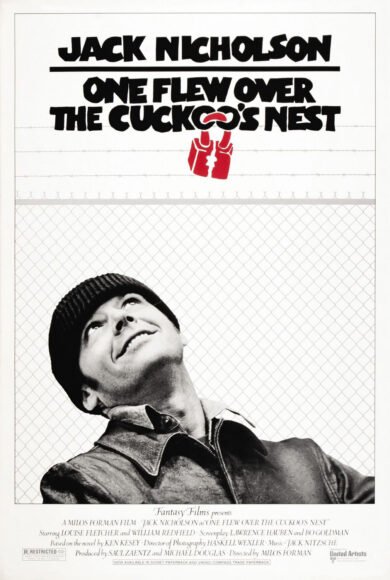
Jack Nicholson delivers a remarkable performance as McMurphy, infusing the character with a blend of charm and rebelliousness that captivates the audience. His portrayal captures the essence of individuality clashing against institutional authority. Louise Fletcher’s Nurse Ratched presents a chilling embodiment of control and manipulation; her cold precision enhances the film’s themes of power imbalance. This dynamic creates a compelling central conflict that is both personal and systemic.
Supporting cast and group dynamics
The ensemble cast brings depth to the ward’s milieu, particularly with standout performances from actors like Brad Dourif as the nervous and vulnerable Billy Bibbit and Danny DeVito as the endearing yet flawed Martini. Each character represents different facets of mental illness and societal marginalization, allowing the film to explore a spectrum of humanity. The camaraderie and conflict among the patients not only enrich the narrative but also offer poignant commentary on friendship and isolation within oppressive systems. These dynamics resonate throughout and enrich the film’s emotional core.
How well is it directed and executed?
Tone, framing, and the director’s control
Miloš Forman’s direction in “One Flew Over the Cuckoo’s Nest” is as pivotal to the film’s impact as the performances themselves. He masterfully establishes a tone that oscillates between bleakness and dark humor, offering a nuanced interpretation of the tension within an oppressive institution. The framing of each shot speaks volumes; tight close-ups convey psychological tension while wider shots reveal the isolation of the characters within the clinical walls. Forman’s ability to capture the banality of institutional life contrasts sharply with the explosive moments of rebellion, showcasing his deft control over the narrative’s pacing and emotional arcs. He purposefully employs a style that feels almost documentarian, immersing viewers in the ward’s sterile ambiance while allowing for bursts of absurdity that reflect the unpredictability of the human spirit.
Cinematography, score, and editing notes
Cinematographer Haskell Wexler delivers a visual language that enhances the film’s psychological depth. The interplay of light and shadow reinforces the characters’ internal struggles, while the warm tones of fleeting camaraderie stand out against the stark realities of confinement. The score, composed by Jack Nitzsche, perfectly complements this visual palette. It balances the haunting atmosphere with moments of levity, underscoring the film’s continual shift between despair and hope. Editing choices, particularly during the climaxes of tension, effectively manipulate the rhythms of the narrative. Quick cuts heighten the sense of urgency, while prolonged sequences allow viewers to dwell in the discomfort of the patients’ plight. This meticulous craftsmanship not only enhances the storytelling but also elevates the film’s emotional resonance, guiding the audience through its labyrinthine themes.
Is One Flew Over the Cuckoo’s Nest worth watching or rewatching?
Why it remains watchable today
The film’s exploration of freedom versus oppression feels timeless, resonating with ongoing societal debates surrounding mental health and institutional authority. Amidst the captivating performances and rich themes, it’s the raw authenticity of the characters’ struggles that hooks viewers, whether for the first time or in subsequent viewings. The sharp commentary on the fight for individuality within an often dehumanizing system maintains its relevance as conversations around mental health evolve. Furthermore, the absurdist moments punctuating the dark narrative lend it a unique flavor that keeps it from feeling antiquated. Each viewing reveals new layers of meaning and emotional complexity, allowing audiences to engage with the film on multiple levels over time.
Rewatch value and what changes with time
With every repeat viewing, the intricate nuances become more evident. Initially, a viewer might focus primarily on McMurphy’s charismatic defiance. However, upon revisiting, one might grow to appreciate characters like Nurse Ratched or even the quieter figures, like the restrained Chief Bromden, whose arcs reveal deeper commentary on societal norms and personal identity. The shifts in perspective highlight the complexity of mental health, making the experience feel fresh each time. As audiences grow and their understanding of such themes matures, the film’s layered storytelling allows for rich conversations about resilience and the human condition, cementing its status as a classic worthy of continued engagement.
What are the biggest strengths and weaknesses?
Main strengths that carry the film
The performances are undoubtedly the film’s cornerstone, with Nicholson and Fletcher’s dynamic sparking an electric tension that captivates throughout. Nicholson’s magnetic screen presence, coupled with the vulnerability displayed by the ensemble cast, reinforces the narrative’s emotional stakes. Forman’s direction, combined with a strong script, weaves a thought-provoking examination of freedom and conformity, which is skillfully articulated through both dialogue and visual storytelling. The film’s aesthetic choices further align with its themes, immersing audiences in a visceral experience that feels both intimate and expansive. Collectively, these strengths contribute to a rich tapestry that explores humanity’s struggle against oppressive forces, making “One Flew Over the Cuckoo’s Nest” a poignant study of character and societal critique.
Notable flaws or scenes that don’t land
While the film is undeniably impactful, there are moments where its heavy-handed symbolism can detract from the nuanced storytelling. Certain scenes veer into overt melodrama, risking alienating viewers who may find the overt representations of oppression a bit too on-the-nose. For instance, some of the more graphic depictions of institutional control, while thematically relevant, may feel excessive and bluntly contrived. Additionally, the pacing occasionally falters, particularly in segments that linger longer than necessary on exposition. These missteps, although minor in the grand scheme, intermittently disrupt the film’s otherwise powerful flow, highlighting a balance that is not always perfectly struck between thematic depth and narrative restraint.
Who is this really for?
Viewers who will get the most from it
Those who thrive on intense character studies and the moral ambiguity inherent in human behavior will find “One Flew Over the Cuckoo’s Nest” particularly rewarding. This film resonates deeply with viewers who seek to unpack complex themes related to individuality, institutional control, and the nuanced portrayal of mental health. If you’re an admirer of films that challenge societal norms and provoke introspection, you’ll appreciate the layered storytelling and bold character arcs. Fans of psychological dramas that weigh the implications of freedom versus oppression will discover rich terrain here, thanks to the raw emotional avenues explored by the exceptional cast.
Viewers who should skip or be cautious
Conversely, audiences preferring lighthearted narratives or clear-cut resolutions might struggle to engage with the film’s weightier themes. Its slower pacing and sometimes harrowing depictions of mental illness and institutional oppression could overwhelm those looking for an escapist experience. If you prefer storytelling that is straightforward or neatly tied up, be prepared for the emotional and psychological heaviness that pervades this work. Those sensitive to themes of control and trauma might also find certain scenes triggering, making it essential for viewers to consider their comfort levels before diving in.
Any content warnings or trigger notes?
Sensitive themes to be aware of
The film grapples with a number of sensitive themes, including mental illness, institutional abuse, and the stifling of individual autonomy. The portrayal of psychiatric facilities and the treatment of patients may serve as a stark reminder of historical injustices within the mental health system, which could be distressing for some viewers. Additionally, the film addresses loss, suicide, and survivor guilt, making it imperative to approach these topics with caution if they resonate personally or emotionally for you.
On-screen intensity and emotional beats
Expect a visceral experience; the film doesn’t shy away from harrowing moments that starkly represent the brutality of institutional life. The emotional intensity escalates as characters confront their inner turmoil and the brutal realities of their confinement. The power struggle between McMurphy and Nurse Ratched culminates in scenes that are both gripping and discomforting, ensuring that viewers are deeply engaged yet often put on edge. This raw emotional landscape can be both captivating and unsettling, so those sensitive to high-stakes conflict and psychological stressors should steel themselves for a challenging viewing.
Practical info: runtime, awards, and where to find it
Length and how that affects the experience
Clocking in at 133 minutes, the film invites viewers into a deliberate exploration of its themes and characters. While this runtime allows for nuanced storytelling, the pacing can feel laborious at times, requiring patience to fully appreciate the depth of the narrative. The slower unfolding of events is carefully designed to immerse audiences in the oppressive environment of the mental ward, but it might test the attention spans of viewers accustomed to faster narratives. Such an investment in time ultimately pays dividends in thematic richness and emotional engagement, rewarding those willing to journey through its complexities.
Major awards and editions/streaming options
“One Flew Over the Cuckoo’s Nest” achieved monumental acclaim at its time of release, securing five major Academy Awards, including Best Picture, Best Actor for Jack Nicholson, and Best Actress for Louise Fletcher. This level of recognition speaks to its artistic merit and cultural impact, solidifying its status in cinematic history. As for accessibility, the film is widely available across various streaming platforms, including popular services like Amazon Prime Video and Apple TV+. Whether in remastered editions or offered as part of classic film collections, its availability allows new generations of viewers to engage with its vital themes.
FAQs
Is One Flew Over the Cuckoo’s Nest appropriate for modern audiences?
Yes, but with caveats. The film tackles profound themes that remain relevant today, such as the struggle for individuality in oppressive systems, the stigma surrounding mental health, and the consequences of conformity. Its portrayal of the psychiatric institution is both brutal and poignant, inviting viewers to reflect on the treatment of mental illness in contemporary society. However, modern audiences must be prepared for its intense and sometimes graphic depictions of institutional life that can feel harrowing. Those who resonate with the ongoing discourse surrounding mental health advocacy will find much to engage with. Still, it’s essential to approach the film with an understanding of its emotional weight. Some may find the strategies for dealing with these themes outdated or unrefined by today’s standards, but the core message about freedom versus control remains as vital as ever.
How faithful is the film to Ken Kesey’s book?
The film remains largely faithful to Ken Kesey’s novel, capturing its essence while adapting certain narrative elements for cinematic storytelling. While the book provides a deeper exploration of Chief Bromden’s perspective and his hallucinations, the film focuses more on McMurphy’s character and his rebellion against authority, which streamlines the story for broader audience engagement. Key plot points and character arcs are preserved, yet the film trades some of the novel’s internal monologues for visual storytelling, emphasizing performance and direct confrontation over exposition. This shift arguably enhances the emotional stakes, allowing viewers to witness the conflict unfold in real-time. However, purists might miss the rich inner dialogue of the novel that adds another layer of complexity to the characters’ motivations. Overall, the adaptation succeeds in capturing the spirit of Kesey’s critique of institutional power while making necessary adjustments for the screen.