
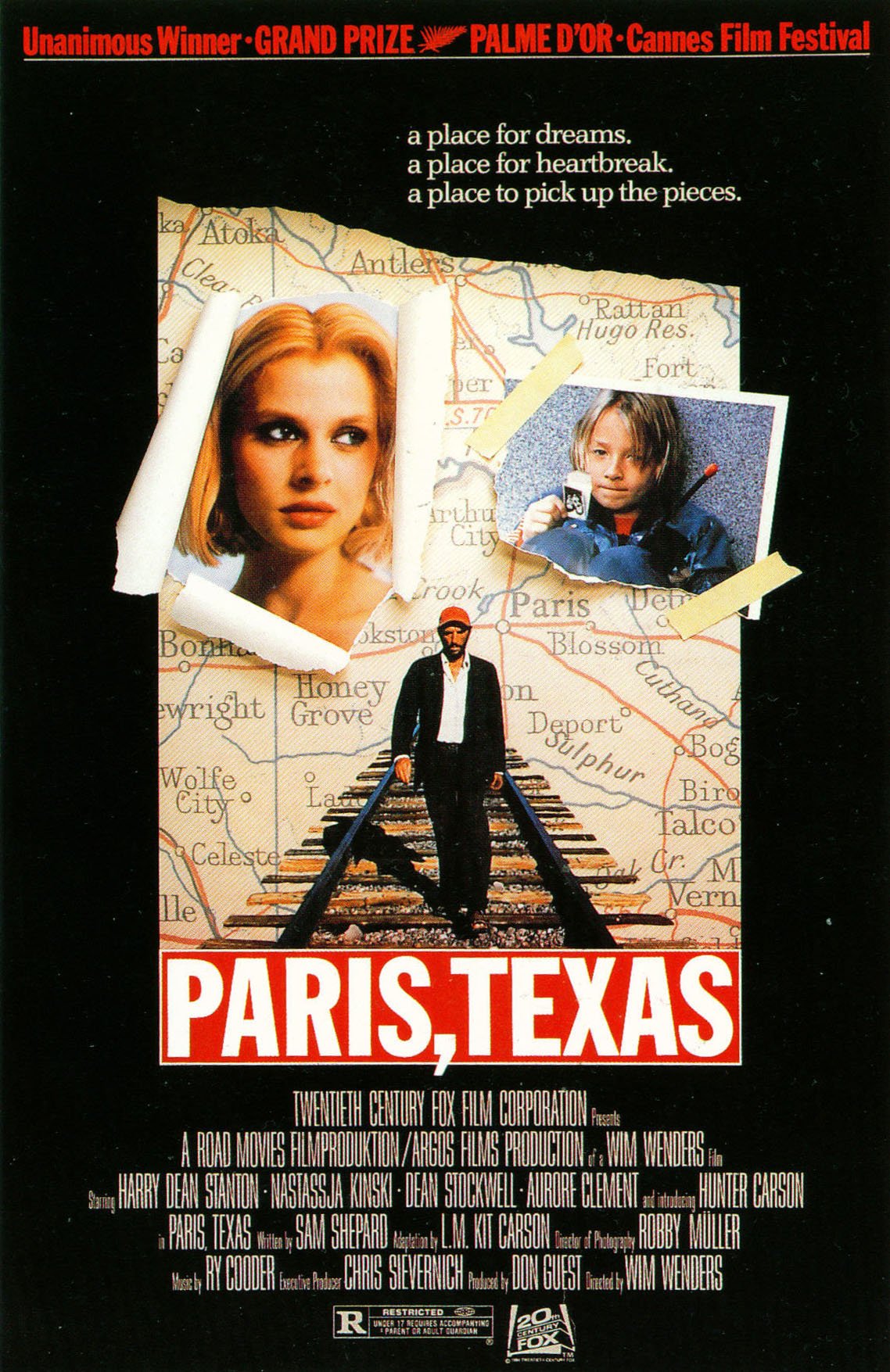
Information
tl;dr
One-line verdict and who will likely enjoy it
“Paris, Texas” is a poetic exploration of loss and redemption that masterfully melds the personal with the universal. Those who appreciate contemplative storytelling and evocative visuals will find its resonance deeply satisfying.
Quick note on tone, length, and rewatchability
Its slow, deliberate pace is matched by a tone that oscillates between melancholy and hope, creating a unique viewing experience. At nearly two and a half hours, the film demands patience, but its emotional depth encourages rewatching, revealing layers often hidden during first viewings.
What should I expect from the story and pace?
Is the narrative linear or more meditative and elliptical?
The narrative unfolds in a meditative fashion, favoring patience over a conventional linear progression. Scenes linger, allowing viewers to absorb the weight of each moment. As the story progresses, it doesn’t simply relay events but invites contemplation on the intertwining of past and present, urging the audience to reflect rather than just consume.
Does the film feel slow on purpose or tedious?
The pace is undeniably deliberate, but it’s far from tedious. Each drawn-out moment feels purposeful, crafting a reflective environment that amplifies the film’s emotional stakes. The languid rhythm mirrors the characters’ internal struggles; it’s a choice that might alienate those seeking a more conventional narrative drive, yet for those attuned to its emotional frequency, it’s an enriching journey.
Are the performances convincing?
How the lead actors carry the emotional weight
Harry Dean Stanton delivers a haunting portrayal of Travis, imbuing the character with a raw blend of vulnerability and resignation. His presence conveys a lifetime of loss, and each subtle gesture speaks volumes. Nastassja Kinski, too, provides a poignant counterpoint; her performance evokes both strength and fragility, allowing the emotional weight of her character’s choices to resonate authentically. Together, they anchor the film’s exploration of estrangement and reconciliation.
Are the supporting characters memorable or underused?
Supporting characters, like the wise yet tender-hearted Bill and the youthful yet yearning Hunter, add significant texture to the narrative, even if some feel underdeveloped. They serve more as catalysts for the lead characters’ arcs rather than fully fleshed-out individuals. Still, their contributions are essential for highlighting the film’s themes of connection and disconnection, reinforcing that every relationship carries its own set of complexities, even when they’re not the focal point.
How does the direction and overall execution hold up?
Does the director’s style serve the story or get in the way?
Wim Wenders directs “Paris, Texas” with a measured hand, favoring contemplative moments over overt dramatics. This deliberate style firmly serves the story, allowing the emotional undercurrents to unfold organically rather than being forced upon the audience. Wenders’ Japan-influenced approach to the American landscape captures both its vastness and desolation, enhancing the story’s themes of alienation. By lingering on wide shots that emphasize Travis’ isolation, the film invites viewers to reflect on his internal struggle, keeping the narrative focused on character psychology rather than plot mechanics. However, some may argue that this artistic choice borders on self-indulgence, particularly for audiences more accustomed to tighter pacing and immediate engagement. Yet in executing this reflective approach, Wenders achieves a unique synergy between direction and content, ensuring that every frame feels intentional.
Is the film cohesive in tone and focus?
The cohesion of tone in “Paris, Texas” is striking. Wenders successfully balances moments of stark loneliness with glimpses of profound beauty, weaving a tapestry that feels both fragmented and whole. The film’s focus on the emotional journey of its characters remains unwavering, despite the myriad of themes such as redemption, family, and identity it grapples with. Each scene, while seemingly disparate at first, gradually aligns into a coherent narrative arc that speaks to the universal experience of longing. The tone swings between melancholy and a glimmer of hope, reflecting the complexities of human relationships. This deft steering of emotional resonance allows viewers to not only relate to Travis’ plight but also question their own experiences of connection and disconnection.
Do the visuals and music enhance the experience?
How cinematography and framing shape the mood
Robbie Müller’s cinematography is one of the film’s standout features, using the sprawling Texan landscape as a character in its own right. The choice to employ wide-angle shots and lingering frames captures the stark beauty of the desert, creating a sense of both isolation and introspection. Each frame is carefully composed, often juxtaposing the characters against their surroundings in a way that emphasizes their emotional states. For instance, Travis’ solitary figure against the vastness of the open road underscores his internal crisis and search for belonging. The use of natural lighting further fosters an authentic atmosphere, allowing audiences to feel the weight of each scene without the distraction of stylized effects. This visual storytelling enhances, rather than overshadows, the narrative, making every landscape a silent witness to the characters’ emotional upheavals.
Does the score and sound design add meaningful atmosphere?
The score by Ry Cooder intertwines seamlessly with the film’s visual narrative, elevating the emotional experience through its haunting melodies and sparse instrumentation. The use of slide guitar evokes both nostalgia and yearning, mirroring Travis’ own search for redemption. Cooder’s music punctuates key moments, often accentuating the silence between dialogue and amplifying the weight of isolation that permeates the film. The sound design, too, deserves commendation; the ambient sounds of the Texas landscape create an immersive backdrop, grounding the viewer in the stark reality faced by the characters. Together, the score and sound design serve not merely as accompaniment but as integral components of the storytelling, forging a deeper emotional connection between the audience and the narrative’s core themes.
Is the emotional payoff satisfying or frustrating?
Does the film resolve its themes in a rewarding way?
“Paris, Texas” culminates in a conclusion that is both rewarding and complex. The film’s exploration of estrangement and the quest for connection reaches a poignant climax, yet it refuses to tie everything up in a neat bow. Instead, it offers an ambiguous resolution that resonates deeply, leaving viewers to reflect on the nature of reconciliation and the scars that remain even after healing. The emotional payoff doesn’t come from grand revelations but from the quiet acceptance of life’s imperfections. This lack of a definitive conclusion might frustrate some, expecting a clearer resolution to the characters’ arcs, but for those attuned to the film’s meditative pace, it becomes a profound commentary on the complexities of human relationships.
Will most viewers feel moved, puzzled, or indifferent?
The film’s emotional impact is likely to vary among viewers. For those invested in character-driven narratives and willing to engage with its slower pace, “Paris, Texas” offers a rich emotional experience that invites introspection and empathy. The film’s authenticity resonates, often compelling audiences to examine their own narratives of loss and desire. However, viewers seeking a more traditional storytelling framework might find themselves puzzled or even indifferent, struggling to appreciate the artistic choices made by Wenders. Ultimately, it’s a film that demands patience, and in doing so, it can be incredibly moving for those who surrender to its rhythm and allow themselves to immerse in the profound depths of its emotional landscape.
What are the biggest strengths and weaknesses?
Key strengths that make the film worth watching
“Paris, Texas” excels in its evocative visuals and profound character exploration. Wim Wenders crafts a cinematic landscape that not only serves as a backdrop but also as an emotional landscape that mirrors the protagonist’s internal struggles. The cinematography by Robbie Müller captures the desolation and beauty of the Texas scenery, allowing the atmosphere to amplify the film’s thematic depth. Each frame feels intentional, embodying Travis’ isolation yet simultaneously hinting at the possibility of renewal.
Moreover, the performances, particularly by Harry Dean Stanton, embody a deeply human fragility that resonates with authenticity. His portrayal of Travis is a masterclass in understated emotion, evoking a sense of shared loss and painful longing. Coupled with the haunting slide guitar score by Ry Cooder, the film’s auditory elements enhance its emotional weight, enriching the viewer’s experience. This careful orchestration of visuals, sound, and performance aligns effectively to create a uniquely immersive cinematic experience that questions the very nature of kinship and redemption.
Main flaws that might put some viewers off
However, “Paris, Texas” is not without its flaws. Its deliberate pacing can be a double-edged sword. While this slowness allows for introspection, it can also risk alienating viewers who prefer a more engaging narrative tempo. Some sequences may feel protracted, creating a sense of drift that may frustrate those expecting more conventional plot development. Additionally, while the supporting characters add texture, their arcs may seem underdeveloped, leaving the audience wanting deeper engagement with these figures who act as mirrors to Travis’ own journey.
Furthermore, the film’s ambiguous resolution might leave some feeling unsatisfied. The exploration of its themes, rather than yielding clear answers, often invites more questions, potentially leaving those seeking closure feeling disoriented. This lack of resolution is undoubtedly a bold choice, but it could lead to disengagement from viewers who yearn for a more definitive narrative conclusion.
Who is Paris, Texas really for?
Types of viewers who will get the most out of it
“Paris, Texas” is best suited for viewers who appreciate contemplative storytelling rife with emotional nuance. Those drawn to character-driven narratives and slow-burn dramas will thrive in the film’s introspective atmosphere. Fans of films like “The Tree of Life” or “Wings of Desire” will find comfort in Wenders’ meditative style, wherein the personal intricacies of the characters are explored against a rich tapestry of landscapes and symbolism. Its blend of melancholy and hope particularly resonates with individuals interested in themes of estrangement, love, and the quest for identity, inviting viewers to engage with their own experiences of connection and disconnection.
Additionally, cinephiles and art house enthusiasts who admire the intersection of visual poetry and narrative depth will discover layers of meaning within Wenders’ work. The film’s artistic ambition and emotional honesty offer a rewarding experience to those willing to invest their time.
Who should skip it or lower their expectations
Conversely, “Paris, Texas” may not resonate with viewers who prefer rapid-fire storytelling or conventional narrative arcs. Those accustomed to mainstream cinema’s pacing might find themselves frustrated by the languid scenes that prioritize atmosphere over action. If a clear-cut plot and frequent dramatic turnarounds are essential for your enjoyment, this film could feel like a laborious endeavor.
Furthermore, audiences looking for tightly developed secondary characters should approach with tempered expectations, as some may feel underutilized and lack the narrative heft to fully engage. If bold thematic explorations and ambiguity in storytelling leave you feeling unsatisfied, it might be best to approach “Paris, Texas” with caution.
Is Paris, Texas worth rewatching?
What repeats reveal that first viewings might miss
The layers of emotional complexity in “Paris, Texas” reveal new nuances upon repeat viewings. On the first watch, the film’s slow pace may mask intricate connections between characters and the profound implications of their choices. Subsequent viewings allow one to appreciate the subtleties of each performance and the unspoken dialogues that transcend verbal communication. For instance, the evolving dynamic between Travis and his son Hunter becomes more poignant when observed through the lens of their shared silence and reflections of loss.
Each viewing also heightens awareness of the visual symbolism embedded in the cinematography, where the landscapes serve as extensions of the characters’ emotional states. Audiences may recognize how certain motifs—like isolation framed against the backdrop of vastness—are crafted with deliberate artistry, enriching the commentary on human connection. The film’s emotional gravity is not merely about understanding the characters’ journeys but also feeling them in relation to one’s own life experiences.
When and how to revisit it for the best experience
To truly appreciate “Paris, Texas,” consider revisiting it during moments of introspection or emotional contemplation. Viewing it in a quiet setting allows the film’s ambient sounds and score to envelop you, promoting a deeper emotional connection to the narrative. It’s advisable to aim for a time when distractions are minimized; the film demands attention and appreciation rather than hurried viewing.
Furthermore, watching it alongside a discussion group or a trusted friend can enrich your experience, fostering a space for shared interpretations and insights. Engaging in dialogue about its themes and characters can unveil dimensions often overlooked in initial viewings. Returning to “Paris, Texas” with a thoughtful mindset can reveal its profound emotional landscape, inviting you to reflect not only on the film but also on your own life’s narrative threads.
Practical details and content warnings
Year, runtime, director, language, and where to stream or buy
“Paris, Texas,” released in 1984, runs for approximately 147 minutes. Directed by Wim Wenders, the film is primarily in English, though it features a touch of Spanish reflecting the cultural tapestry of the Texas borderlands. For those interested in viewing this iconic piece of cinema, it’s available for streaming on various platforms—a testament to its enduring relevance—and can also be found for purchase on DVD and Blu-ray.
Any content or pacing warnings to know before watching
Before diving into “Paris, Texas,” viewers should be aware of its deliberate pacing and contemplative style. The film makes a conscious choice to unfold slowly, which may challenge viewers accustomed to faster narratives. Its exploration of themes such as estrangement, loss, and redemption is often punctuated by long, quiet moments that demand patience. While this artistic decision is integral to its emotional resonance, it might leave some feeling restless. Additionally, there are scenes that depict familial disconnection and emotional trauma that could be triggering for some viewers. This contemplative journey may require a mindset open to reflection rather than overt action.
FAQs
Is Paris, Texas slow and will I get bored?
Yes, “Paris, Texas” is undeniably slow. However, this isn’t a flaw but rather a stylistic choice that serves its narrative purpose. The film’s languorous pace is designed to mirror the emotional states of its characters, inviting viewers into a deeper contemplation of their journeys. While some may find moments tedious, those attuned to the film’s rhythm will discover profound layers of meaning and emotional depth. It’s less about a conventional plot and more about the intricacies of human relationships, so those desiring an engaging, dialogue-heavy exchange might need to approach with different expectations.
Do I need background knowledge before watching?
No prior background knowledge is necessary to appreciate “Paris, Texas.” The story is grounded in universal themes of loss, loneliness, and the search for connection, making it accessible even to those unfamiliar with Wenders’ work or the cultural context of 1980s America. However, engaging with the film’s subtleties may benefit from a willingness to embrace its slow, meditative approach. For viewers invested in understanding the era’s cinema, knowledge of the film’s influences—such as neo-realism and existential filmmaking—can enrich the experience, but is not essential for enjoying its stark beauty and emotional gravity.