A new animated romp — and a cinephile in the cast
Sony Pictures Animation’s GOAT arrives as another high-profile entry in the studio’s recent push to rethink mainstream animation. Directed by Tyree Dillihay (Bob’s Burgers), the film centers on Will Harris (voice: Caleb McLaughlin), a small goat with big ambitions who earns a spot among the roarball pros — a high-energy, animal-dominated sport where Will must prove size isn’t everything.
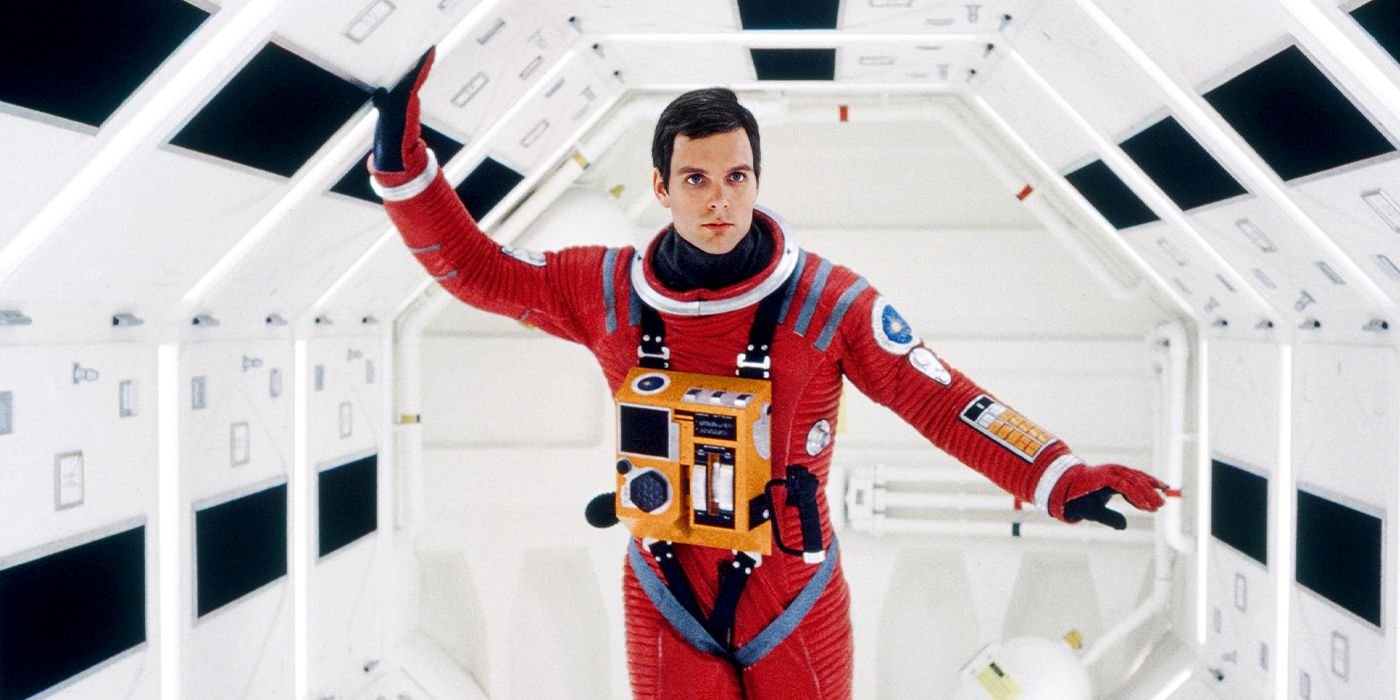
Patton Oswalt voices Coach Dennis in the family-friendly action-comedy. Speaking with Collider’s Steve Weintraub, Oswalt reflects on the finished film, the odd promotional tasks that come with voice work, and the filmmakers who influenced him. He also shares an observation about Stanley Kubrick’s 2001: A Space Odyssey that will perk up any film nerd’s ears.
What GOAT brings to the table
GOAT positions itself as a crowd-pleasing sports-underdog story with a stacked vocal ensemble and a creative team that draws from diverse animation backgrounds. Beyond McLaughlin, the cast includes Gabrielle Union, Aaron Pierre, Jennifer Hudson, Nick Kroll, Nicola Coughlan, and David Harbour. The project also counts NBA star Stephen Curry among its producers.
The animation crew is notable: talent who contributed to Netflix’s hit KPop Demon Hunters and Sony’s Oscar-nominated Spider-Man: Across the Spider-Verse worked on GOAT, continuing a trend of hybrid, experimental visual approaches that challenge what “CGI” typically looks like in mainstream animation.
Oswalt on seeing the film and Sony’s animation playbook
Oswalt praised how Sony Pictures Animation blends digital craftsmanship with the broader history of animation. He argued the studio is resisting uniform, “bog-standard” CGI by intentionally mixing techniques — hand-drawn touches, clashing visual styles, and graphic-comic sensibilities — to create kinetic, layered sequences. In his view, the result feels “so much more alive,” particularly in the roarball court sequences that place audiences in the middle of the action.
He likened Sony’s editorial and compositional choices to the bold cutting seen in some of Scorsese’s earlier work — a reference to the way rapid montage and multiple framing can pull viewers into a scene’s chaos. For GOAT specifically, Oswalt said the film’s cutting and visual energy make you feel the sport’s danger alongside the characters.
Promotional duties: baby-goat yoga, and why it wasn’t what he expected
Promoting an animated film often involves offbeat tie-ins, and GOAT’s publicity included a goat-yoga event. Oswalt volunteered for the stunt expecting cuddly antics from baby goats — but the experience surprised him. He described the kids as surprisingly assertive: they jostled one another for food, nibbled aggressively, and even had a distinctive, pellet-like manner of defecating that he found memorable. The combination of awkward yoga postures and feisty animals earned the event a spot among the “weirder and coolest” promo moments in his career.
A cinephile’s picks: Nolan, Spielberg, Kubrick
Oswalt used the interview to name some directors and films that have stayed with him:
-
On Christopher Nolan: Oswalt admitted his instinctive pick might be The Dark Knight, but he also praised Nolan’s first feature, Following. He noted how that early, low-budget film already displayed a confident understanding of how to make a movie with limited means — a sign of a filmmaker’s instincts from the start.
-
On Steven Spielberg: Oswalt singled out Close Encounters of the Third Kind. Rewatching it, he was struck by how the film balances dazzling spectacle with unexpectedly intimate, darker domestic drama — scenes that, he argued, bring a layer of emotional complexity often overlooked because the film is so entertaining.
-
On Stanley Kubrick: Oswalt called Dr. Strangelove a peerless example of timelessness and rewatchability, but he also brought up 2001: A Space Odyssey and the film’s prescient engagement with artificial intelligence. That led him to point out a subtle detail about HAL 9000’s name: if you shift each letter one place forward in the alphabet (H→I, A→B, L→M), HAL becomes IBM — a small, oft-discussed curiosity that many cinephiles associate with Kubrick’s film.
Context: the HAL-IBM connection
The HAL-to-IBM letter shift has been part of 2001 lore for decades. Oswalt reiterated the observation during the conversation, noting it as a “hidden thing” in the film’s iconic antagonist — a concise example of the layers and easter eggs that keep Kubrick’s work fertile for reexamination.
Practical details and final take
GOAT is positioned as a family-friendly animated sports comedy that leans into bold visuals and an energetic soundtrack of personality. The film’s credits include writers Aaron Buchsbaum, Teddy Riley, and Nicolas Curcio, and producers Rodney Rothman, Stephen Curry, Michelle Raimo Kouyate, Erick Peyton, and Adam Rosenberg. Runtime is listed at 93 minutes, and the film opened in theaters on February 13, 2026.
For audiences who enjoy animation that experiments with form and editing — and viewers who appreciate a good underdog story — GOAT promises a lively mix of heart, humor, and visual invention. And for anyone revisiting 2001, Oswalt’s reminder about HAL offers an easy detail to spot on a second watch.