
Prime Video confirms high-profile adaptation of Lore Olympus
Prime Video has officially moved forward with an adaptation of Lore Olympus, Rachel Smythe’s Eisner Award–winning webcomic. The announcement marks another major fantasy acquisition for the streamer and signals an intent to invest in genre projects that blend mythic scope with contemporary storytelling. Lore Olympus began as a Webtoon Canvas serial and ran for three seasons and more than 280 episodes, amassing over 1.8 billion views — a built-in audience that makes the property especially appealing to streaming platforms.
What Lore Olympus is and why it matters
Lore Olympus is a modern reimagining of the classic myth of Persephone and Hades. Rather than aiming for a faithful ancient-period retelling, the series transposes gods and mythic politics into contemporary settings. Olympus becomes a sleek, urban environment full of skyscrapers and modern conveniences; the Underworld is presented as a darker, corporate counterpart. The webcomic juxtaposes mythic power with present-day structures of authority, using the familiar framework of Greek mythology to explore ongoing social issues.
Smythe’s work humanizes deities: they experience insecurity, ambition, loneliness and moral compromise in ways that mirror modern life. The webcomic’s visual boldness and emotional directness helped it cross from niche webcomic culture into mainstream attention, making it one of Webtoon’s most prominent titles.
Central characters and plot contours
At the center of Lore Olympus is Persephone, a young goddess of spring who leaves the Mortal Realm to attend school in Olympus. There she encounters Hades, whose public image as the feared ruler of the Underworld contrasts with a private vulnerability. In Lore Olympus, Hades operates like the CEO of a complex, bureaucratic afterlife; his official duties conceal a more empathetic, wounded interior.
The series reframes traditional relationships and power dynamics from the original myths. Persephone’s role as a fertility goddess makes her political value and bodily autonomy a focal point of Olympian intrigue. Zeus is depicted as a self-centered and sexually voracious ruler; other gods, including Apollo, bring additional complications to Persephone’s life. Lore Olympus does not shy away from depicting sexual violence, gaslighting and abuse — themes that drive much of the story’s tragedy and moral urgency.
Darker themes: power, abuse, and trauma
While Lore Olympus contains a slow-burning romance, its emotional core is anchored in much tougher material. The webcomic examines how systems of privilege and institutional power protect abusers and silence survivors. One storyline involves Apollo becoming dangerously fixated on Persephone and sexually assaulting her; his subsequent denials and gaslighting underscore the webcomic’s interest in how reputations and privilege distort accountability.
Hades’s backstory also explores intergenerational abuse. He is tied to the Six Traitors Dynasty and to Kronos, his father, whose abuse and cruel attempts to avert prophecy leave long-lasting psychological scars. These overlapping histories link personal trauma with broader mythic and political consequences, illustrating how past violence reverberates through generations and institutions.
Why this adaptation is a risky, symbolic project for Prime Video
Prime Video has invested heavily in fantasy but has also demonstrated a willingness to cancel costly series that don’t meet expectations. Recent high-profile cancellations of genre shows — including the 2024 cancellation of My Lady Jane after one season and the 2025 cancellation of The Wheel of Time after three seasons — highlight the financial pressures streamers face. The Wheel of Time’s production reportedly approached $390 million across its run, and other tentpole series such as The Lord of the Rings: The Rings of Power have maintained large budgets tied to multi-season plans.
Lore Olympus arrives in that fraught context. Its enormous Webtoon readership gives it a ready-made fanbase, but translating that digital popularity into sustainable streaming viewership will be essential. The adaptation must balance fidelity to the source material’s tone and visual identity with the economic realities of serialized television — a task that carries both creative and financial risk.
Creative challenges and what to watch for
Several elements will determine how successful the adaptation becomes:
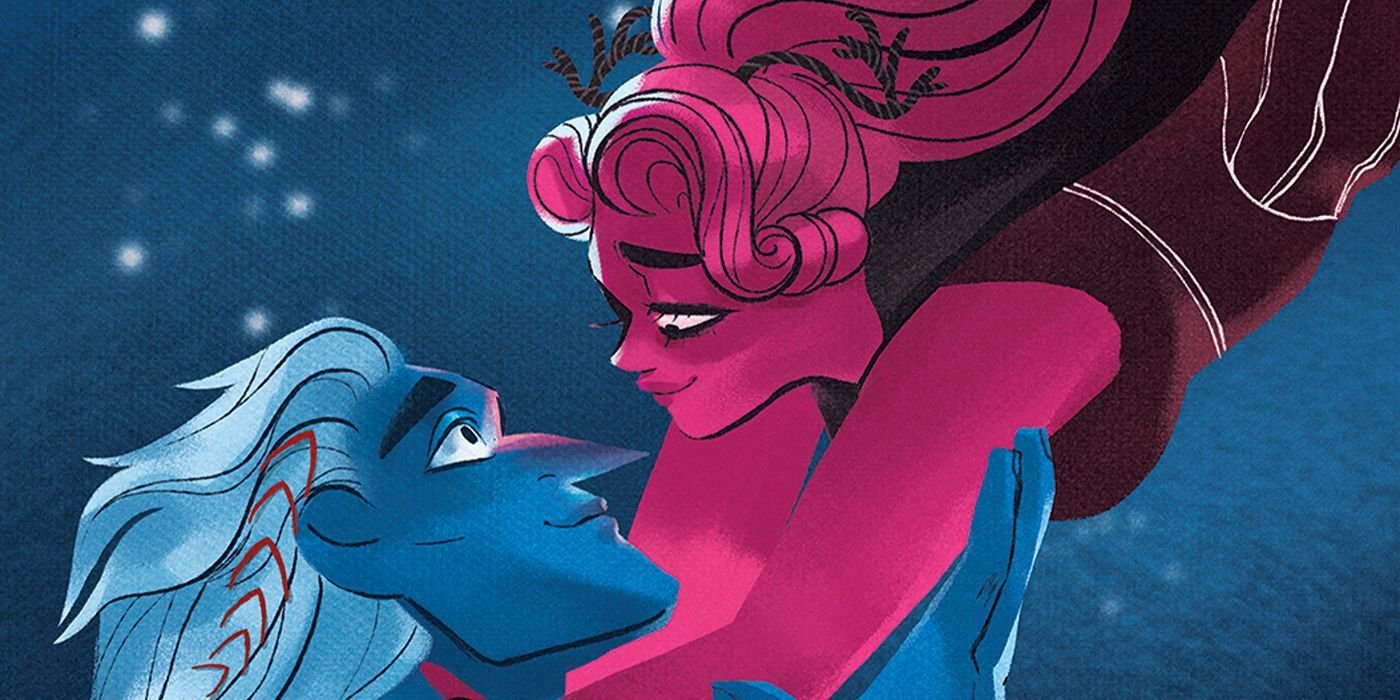
- Visual translation: Lore Olympus is known for a distinctive, color-driven art style. Adapting that aesthetic into live-action or animation will be a central creative consideration.
- Tone and content: The story mixes romance, comedy and stark depictions of abuse and trauma. Preserving the emotional nuance while navigating content sensitivity and audience expectations will be critical.
- Audience conversion: Converting webcomic readers into streaming viewers — and expanding the audience beyond that core — will require marketing that highlights both the mythic spectacle and the work’s contemporary relevance.
- Production stewardship: Budgeting and episode planning, especially in an environment where fantasy shows are expensive to produce, will influence whether the series can sustain multiple seasons.
Julia Cooperman is attached as showrunner, indicating Prime Video has already begun assembling a creative team to shepherd the project from page to screen.
What the adaptation could mean for the genre on streaming
If Prime Video successfully adapts Lore Olympus, it will demonstrate that platforms can responsibly handle mythic material that foregrounds difficult real-world themes. The series’ emphasis on consent, institutional failure, and the consequences of abuse sets it apart from more escapist fantasy, offering a version of the genre that is both emotionally urgent and culturally resonant.
Conversely, if the adaptation falters — whether through creative compromise, budget issues, or audience attrition — it could reinforce the perception that contemporary, challenging fantasy is harder to sustain in the current streaming economy. Either outcome will carry implications not just for Prime Video’s slate, but for how platforms approach adaptations of popular online comics and other nontraditional IP sources.
Bottom line
Prime Video’s Lore Olympus adaptation is more than another mythic title on a crowded fantasy docket. It is a statement about the kinds of stories streaming platforms are willing to invest in: visually distinctive, emotionally risky, and politically resonant. With a massive Webtoon following, a showrunner in place, and a narrative that speaks directly to modern conversations about power and abuse, Lore Olympus represents both a creative opportunity and a strategic test for Prime Video’s future in high-stakes fantasy.