
A darker Valentine arrives: what Sweetness is and why it’s resonating
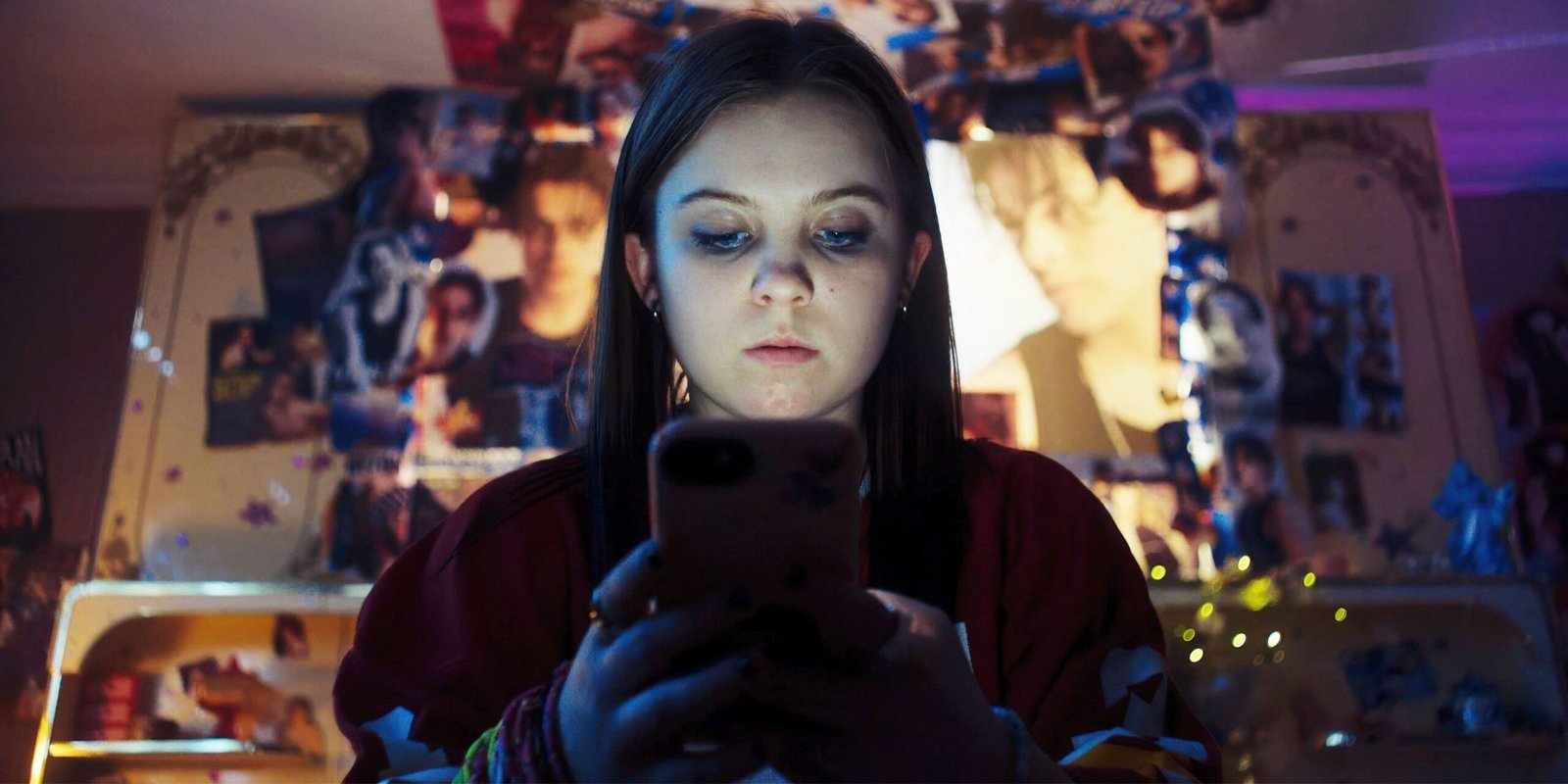
Sweetness, the debut feature from director-writer Emma Higgins, has emerged as one of this season’s most talked-about indie thrillers. Launched at festivals and now in theaters and digital release, the film centers on a devoted teenage superfan who encounters her pop-punk idol and decides she must “save” him from himself. The result is a tense, darkly funny portrait of fandom, manipulation and blurred lines—an intentionally abrasive counterprogramming to the usual Valentine’s fare.
Critics have largely embraced Sweetness, and the film’s strong reception at festivals helped it find a broader audience. It stars Kate Hallett as the film’s young protagonist, alongside Herman Tømmeraas, Steven Ogg, Justin Chatwin and Aya Furukawa. Clocking in at about 93 minutes, Sweetness was produced by Daniel Quinn and Taj Critchlow and is now available on digital and on-demand platforms.
From music videos to a feature: Higgins’ path and the film’s long gestation
Emma Higgins developed Sweetness over roughly a decade, drawing on personal experience working with touring bands and at a record label. That background shaped both the film’s insider view of fandom and Higgins’ collaborative creative team: many key crew members — including editor Kat Webber and composer Martin Macphail — began working with Higgins on music videos and commercials.
Higgins describes making the feature as an intense extension of music-video production: a sustained, physically and emotionally demanding shoot that required resilience built from years in short-form work. The script evolved considerably during that long development, shifting as casting choices and collaborators shaped tone, plot and character.
Casting and a central performance that anchors the film
Sweetness depends on a powerful lead performance, and Kate Hallett—19 at the time of filming—emerged as the film’s emotional center. Higgins has said Hallett “carried the film,” and early reactions back that up: viewers repeatedly singled out Hallett’s portrayal as the element that makes the story feel immediate and true.
The production intentionally avoided the common trope of casting much older actors as teens; Hallett’s youthful presence helped sell the vulnerabilities and intensity of the film’s perspective. Supporting players—including Tømmeraas as the charismatic frontman, Ogg and Chatwin in pivotal roles, and Furukawa in a memorable best-friend turn—round out a cast that, while not full of A-list names, delivers convincing, layered performances.
Building Floor Plan: songwriting, sound and a real EP
An unusual production element was the creation of a believable band for the movie’s world: Floor Plan. Composer Martin Macphail and Higgins wrote dozens of songs to find the right sound—settling on three tracks that serve the film’s tone and live performance scenes. The EP features the songs heard on screen: “Payback,” “Black and Blue” and “Sick of It.”
Herman Tømmeraas performed his own vocals for the role, bringing a frontman authenticity that the creative team credits with elevating the fictional band from background prop to a credible musical act. The filmmakers even turned the in‑movie band into a real‑world release: the three‑song EP is available on streaming platforms, and industry interest followed the project in a rare example of a movie band crossing into real music distribution.
Shooting fast and small: the realities of an 18‑day indie schedule
Sweetness was shot in a compressed 18-day schedule on a limited budget — a fact the filmmakers openly framed as both a constraint and an engine of creativity. The production relied on a highly committed crew, rapid daily problem-solving and frequent schedule reshuffles to accommodate locations, actor availability and tight time windows.
Producers and line producers worked day-to-day to prioritize scenes and determine which takes were essential. The team adapted constantly: some days allowed extra takes where necessary, while other scenes required ruthless efficiency. Despite those pressures, the crew captured enough material that the edit process could reshape the final narrative in meaningful ways.
The edit room: refining tone, trimming indulgence and finding humor
Editor Kat Webber began cutting while the shoot was still unfolding, giving Higgins and the team early notes on what footage they still needed and where the story might be tightened. The edit phase proved crucial in clarifying the film’s perspective: multiple rounds of test screenings with friends and family revealed which scenes resonated and which ones lingered too long.
The filmmakers describe an iterative approach — printing every scene, evaluating what each beat gave the audience or character, and literally removing pages that didn’t serve the film. That hands‑on, tactile process helped the team “kill their darlings” and focus the movie on the protagonist’s point of view. One recurring note from early audiences: stay on Kate—keep the film rooted in Rylee’s experience. The final cut reflects that guidance.
An unexpected discovery in post was the film’s tonal balance: while dark and suspenseful, Sweetness also contains a clear streak of wry, sometimes campy humor. The team leaned into those moments to give the picture a distinctive mix of menace and black comedy.
Working with young actors and emotionally intense material
Higgins and her team have been candid about the challenges of directing young performers through difficult scenes. The production learned on the fly how to create safe spaces for actors to access intense emotions and then recover afterward. Seasoned cast members and collaborators provided guidance—reminding the director of the care needed when asking younger actors to visit raw emotional places—and those lessons informed both on-set practices and the film’s editorial choices.
Festivals, distribution and finding an audience
Sweetness premiered at major festivals and received a notably positive reaction at South by Southwest, an early milestone that helped secure wider visibility. Festival support was especially meaningful to the Canadian production team, who highlighted how difficult it can be for small, low‑budget indie films to break through in a crowded market.
The film’s financing included Canadian funding partners — Telefilm Canada, the Ontario Film Fund and the Northern Ontario Heritage Fund — which provided essential early capital. Distribution talks at festivals led to a partnership with Saban Films, whose team presented a marketing plan the filmmakers felt understood the film’s tone and target audience. Higgins and producers were especially mindful of how the movie would be positioned, citing past marketing misfires (they referenced Jennifer’s Body as an example) when discussing the importance of getting the campaign right out of the gate.
Small delights and Easter eggs for attentive viewers
The creative team built numerous small references into the film’s visual and musical landscape. Payton’s tattoos, for example, include nods to favorite movies and even a Canadian band from the filmmakers’ past. The crew also mined genre touchstones and cult films to help unlock tone in the edit, using screenings of movies like Teeth to explore approaches to dark humor and the uncanny.
Why Sweetness matters right now
Sweetness plays to contemporary anxieties about celebrity culture, parasocial relationships and how fandom can be weaponized. Rather than leaning into easy caricatures of “crazy fans,” the film attempts to examine obsession with empathy and ambiguity—asking why a character would take extreme actions in the name of love or salvation. The result is an unsettling, provocative picture that has connected with audiences looking for something sharper than the typical romantic offering.
For viewers seeking an anti‑Valentine’s experience—a thrillier, moodier alternative to candy‑box romance—Sweetness delivers: tightly paced, viscerally performed and musically alive.
Key credits and release info
- Director / Writer: Emma Higgins
- Producers: Daniel Quinn, Taj Critchlow
- Editor: Kat Webber
- Composer: Martin Macphail
- Cast: Kate Hallett (Rylee), Herman Tømmeraas (Payton), Steven Ogg, Justin Chatwin, Aya Furukawa
- Runtime: ~93 minutes
- Release: The film debuted at festivals and is now playing in theaters and available on digital and on-demand platforms.
- Music: Floor Plan EP — “Payback,” “Black and Blue,” “Sick of It” — available on streaming services
Sweetness is an example of what passionate, resourceful indie filmmaking can achieve: a compact, confident debut that turns constraints into creative choices and introduces a director and a lead actor likely to be watched closely in the years ahead.