
Why Doomsday Matters for the MCU
With Avengers: Doomsday scheduled for December 18, 2026, Marvel Studios faces what many perceive as a make-or-break moment. The film is being billed as a major franchise event — a potential reset or reaffirmation of the Marvel Cinematic Universe’s commercial and cultural dominance — but the road to December feels unusually quiet. After several recent releases that underperformed expectations, Marvel needs Doomsday to recapture broad audience enthusiasm. At the same time, the studio is contending with a sparse lead-up slate and cautious marketing choices that have so far failed to create the kind of pervasive buzz the MCU once produced.
How Avengers Endgame Built Momentum — and What’s Different Now
The peak of MCU hype around Avengers: Infinity War and Endgame was the product of more than two phases of storytelling. Characters and conflicts were threaded across a decade:
- Individual films established stakes and villainy (e.g., Thanos and the Infinity Stones).
- Character arcs and fractures (Civil War, Age of Ultron) made the ensemble collision feel inevitable.
- A steady cadence of releases and post-credit teases kept fans speculating and connected.
That long-form scaffolding delivered a cultural moment where every new trailer, cameo, or cryptic image turned into global conversation. By contrast, the current MCU trajectory lacks that same, linear narrative scaffolding. The pivot away from storylines centered on Jonathan Majors’ Kang — and other creative shifts — disrupted an earlier long-term plan. As a result, Doomsday arrives without a decade-long lead-in pointing unambiguously toward it.
The Pre-Doomsday Slate: Too Little Narrative Overlap?
Between now and December, Marvel’s theatrical and streaming calendar is relatively light. The most visible MCU releases ahead of Doomsday are:
- Wonder Man (TV)
- Daredevil: Born Again — Season 2 (TV)
- Spider-Man: Brand New Day (film)
Individually, these projects can succeed on their own terms. But none are clearly positioned as narrative stepping stones directly tied to Doomsday’s multiversal stakes. The two TV shows are reportedly more grounded character pieces; Spider-Man’s next chapter is focused on Peter Parker’s personal journey. That means there will be fewer natural opportunities to seed major plot elements, introduce key antagonists, or generate connective tissue that drives mainstream audiences toward a December tentpole.
Marketing So Far: Teasers, Post-Credits and the Limits of Secrecy
Marvel has tried several tactics to announce and promote Doomsday while keeping major twists under wraps:
- A four-teaser rollout during Avatar: The Last Airbender — Fire and Ash screenings was intended to reach global audiences early, but it didn’t produce the internet-dominating reaction Marvel needs.
- Post-credit teases in recent releases (including Thunderbolts and The Fantastic Four: First Steps) have offered hints, but those moments didn’t produce the viral speculation comparable to earlier MCU moments — for example, Thanos’ cameo in Age of Ultron, which ignited widespread chatter.
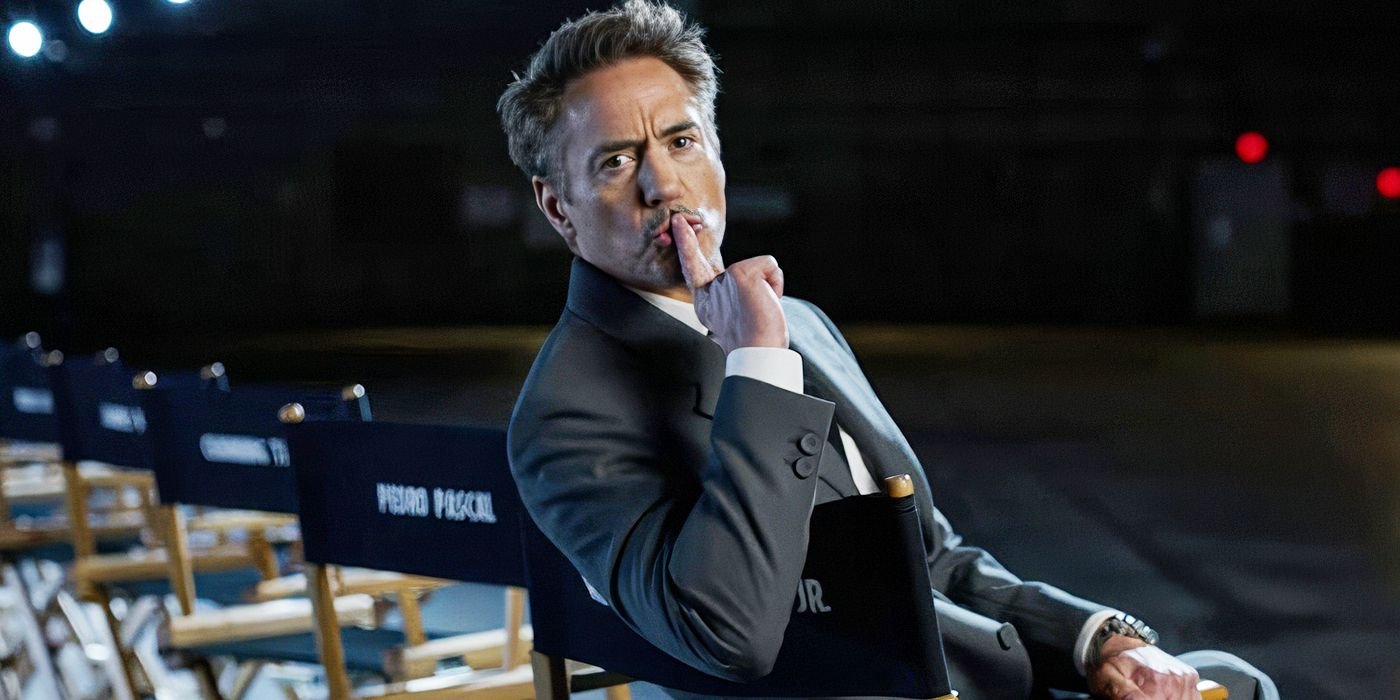
- Marvel’s cast-announcement “chair” video reportedly drew massive viewership (reported at about 275 million views) and featured Robert Downey Jr.’s physical appearance, while leaving plenty of names and roles still to be confirmed. That initial splash helped, but also raised expectations for further surprises.
All of this underscores the tension in Marvel’s approach: keep the plot guarded to preserve surprise, but reveal too little and you risk undercutting the viral, appointment-to-watch culture that converts casual viewers into must-see-audience members.
The Marketing Challenge: Reaching Beyond the MCU Core
The biggest commercial risk for Doomsday is not necessarily appeasing the die-hard MCU fandom — those fans will show up — but expanding appeal to the wider audience needed to push a tentpole into billion-dollar territory. Past Avengers films benefited from a mix of:
- Clear narrative stakes established across multiple releases.
- High-profile, spoiler-safe setpieces in marketing (teasers/trailers) that hinted at spectacle.
- Speculation fuel — leaks, Easter eggs, and subtle clues that created communal sleuthing and free promotion.
With fewer narrative breadcrumbs and strict secrecy, Marvel’s marketing team must find alternative levers to create a similar cultural moment. Event-style promotions, major talent reveals, timed trailer drops, and behind-the-scenes teasers that offer texture without spoiling core plot beats are potential avenues, but they must be carefully balanced to deliver both impact and protection for surprise moments.
What Marvel Could Do Now to Build Momentum
If Marvel wants Doomsday to feel like a culminating event rather than a tentpole arriving in a vacuum, there are several strategic options that could help generate broader interest without spoiling the film:
- Stage a second, higher-profile cast reveal or live event that confirms more familiar faces or surprising returns, timed to maximize media coverage.
- Release a trailer that leads with emotional stakes and high-concept visuals rather than plot specifics — material that invites speculation but protects key twists.
- Use carefully placed post-credit scenes or mid-season TV moments to seed single, attention-grabbing images or beats tied to Doomsday, giving fans hooks to debate.
- Amplify behind-the-scenes content: production photos, interviews, and short featurettes that highlight scale, practical sets, or unexpected creative choices.
- Lean into experiential marketing (fan events, themed activations) that drives earned media and social conversation beyond the core fandom.
Any of these moves would aim to recreate a sense of inevitability and communal anticipation without leaking the film’s surprises.
The Stakes: Why December Still Matters
Avengers: Doomsday carries outsized importance for Marvel’s public perception and box office prospects. After a run of releases that met mixed critical and commercial responses, the studio needs a major hit that reconnects both loyal fans and mainstream viewers. The film’s success won’t be decided by one trailer or reveal, but by how effectively Marvel can stitch together anticipation across the remaining months — creating narrative momentum, sparking speculation, and delivering spectacle in a way that feels consequential.
For now, with ten months to go, the clock is ticking. Doomsday arrives December 18, 2026 — and whether it becomes a cultural event like Endgame or simply another blockbuster will depend as much on the road to it as the movie itself.