
Information
Information
Information
Information
tl;dr
Quick verdict in one sentence
“The Curious Case of Benjamin Button” spins a fascinating tale of life and loss, but its impact is dulled by a leisurely pace that sometimes hampers emotional engagement.
Who will probably enjoy or skip it
Fans of contemplative storytelling and those intrigued by unique narrative structures will likely find much to appreciate here. However, viewers looking for fast-paced action or straightforward narratives may find themselves bore or disengaged.
Does the story hold up and is the pacing right?
How the central idea (aging backward) affects the plot without spoiling
The central premise of aging backward adds a rich layer of complexity to the narrative, allowing for an exploration of how time shapes relationships and personal growth. It cleverly upends conventional perceptions of aging, prompting questions about the significance of moments, regardless of their timing in life. However, the weight of this intriguing concept sometimes leads to meandering sections that test the viewer’s patience rather than propel the story forward.
When the movie feels slow or rushed and which parts demand patience
Pacing issues arise primarily in the middle act, where the weightiness of Benjamin’s peculiar existence seems to stall. Scenes that linger on poignant moments can feel drawn out, while sudden shifts—particularly in relationships—might appear rushed, leaving emotional threads underdeveloped. For instance, significant life events are addressed with a tinge of urgency while quieter moments may drag, leaving viewers unmoored in tempo rather than immersed in emotional depth.
Are the performances convincing?
What Brad Pitt, Cate Blanchett, and the supporting cast bring to their roles
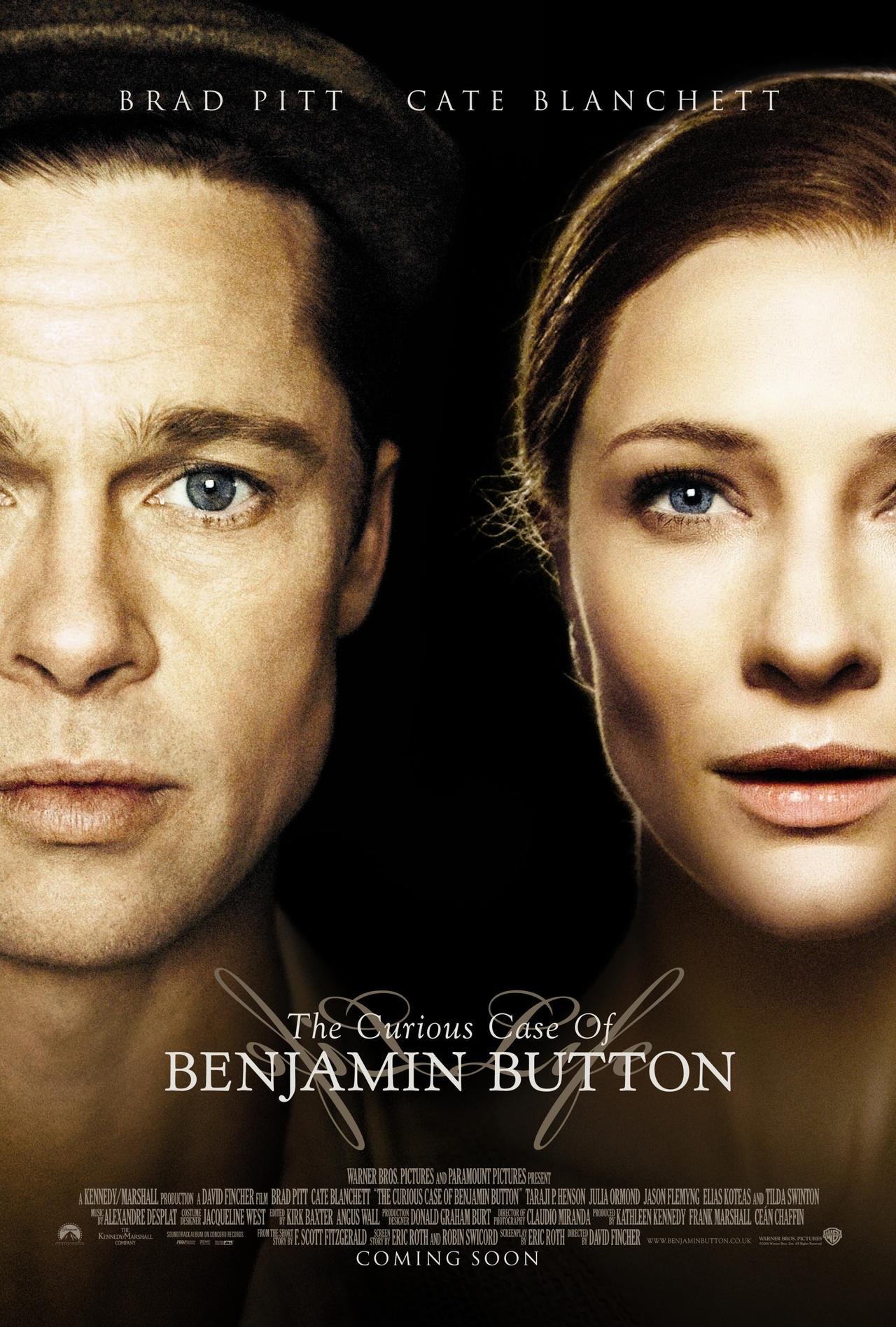
Brad Pitt delivers a mesmerizing performance that encapsulates the nuanced struggle of living life in reverse; he captures both childlike wonder and deep sadness with an impressive range. Cate Blanchett is equally compelling as Daisy, evoking a sense of fleeting beauty and inevitable longing, though her character sometimes feels secondary to Benjamin’s journey. The supporting cast, including memorable turns from Taraji P. Henson and a scene-stealing performance by Jim Broadbent, effectively flesh out the world around them, yet they dance on the edges of their narrative presence, never quite commanding the same attention as the leads.
Which characters feel fully realized and which feel underused
Benjamin and Daisy emerge as richly fleshed-out individuals, their complexities inviting both empathy and reflection. However, characters such as Daisy’s family or Benjamin’s father remain somewhat one-dimensional, serving more as narrative devices than as fully realized people with their own journeys. This discrepancy highlights a missed opportunity for deeper thematic exploration of how Benjamin’s unique circumstances affect those around him, ultimately leaving several interesting relationships underexplored and unfulfilled.
How well does the director and the film execute the idea?
David Fincher’s direction, tone, and storytelling choices
David Fincher’s meticulous direction creates a melancholic atmosphere that envelops “The Curious Case of Benjamin Button.” He employs a patient storytelling style that complements the film’s themes of time and mortality. Fincher’s choice to juxtapose life’s fleeting beauty with the tragic absurdity of Benjamin’s backward aging lends the narrative a layered complexity. His careful orchestration of tone—oscillating between whimsy and heartbreak—effectively mirrors Benjamin’s unique perspective on life. However, the film occasionally feels like it entraps itself in its own thoughtful pace, risking viewer disengagement, especially during its most contemplative stretches.
Does the screenplay and editing support the emotional core?
The screenplay, penned by Eric Roth, endeavors to distill the essence of F. Scott Fitzgerald’s short story while crafting a narrative that resonates with contemporary audiences. It captures the poignancy of love and loss, but at times, the dialogue and character motivations can feel somewhat contrived, undermining the emotional stakes. The editing, while exquisite in its visual transitions, sometimes disrupts the rhythm of the narrative. Important emotional beats are occasionally overshadowed by abrupt scene shifts, which detracts from the deeper connections that could be established. The screenplay’s reach towards thematic depth is commendable but can falter in delivering emotionally fulfilling arcs.
Do the visuals, effects, and music work or distract?
Makeup and aging effects: believable or noticeable?
The makeup and aging effects are an ambitious achievement, designed to visually narrate Benjamin’s unique journey through time. The tech-heavy approach, utilizing both practical effects and CGI, succeeds in creating a believable aging transformation that is both unsettling and impressive. Nevertheless, there are moments where the effects become a focal point rather than a seamless part of the storytelling, drawing attention to the craft rather than enhancing the narrative. The blend of visual artistry occasionally falters, pulling viewers out of the immersive experience and reminding them they are watching a film rather than engaging with the story.
Cinematography, production design, and Alexandre Desplat’s score — do they add to the experience?
The cinematography by Claudio Miranda captures the film’s emotional and temporal breadth, effectively balancing the lush visuals with moments of stark realism. The production design meticulously evokes the various eras Benjamin navigates, providing a rich backdrop that enhances the narrative’s exploration of time. Alexandre Desplat’s score is perhaps the film’s most compelling asset, weaving an evocative tapestry that resonates with the emotional undercurrents of each scene. It emboldens the narrative, elevating moments of joy and sorrow alike. Yet, there are instances where the score’s intensity can feel just shy of overwhelming, overshadowing the subtleties of character interaction and emotional nuance.
Does the movie actually make you feel anything?
Emotional highs and lows without major spoilers
The emotional landscape of “The Curious Case of Benjamin Button” traverses an intricate path, capturing the exquisite joy of love and the inevitability of loss. The highs are beautifully rendered through Benjamin’s fleeting yet profound experiences, infusing moments of wonder and hope. However, some of the film’s orchestrated emotional lows attempt to punch above their weight but occasionally feel muted, failing to resonate as deeply as intended. There’s a lingering sense that the emotional journey, while profound in its conception, sometimes lacks the consistent impact that truly pushes viewers to feel fully engaged.
Which themes land (time, love, mortality) and which feel heavy-handed
Themes of time, love, and mortality are intertwined with profound insight, often landing with striking clarity. The exploration of time through Benjamin’s unique existence invites reflection on how one measures a life well-lived, presenting a haunting meditation on the nature of regret and memory. However, certain elements, particularly those addressing mortality directly, tread towards heavy-handedness. The film feels the need to reiterate its thematic relevance, undermining some of the subtlety that could have allowed viewers to engage with these questions organically. As a result, while the themes resonate, they don’t always breathe naturally, leaving the audience grappling with a dynamic that occasionally tips into melodrama.
What are the biggest strengths and weaknesses?
Clear list of the film’s top strengths
- Unique Narrative Structure: The film’s premise of aging backward offers a refreshing departure from typical romantic dramas, allowing for rich thematic exploration around time and relationships.
- Artistic Visuals: The cinematography and production design provide a visually arresting experience that powerfully evokes the various eras of Benjamin’s life, immersing viewers in its richly constructed world.
- Intriguing Score: Alexandre Desplat’s haunting score enhances emotional moments, weaving a melodic thread that connects Benjamin’s experiences to the audience’s heart.
- Brad Pitt’s Performance: Pitt’s ability to convey a range of emotions, from childlike joy to profound sorrow, enriches the film and binds the viewer to Benjamin’s poignant journey.
Clear list of the film’s main flaws
- Pacing Issues: The film’s deliberate pacing can lead to periods of lethargy, which may disengage viewers looking for a more dynamic rhythm.
- Character Depth Disparity: While Benjamin and Daisy are fully realized, many supporting characters lack sufficient development, diluting the emotional stakes in crucial moments.
- Heavy-Handed Themes: Certain thematic elements, particularly around mortality, can feel overemphasized, undermining subtlety and emotional resonance.
- Editing Disruptions: Abrupt scene transitions disrupt the narrative flow and occasionally obscure the emotional payload, hindering viewers’ connections to key moments.
Who is this really for?
Types of viewers who should watch (or avoid) it
Those who appreciate contemplative cinema with a focus on character and existential reflection will likely enjoy “The Curious Case of Benjamin Button.” Viewers interested in visually arresting storytelling that grapples with themes of time and love will find much to ponder. Conversely, individuals seeking action-oriented narratives or straightforward plots should probably steer clear, as this film leans heavily on introspection and emotional nuance over pacing and conventional plot mechanics.
Mood and setting where it works best (solo, date night, rewatch with family)
This film performs best in a contemplative setting, making it an excellent choice for solo viewing when one is in the mood for introspection. Its emotional weight also lends itself well to a date night, fostering deep conversations about life, love, and the nature of time. Rewatching it with family could spark interesting discussions, but the film’s length and pacing issues might test the patience of younger viewers, making it less suitable for a casual family screening.
Is The Curious Case of Benjamin Button worth rewatching?
Rewatch value after 5+ years — what new things you might notice
After several years, a rewatch of “The Curious Case of Benjamin Button” reveals layers that might go unnoticed during an initial viewing. The subtleties in character relationships and the tragic beauty of its themes become more pronounced, while the pacing can be appreciated as reflective rather than languid. Observing character interactions against the backdrop of Benjamin’s unique timeline allows for a deeper understanding of how choices reverberate through lives touched by love and time. As viewers grow older, they might find the film resonates differently, offering fresh insights into its poignant meditation on mortality and the fleeting nature of existence.
How it holds up compared with other Fincher movies and romantic epics
When juxtaposing “The Curious Case of Benjamin Button” against Fincher’s broader oeuvre, it stands apart as one of his more sentimental works, diverging from his typical psychological thrillers. While it lacks the visceral tension of films like “Seven” or “Gone Girl,” its emotional depth serves as a testament to his versatility as a director. Comparatively, within the realm of romantic epics, it offers a unique twist on the genre with its unconventional premise, though it may not match the narrative tightness or emotional precision found in classics like “The Notebook” or “Eternal Sunshine of the Spotless Mind.” Ultimately, it holds a distinct place as a thought-provoking exploration of life’s transience, engaging those willing to embrace its contemplative style.
FAQs
Is the movie based on a short story and how faithful is it?
Yes, “The Curious Case of Benjamin Button” is adapted from a short story by F. Scott Fitzgerald. However, while the film retains the core concept of a man who ages in reverse, it expands significantly on the source material. The screenplay weaves in a richer tapestry of narrative and character development, veering away from Fitzgerald’s more humorous tone. Instead, it delves into complex themes like love, loss, and existential reflection. This departure from the original’s brevity allows for emotional depth, though at the risk of losing some of Fitzgerald’s whimsical charm. The film’s length and complexity invite audiences to ponder the implications of its premise, crafting a story that feels both familiar and distinctly its own.
How long is it, is there a lot of slow pacing, and where can I watch it?
Clocking in at nearly three hours, “The Curious Case of Benjamin Button” certainly isn’t a brief affair. Its length invites contemplation, but also raises valid concerns about pacing. The film is deliberately paced, allowing moments to linger and breathe, which can be a double-edged sword. While this offers audiences space to engage with the emotional weight of the narrative, it can also lead to sections that feel drawn out or overly tedious, especially during its middle act. Viewers might find themselves yearning for a more dynamic rhythm. As for availability, the film can typically be found on popular streaming platforms, as well as for rent or purchase through various digital retailers, making it accessible for those keen to immerse themselves in its reflective journey.