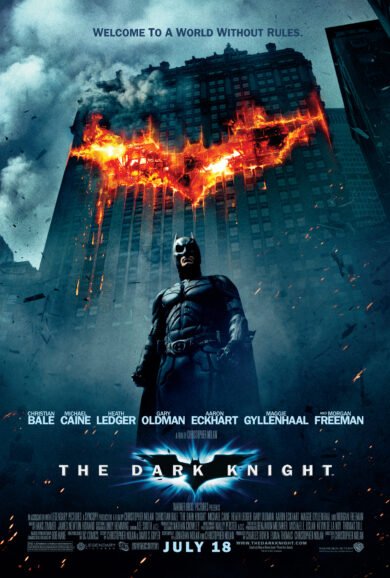
Information
TL;DR — Quick verdict
One-sentence takeaway
“The Dark Knight” is a masterclass in weaving moral complexity, tension, and psychological depth into a superhero narrative, making it a cinematic experience that transcends the genre.
Who should watch it right now
Fans of intense, character-driven storytelling should immerse themselves in this film immediately, as it not only redefines the superhero genre but also challenges viewers to explore the darker aspects of humanity.
What’s the mood here?
Tone, stakes, and how intense it feels
The mood of “The Dark Knight” is a palpable mix of anxiety and intrigue. Nolan crafts a world drenched in shadows, where chaos reigns and morality is blurred. The stakes are cataclysmic, constantly pushing characters into ethical dilemmas that resonate far beyond the screen. As Gotham faces its greatest threats, the tension escalates with every frame, making even the briefest moments feel heavy with consequence. It’s not just a battle between good and evil; it’s an exploration of what happens when those lines are smudged and the chaos ensues.
Runtime and pacing in one line
At 152 minutes, the film maintains a relentless pacing that drives the narrative forward, embracing both quiet contemplation and exhilarating action seamlessly.
What’s this about without spoiling anything?
Core setup and central conflict
At its core, “The Dark Knight” revolves around the escalating battle for Gotham City’s soul. Batman, played with nuance and intensity, faces off against the Joker, brilliantly portrayed as a chaotic force intent on exposing the fragility of societal order. The film dives deep into the conflict not just between these two forces, but also within Batman himself, struggling with his identity and the fine line he walks between hero and vigilante.
The emotional question the movie asks
The film compels viewers to contemplate the true nature of heroism and the sacrifices it entails. It presents an emotional question that lingers long after the credits roll: What does it mean to hold onto one’s morality in a world where the rules seem to favor chaos? The exploration of the human psyche and our capacity for both good and evil forms the crux of this cinematic journey, urging the audience to reflect on the complexities of their own ethical stances.
Does the story and pacing hold up?
How the plot moves and where it picks up
The narrative flow of “The Dark Knight” is nothing short of masterful. It picks up with an urgency that quickly immerses the audience in Gotham’s chaotic existence. Christopher Nolan, along with co-writer Jonathan Nolan, shuffles the cards of heroism and villainy, inviting us to reconsider the very nature of justice. The pacing races through the aftermath of the previous film, establishing more profound stakes as new players enter the scene. We see Gotham facing a moral crisis, with Harvey Dent’s rise symbolizing hope before spiraling into an abyss.
As the story unfolds, the intricate weaving of subplots allows for a non-linear progression that eschews traditional storytelling conventions. This layered structure enhances the central themes of duality and deception, reflecting the characters’ descent into complexities that blur the lines between good and evil. Nolan’s potency lies in how dynamic shifts—like the Joker’s chaotic interventions—alter the course of the narrative, demanding that viewers stay constantly engaged.
Any slow patches or confusing bits
While the film is predominantly taut and thrilling, there are moments where the intensity slackens, most notably in the intermixed political discussions around Dent’s public image and the mob’s reaction to the Joker. Here, some audiences might find themselves grappling with dense dialogue and the multitude of players vying for control of Gotham. Yet, these slower segments serve a purpose, grounding the film in its political intrigue and character development.
Nolan teases with ideas that might feel overstuffed, particularly for those unfamiliar with the source material or the greater DC lore. Yet, rewarding patience becomes a hallmark of the viewing experience, as these slow patches inevitably strengthen the payoff, emphasizing the film’s intricate choreography of suspense, morality, and eventual chaos.
How are the performances in The Dark Knight?
Standout actors and why they matter
Heath Ledger’s portrayal of the Joker is transformative, supporting his legendary stature in cinematic history. His performance is a chaotic symphony, blending charisma with a palpable threat that lingers long after the screen fades to black. Ledger encapsulates the essence of anarchy, presenting a villain whose motivations remain a psychological puzzle. This character isn’t merely evil; he poses philosophical quandaries about sanity, freedom, and social order. His multi-dimensionality raises the stakes for every protagonist he faces.
Christian Bale continues to embody Batman with grit and depth. His internal struggles resonate with audiences, particularly as he grapples with his duality as Bruce Wayne and the caped crusader. Bale’s work showcases a vulnerability that enhances the emotional stakes, making his journey relatable even within the confines of a fantastical superhero saga.
Supporting cast and chemistry
The supporting cast elevates the narrative profoundly, with Aaron Eckhart’s Harvey Dent as a focal point. Eckhart presents Dent as a paragon of heroism, whose tragic fall is both heartbreaking and necessary for the film’s commentary on honor and ethics in a corrupted world. His chemistry with Ledger’s Joker is electric, rooted in a twisted relationship that spices up the overarching conflict.
Gary Oldman gives a solid performance as Commissioner Gordon, cultivating a sense of grounded authenticity among the chaos. His interactions with both Dent and Batman amplify the stakes involved, establishing him as a moral compass amidst the characters’ ethical dilemmas. The ensemble’s chemistry within these tense dynamics not only enriches the film’s emotional landscape but also serves as a reliable foundation for its moral complexities.
How does it look and sound?
Cinematography and action sequences
Visually, “The Dark Knight” is a triumph, with Wally Pfister’s cinematography brilliantly capturing the dichotomies of Gotham—the pristine surfaces of wealth clashing with the underbelly of crime. The use of IMAX cameras for crucial sequences delivers breathtaking visuals that heighten the cinematic experience. Scenes like the iconic bank heist explode with visceral energy, showcasing both spectacle and the meticulous choreography of chaos.
The film balances the grandiose with intimate moments, employing shadows and light effectively to create tension. Action sequences don’t just dazzle; they serve the narrative. The climactic chase involving the Batpod carves an indelible mark on action cinema, blending practical effects with a palpable sense of realism that feels immersive rather than fabricated.
Score, sound design, and mood-setting
Hans Zimmer and James Newton Howard collaborate on a score that resonates on multiple levels. The haunting orchestral arrangements underscore emotional beats and punctuate intense moments, delivering a potent atmosphere that grips viewers from start to finish. The score’s steady rise evokes a sense of impending doom, mirroring the Joker’s chaotic ideology and Batman’s relentless pursuit of justice.
Sound design enhances the film’s tension, with each auditory cue—from the ticking of explosives to the chilling laughter of the Joker—deepening the immersive quality of the experience. The film’s balance between silence and sound amplifies psychological warfare, creating an ambiance that invites viewers to experience the dread and anticipation so integral to Nolan’s world.
In “The Dark Knight,” visual artistry and sonic elements coalesce into an overarching mood that defies genre conventions, yielding a film not just watched, but felt. This powerful amalgamation pulls audiences into its moral quandaries, demanding active engagement and reflection long after the credits roll.
The good stuff — what works
Key strengths that make it memorable
“The Dark Knight” stands as a defining entry not only in the superhero genre but also in the broader landscape of cinematic storytelling. The film’s greatest strength lies in its ability to blend complex character arcs with high-stakes moral dilemmas. The brilliant script, co-written by Jonathan Nolan and Christopher Nolan, delves deep into the psyche of its characters, offering viewers a chance to reflect on their motivations and the consequences of their choices.
Heath Ledger’s Joker is a standout element, bringing a chaotic energy that disrupts the status quo of Gotham. His portrayal transcends mere villainy, representing an anarchic force that propels the narrative forward. The film’s visual style, highlighted by Wally Pfister’s masterful cinematography, complements this intensity, with its striking contrasts between light and shadow enhancing the moral ambiguity at the heart of the story.
Moments that elevate the whole film
Several scenes lift “The Dark Knight” past standard expectations. The iconic interrogation scene between Batman and the Joker is a masterclass in tension. The dialogue crackles, and every line resonates with deeper implications about fear, power, and morality. The ethical quandaries presented force both characters—and the audience—to grapple with larger existential questions.
Additionally, pivotal moments, such as the harrowing choice between saving Rachel Dawes or Harvey Dent, evoke emotional reactions that linger long after the credits roll. These scenes do more than move the plot forward: they embed thematic richness that resonates on both personal and societal levels, creating a layered experience that prompts discussions that extend beyond the theater.
What didn’t work or feels rough?
Legitimate criticisms without spoilers
Despite its many triumphs, “The Dark Knight” isn’t without its flaws. Some critics argue that the film’s pacing suffers in the middle act. While the action sequences are breathtaking, certain scenes can feel drawn out, interrupting the momentum. These moments, meant to build tension, occasionally veer into excessive exposition, which might lose the attention of viewers less committed to the film’s philosophical undercurrents.
The film also grapples with its ensemble cast. While each character is compelling, occasional underdeveloped arcs—most notably the role of Batman’s allies—can dilute the overall impact. This lack of depth makes it challenging for some audience members to fully invest in their character journeys alongside the more prominent narratives of Batman and the Joker.
Issues that might bother some viewers
The film’s darker themes may feel alienating to casual viewers, especially those expecting the traditional superhero fare. Concepts of moral ambiguity and the psychological toll of vigilantism aren’t easily digestible, raising the question of whether mainstream audiences will embrace the film’s darker messaging.
Moreover, the sheer intensity of the Joker’s chaos may be off-putting for some. Within the tapestry of conflict, there’s a sense of nihilism that permeates the film, challenging audiences to confront uncomfortable truths about society and human nature. For those seeking straightforward escapism, “The Dark Knight” may prove to be an unsettling experience.
Standout moments (no spoilers)
Scenes people will talk about after watching
Several moments in “The Dark Knight” will simmer in viewers’ conversations long after the film ends. The unforgettable opening bank heist sets a high-octane tone, showcasing the Joker’s methodical madness and establishing his unpredictable nature. The scene’s intricacy and the chilling sense of organization behind such chaos is a brilliant commentary on his character.
Another point of discussion will be the climax involving the fate of two ferries, where moral choices are presented in stark black-and-white terms. It’s a thrilling and morally weighty sequence that makes one consider the fragility of social constructs when pitted against survival instincts, igniting debates about human nature.
Small beats that land emotionally or visually
There are quiet moments that land heavy, too. Batman’s conversations with Alfred about the cost of his crusade showcase the emotional toll on the hero, grounding the otherwise chaotic narrative in genuine human emotions and relationships.
Visually, the cinematography during the Gotham City skyline shots captures the haunting mood of the film, reflecting the underlying theme of a city on the brink. The carefully composed shots not only add aesthetic value but also contribute to the storytelling, underscoring Gotham’s deteriorating state amid the surge of chaos that the Joker brings.
While “The Dark Knight” is filled with pulse-pounding action and cerebral conflicts, it’s these small yet powerful moments that anchor its emotional resonance, ensuring it remains in the hearts and minds of audiences.
Who is this for and is it worth rewatching?
Best audience match and viewing context
“The Dark Knight” isn’t just for Batman aficionados; it’s a rich tapestry that appeals broadly to anyone captivated by cinema’s capacity for storytelling. fans of complex moral dilemmas, action-packed sequences, or gripping character studies will find much to appreciate. It’s a master class in the intersection of superhero narrative and high-stakes drama, likely resonating with viewers who enjoy films that challenge the status quo and add layers of depth.
For the full experience, watching it in a theater setting, surrounded by a captivated audience, is ideal. The film’s chilling atmospherics—conveyed through haunting visuals and an iconic score—come alive on the big screen. However, it also holds its charm in the intimacy of a home viewing. Catching those subtle nuances—like the nuances in Heath Ledger’s Joker or the moral conflicts illustrated through Bruce Wayne’s choices—becomes an enriching experience on repeated viewings.
Replay value and how it ages
The replay value of “The Dark Knight” is remarkable. Unlike many superhero films that trend towards purely entertainment, this film offers layers of complexity that invite deeper examination. With each rewatch, viewers can unearth new insights, especially regarding the duality of its characters. While initially, you might be drawn to the exhilarating action scenes or the charismatic performances, subsequent viewings often reveal thematic elements centering around chaos, morality, and choice.
As for aging, it holds up extraordinarily well. Certain films might fade in relevance as years pass, but “The Dark Knight” remains a cultural touchstone, often referenced in discussions about modern cinema. Its commentary on societal issues—fear, chaos, and the thin veneer of civilization—continuously resonates, making it feel painfully relevant in today’s world. The visceral tension and seamless weaving of action with psychological nuance help cement its status as a timeless classic.
FAQs
How did critics and audiences respond to The Dark Knight?
Critics and audiences were overwhelmingly positive, which only heightened the film’s legacy. The film debuted to rave reviews, lauded especially for its complex narrative, cinematography, and performances, particularly Ledger’s portrayal of the Joker. It not only garnered numerous accolades, including Academy Awards, but also initiated extensive discussions about the possibilities within the superhero genre. Its ratings consistently rank it among the greatest films of all time, cementing its status beyond just a typical comic book adaptation.
Is The Dark Knight worth watching on its own or after Batman Begins?
“The Dark Knight” can absolutely stand on its own. While the narrative does pick up from Christopher Nolan’s “Batman Begins,” the movie is structured in a way that newcomers can grasp its essence without prior context. However, experiencing it in sequence enhances the viewing, providing richer character arcs and deeper emotional stakes. “Batman Begins” lays the groundwork for Bruce Wayne’s evolution, making the leap into “The Dark Knight” even more impactful, particularly in understanding his struggles against corruption and chaos.
Where can I stream or watch The Dark Knight right now?
As of now, “The Dark Knight” is available on several platforms. It can often be found on mainstream services like HBO Max and Amazon Prime Video, among others. If you’re looking to own the film, it’s readily available for purchase or rental on platforms like iTunes and Google Play. Always check local listings, as availability may vary by region.
Is Heath Ledger’s performance really the highlight?
Yes, Ledger’s performance undeniably stands out as a hallmark of the film. His Joker is a chaotic force of nature, captivating audiences with a blend of chilling menace and unsettling charisma. Critics hailed it as one of the greatest cinematic performances, contributing to the film’s massive acclaim. Ledger’s dedication—a transformation that saw him immerse himself deeply into the character—has left an indelible mark on modern cinema, elevating the film to heights many attribute primarily to his acting prowess.
How does The Dark Knight compare to The Dark Knight Rises?
“The Dark Knight” often shines brighter than its sequel, “The Dark Knight Rises,” primarily due to its psychological depth and the riveting portrayal of its main antagonist. While “The Dark Knight Rises” offers a grand scope with larger-than-life stakes, it sometimes feels more like a traditional superhero narrative compared to the morally gray tones explored in its predecessor. The tension woven throughout “The Dark Knight” between Batman and the Joker creates an unforgettable dynamic, while “The Dark Knight Rises,” despite its strengths, is perhaps less tightly woven in narrative efficacy. That said, both films are integral pieces of Nolan’s trilogy, culminating in a broader exploration of what it means to be both hero and villain.