

Information
tl;dr
Short verdict: watch, skip, or maybe
Watch it, especially if you’re a fan of coming-of-age dramas that feature sharp writing and authentic character dynamics. The film balances humor and poignancy, offering a refreshing perspective on adolescent life.
Two-sentence reasoning (tone, lead performance, who will like it)
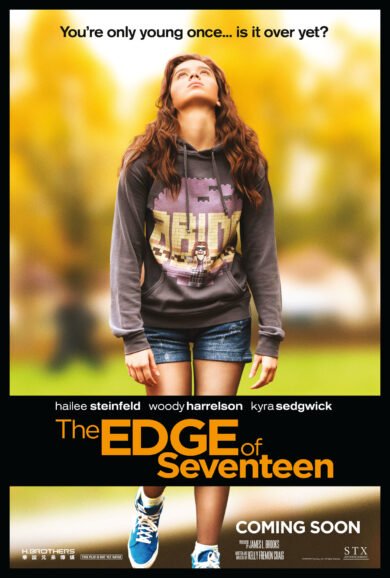
With its witty script and relatable tone, “The Edge of Seventeen” captures the complexities of teenage life without succumbing to clichés. Hailee Steinfeld’s lead performance resonates deeply, making it an appealing choice for anyone who appreciates nuanced storytelling that reflects real emotional struggles.
Does the story and pacing hold up?
Main themes without retelling the plot
At its core, “The Edge of Seventeen” delves into themes of isolation, identity, and the often tumultuous journey to self-acceptance during adolescence. The film effectively portrays the chaotic whirlwind of teenage relationships and the profound impact of family dynamics, particularly the sibling rivalry that shapes the protagonist’s world view.
Where the film drags or moves briskly
The pacing fluctuates, occasionally bogged down by scenes that delve into excessive exposition or overly drawn-out emotional exchanges. However, it effectively quickens during moments of self-discovery and comedic exchange, allowing the story to breathe and feel vibrant when it traverses the complexities of friendship and betrayal.
Are the performances convincing in The Edge of Seventeen?
Lead performance and emotional honesty
Hailee Steinfeld delivers a captivating performance, infused with a mixture of vulnerability and resilience that brings depth to her character. Her emotional honesty grounds the film, allowing viewers to connect with the struggles of navigating teenage angst and personal growth, avoiding the typical pitfalls of overacting or melodrama.
Standout supporting actors and chemistry
The supporting cast, particularly Woody Harrelson as the sardonic teacher and Kyra Sedgwick as her mother, enhances the narrative through their dynamic interactions with Steinfeld. Harrelson’s dry humor and Sedgwick’s nuanced maternal struggles create a rich tapestry of relationships that add layers to the protagonist’s journey, demonstrating that the film isn’t solely about self-discovery but also about the influences that shape it.
Do the characters feel real and worth caring about?
Protagonist growth and flaws
Nadine’s journey feels authentic because it navigates the murky waters of teenage identity with a level of sincerity often lacking in similar films. She’s not just a collection of traits or a superficial character pursuing a cliché arc; rather, she’s a complex individual grappling with insecurities and the fear of being unlovable. Her flaws—selfishness, insecurity, and a sharp tongue that often alienates those she loves—mirror the tumult many adolescents experience. This multifaceted approach allows audiences to resonate with her struggles, making her growth feel earned rather than simply scripted. By the end, Nadine isn’t wholly transformed; instead, she’s more self-aware, representing a realistic trajectory of maturation where growth is messy and nonlinear.
Memorable side characters and relationships
Supporting characters in “The Edge of Seventeen” serve not only to enrich Nadine’s landscape but also highlight various facets of adolescence. Woody Harrelson’s teacher, with his dry wit and unexpected wisdom, stands out as a mentor unlike any other. Their relationship is refreshingly platonic, embodying a space where Nadine can unpack her frustrations without judgment. Meanwhile, the strained but relatable dynamic with her mother, played by Kyra Sedgwick, adds depth to the familial conflicts central to Nadine’s experience. These side characters aren’t mere props; they provide a crucial context for understanding Nadine’s perspective, illustrating how various relationships contribute to her evolving sense of self. This tapestry of connections enhances not only the stakes of her journey but also the film’s emotional resonance.
How well is the direction and overall execution?
Tone, balance between comedy and drama
Director Kelly Fremon Craig strikes a commendable balance between humor and heartfelt moments, weaving them into an engaging narrative that feels both light-hearted and weighty. The film’s comedic elements are never trivialized; instead, they serve as a vehicle for exploring deeper themes of loneliness, love, and acceptance. Craig’s ability to blend punchy dialogue with poignant moments allows “The Edge of Seventeen” to feel refreshingly authentic, steering clear of overly saccharine tropes often found in teenage dramas. This tonal dexterity ensures that when a moment shifts from a laugh to a lump in the throat, it feels organic rather than manipulative.
Visual style, editing, and scenes that work best
Visually, “The Edge of Seventeen” employs a palette that captures the vibrant chaos of adolescent life. The cinematography effectively mirrors Nadine’s internal world, using close-ups and soft focuses to convey her emotional states. These stylistic choices invite viewers to connect more deeply with her experiences. The editing, particularly in scenes of dialogue and confrontation, is snappy and reflective of young people’s rapid-fire communication styles, keeping the pace brisk without sacrificing emotional depth. The standout scenes often juxtapose moments of comedic relief against sudden emotional revelations, such as the heart-wrenching confrontation with her best friend. This interplay of light and shadow highlights both Nadine’s isolation and her desperate longing for connection, encapsulating the complexities of youth beautifully.
Does the humor land and are the emotional moments earned?
Examples of the film’s funniest beats
“The Edge of Seventeen” thrives on its sharp wit, often delivered through clever one-liners and unexpected scenarios that resonate with its teenage audience. Nadine’s interactions with her teacher produce some of the film’s most memorable comedic exchanges, where his deadpan responses perfectly counterbalance her chaotic energy. The humor strikes a chord because it feels rooted in the authenticity of adolescent life—awkwardness, misunderstandings, and the visceral embarrassment of navigating crushes and friendships all play out with a comedic touch that doesn’t undercut the film’s sincerity. These moments anchor Nadine’s character, providing levity in her otherwise tumultuous journey.
Emotional scenes that hit or feel manipulative
While many emotional moments land with honest impact, a few scenes veer into territory that can feel overworked or slightly manipulative. The film excels when drawing from the raw, universal experiences of heartbreak and familial tension. For instance, a poignant confrontation between Nadine and her mother illuminates their struggles with vulnerability, forging a relatable connection. However, some climactic moments, particularly those tied to romantic resolution, occasionally tread into melodrama, risking alienation rather than empathy. Despite this, the sincerity evident in Nadine’s journey ultimately carries the emotional weight, making even the less effective scenes resonate within the broader context of her personal evolution.
What are the biggest strengths and weaknesses?
Clear strengths to expect
One of the film’s foremost strengths lies in its keen understanding of adolescence, illustrating the awkwardness and intensity of teenage emotions with both humor and gravity. The script is filled with razor-sharp dialogue that captures the essence of modern teenage life, allowing for conversations that feel genuine rather than scripted. Hailee Steinfeld’s performance is undoubtedly a highlight, conveying vulnerability and resilience with remarkable nuance. This emotional authenticity resonates deeply, making her character’s journey not just relatable but profoundly moving. Additionally, the direction by Kelly Fremon Craig achieves a balance that many coming-of-age films struggle to find. The film effectively oscillates between humor and heartfelt moments, ensuring that neither aspect undercuts the other, resulting in a genuine portrayal of life’s complexities.
Key flaws that may bother some viewers
Conversely, “The Edge of Seventeen” is not without its blemishes. Some viewers may find certain emotional beats to verge on melodrama, particularly in climactic scenes that feel overly orchestrated for effect. These moments could come across as contrived, potentially pulling audiences out of the otherwise immersive experience. Additionally, while the pacing generally works well, there are instances where the film delves into tangential plot points that detract from the central narrative arc. This occasionally results in scenes that feel bloated with exposition rather than impactful storytelling, which might frustrate those seeking streamlined character development.
Who is this movie really for?
Best audience by age, mood, and taste
“The Edge of Seventeen” primarily caters to a youthful audience dealing with the tribulations of growing up, but its heartfelt core has something for everyone. Its humor and emotional depth can appeal to older viewers who appreciate poignancy in storytelling. For those who relish character-driven narratives that push through the superficiality often associated with teen films, this film stands out; it bridges generational gaps through shared experiences of love, loss, and identity. Whether you’re in a nostalgic mood or seeking comfort in relatable adolescent struggles, the film caters to a diverse emotional palette, making it a worthwhile watch regardless of age.
If you liked these other films or shows, you’ll probably enjoy this
If you found yourself drawn to films like “Lady Bird,” which similarly explores the tumultuous road of adolescence with rich character development and subtle humor, then “The Edge of Seventeen” will resonate with you. Additionally, audiences who enjoyed “The Perks of Being a Wallflower” will appreciate how both films tackle adolescent loneliness and the intricate dynamics of friendships. The craft of dialogue and character relationships in those films mirrors what is seen here, creating a familiar yet distinct experience that feels equally rewarding.
Is The Edge of Seventeen worth watching now or worth rewatching?
First-time watch value and timing
Watching “The Edge of Seventeen” now offers a thoughtful interlude in the cinematic landscape, especially for those seeking an authentic portrayal of youth. The film’s exploration of timeless themes such as self-discovery and emotional turmoil makes it an excellent choice for both newcomers to the genre and those revisiting the challenges of teenage life. It manages to evoke laughter and contemplation in equal measure, making it ideal for viewers in need of relatable content that neither shies away from darker themes nor overindulges in feel-good clichés.
Longevity and rewatchability
As for rewatchability, “The Edge of Seventeen” holds value for its layered storytelling and rich character work. Each viewing unearths nuances in Nadine’s relationships and her multifaceted personality, allowing viewers to gain fresh insights into her journey. The film’s ability to marry comedy with genuine emotional moments cements its place as a worthwhile revisit. While it may not penetrate the cultural zeitgeist as profoundly as some classics, its authenticity and relatability will likely encourage viewers to return, finding comfort in familiar struggles and the film’s earnestness time and again.
Practical info viewers want to know
Runtime and age rating / content warnings
“The Edge of Seventeen” runs for a tight 104 minutes, making it a manageable watch for those shorter on time. It carries an age rating of PG-13, primarily due to mature themes, language, and situations that revolve around the teenage experience. Viewers should be aware that while the film incorporates humor, it also delves into serious topics like mental health, relationship complexities, and family strife. These elements may resonate strongly with younger viewers, but they warrant caution for the very sensitive or those who might find the thematic content triggering.
Where to stream or rent right now (current availability note)
As of now, “The Edge of Seventeen” is available to stream on platforms such as Hulu, providing easy access for subscribers. For those who prefer traditional rental options, it can often be found on popular services like Amazon Prime Video or Google Play, allowing viewers to rent or purchase. These options make it convenient for audiences looking to engage with the film on their own terms, ensuring that broader access to its portrayal of adolescence remains available.
Common criticisms and quick counterpoints
What most negative reviews focus on
Critics often point to a perceived lack of originality within “The Edge of Seventeen,” suggesting that it treads familiar ground in the coming-of-age genre without offering substantial innovation. Some reviews cite moments of melodrama, arguing that certain emotional beats feel overly contrived or that character arcs may come off as predictable. This sentiment may stem from a broader critique of teenage films that lean on archetypes rather than depth.
When those criticisms matter to you
Whether these criticisms resonate largely depends on the viewer’s expectations. For those who value originality and narrative surprises in their cinematic experiences, such predictability might be disheartening. However, if one’s appreciation leans toward authenticity and emotional relatability, the film’s familiar beats become comforting rather than bothersome. The balance of humor and heart, combined with nuanced performances, presents a compelling case that even well-trodden paths can lead to worthwhile exploration. It’s crucial for viewers to consider what they seek in relation to coming-of-age stories—familiarity can evoke nostalgia, and when executed with sincerity, it often enhances resonance.
FAQs
Is The Edge of Seventeen on Netflix or where can I watch it?
Currently, “The Edge of Seventeen” is not available on Netflix, but it can be streamed on Hulu. For those without a subscription to this platform, the film is also available for rent or purchase through services like Amazon Prime Video and Google Play, making it easily accessible for most viewers.
What is The Edge of Seventeen age rating and is it appropriate for teens?
The film holds a PG-13 rating, reflecting its candid approach to the complexities of teenage life. This designation is primarily due to language, mature themes, and relatable yet intense scenarios that echo the trials of adolescence. While it’s largely appropriate for teens, parental discretion is advised, particularly for younger viewers who may find some thematic content challenging. The film strives to capture genuine adolescent experiences, which can evoke strong emotions and discussions about real-life issues, a factor parents might want to consider when determining viewer suitability.