Information
TL;DR
Quick verdict in one line
The Godfather Part III offers a melancholic and reflective conclusion to a legendary triad of films, tempered with pathos.
Who will enjoy it most
Fans of the original two films and those who appreciate nuanced storytelling and complex character arcs will find value in this installment.
One-sentence spoiler-free takeaway
As a bittersweet epilogue, The Godfather Part III challenges our perceptions of power, family, and redemption while echoing the saga’s haunting legacy.
A bittersweet coda to a classic saga
What the tone and mood feel like
The teaser trailer of The Godfather Part III effectively sets a mood steeped in regret and nostalgia, capturing an atmospheric blend of melancholy. Cinematic images flicker by, invoking a sense of loss intertwined with the clamor of bygone power struggles. The orchestral score, reminiscent of Nino Rota’s haunting compositions, punctuates the visuals, inviting viewers into a world of moral grayness where every decision reverberates with profound consequences. This is not merely a sequel but rather a reflection, almost a requiem, for the myths surrounding the Corleone family’s legacy.
How it sits next to the first two films
In the pantheon of the revered Godfather franchise, this third installment serves as a diverging path rather than a straightforward continuation. While Don Vito and Michael Corleone orchestrated their rise in parts one and two through shrewd maneuvers and cold determinations, this chapter focuses on the fragility of their empire. The juxtaposition of youthful ambition versus the weight of legacy creates a narrative tension distinctly different from its predecessors but equally resonant. It could be interpreted as an elegy for the orchestrated chaos that defined the earlier films, urging viewers to ponder whether power leads to redemption or inevitable downfall.
What is The Godfather Part III about?
The basic setup without spoilers
In the teaser, we glimpse a mature Michael Corleone grappling with an uncertain future, striving to extricate his family from the shadows of their past. This final chapter explores his ambitions to legitimize his family’s business, rather than dominating through fear and violence. The familiar yet estranged family dynamics emerge palpably, with Michael at the center, burdened not only by his previous choices but also by a lingering thirst for control that threatens to unravel his intentions. Without revealing specifics, it seems the narrative poses introspective questions about legacy and consequence.
The main themes the film focuses on
The Godfather Part III delves into profound themes of redemption, morality, and the elusive pursuit of respectability. It examines how deeply-rooted familial bonds may conflict with personal aspiration, leading to a harrowing exploration of sacrifice. The weight of Michael’s choices reflects an internal struggle against time, legacy, and the inevitability of loss, tying back to the earlier films’ central assertions that power is often a curse as much as a blessing. This returning inquiry into the paradox of the American Dream, played out through the lens of gangster machinations, imbues the teaser with an unsettling kind of resonance that invites fervent discussion.
Narrative twists
Speculation around The Godfather Part III revolves heavily around potential narrative twists that could redefine character trajectories. Will Michael’s attempts to distance himself from his past truly succeed, or will he be drawn back into familiar treachery by forces hidden within his own family? The teaser hints at betrayals that feel inevitable, challenging viewers to ponder how loyalty and ambition might clash yet again.
Hidden villains or secret motivations
The palpable tension created in the trailer gives rise to fan theories centered on potential hidden villains lurking in the shadows. Could a familiar face return bearing ulterior motives, or might there be new adversaries arising from the remnants of Michael’s past? Perhaps longstanding alliances will be tested, revealing motivations that have long been obscured, adding layers to character interactions that classic fans will dissect endlessly.
Timeline or universe implications
With an expansive saga like The Godfather, the implications on its timeline cannot be ignored. Viewers might find themselves debating how the events in Part III resonate within the broader universe established by the earlier films. The shift towards a more introspective narrative raises questions about the repercussions of a life steeped in violence, connecting historical contexts of crime families to contemporary reflections on power structures.
Franchise / genre implications
Release date & expectations
With the official release window confirmed for December 2023, anticipation for The Godfather Part III is reaching fever pitch. In a landscape saturated with sequels and reboots, this installment stands out as a legacy piece that aims to transcend typical franchise fare. Industry buzz indicates that audiences are not merely interested in another entry, but rather a meaningful transition that restores the saga’s central themes of ambition and morality while presenting them through a modern lens.
Strong final verdict
Whether The Godfather Part III succeeds or stumbles may ultimately depend on its ability to balance nostalgia with innovation. The trailer sparks hope for a thoughtful exploration of heavy themes while honoring the intricate storytelling of its predecessors. In an era where cinematic legacies are reexamined and renewed, this chapter dares to stand on its own, echoing the immortal words spoken by Michael himself: “It’s not personal, it’s strictly business.”
In a world fragmented by ambition and betrayal, this film could resonate as a poignant end to an iconic saga, or it risks complicating the timeless narrative woven through its predecessors. One thing is certain — the legacy of The Godfather will whisper long after the credits roll.
Does the story and pacing hold up?
As a follow-up to the film that concluded Mario Puzo’s monumental narrative about the Corleone family, The Godfather Part III has its work cut out for it. Revisiting Michael Corleone’s tragic arc nearly a decade later is no small task, yet the narrative manages some compelling moments.
Where the plot clicks
One of the most effective aspects of The Godfather Part III is how it expands the themes of legacy and redemption that have long been defined within the series. The film’s opening re-establishes Michael’s desire to legitimize the family business, yet the stakes are ambiguously high; he remains firmly entrenched in a world of corruption. This tension creates narrative sparks that ignite when characters confront their moral dilemmas—especially Michael’s own understanding of his past actions and their ramifications.
The pacing—more deliberate than its predecessors—allows for an immersive experience, meticulously drawing viewers into a realm where decisions ripple outward. The interconnections between characters and plots feel layered, especially when focused on the family dynamics that have always defined the series. This rich tapestry of conflicts, ambitions, and betrayals keeps the viewer engaged, as it becomes evident that this third act isn’t merely a continuation but a deepening exploration of a legacy fraught with shadows.
Where it drags or gets messy
However, it would be naive to overlook the pacing pitfall that sometimes hinders the film. The complexity leads to intermittent moments of confusion, particularly in the subplot involving the Vatican and Michael’s attempt to secure a favorable future for his family. These segments, while ambitious in their thematic intentions, can feel disconnected or overly drawn out, making the film’s runtime feel cumbersome at times.
Moreover, the film’s conclusion attempts to deliver an emotional crescendo, but it sometimes spirals into melodrama where the stakes seem misplaced. Character motivations, particularly in the case of the new addition, Vincent Mancini, can feel erratic, driven by a screenplay that juggles too many balls. When the pacing falters, it can leave viewers pondering whether the film is treading water or drifting far from its earlier achievements.
Are the performances convincing?
The performances in The Godfather Part III are undeniably convincing, reviving iconic roles while introducing new layers to the characters. The cast not only breathes life into the weight of the story but also grapples with the emotional turmoil that lies at its core.
Standout turns you’ll remember
Al Pacino delivers an unforgettable performance as Michael Corleone, one that feels mature and laden with regret. His interactions, particularly with his daughter Mary, evoke both tenderness and tension, making his struggle for redemption palpable. There’s a gravitas in Pacino’s portrayal that captures Michael’s evolution from ruthless power broker to a man haunted by his choices.
Diane Keaton, reprising her role as Kay, showcases an emotional depth that adds significant layers to their fraught relationship. Her scenes resonate with a painful authenticity, elevating the film’s exploration of family loyalty and betrayal. Even in a narrative where she feels sidelined, her presence firmly anchors the film.
Performances that divide opinion
On the flip side, some performances evoke a mixed response. Andy Garcia’s portrayal of Vincent Mancini is characterized by a fervor and intensity that some viewers may find compelling while others deem overacted and lacking subtlety. The character is supposed to represent a bridge between the old guard and a new generation of crime, but his execution can polarize audiences. Is he Michael’s salvation or merely a product of his past?
Such dichotomies reflect the tension inherent in casting iconic roles and the shadows they cast. Garcia’s vibrant energy can upset the balance initially achieved, making the film’s trajectory feel uneven.
Supporting cast highlights
The film is also bolstered by a robust supporting cast. Eli Wallach’s appearance as a morally ambiguous character breathes life into scenes, offering a kind of unpredictability that leans into the film’s themes of manipulation and control. Though not as heavyweight a role as within the earlier films, Wallach’s character serves as a harbinger of the chaos that significantly impacts Michael’s attempts to step away from the dark side.
Talia Shire reprises her role as Connie, infusing her scenes with a sincerity that reflects the family’s loss and her own evolution. Her presence serves as a reminder of the family bonds that both uplift and condemn the Corleones.
How does it look and sound?
As one would expect from a film of this caliber, the aesthetic choices in The Godfather Part III serve the story as well as elevate it. The visual tone, sound design, and the careful attention to detail in costumes and locations create a rich atmosphere that resonates with fans familiar with the series.
Visual style and production design
Cinematographer Gordon Willis, known for his masterful use of shadow and light, continues to invoke a sophisticated visual style, painting scenes with a haunting elegance. The famed Italian landscapes juxtaposed against moments of stark violence create visual contrasts that deepen emotional impact. It’s a world where beauty and brutality coexist, challenging the notion of redemption that Michael seeks.
The production design plays a pivotal role. The opulence of the Vatican and the gritty streets of New York are designed to mirror Michael’s duality. Here, the grandeur of power collides with the moral decay that accompanies it. The visual symbolism reinforces thematic undertones of betrayal and the cyclical nature of violence.
The music and operatic moments
The score, once again masterfully composed by Nino Rota, emphasizes the film’s operatic qualities. The music swells during key moments, encapsulating the emotional gravity felt throughout the narrative. Rota’s themes echo with nostalgia and dread, underscoring Michael’s tragic journey and the inevitability of loss that looms over every decision made in both the boardroom and the family table.
Costume and location choices
Costume designer John Bofsky’s work immerses us in the film’s time and space. From the tailored suits that epitomize Michael’s authority to Kay’s elegant dresses that signify her charm and complexity, the costumes enrich the characters’ portrayals. Locations—from the grandiosity of the Vatican to the intimate yet tragic settings of the Corleone family gatherings—provide a vivid canvas for the narrative to unfold, evoking the richness of their history.
In The Godfather Part III, every visual and auditory element works harmoniously to create a film that resonates on multiple levels, compelling viewers to reflect on the deeper implications of story and character in a way that feels both rewarding and hauntingly familiar.
The Good Stuff — what actually works
Emotional beats that land
The emotional fabric of The Godfather III holds a complexity that deepens as the film progresses. Moments of despair, love, and betrayal weave together, giving the audience a palpable sense of urgency. One of the standout emotional arcs follows Michael Corleone, whose desire for redemption clashes powerfully with the weight of his past decisions. The film invites viewers to feel the toll of his choices, especially in scenes that illuminate his regrets, offering glimpses of the man he wishes to be rather than the ruthless leader he has become.
Scenes and sequences that feel cinematic
There are glimpses in the teaser that suggest a return to the grandiose visual storytelling that defined the earlier films. The sweeping shots of the Sicilian landscape, coupled with the intricate choreography of the characters’ movements, evoke a sense of operatic stakes. For instance, the juxtaposition of Michael at a lavish gathering contrasted with the undercurrents of impending violence suggests a tension that is quintessentially Godfather. These sequences remind us of Francis Ford Coppola’s mastery in creating cinematic layers, where every frame serves both a narrative and aesthetic purpose.
Themes and character moments that reward patience
Patience is a virtue in cinema, especially for those who appreciate the nuanced slow-burn pacing of the Godfather saga. This film tackles themes of power, legacy, and redemption with a flourish. For fans who relish character-driven narratives, the teaser hints at moments where family ties are tested and moral dilemmas arise. These threads are not merely background noise; they are crucial in understanding the depth of the characters’ struggles. Michael’s attempts to distance himself from the mafia lifestyle while grappling with familial expectations showcase a profound dramatic conflict, one that demands we invest our compassion and intellect into the unfolding drama.
Standout moments (no spoilers)
One big set-piece to watch for
While the trailer maintains an air of mystery, there’s an unmistakable moment where the meticulous craftsmanship of a pivotal set-piece stands out. A grand, chaotic party sequence comes to life, populated by various characters, each with their own agendas. This scene promises to echo the tensions of the conflict that builds through the film—a clash of ambition, loyalty, and retaliation. It encapsulates the essence of what made the first two films iconic: a blend of societal commentary and deeply personal stakes.
A quiet sequence that hits emotionally
Between the high-octane scenes, the teaser gives us a glimpse of quiet, introspective moments. One scene shows Michael in solitude, confronting his reflections—both literally and metaphorically. It’s in these silent pauses that the emotional weight gravitates. It’s reminiscent of the tender moments in The Godfather where emotional truths are revealed without dialogue, leaving viewers with a poignant resonance that lingers long after the scene has ended.
The closing stretch worth paying attention to
Without revealing specifics, it’s clear from the trailer that the film’s climax builds towards an electrifying crescendo, visually and thematically. A series of escalating confrontations promise to strike at the heart of the family saga. As legacies crumble and loyalties shift, the audience must steel themselves for an emotional wave that could eclipse everything seen before. This closing stretch appears to serve not only as a narrative resolution but as a meditation on the nature of power and the price of ambition.
Common criticisms and rough edges
Plot holes and tonal issues people point to
Despite the promise of deep thematic explorations, trailers naturally provoke scrutiny about potential weaknesses. Some viewers might recall criticisms raised about tonal shifts and narrative gaps in earlier discussions surrounding The Godfather III. The continuation of character arcs and political intrigue risks being muddied by disjointed plot developments. The teaser hints at moments designed to evoke intrigue, but some may feel they require more finesse to avoid sacrificing coherence for spectacle.
Casting choices that sparked debate
The film’s casting choices reflect a mix of nostalgia and fresh energy, but not without contention. While some returning faces reignite excitement, it’s clear that the inclusion of newer actors has sparked some debate, especially as audiences scrutinize their chemistry with legacy characters. The juxtaposition between the old guard and newcomers can be compelling or jarring, depending on execution. Thoughts regarding how well these choices serve the overarching narrative will ignite discussions amongst die-hard fans and newcomers alike.
How it compares unfairly to Parts I and II
The Godfather III inevitably finds itself under the looming shadow of its illustrious predecessors. The teaser hints at narrative themes central to both Parts I and II, yet comparisons are likely to arise, questioning whether the newer film can stand on its own merits. Some might argue it risks feeling like a retread rather than a natural evolution of the story. This dialogue sets the stage for an intriguing discussion on sequels that seek to breathe new life into beloved franchises while also managing audience expectations.
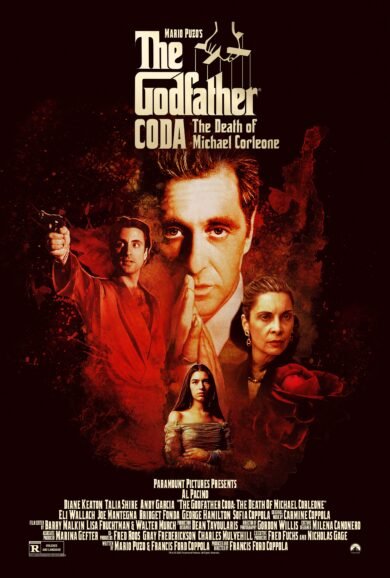
Which version should I watch — Part III or The Godfather Coda: The Death of Michael Corleone?
When considering the two versions of the final installment of the iconic Godfather trilogy, fans are often left pondering which version to spend their time with. The original 1990 cut, often referred to as The Godfather Part III, and Francis Ford Coppola’s re-edit, The Godfather Coda: The Death of Michael Corleone, both aim to conclude a narrative steeped in power struggles and personal downfall.
Key differences between the original cut and the Coda re-edit
The most significant difference lies in pacing and narrative clarity. The Godfather Coda offers smoother transitions and tighter edits, enhancing the emotional drives of the characters. In the re-edit, some scenes are rearranged, and redundancy is reduced, creating a more coherent storyline. Particularly, elements that detracted from the film’s gravitas, such as the convoluted subplot involving the Vatican Bank, have less prominence in the Coda.
Moreover, Coda provides a new opening scene that introduces Michael’s internal turmoil more vividly. The ending is also notably different; it offers a more poignant farewell, emphasizing Michael’s tragic fate while giving a greater sense of closure. The elegiac tone leaves viewers contemplating the inevitable consequences of a life steeped in crime.
Which cut I’d recommend and why
For first-time viewers, The Godfather Coda is the clear recommendation. Its refined structure makes it more accessible and impactful, aligning better with the thematic richness of the first two films. Longtime fans, however, might find value in the nostalgia of the original cut, which retains its unique place in cinema history despite its flaws.
Ultimately, if one seeks a version that feels more in tune with the legacy of the trilogy while eliminating some of the bloat of the original, The Godfather Coda is the best choice. It feels like Coppola’s final love letter to Michael Corleone, honing in on emotional stakes instead of distracting plots.
Is it worth watching or rewatching?
Determining if the film is worth your time depends entirely on your relationship with the franchise.
Who should rewatch it and what they’ll get
Fans of the original trilogy are likely to gain renewed appreciation from a rewatch. The Godfather Coda ties up lingering threads that remained unresolved for some viewers in the original cut, elevating the emotional stakes and character arcs. Those who have followed Michael Corleone’s journey will enjoy seeing how the themes of regret, vengeance, and redemption weave through the re-edit.
Moreover, fans of dramatic cinema that delves into the complexities of familial loyalty and moral degradation will find more to dissect in the re-edit. The pacing and tension build upon the themes established in previous films, making rewatching it a richer experience.
Who should skip it or watch the highlights
Conversely, casual viewers who may not have a deep-seated investment in the trilogy might find the experience underwhelming. Those who look for fast-paced action or contemporary cinematic conventions might want to skip it, as the film requires patience and commitment to its theme-driven narrative.
For those in this category, watching selected highlights from the film may provide enough context to appreciate its artistic intentions. Key scenes that explore Michael’s ruthless decisions and the heartbreaking consequences of his life choices can be informative without the need to sit through the entire film.
FAQs
Is The Godfather Part III worth watching?
Yes, particularly for those who appreciate character-driven narratives. While it may not reach the highs of the first two films, it provides a critical conclusion to Michael Corleone’s story.
What’s the difference between The Godfather Part III and The Godfather Coda?
The primary difference lies in the editing and structure. Coda offers a more focused narrative arc, refined characters, and a stronger emotional impact compared to the original film.
Why is The Godfather Part III sometimes called Coda?
The term “Coda” refers to it serving as a concluding passage or section in music, symbolizing its role as the final chapter in the Godfather saga. It emphasizes the finality of Michael Corleone’s journey.
Who’s in The Godfather Part III cast?
The film features Al Pacino, Diane Keaton, Andy Garcia, and Talia Shire among others. The ensemble brings depth, particularly Garcia as Vincent, Michael’s protégé, who provides a fresh dynamic to the narrative.
What do people say about The Godfather Part III on Reddit and Rotten Tomatoes?
Reactions have varied widely, with some praising the emotional depth of Michael’s character arc, while others remain critical of its plot pacing and somewhat less engaging narrative compared to its predecessors. Both platforms showcase discussions where fans compare the two versions, recognizing the complexity of Michael as a character.
Is there a Godfather 4?
As of now, no official plans for a fourth installment exist. Francis Ford Coppola has expressed skepticism about returning to the franchise, maintaining that Coda wraps up Michael’s story.
Should I watch Part III or Coda first?
If you are new to the series, it’s advisable to start with The Godfather Coda. This version encapsulates the essence of the original while offering a streamlined narrative that stays faithful to the saga’s thematic roots.
How long is The Godfather Part III?
The runtime for The Godfather Part III is approximately 162 minutes, while The Godfather Coda: The Death of Michael Corleone has a slightly shorter runtime at around 158 minutes. Each version provides substantial content for its respective narrative, though Coda may feel more concise.
In the sweeping tapestry of cinematic history, both versions of The Godfather’s final act hold significance. The choice ultimately boils down to a viewer’s own connection to the themes of power, loyalty, and downfall intricately woven through each character. As you prepare to revisit this classic cloth woven of shadows and ambition, remember that every viewing can bring new insights to Michael Corleone’s haunting legacy.