
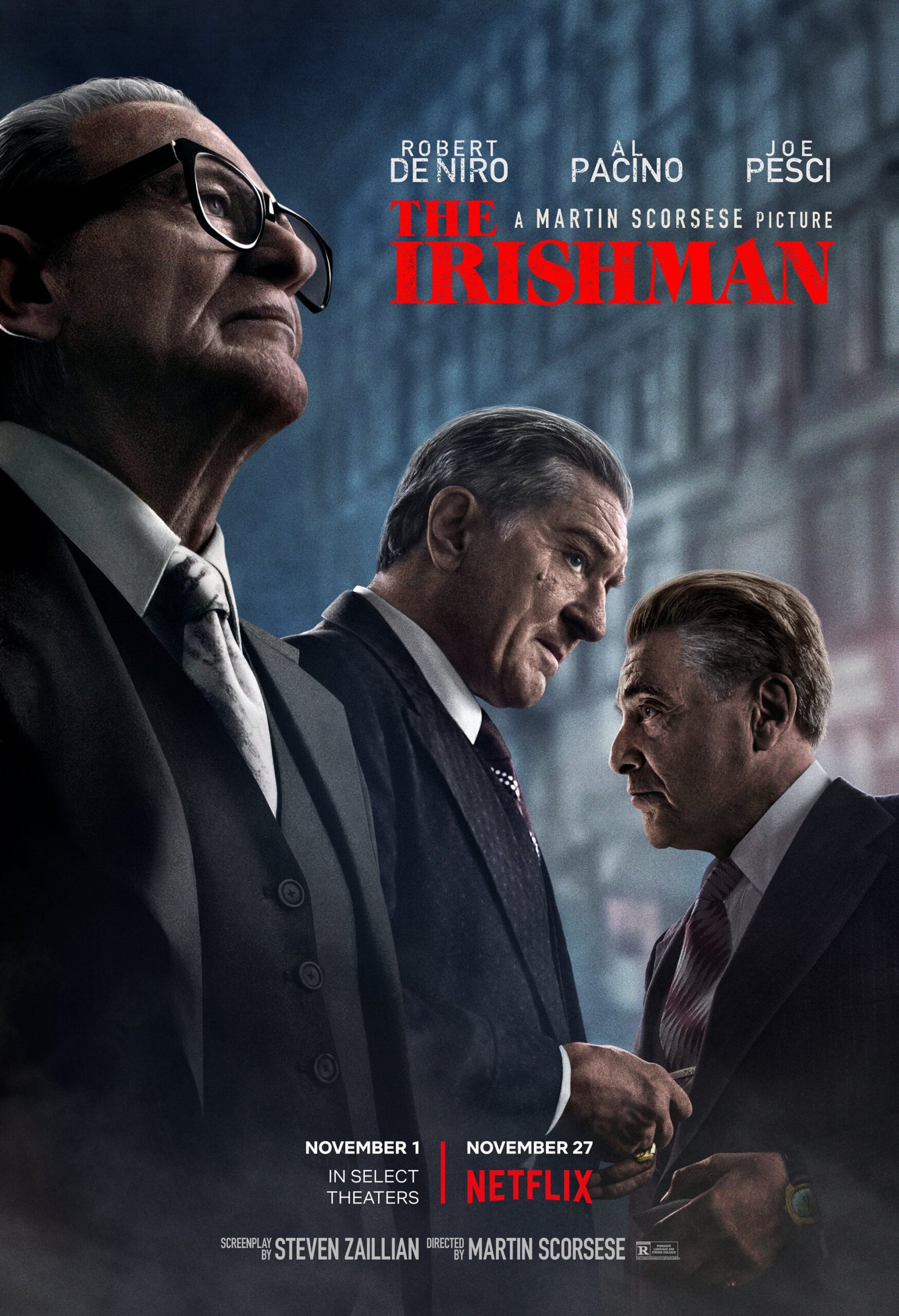
Information
tl;dr
Quick verdict in one line
“The Irishman” is a sprawling exploration of loyalty and regret that demands patience but rewards with depth.
Year, runtime, and whether to watch now
Released in 2019, the film runs approximately 209 minutes. It’s a significant watch for those interested in crime dramas and Scorsese’s filmography, but it’s best tackled when you have the time and mindset for its deliberate pacing.
Does the story and pacing work over a nearly three-hour runtime?
How the plot moves and where it slows down
Scorsese’s narrative unfolds like a tapestry, weaving together threads of personal history and the broader context of organized crime. However, the storytelling is far from conventional. The film takes its time, especially in the first half, where you sense a deliberate calibration of the narrative’s rhythm. The intimate moments between characters slowly fill out their complexities but can feel drawn out for viewers expecting the swift pacing typical of gangster films.
The second act becomes an intricate dance of betrayal and reflection. Just when you think momentum is shifting toward a climactic showdown, the story sidesteps those expectations, leaning into a meditative tone. The slower sequences, while immersive, sometimes risk losing the audience’s engagement—particularly noticeable in scenes that ruminate on aging and regret.
Which scenes feel essential and which feel padded
Scenes that delve into Frank Sheeran’s relationships, particularly with Jimmy Hoffa and his daughter, feel paramount. They anchor the film’s emotional core, illustrating how loyalty in this world comes at immense personal cost. Contrastingly, certain sequences, like those showing the mechanizations of the mob’s operations, can seem peripheral. They contribute to world-building but do little to advance character arcs, leaving a feeling of bloat during these stretches.
Are the performances believable and memorable?
The big three performances to know about
At the heart of “The Irishman” are three towering performances. Robert De Niro as Frank Sheeran infuses his character with an unsettling mix of charm and vulnerability. His portrayal of a man navigating the tumultuous waters of loyalty and morality feels earnest, although he sometimes struggles to convey the intense emotional turmoil that should resonate at the film’s core.
Al Pacino delivers a swaggering performance as Jimmy Hoffa, bringing a magnetic charisma that starkly contrasts with the film’s more somber tones. He embodies Hoffa’s larger-than-life personality and relentless ambition, effectively capturing the essence of a man too caught up in his own narrative to see the dangers lurking in his relationships.
Joe Pesci, in a career-defining turn as Russell Bufalino, encapsulates an understated menace. His performance is tightly controlled, effectively conveying the intricacies of power dynamics without the explosive bravado often associated with mob characters. The subtlety in Pesci’s portrayal serves as an anchor for the film, balancing the more bombastic performances of De Niro and Pacino.
Supporting cast and how characters are written
The supporting cast, including the likes of Stephen Graham and Anna Paquin, are adeptly utilized, albeit with a hint of underdevelopment. While Graham’s character, as Hoffa’s right-hand man, adds dimension, many supporting roles suffer from marginalization in the narrative. Characters like Frank’s daughter, played by Paquin, convey a poignant sense of estrangement but are only given limited screen time—creating an imbalance that underutilizes their emotional potential.
This reflects a broader issue in character writing, where the weight of heavy hitters like De Niro and Pacino often overshadows others, relegating them to background roles. “The Irishman” attempts to explore themes of familial fallout and the female perspective in a patriarchal world, but ultimately, it doesn’t fully commit to their development. Balancing these narratives could have rendered a richer tapestry, enhancing emotional stakes that feel somewhat muted at times.
How well does the director pull everything together?
Scorsese’s tone and storytelling choices
Martin Scorsese operates at the helm of “The Irishman” with a strategic vision that overcomes the inherent challenges of a sprawling narrative. His tone, often melancholic, encapsulates the film’s reflection on time, loyalty, and the grave consequences of choices made. Scorsese chooses a storytelling style that is not merely linear; instead, he employs flashbacks and present-day contemplation to guide the audience through Frank Sheeran’s life, reminding us that memory is as much an unreliable witness as a comforting companion.
What emerges is a rich tapestry of narratives that speak to the complexity of loyalty—both personal and professional. Yet, the pacing can frustrate; Scorsese deliberately lingers over scenes that require careful consideration. It’s as if he expects viewers not just to watch but to feel and contemplate the weight of each decision represented. While this can lead to a stronger connection with the characters, it occasionally sacrifices dramatic tension, leaving some moments feeling overstretched in the effort to communicate deep thematic resonance.
Visuals, editing, score, and the de-aging effects
Visually, “The Irishman” thrives under Rodrigo Prieto’s cinematography, which evokes a nostalgic yet stark portrayal of mid-20th century America. The muted color palette amplifies the film’s somber reflections, setting a tone that is both elegiac and grim. Scorsese’s collaborative spirit with editor Thelma Schoonmaker shines through in the seamless transitions between eras, drawing contrasts between the vibrant past and the quietude of an aging man’s reflection on his life.
The score, punctuated by the works of composer Robbie Robertson, emphasizes the film’s emotional depth without overwhelming the storytelling. It enriches scenes rather than overtaking them, enhancing the character arcs with subtle underscoring that underscores the weight of their decisions.
However, the much-discussed de-aging effects used on De Niro, Pacino, and Pesci add a layer of complexity to the viewing experience. While the technology showcases Scorsese’s ambition to explore these characters throughout their lives, it can sometimes falter, resulting in an uncanny feel that distances the audience from the emotional authenticity at play. There are moments where the attempts at visual realism clash with the poignancy of the narrative, calling attention to the effects rather than the characters themselves.
Is “The Irishman” worth watching or rewatching?
What first-time viewers should expect
First-time viewers should brace themselves for a lengthy, contemplative journey. “The Irishman” is not designed for casual viewing; instead, it invites audiences to immerse themselves fully in its rhythm and pacing. Expect a character study that prioritizes emotional nuance over sensational action, as the film delves deep into themes of guilt, aging, and the moral compromises inherent in a life entwined with crime. The narrative’s unfolding may feel leisurely, but it reveals layers of insight that resonate long after the credits roll.
Newcomers may also find themselves grappling with the film’s non-traditional storytelling, which does not conform to the explosive, plot-driven gangster tropes. The emotional stakes build gradually, rewarding those who remain patient. Viewers accustomed to swift narratives might initially feel challenged, but those willing to surrender to Scorsese’s vision will discover a meditative masterpiece layered with regret and reflection.
Rewatch value and who might come back for it
The rewatch value of “The Irishman” pivots on its nuanced layers and rich character explorations rather than merely plot intricacies. Viewers who appreciated the film’s thematic depth upon first viewing might return to uncover details they missed, especially the complex interplay of loyalty and morality. The emotional weight and the inconsistencies in character arcs speak to a narrative that invites deeper analysis. As viewers become familiar with its pacing, they may find fresh significance in subsequent viewings, particularly in the subtleties of performance and cinematic choices.
However, casual viewers might find the film’s length and contemplative nature daunting enough to deter a second watch. Those who thrive on fast-paced narratives may not find enough incentive to revisit the film. The complexity of its themes and the emotional currents may resonate with audiences well-versed in Scorsese’s oeuvre, while others might opt for lighter fare after the initial experience.
What are the biggest strengths and weaknesses?
Clear strengths that sell the film
The strengths of “The Irishman” lie in its refusal to shy away from the complexity of its characters. Scorsese has masterfully crafted a narrative that interrogates the notion of loyalty, making it not just a gangster film, but a poignant meditation on the weight of choices made over a lifetime. The performances are staggering, particularly Pesci’s nuanced portrayal of power dynamics, which grounds the film amidst grandiose themes. This emotional gravitas pairs well with the exceptional cinematography that captures the stark realities of a world where trust is a currency easily lost.
Furthermore, the film’s contemplation of aging and regret elevates “The Irishman” above mere genre fare, rendering it a reflective text on mortality and legacy. The exploration of relationships, particularly between Frank and his family, invites the audience to question the price of loyalty and the inherent isolation that often accompanies such bonds.
Major flaws that might turn viewers off
Despite its strengths, “The Irishman” could alienate segments of its audience due to its methodical pacing and substantial runtime. While some viewers may appreciate Scorsese’s reflective tone, others could interpret it as self-indulgent. The film’s deliberate pace might lead to fatigue, especially during sequences that feel overly drawn out—moments that could deter those accustomed to a more plot-driven approach. Additionally, the uneven application of de-aging technology risks pulling viewers out of the narrative, dragging focus away from the story and immersing them in the spectacle of the effects instead of its profound emotional truths.
Ultimately, the film’s ambition may clash with its execution, risking alienation for viewers who expect more conventional storytelling norms. For those who appreciate introspection over action, the film will resonate; for others, its meditative qualities could prove more of a hurdle than a gateway to its deeper themes.
Who is this movie really for?
The kind of viewer who will love it
“The Irishman” is crafted for viewers with a taste for deep character studies and a fondness for exploring the moral complexities of life. Those who appreciate films that unfold slowly and reward patience will find themselves captivated by Scorsese’s masterful storytelling. This isn’t just a gangster flick; it’s a meditation on legacy, loyalty, and the regret woven through the fabric of one’s choices. Audiences who enjoy delving into the gray areas of morality, particularly in the context of organized crime, will revel in the emotional intricacies presented.
Furthermore, fans of Scorsese’s previous works—such as “Goodfellas” and “Casino”—will likely find a deeper appreciation for the thematic echoes and character explorations that resonate throughout. This film desires engagement, asking audiences to reflect and ponder long after the credits roll, making it a fulfilling experience for contemplative viewers.
Who should probably skip it
Conversely, those looking for a fast-paced action thrill ride or traditional gangster film might want to steer clear. Viewers who prefer tightly wound narratives with immediate peaks of tension and excitement will find “The Irishman” a challenging watch. Its lengthy runtime and deliberate pacing might test the patience of casual audiences, especially those accustomed to lighter fare. Furthermore, those unfamiliar or uninterested in the historical context surrounding the film may struggle to engage with the deeper layers of character development and thematic resonance, ultimately feeling disconnected from the narrative’s core.
If action and spectacle are your priority in cinema, this film’s introspective nature and slow-burn storytelling are likely to disappoint.
How much real history do you need to know?
Does background knowledge help or is it self-contained?
While “The Irishman” is largely self-contained in its narrative arc, a grounding in the history of organized crime and the 20th-century American labor movement will enhance the viewing experience. Those familiar with figures like Jimmy Hoffa and the machinations of the Teamsters will uncover additional layers of intrigue and nuance, making it easier to appreciate the film’s thematic concerns surrounding loyalty, betrayal, and the passage of time. However, the film does not require comprehensive historical knowledge to be resonant; it effectively conveys its themes through character-driven storytelling.
For viewers approaching the film without much context, there’s enough storytelling to inspire interest in these historical elements. Scorsese skillfully intertwines fiction and reality, allowing audiences to grasp the overarching narrative even if they lack prior insights into the specifics.
How the film treats real events and real people
Scorsese’s treatment of historical events is both reverent and interpretative. “The Irishman” serves as a lens through which the mythologies surrounding figures like Frank Sheeran and Jimmy Hoffa are scrutinized. While it draws heavily from actual history, it also embraces creative liberties, making its portrayal of events more reflective than factual. This approach invites discussions about the blurred lines between heroism and villainy, loyalty and betrayal, as characters navigate a treacherous moral landscape.
The film’s contemplative tone allows for a meditation on the implications of aging and the choices that define a life intertwined with crime. Scorsese doesn’t shy away from presenting the grim realities faced by these characters, naturalizing their flaws and exposing the vulnerabilities beneath their tough exteriors. This treatment offers a complex portrayal of historical figures that challenges simplified narratives, urging audiences to reflect on the deeper consequences of their actions.
FAQs
How long is The Irishman and should I be prepared for the length?
Clocking in at approximately 209 minutes, “The Irishman” demands a significant time commitment. This is not a film to be consumed casually or in fragmented viewings; it requires dedication and emotional investment. Viewers should prepare not just for the runtime, but also for its deliberate pacing that encourages reflection rather than instant gratification. Those who can immerse themselves in its contemplative journey will find it rewarding, while others may feel the strain of its length.
Does the de-aging technology look distracting or effective?
The de-aging technology used in “The Irishman” has drawn mixed reactions. Scorsese employs this digital innovation to allow De Niro, Pacino, and Pesci to portray their characters across several decades, giving the narrative an expansive temporal feel. While some may find the effects effective in establishing the characters’ evolution, others might feel that the technology creates an unsettling distance from the performances.
It occasionally veers into the uncanny, drawing attention away from the emotional truths of the story and into the spectacle of the effects. This tension between technological ambition and narrative authenticity can sometimes detract from the immersive quality of the film, testing the viewer’s ability to suspend disbelief. Ultimately, how one perceives the de-aging effects will likely hinge on their own tolerance for technological advancements in film, as well as their engagement with the characters on an emotional level.