
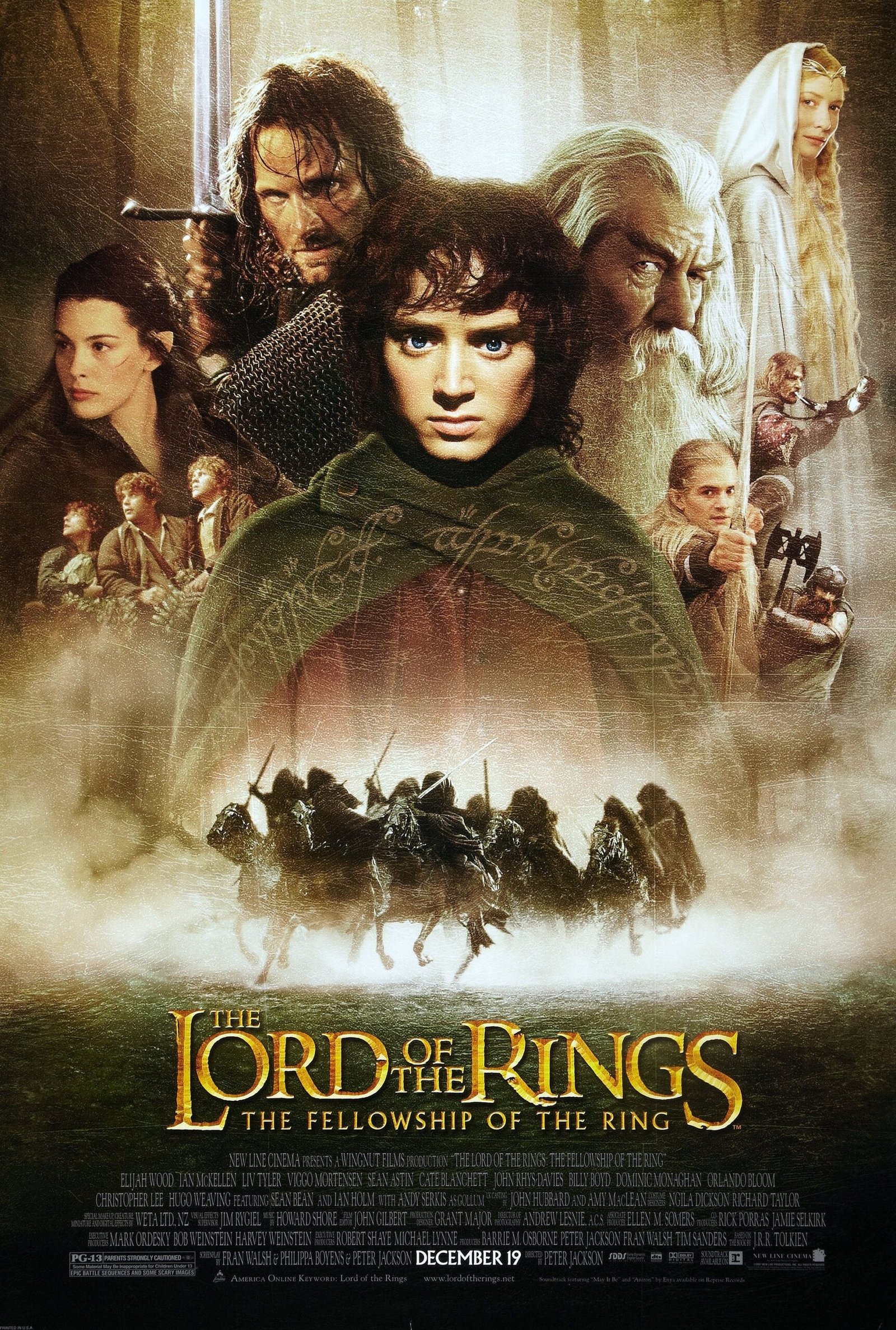
Information
TL;DR
Quick verdict: worth rewatching and why
“The Lord of the Rings: The Fellowship of the Ring” remains a monumental work that resonates with audiences even more than two decades after its release. Its ambitious narrative, combined with stunning visuals and a masterful score by Howard Shore, establishes a cinematic experience that is both timeless and universally appealing. The film not only introduces the expansive world of Middle-earth but also lays the emotional groundwork for a journey filled with hardship, camaraderie, and the enduring struggle between good and evil. It’s not just worth rewatching; it’s essential for anyone wishing to understand the evolution of modern fantasy in cinema.
One-line summary for first-time viewers
In a quest to save Middle-earth, a young hobbit named Frodo Baggins embarks on a perilous journey alongside a diverse fellowship, each fighting their own battles in hopes of destroying the One Ring.
Big-picture vibe — Does it still feel epic and human?
Tone and scale in a sentence
Even today, “The Lord of the Rings: The Fellowship of the Ring” retains its grandeur, seamlessly blending epic fantasy elements with moments of genuine human connection that make the stakes feel personal and real.
Emotional center you’ll connect with
At its heart, the film explores themes of friendship, sacrifice, and the burden of destiny, led by Frodo’s struggle with an unimaginable weight: the One Ring. As he journeys from the peaceful Shire to the treacherous lands of Mordor, audiences feel the weight of his responsibility and the fears and hopes of his companions, which humanizes the monumental stakes of their quest.
What is The Lord of the Rings: The Fellowship of the Ring about (no spoilers)
The core set-up in one short paragraph
“The Fellowship of the Ring” launches a quest when Frodo inherits the One Ring, a powerful artifact sought after by the dark lord Sauron. He must take the ring to Mount Doom, the only place it can be destroyed, to save Middle-earth from impending doom. However, he’s not alone; a fellowship of friends, warriors, and wise beings join him in this perilous adventure, each contributing unique strengths and vulnerabilities that build the narrative’s rich emotional landscape.
The main stakes and tone to expect
Expect a tonal balance of high adventure and intimate character moments. The stakes couldn’t be higher; the very fate of Middle-earth hangs in the balance as Sauron’s influence begins to spread. This creates a palpable tension throughout the film, as layers of fear and hope are interwoven into each character’s journey, compelling audiences to invest emotionally in both their triumphs and tribulations.
The kinds of characters you’ll meet
Viewers will encounter a diverse tapestry of characters that includes the naïve yet courageous hobbit Frodo, the wise but troubled wizard Gandalf, the noble warrior Aragorn, and the conflicted elf Legolas. Their interrelationships are complex; rivalries and bonds are tested through their shared quest, highlighting both their humanity and individual motivations. Add in memorable antagonists and shadowy figures lurking in the background, and you have a cast that makes the stakes feel vividly alive.
What Works (The Good Stuff)
Worldbuilding that feels lived-in
Peter Jackson’s adaptation of J.R.R. Tolkien’s epic has been lauded for its profoundly immersive worldbuilding, a feat that remains striking in The Lord of the Rings: The Fellowship of the Ring. The landscapes of New Zealand serve as a stunning backdrop, with verdant hills and jagged mountains that create a lush and textured Middle-earth. The locations are not merely set pieces; they pulse with history and culture. From the Hobbiton of the Shire to the ominous shadows of Moria, each area feels rich in lore. The attention to detail in the architecture, clothing, and even the flora and fauna adds depth to a world that feels both fantastical and substantial. This dedication allows viewers to fully invest in the journey of the Fellowship, enhancing their emotional connection to the characters and the stakes at hand.
Pacing beats that keep the journey engaging
While some long films meander, The Fellowship of the Ring expertly maneuvers through its lengthy runtime with a series of well-placed pacing beats. The alternating rhythms of action and introspection ensure that the audience remains engaged rather than bogged down by exposition. The film oscillates between tension-filled encounters with foes and quieter moments of character development. This deliberate pacing not only illustrates the urgency of the task at hand but also enriches our understanding of the characters’ motivations. The fleeting joys of camaraderie among the Fellowship’s members stand in stark contrast to the looming darkness, creating a dynamic viewing experience.
Visuals and practical effects that still impress
Even many years after its release, The Fellowship of the Ring showcases practical effects that remain impactful. Jackson’s integration of miniatures, makeup, and real sets rather than solely relying on CGI creates a tactile authenticity. Gollum’s haunting visage and the towering Balrog are not merely the results of advanced graphics; they are manifestations of meticulous craftsmanship. Audiences today can recognize the difference between practical effects and digital renders, and the former often bears a weight that those created in post-production simply cannot replicate. This approach grounds the fantastical elements, making the highs and lows of the narrative resonate far more strongly with viewers.
Howard Shore’s score and why it matters
Howard Shore’s score is another critical component contributing to the film’s success. The music transcends mere background; it accentuates emotions, amplifies tension, and crystallizes the thematic resonance of key moments. From the sweeping strings accompanying the Fellowship’s initial formation to the haunting theme associated with the Ring, Shore crafts an auditory experience that lingers long after the credits roll. The score serves as an emotional anchor, unifying the film’s various narrative threads while enhancing the visual storytelling. It weaves a tapestry that draws viewers deeper into Tolkien’s world, making every pivotal moment unforgettable.
Performances that make a difference
Standout turns — who anchors the film
Elijah Wood’s portrayal of Frodo Baggins is a delicate balancing act between innocence and determination. Wood captures the essence of Frodo’s character—a reluctant hero burdened by a monumental task. His vulnerabilities humanize the character while his moments of bravery resonate with audiences. Ian McKellen’s Gandalf is another standout, embodying wisdom and gravitas while occasionally displaying a delightful warmth. These performances create a compelling emotional foundation for the film, allowing viewers to invest in their journey. The chemistry between the lead actors enhances the authenticity, reinforcing the bond that becomes essential as they face an impending darkness.
Supporting cast chemistry and memorable moments
The ensemble cast consists of remarkable talents—Sean Astin, Viggo Mortensen, and Orlando Bloom each create memorable performances that contribute to a more profound impact of the narrative. Sean Astin’s Samwise Gamgee serves as Frodo’s steadfast companion, embodying loyalty and courage in the face of daunting odds. The relationships among the Fellowship members, infused with genuine camaraderie, range from levity to gravitas, creating a tapestry of interaction that enriches the storyline. The subtle humor exchanged between the dwarves and elves provides essential relief, breaking the tension in moments where the stakes are high. Each member plays off the others, making every interaction a highlight worth savoring.
Story, pacing, and where it slows down
How the first half sets things up
The first act of The Fellowship of the Ring is dedicated to worldbuilding and character introductions, establishing the stakes and laying the groundwork for the epic journey. This methodical pacing may seem cumbersome at first, but the investment pays dividends as viewers become intimately acquainted with the characters’ lives and struggles. The trials faced by Frodo and his companions gain significance through the slow burn of narrative, setting us up for the challenges they will encounter as the adventure unfolds. Each backstory serves to enrich the eventual stakes involved in the quest to destroy the Ring.
Slower stretches and who they might frustrate
However, the film’s slower sections will undoubtedly test the patience of some viewers. The film’s deliberate pacing, particularly in the early sequences leading up to the Fellowship’s formation, can feel languid for those hoping for non-stop action. Moments dedicated to dialogue, exploration of themes, and character bonding—while integral to the larger story—may lead to frustration among those who prefer a brisker pace. The intricacies of lore and character motivations demand engagement, which may not align with every viewer’s expectations.
Why the payoff usually justifies the length
Despite these slower stretches, the payoff often justifies the film’s runtime. The emotional resonance achieved through character development makes the climactic moments all the more impactful. Viewers are granted a front-row seat to the camaraderie forged in adversity, and the narrative stakes are built carefully so that when tension peaks, the audience is deeply invested in the outcomes. Each challenge faced by the Fellowship is weighted with significance because of the groundwork laid in those earlier scenes. The film’s depth rewards the attentive viewer, making the ultimate conflicts all the more satisfying.
The Lord of the Rings: The Fellowship of the Ring stands as a cinematic landmark that captures the imaginations of fans old and new. With its intricate world, dynamic performances, and emotionally resonant narrative, it carefully constructs a foundation upon which an entire saga will unfold.
Visuals, effects, and music — how they hold up today
Peter Jackson’s adaptation of J.R.R. Tolkien’s epic, “The Lord of the Rings: The Fellowship of the Ring,” continues to resonate powerfully, nearly two decades after its release in 2001. This film marks a significant moment in cinematic history, pioneering visual storytelling that remains impactful.
Practical effects vs early CGI
One of the film’s most enduring legacies is its masterful blend of practical effects and early CGI. While many films from the early 2000s relied heavily on computer-generated imagery, “The Fellowship of the Ring” found balance. Creatures like Gollum were realized through groundbreaking animation techniques blended with stage performance, adding layers of texture and emotion to his character. Real-world sets, miniature models, and props lent a tangibility that anchored the story in a sense of reality that enhances immersive experiences.
Consider the way the Balrog borders on myth while remaining a physical presence, emerging from the shadows of Moria with fiery menace. This craftsmanship still dazzles, revealing the filmmakers’ commitment to texture and authenticity.
Cinematography and New Zealand as a character
The cinematography is another standout element, skillfully executed by Andrew Lesnie. Every frame is a canvas, capturing the breathtaking vistas of New Zealand, which could almost be regarded as a character in itself. The sweeping landscapes, from the majestic peaks of the Misty Mountains to the lush greenery of the Shire, encapsulate the grandeur of Middle-earth.
Cinematographer Lesnie used innovative techniques to bring these natural wonders to life, employing depth of field and wide-angle shots to create a sense of scale that enriches the narrative’s stakes. The composition of shots not only tells the story but evokes every emotion; viewers often feel the weight of the Fellowship’s quest simply by observing the terrain they traverse.
Score and sound design highlights
Howard Shore’s score remains iconic, boldly marrying themes and motifs to specific characters and moments. The ethereal “Concerning Hobbits,” with its flutes and strings, transports audiences to the serene Shire, evoking a sense of peace. In contrast, the ominous “The Bridge of Khazad-dûm” delivers a palpable tension as it foreshadows danger. Shore’s ability to weave emotion through melody underscores pivotal moments, making them all the more powerful.
The sound design complements the visual experience, from the clang of swords to whispers carried by the wind, enveloping the audience in the world of Middle-earth. Each element, from the smallest rustle in the trees to the grand orchestral swell, is crafted to transport viewers further into the narrative, grounding them in a place that feels simultaneously real and fantastical.
Standout moments (no spoilers)
Great films often shine due to a few unforgettable sequences, and “The Fellowship of the Ring” is no exception.
A few scenes to look forward to
Certain scenes resonate profoundly, transforming the mundane passage of time into breathtaking cinema. The Council of Elrond stands out, woven through rich dialogue and character dynamics that set the stage for the epic journey ahead. Similarly, the film’s depiction of the Shire introduces the audience to Hobbits’ simple yet deeply meaningful lives, while the iconic battle sequences weaved throughout the narrative punctuate quieter moments with energy and adrenaline.
Why these moments land emotionally or visually
What makes these scenes land is the careful construction of character arcs and relationships, paired with rich world-building. The Council scene is not merely an exchange of words; it showcases differing philosophies, igniting conflicts while also uniting disparate forces. In the Shire, viewers connect empathically with Frodo, Sam, and their companions, grounding the grand adventure in relatable emotions of camaraderie and home. The balance between kinship and the looming threat of darkness creates a tension that keeps audiences engaged, drawing them deeper into the lore and stakes of the narrative.
Is The Lord of the Rings: The Fellowship of the Ring worth watching or rewatching?
As the series remains a cornerstone of modern fantasy cinema, determining the worth of The Fellowship of the Ring for new viewers and veterans is essential.
First-timer verdict: jump in if you like big adventures
For those who haven’t yet experienced this monumental film, jumping in is an absolute must, particularly if you enjoy grand adventures with rich lore. Newcomers will find themselves enveloped in a world that’s simultaneously relatable and extraordinary. The intertwining narratives and vibrant characters pave the way for an immersive journey that stimulates both the heart and the imagination.
Rewatch value: what rewards repeat viewings
For fans revisiting this film, the rewards are plentiful. Each viewing reveals subtleties previously unnoticed—nuances in sound design, intricate set details, and character interactions that deepen with knowledge of the overarching narrative. It’s a film that reveals more with each engagement, enhancing connections to its characters and themes, sparking fresh insights with every rewatch.
How it sits inside The Lord of the Rings series
Positioned as the beginning of an epic saga, “The Fellowship of the Ring” establishes the emotional and thematic groundwork that supports “The Two Towers” and “The Return of the King.” Its pivotal moments echo throughout the trilogy, offering foreshadowing and satisfaction upon revisiting later installments. This film plays a crucial role in setting the tone and stakes for the entire series, making it indispensable for understanding the richness of Tolkien’s world.
Taking all these elements into account, The Lord of the Rings: The Fellowship of the Ring remains a radiant beacon of cinematic achievement, skillfully intertwining visual artistry, emotional depth, and narrative complexity. It’s a film that not only holds its own amidst contemporary cinema but continues to influence and inspire filmmakers and audiences alike.
The journey through Middle-earth begins here—don’t miss the chance to experience the magic.
Who should watch this movie?
Ideal audience and mood to watch in
“The Lord of the Rings: The Fellowship of the Ring” is a cinematic journey that appeals to a diverse audience. Fantasy enthusiasts, adventure lovers, and fans of epic storytelling will find themselves captivated by Tolkien’s rich universe brought to life by Peter Jackson. This film invites you to nestle into your couch on a stormy night or gather with friends for an immersive movie marathon. The perfect mood is one of curiosity and imagination, where magic is real, and the battle between good and evil feels palpable. Whether you’re a long-time devotee of Middle-earth’s lore or new to the saga, this film can spark wonder and reflection, leading you on a quest for friendship, valor, and sacrifice.
Who might want to skip or wait
Conversely, if you’re someone who shies away from long runtimes or complex narratives, “The Fellowship of the Ring” might not be for you. Fans of action-heavy blockbusters without depth may find the slower pacing through character development and rich world-building challenging. Parents might also want to consider whether their children are ready for the film’s darker themes and mature content. Additionally, those unprepared for the emotional weight and intricate lore of Tolkien’s works might want to reconsider diving in immediately, especially if they’re looking for light-hearted entertainment instead.
What to watch next
After the profound experience of “The Fellowship of the Ring,” there are several enticing directions to take your viewing journey. The obvious next step is “The Lord of the Rings: The Two Towers,” which continues the epic narrative seamlessly, ramping up stakes and deepening character arcs. Fans may also appreciate exploring related works, such as “The Hobbit” series, which, while tonally lighter and geared towards a younger audience, allows you to dive back into Middle-earth. For those interested in expanding their horizons, consider watching related fantasy epics—movies like “The Chronicles of Narnia” or “Pan’s Labyrinth”—that offer their own unique blend of adventure and thematic weight.
FAQs
Where can I watch The Fellowship of the Ring?
You can watch “The Fellowship of the Ring” on various streaming platforms, including Amazon Prime Video, HBO Max, or for rental on services like iTunes and Google Play Movies. It’s also available for purchase in both physical and digital formats, making it convenient for collectors and casual viewers alike.
What is the age rating for The Fellowship of the Ring?
“The Fellowship of the Ring” is rated PG-13 for epic battle sequences and intense imagery. This rating suggests that parents should provide guidance for younger viewers, especially those who may be sensitive to scary scenes.
Who directed The Fellowship of the Ring?
Peter Jackson, the visionary filmmaker known for his ambitious approach to adapting Tolkien’s work, directed “The Fellowship of the Ring.” His work set a new standard for fantasy filmmaking, blending practical effects with groundbreaking CGI to create a visually stunning experience.
Is there a sequel or the rest of The Lord of the Rings series?
Yes, “The Fellowship of the Ring” is the first installment in “The Lord of the Rings” trilogy. It is followed by “The Two Towers” and “The Return of the King,” both of which continue the gripping saga and beautifully compliment the narrative established in the first film.
How long is The Fellowship of the Ring?
The theatrical cut of “The Fellowship of the Ring” runs for approximately 178 minutes. The extended edition stretches that time to about 228 minutes, offering fans even more depth and detail, making it a feast for dedicated viewers.
Is The Fellowship of the Ring connected to the newer Lord of the Rings TV shows?
Absolutely. The new “Lord of the Rings” series, titled “The Rings of Power,” delves into the lore of Middle-earth’s Second Age, laying the groundwork for events leading up to the “The Lord of the Rings” films. This connection enriches the universe, providing context and backstory to events and characters seen in “The Fellowship of the Ring.” Fans can appreciate a deeper understanding of the intricate world that Tolkien created, bridging the gap between mediums.