
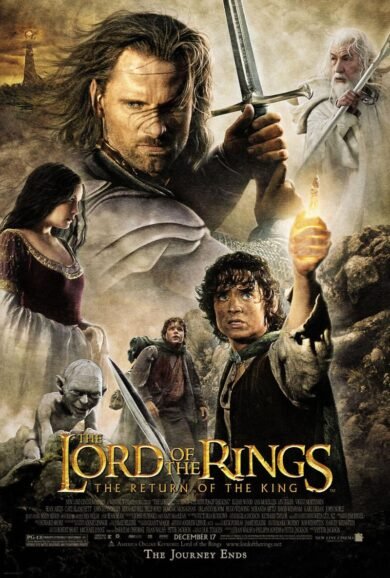
Information
TL;DR
One-line verdict
The Lord of the Rings: The Return of the King delivers a grand and emotional conclusion that masterfully ties together the sprawling narrative threads of Middle-earth while providing an exhilarating cinematic experience.
Quick recommendation — watch, rewatch, or skip
This film is an absolute watch for both long-time fans and newcomers alike. Its epic scope, immersive world-building, and complex character arcs make it a masterpiece worthy of multiple viewings.
What’s the vibe: big, brave, or somber?
Overall tone and emotional scale
From the very first frame, The Lord of the Rings: The Return of the King strikes a balance between monumental stakes and poignant emotional depth. The underlying theme of sacrifice looms large, serving as a filter through which every scene is imbued with meaning. The cinematography elevates this emotional scale, with sweeping shots of battlefields juxtaposed against intimate moments of character reflection. It isn’t merely an adventure film; it’s a meditation on endearment, loyalty, and the costs of victory.
How it feels compared with the earlier films
If the first two entries emphasized the journey and camaraderie among Hobbits and elves, The Return of the King ramps up these themes into a climactic orchestration that feels both like a culmination and a heartfelt goodbye. The film maintains a darker tone compared to The Fellowship of the Ring and The Two Towers, creating a sense of urgency that drives the narrative forward. With moments of levity still peppered throughout, it’s a film that encapsulates the highs and lows experienced over the course of the trilogy, reflecting how far characters have come and what risks lie ahead.
How does The Lord of the Rings: The Return of the King handle the finale?
Does it tie up the trilogy without retelling the story?
One of the many triumphs of The Return of the King is its ability to tie up loose ends deftly. While it revisits key themes and earlier dramatic highs, the film steers clear of unnecessary retelling. Instead, it layers initial arcs with deeper emotion and added stakes, making the familiar feel fresh. By revisiting moments with poignancy and purpose, it offers viewers a sense of closure while respecting the craftsmanship of the preceding films.
Are the endings satisfying for different characters?
The conclusion of The Return of the King elegantly interweaves the fates of various characters, providing a range of satisfactory resolutions that honor their journeys. Frodo’s quest resonates deeply, portraying the heavy price of heroism alongside quieter moments of acceptance. Characters like Sam and Aragorn receive endings that deliver joy and hope, encapsulating what it means to emerge from darkness into light. However, not all fates are met with applause, which adds a layer of complexity to the narrative, ensuring that every character’s ending aligns with their development and the themes established throughout the trilogy.
Each conclusion reverberates with emotional weight, creating a tapestry that feels cohesive and earned while allowing audiences to both mourn and celebrate the myriad paths taken through Middle-earth.
Does the story and pacing hold up?
In “The Lord of the Rings: The Return of the King,” the intricate storytelling is both a triumph and a challenge. The pacing, critical in conveying the gravity of the narrative, fluctuates as it weaves through the countless threads of heroism, sacrifice, and impending doom that define Middle-earth’s cinematic farewell.
How the film balances multiple threads
Peter Jackson’s adaptation brings to life J.R.R. Tolkien’s sprawling epic with a deft hand, balancing subplots and character arcs that must converge by the film’s conclusion. The film’s structural complexity respects its source material while making adjustments that help streamline the storytelling. Despite a runtime that can overwhelm, each scene is loaded with purpose – whether it’s Frodo’s arduous journey to Mount Doom or Aragorn’s struggle for kingship, the threads tie back together in a manner that feels synchronized rather than chaotic.
Through masterful editing, an ongoing rhythm persists. Character development isn’t sacrificed for the sake of action sequences; emotional beats resonate across the film’s vast landscape. Each subplot serves to amplify the stakes, and the clever interplay of various characters keeps viewers engaged, deftly pulling their emotional strings at every significant turn.
Where it slows down — and where it soars
However, there are moments where the pacing takes a dip, especially during quieter, character-driven scenes that delve into introspection and loss. These slower segments, albeit impactful, may test the patience of some viewers accustomed to the relentless momentum of modern blockbusters. Yet, it’s here that the film really shines. The emotional depth contained in these quieter moments culminates at pivotal junctures, allowing the audience to breathe amidst the chaos.
Conversely, the soaring sequences—particularly during the Battle of the Pelennor Fields—capture the essence of epic cinema. The blending of practical effects, sweeping shots of the battlegrounds, and heart-pounding musical cues create a euphoric sense of urgency. This balance between slow, reflective sequences and grand, action-packed moments manifests the film’s thematic resonance, driving home the concepts of sacrifice and perseverance.
Are the performances convincing?
In “The Return of the King,” the ensemble cast delivers performances that elevate the film beyond mere spectacle, providing a connection that feels both intimate and monumental. Their ability to convey the weight of their characters’ stories is integral to the film’s success.
Who delivers the emotional punches
Elijah Wood’s portrayal of Frodo Baggins encapsulates the burden of carrying the ring, an emotional weight that manifests physically and psychologically throughout the film. His nuanced performance allows viewers to feel Frodo’s despair and hope in equal measure. Likewise, Ian McKellen’s Gandalf is a balm of wisdom and strength, guiding the others through their darkest hours. His dynamic with the other characters, particularly Aragorn and Eowyn, creates a palpable sense of camaraderie and shared purpose.
Viggo Mortensen’s Aragorn is emblematic of the reluctant hero, and his transformation into king is nothing short of riveting. The subtle shifts in his demeanor convey a blend of doubt and burgeoning confidence, making his journey one of the film’s most compelling arcs. These performances anchor the unfolding drama in genuine emotion, allowing the audience to invest deeply in the outcome of Middle-earth.
Supporting cast highlights and chemistry
The supporting cast shines just as brightly, with notable performances from Hugo Weaving as Elrond and Miranda Otto as Eowyn. Their chemistry enriches the storyline, enhancing emotional stakes during crucial moments like Eowyn’s battlefield confrontation and Elrond’s advocacy for Aragorn. Andy Serkis’s Gollum remains a standout, blending digital performance with raw humanity. His tragic duality becomes a focal point, making audiences empathize with a character who epitomizes both despair and ambition.
This ensemble’s chemistry is palpable, creating an electrifying tension throughout the film that heightens the stakes. Whether it’s in moments of conflict or unity, the performances collectively build a tapestry of loyalty, betrayal, and nobility that resonates powerfully with the audience.
What actually works — the good stuff
“The Lord of the Rings: The Return of the King” culminates in a cascade of triumphs that push the boundaries of cinematic storytelling. It embraces both character depth and technical innovation, delivering an experience that is both heart-stirring and visually breathtaking.
Characters, moments, and scenes that land
Among its countless victorious moments is the emotional high-point of Arwen’s vision for her future with Aragorn. This scene captures the essence of sacrifice so beautifully, intertwining love with duty in a way that feels quintessentially elvish. Additionally, Eowyn’s fierce battle cry as she stands against the Witch-King cements her as a poignant symbol of strength and defiance, adding layers to her character and elevating the narrative stakes remarkably.
The film’s use of dramatic moments, such as Frodo’s moment of near-surrender at Mount Doom, force audiences to confront the weight of his journey. These scenes do not simply serve as plot devices; they embody the film’s core themes, driving home the idea that true heroism often lies in vulnerability and choice.
Direction, cinematography, and why they matter here
Peter Jackson’s direction deserves its own applause. His ability to create an epic scope while maintaining intimate character moments is a hallmark of his filmmaking style. Coupled with the breathtaking cinematography by Andrew Lesnie, the film offers sweeping landscapes that transport viewers to Middle-earth’s most remote corners. The visual interplay—between light and shadow, hope and despair—mirrors the film’s thematic heart, breathing life into Tolkien’s world in a way that feels fresh and awe-inspiring.
The groundbreaking use of special effects and practical elements blend seamlessly, creating a world that feels real and impactful. Whether it’s the grandeur of Minas Tirith or the desolation of Mordor, each frame captures the essence of Tolkien’s rich imagination. This dedication to both technical prowess and emotional resonance ensures that “The Return of the King” stands as a monumental work, one that pushes the envelope of what epic cinema can achieve.
Through its intricate storytelling, powerful performances, and innovative direction, “The Lord of the Rings: The Return of the King” showcases the artistry of film in a manner that reverberates with audiences long after the credits roll.
The much-anticipated teaser trailer for “The Lord of the Rings: The Return of the King” dropped last week, reigniting excitement for a franchise that has shaped epic storytelling for over two decades. Published by New Line Cinema, the teaser offers not just a glimpse into the sprawling landscapes and dramatic story arcs we’ve come to love, but it plays heavily on nostalgia while hinting at new dimensions waiting to unfold. You can watch the official trailer here.
The visual tone is drenched in that familiar grandeur—majestic mountains, foreboding shadows, and sweeping vistas. It paints a picture of a world on the brink, teetering between hope and despair. Cinematography brimming with rich colors contrasts light and darkness, making it almost a character in its own right. Symbolism seeps through each frame, suggesting the duality of fate that intertwines every character’s journey.
In terms of character and antagonist analysis, we see many familiar faces returning, such as Aragorn, Frodo, and Gandalf. Yet, there are whispers of new foes lurking in the background. The trailer hints at conflicts not just among individuals but also within themselves, as the true battleground of characters seems to be their inner turmoil. The stakes have never felt higher, suggesting this final push is as much about the heart as it is about the sword.
Exploring the thematic depth of this installment, “The Return of the King” appears darker than its predecessors. While previous films offered a mix of hope amidst overwhelming odds, this teaser leans heavily into existential dread, showcasing a world where the shadows loom larger, and trust is as fragile as the life of its heroes. The dialogues hint at sacrifice and betrayal, echoing motifs of inevitability seen in classics like “The Dark Knight”—another franchise that shaped the modern epic landscape.
Fan theories & speculation
While the teaser delivers breathtaking visuals, it also invites speculation. One popular theory floating around is the potential for new alliances—could a character presumed dead or lost in the earlier films return to play a crucial role? The trailer hints at a reunion that stirs both emotions and fears, leading fans to question motivations and the true nature of loyalty.
Another intriguing theory revolves around the presence of hidden villains. The complex game of shadows and light suggests that not all is as it seems. Are we looking at a familiar face revealing darker ambitions? Or perhaps a seemingly minor character stepping into the spotlight with an essential, albeit sinister, agenda?
Franchise / genre implications
Set for release in late 2023, “The Return of the King” promises to merge traditional epic fantasy with contemporary storytelling. The film’s return marks a crucial point in adapting literature for the screen, presenting an opportunity for filmmakers to address past controversies and viewer feedback. This establishes a larger conversation about the franchise’s relevance in today’s cinematic landscape, especially amid a marketplace crowded with adaptations and reboots.
Release date & expectations
The confirmed release date is December 20, 2023, and anticipation is palpable. Fans who grew up with the original trilogy are poised to return, bringing their nostalgia alongside new viewers eager to experience J.R.R. Tolkien’s world for the first time. This mixture of veterans and newcomers adds fascinating dynamics to the buzz surrounding the release, with many questioning how well the new film will stand against its iconic predecessors.
Strong final verdict
As for whether “The Lord of the Rings: The Return of the King” will succeed or falter, much hinges on its ability to resonate emotionally while subverting expectations. If the teaser is any indication, it could redefine the franchise yet again or risk dangling too far from the tales that have become etched in film history. The potential for greatness looms; only time will tell if it fulfills that promise.
Ultimately, the return to Middle-earth isn’t just a revisit of old narratives but a chance to explore uncharted territories. Whether you’re a die-hard fan or a curious newcomer, this installment may just prove that some stories never truly end—they wait eagerly to be told anew.
Who should watch The Lord of the Rings: The Return of the King?
The kinds of viewers who’ll love it
“The Lord of the Rings: The Return of the King” is an epic conclusion that resonates deeply with fans of grand storytelling, both visual and emotional. Viewers who cherish character-driven narratives intertwining with breathtaking cinematography will find themselves fully immersed in this runtime experience. Those who have followed Frodo, Sam, Aragorn, and the rest of the Fellowship since “The Fellowship of the Ring” will appreciate the culmination of their character arcs, as the film magnificently intertwines themes of friendship, sacrifice, and the age-old struggle between good and evil.
Moreover, die-hard fans will revel in the film’s fidelity to J.R.R. Tolkien’s source material while embracing the cinematic interpretation brought to life by Peter Jackson’s vision. If you’re someone who enjoys stories steeped in complex lore and interconnected narratives, or if you admire stunning visual effects paired with a sweeping orchestral score, this film is tailor-made for you.
Who might find it too long, heavy, or slow
However, “The Lord of the Rings: The Return of the King” isn’t for everyone. Casual viewers or those unacquainted with the extensive lore of Middle-earth might feel the film’s lengthy runtime to be challenging. The film operates on a grand scale, with intricate subplots and character developments that could overwhelm someone looking for a quick, light-hearted watch. Audiences accustomed to rapid pacing or contemporary cinematic styles may find themselves restless as they navigate through the film’s emotional weight and grandiose storytelling.
Additionally, the film grapples with heavy themes that require an investment to fully appreciate. If you prefer straightforward narratives or lighter fare, this cinematic journey may feel drawn-out. “The Return of the King” isn’t just a fantasy film; it’s an experience that demands patience and introspection, which may not resonate with all viewers.
FAQs
Where can I watch The Return of the King?
For those eager to dive back into the rich world of Middle-earth, “The Lord of the Rings: The Return of the King” is available for streaming on various platforms, including Amazon Prime Video and HBO Max. Additionally, you can rent or purchase it through services like Google Play Movies and Apple iTunes. Look for it in your local library or on Blu-ray for a premium experience.
What’s the runtime and are there different versions?
The theatrical version of “The Return of the King” runs approximately 201 minutes, a length that arguably justifies the epic dealings undertaken onscreen. However, there’s also an extended edition, which stretches the runtime to around 263 minutes. Each version offers a unique cinematic experience, with the extended edition providing deeper character arcs and additional lore that enriches the story.
Is the extended edition worth it?
For dedicated Tolkien fans or those captivated by deep storytelling, the extended edition is a treasure trove of content that expands upon the narrative in ways the theatrical release simply cannot. It features not only enhanced character development but additional storyline threads and poignant moments that further immerse viewers in the world of Middle-earth. If you’re prepared to invest the time, the extended version reveals a richer tapestry of storytelling that may just alter your perception of the tale.
Do I need to rewatch the first two films before this?
While “The Return of the King” can hold its own as a standalone film due to its epic nature and encompassing themes, revisiting “The Fellowship of the Ring” and “The Two Towers” is highly recommended for a more satisfying experience. The established character arcs, motivations, and backstories come to a head in this film. A rewatch would provide a richer understanding of the stakes that define this concluding chapter and allow for a more emotional viewing.
Did it win any major awards?
Yes, “The Lord of the Rings: The Return of the King” swept the Academy Awards in 2004, winning all 11 Oscars for which it was nominated, including Best Picture, Best Director, and Best Adapted Screenplay. This historic achievement solidifies its place as a monumental film not only within the fantasy genre but in cinematic history. The accolades reflect the film’s craftsmanship and impact, demonstrating its universal resonance and enduring legacy within popular culture.
Are there major spoilers I should avoid before watching?
As with any grand saga, “The Return of the King” holds several pivotal plot twists that should be savored during the viewing experience. To preserve the impact of key moments, it’s best to steer clear of discussions surrounding major character fates, the resolution of ongoing conflicts, and specific plot developments that directly tie into the fates of beloved characters. Engaging with others who share an appreciation for the film can heighten the experience, but be cautious of open conversations that might temper the emotional cadence of your first viewing.