
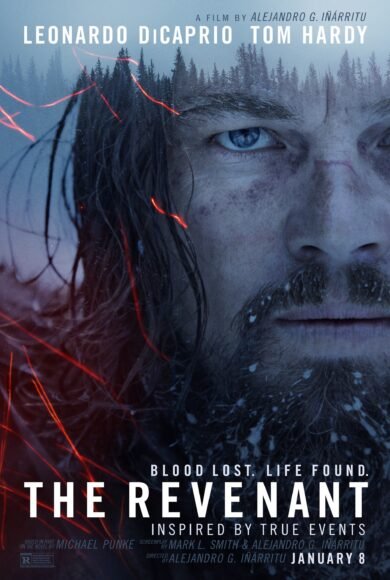
Information
TL;DR
Quick verdict in one line
“The Revenant” packs a visceral journey through survival and revenge, anchored by formidable performances and staggering visuals.
Who should watch this (and who should skip)
Fans of intense survival dramas and visually stunning cinema will find themselves captivated, while those seeking light entertainment or fast-paced narratives might want to look elsewhere.
What’s the vibe — how will this make you feel?
Tone, mood, and emotional weight
The emotional weight of “The Revenant” feels almost tangible in the trailer, establishing a tone that is both haunting and prayer-like. The stark, unforgiving environments serve not only as a backdrop but as a character in their own right, embodying the intensity of human struggle. Prepare for a profound exploration of despair intermingled with fleeting moments of hope.
Everything from the sweeping landscapes to the intimate close-ups of anguish conveys a rich tapestry of raw emotion. The score teeters between an ominous whisper and a triumphant roar, underscoring the protagonist’s internal and external conflicts. In this film, every frame breathes life into the undaunted spirit of resilience.
How brutal or meditative is it?
Expect a meditative yet brutal viewing experience. The imagery invites introspection while not shying away from the visceral realities of survival. This film oscillates between moments of quiet contemplation, where the protagonist grapples with loss, and sequences of gut-wrenching brutality, showcasing the savage realities of nature. The juxtaposition of these elements presents not just a survival story but a meditation on the lengths one goes to reclaim lost humanity.
What happens (no spoilers)
The basic setup and stakes
“The Revenant” plunges us into a harrowing world of survival, fueled by revenge and the indomitable will to persevere against seemingly insurmountable odds. The stakes are high: our protagonist faces not just the relentless forces of nature but also a profound betrayal. The setup implicitly raises questions about the nature of vengeance and the costs that come with it. As survival instincts kick in, we witness a man’s fierce determination to confront his past and thwart his adversaries.
What kind of journey to expect
You’re in for an emotionally charged and physically demanding journey. The protagonist’s arc is one of deep personal transformation. Navigating through both the wilderness and his inner demons, expect a narrative steeped in personal discovery and existential interpretation. Viewers can anticipate stunning visuals paired with a raw, immersive narrative that grabs hold of your senses, challenging you to reflect on the very essence of humanity and the pain that fuels a relentless quest for vengeance.
In essence, “The Revenant” immerses its audience in a visceral experience, one that balances the beauty of nature against the brutality of survival, leading to a transformative journey that lingers long after the credits roll.
Does the story and pacing hold up?
Is the plot clear and focused?
“The Revenant” presents a narrative that revolves around survival, revenge, and the vast unforgiving landscape of the American frontier. The story remains impressively clear, cutting through potential complexities with an unwavering vision. The simplicity of the central quest—Hugh Glass’s mission to avenge the betrayal by his explorer companions—functions as a sturdy backbone for the film. The linearity of Glass’s journey juxtaposes the chaotic beauty of nature, ramming home the notion that sometimes clarity lies in sheer determination against overwhelming odds.
The pacing vacillates between excruciatingly slow moments that luxuriate in the raw splendor of the wilderness, and bursts of frenetic energy, especially during actions scenes involving predator encounters and human conflict. This oscillation gives the film rhythm, drawing viewers in—one moment, they’re lost in the tranquil isolation of a snow-covered forest; the next, they’re gripped by the visceral terror of a bear attack. The deliberate pacing forces us to reckon with Glass’s struggle on a philosophical level, inviting reflection on the cost of revenge while keeping us tethered to the plot’s central conflict.
Where the film slows or speeds up
Certain sections of “The Revenant” embrace a languorous pace, particularly during the moments Hugh Glass spends in solitary reflection and adaptation to the wilderness. These compelling stretches allow the audience to immerse themselves in his internal turmoil and gradual transformation. By slowing down, the film prompts meditation on survival, fostering a connection between Glass and viewers who endure similar hardships of isolation.
Conversely, the film ramps up the pacing during climactic moments—particularly in Glass’s harrowing encounters with both nature and man. Action sequences are shot with a kinetic energy that echoes the heartbeat of fear and anger. These speeding moments punctuate the narrative, drawing contrasts between the serenity of the natural world and the harsh realities of human existence. It’s this deliberate manipulation of pacing that enhances the thematic storytelling, ensuring every change—fast or slow—adds to the emotional weight of the film.
Are the performances convincing?
Leonardo DiCaprio and the central performance
Leonardo DiCaprio’s portrayal of Hugh Glass is nothing short of transformative. He presents a raw and primal performance, encapsulating the essence of a man forsaken, stripped down to bare emotions, and propelled by sheer will. DiCaprio’s commitment to the role, coupled with his notable physicality and vulnerability, turns “The Revenant” into a study of resilience. His depiction avoids grandiosity; instead, it is grounded in a visceral realism that invites viewers to not merely watch but feel every ounce of Glass’s agony and rage.
Each moment is meticulously crafted; whether it’s expressing gut-wrenching pain or the quiet desperation of survival, DiCaprio resonates with truth. His central performance stands as a potent reminder of the lengths one might go to reclaim dignity and vengeance, vibrant with authenticity and power.
Supporting cast, non-actors, and realism
The supporting cast does not just serve as backdrop but enriches the narrative’s authenticity. Tom Hardy’s portrayal of Fitzgerald, the central antagonist, is chilling and magnetic. His character embodies betrayal in a tightly-wound performance that draws out the rawness of humanity’s darker sides. Complemented by a range of non-actors, the film achieves a naturalism rarely seen in mainstream cinema. These performers ground the film’s reality, providing a texture that further elevates the viewing experience.
The realism isn’t just in the performances, but also in their interactions. Each character is imbued with history, and viewers can sense their struggles even when words go unspoken. The use of non-actors alongside seasoned professionals connects the viewer to the historical context, reinforcing the story’s credibility while making the violent human conflicts feel all the more immediate and personal.
How does The Revenant look on screen?
Photography, landscapes, and camera moves
Visually, “The Revenant” is a feast for the senses. Cinematographer Emmanuel Lubezki captures breathtaking landscapes and intricately choreographed shots that celebrate nature’s splendor and menace. Every frame is infused with a haunting beauty, from the luminous twilight to the stark whites of winter’s grasp. The decision to shoot in natural light lends each scene an ethereal quality, allowing the wilderness to act as a character in its own right.
Lubezki’s camera moves with Glass, following him through the unforgiving terrain with a gliding intimacy that immerses viewers in his struggles. Long takes build a palpable tension, inviting us to linger in both the vastness and the claustrophobic moments of terror, echoing Glass’s own experiences in real-time. This commitment to cinematographic authenticity places “The Revenant” in a rarefied category of visually stunning films that elevate the narrative from mere storytelling to a profound, immersive experience.
Practical effects, makeup, and physicality
The film’s commitment to practical effects and makeup is commendable. Every gunshot, every scratch from branches, every wound reflects meticulous attention to detail. The makeup work breathes life into the characters’ physical struggles, elevating the stakes of survival. Glass’s injuries are grim and raw; they tell a story of their own, serving as markers of his relentless quest.
This authenticity is underscored by the film’s physicality. The actors underwent rigorous training, embodying their roles in ways that make their struggles palpable. The visceral realism of the physical challenges faced, from icy rivers to bear confrontations, brings viewers to the edge of their seats. Every move carries weight, and every struggle feels genuine, forming a powerful synergy between performance and visual storytelling that heightens the overall impact of “The Revenant.”
In sum, the film’s strength lies not just in the narrative or performances but in the meticulous attention to the visual and physical aspects intertwined throughout. Each element works in concert, delivering an unforgettable cinematic experience that resonates long after the credits roll.
In a film like “The Revenant,” where survival is not just a theme but a reflection on the essence of humanity, success hinges on every thread woven into this gripping tapestry. This film offers more than spectacle; it challenges us to consider what it means to endure, survive, and thrive in the most trying of circumstances.
How are the sound and score?
A movie’s soundscape can make or break its emotional resonance, and “The Revenant” excels in this domain. From the haunting whispers of the wind to the bone-crunching sounds of survival, the film crafts an auditory world that is as immersive as its visuals.
Music choices and emotional cues
The score in “The Revenant,” composed by Ryuichi Sakamoto and Alva Noto, isn’t merely background music; it’s an emotional character in its own right. The sound choices resonate deeply, often mirroring the film’s themes of struggle and endurance. Sparse, dissonant piano chords punctuate moments of despair, while swelling strings signal fleeting glimpses of hope. The music feels almost conversational, echoing the protagonist’s internal struggle as he grapples with the inexorable pull of vengeance and survival.
This isn’t a film where strings swell predictably at the climax. Rather, Sakamoto’s composition carefully intertwines expectation and surprise, steering the audience through a hauntingly beautiful landscape that reflects the wilderness itself. These musical elements guide viewers, shaping their emotional responses as they navigate the film’s harrowing journey.
Sound design and the use of silence
The sound design in “The Revenant” is equally masterful. Every crunch of snow underfoot, the rustle of leaves, and the echo of distant howls contribute to an atmosphere where silence is as powerful as sound. This careful interplay creates a visceral sense of isolation, heightening the viewer’s engagement with the protagonist’s plight.
One of the film’s strengths lies in its use of silence: the quiet moments where the world stands still feel almost deafening. This choice emphasizes the weight of the protagonist’s solitude, magnifying the emotional intensity of critical scenes. The silence allows for introspection, inviting the audience to absorb the sheer brutality of the landscapes and the intensity of human survival.
What Works — the good stuff
While “The Revenant” has garnered its share of accolades and critiques, there are clear elements that shine, affirming its status as a cinematic accomplishment.
The film’s biggest strengths
At its core, “The Revenant” thrives on its unapologetic realism. The cinematography, spearheaded by Emmanuel Lubezki, captures the raw beauty of nature with a level of detail that immerses viewers without sacrificing storytelling. Long takes draw the audience into the action, creating an urgency that feels palpable. The landscapes are more than mere backdrops; they’re protagonists in their own right, presenting both beauty and relentless danger.
Performance-wise, Leonardo DiCaprio delivers a haunting portrayal of survival. His physicality imbues the film with an intense realism, making every grimace and cry resonate with palpable authenticity. DiCaprio’s dedication to embodying his character results in moments that transcend dialogue, relying instead on raw human expression, which is felt deeply by the audience.
Small details that build trust and immersion
“The Revenant” excels in its attention to detail. From the historical accuracy of the characters’ gear to the chilling authenticity of their interactions with the wilderness, everything feels meticulously crafted. This commitment to realism fosters an environment where viewers are drawn into the narrative, believing fully in the world depicted.
The subtle nuances—the way breath fogs in the frigid air or how characters’ injuries speak volumes about their ordeal—add layers of complexity. Each detail serves to reinforce the film’s themes of survival and revenge, proving that trust between the filmmaker and audience is built through careful, deliberate choices.
Standout moments (no spoilers)
Without divulging plot specifics, “The Revenant” possesses several sequences that linger in the mind long after the credits roll.
Sequences that stick with you
One standout moment features a breathtaking yet harrowing encounter with nature that visually symbolizes the protagonist’s struggle against overwhelming odds. The tension is palpable, blending the beauty of the landscape with the terror of survival, leaving viewers breathless and on edge. These moments operate not just as spectacle, but as visceral reminders of the stakes at hand.
Another memorable sequence showcases human resilience amid desolation, capturing the emotional landscape of the protagonist’s journey. The raw intensity of this moment strikes a chord, acting as a microcosm for the film’s broader themes of endurance and revenge.
Why those scenes land emotionally or visually
What makes these sequences emotionally resonant is their grounding in character experience. The filmmakers’ ability to strip away extraneous elements to focus on primal human emotion ensures that viewers connect deeply with the protagonist’s journey. Coupled with stunning visuals, these standout scenes engage both the heart and the mind, creating an unforgettable cinematic experience.
The evocative cinematography frames these moments beautifully, using light and shadow to enhance their emotional weight. Each frame is a painting, meticulously composed to evoke feelings of despair, hope, and, ultimately, redemption. This visual poetry serves as an emotional touchpoint, keeping audiences connected to the existential threads woven throughout the film.
These standout sequences exemplify “The Revenant’s” strength in blending visual artistry with profound emotional depth, making it a film that resonates on multiple levels.
Any weak spots or warnings?
Where it feels repetitive or indulgent
Despite its breathtaking visuals and gripping performances, The Revenant occasionally lapses into repetitive sequences that test even the most patient viewer. The relentless nature of Hugh Glass’s survival journey can feel drawn out, as if the film is stretching to fill its runtime. Moments of sheer brilliance, like the harrowing encounters with nature and hostile forces, are sometimes overshadowed by repeated motifs of struggle and endurance. While these elements underlie the film’s themes, at times, they border on indulgence. The relentless camera work, primarily employed by Alejandro González Iñárritu, often hovers over scenes that could have benefited from a more judicious edit, making the pacing uneven and leaving audiences yearning for tighter storytelling.
Content warnings and things to be prepared for
Going into The Revenant, viewers should brace themselves for a visceral experience. The film unabashedly displays graphic violence, with brutal scenes portraying both animal attacks and human-on-human conflict. This isn’t a film for the faint of heart; its relentless portrayal of survival at all costs can be disturbing. Furthermore, themes of trauma and survival are explored through a stark lens. The visceral nature of these themes may affect sensitive viewers, particularly those who struggle with depictions of suffering, loss, and the psychological toll of survival. The film doesn’t shy away from its harsh realities, diving deep into the human psyche when pushed to its limits.
Is it worth watching (or rewatching)?
Who will get the most out of it
The Revenant will resonate deeply with those who appreciate intense character studies and atmospheric storytelling. Fans of Leonardo DiCaprio, who delivers an Oscar-winning performance as Hugh Glass, will find a masterclass in emotional depth and resilience. Furthermore, cinephiles drawn to meticulous cinematography and ambitious filmmaking will admire the raw visual beauty captured by Iñárritu and cinematographer Emmanuel Lubezki. Nature feels like a character within itself, enhancing the isolation and struggle of Glass. Those who favor films steeped in historical context and realism will appreciate the authenticity and attention to detail in both costume and setting.
When to pick something lighter instead
If you’re in the mood for a light-hearted evening, The Revenant may not be your best choice. The weight of the narrative and its harrowing journey makes for a heavy viewing experience. Consider something more uplifting if you’re with friends or family seeking entertainment over emotional introspection. Films with a clear comic relief or straightforward storytelling might serve more effectively for a casual movie night. The Revenant demands focus and emotional readiness; its specific tone and subject matter aren’t conducive to light watching. Save it for when you’re in the mood to be challenged and immersed, rather than when you want an escape.
Quick production notes and tidbits
Runtime, release year, and awards highlights
The Revenant runs for approximately 156 minutes and was released in December 2015. It quickly garnered critical acclaim, resulting in multiple Academy Awards, including Best Director for Iñárritu and Best Actor for DiCaprio. Its achievements extended to awards across the board, including BAFTA nominations, Golden Globes, and more, solidifying its place in cinematic history as a benchmark for both performance and visual artistry. The film’s gripping portrayal of survival and revenge left a lasting impact in both public and industry conversations.
Behind-the-scenes facts that matter to viewers
Behind the camera, The Revenant was a passion project for Iñárritu, who insisted on shooting in natural light to authentically capture the stark beauty of the wilderness. The production faced numerous challenges, including a grueling shooting schedule that involved filming in harsh, freezing conditions that tested the cast and crew alike. DiCaprio famously endured extreme hardship to achieve his performance, including a scene in which he had to crawl into a real animal carcass—a testament to his commitment to character authenticity. This extreme dedication not only resulted in an unforgettable performance but shaped the entire ethos of the filmmaking team. Audiences can appreciate these behind-the-scenes facts as they enhance understanding of the film’s visceral impact and authenticity.
In conclusion, The Revenant isn’t just a visual feast; it’s an emotionally taxing journey that demands attention. Its weighty themes and stunning artistry may polarize viewers, but for those ready to embrace its depth, the rewards are immeasurable. This film is sure to leave a lasting impression, both for its technical prowess and the visceral storytelling of humanity’s struggle against nature.
FAQs
Where can I watch The Revenant (Netflix, streaming, rental)?
If you’re looking for “The Revenant,” it’s currently available on various streaming platforms, but not on Netflix as of now. You can find it on HBO Max, where it’s included in the subscription. Additionally, it’s available for rental or purchase on platforms like Amazon Prime Video, Google Play, YouTube, and Apple iTunes. This accessibility allows viewers to experience Alejandro González Iñárritu’s masterful direction and Leonardo DiCaprio’s commitment to his role, showcasing the film’s intense survival theme and breathtaking cinematography.
What does “revenant” mean?
The term “revenant” refers to a person who has returned, especially from the dead. In the context of the film, it embodies the central theme of resurrection — both physically and metaphorically. Hugh Glass, portrayed by DiCaprio, becomes a revenant as he survives near-fatal conditions and embarks on a quest for vengeance after being grievously injured and betrayed. This concept of return encapsulates not only Glass’s physical journey through the harsh wilderness but also his spiritual renewal amidst overwhelming adversity.
How was the critical reception (Rotten Tomatoes, reviews)?
“The Revenant” received widespread acclaim upon its release, securing a fresh score on Rotten Tomatoes, with critics praising its visceral storytelling and technical mastery. The film won three Academy Awards, including Best Director for Iñárritu and Best Actor for DiCaprio, highlighting its impact on both audiences and critics. Many reviews emphasized the film’s haunting cinematography and the raw, unfiltered portrayal of human endurance. The nuanced performances and immersive narrative depth are often cited as reasons for its positive reception, solidifying its place in contemporary cinema.
Is the bear attack real and is it discussed on Reddit?
The bear attack scene in “The Revenant” is both a pivotal and contentious moment in the film. While the physicality of DiCaprio’s performance and the visual effects create an astonishingly realistic encounter, the practical effects team utilized a blend of CGI and real bear movements to craft this harrowing scene. Reddit threads have erupted with discussions and analyses regarding the realism of this moment, with some users dissecting the filmmaking techniques while others speculate about the symbolic implications of the bear as a representation of wild nature’s unforgiving force. This pivotal moment epitomizes the battle between man and nature, central to the film’s experience.
Is the story historically accurate?
While “The Revenant” draws inspiration from true events surrounding frontiersman Hugh Glass, it takes significant creative liberties for dramatic effect. The core narrative — Glass’s brutal survival and quest for revenge — is historically grounded, yet elements like character arcs and specific events lack rigorous adherence to historical facts. Critics and historians alike note the film’s operatic interpretation of survival, infusing personal vengeance with mythic weight. This blend of fact and fiction elevates the narrative, allowing audiences to engage with an emotional journey that resonates beyond the surface of historical accuracy.
Is The Revenant worth rewatching?
Absolutely, “The Revenant” is a film that begs for multiple viewings. Each revisit offers new layers of interpretation, subtle details, and visual artistry that you might have missed the first time around. The breathtaking cinematography invites viewers to appreciate its craftsmanship and philosophical undercurrents rather than merely consuming its plot. Additionally, DiCaprio’s performance, filled with emotional intensity, warrants deeper analysis. As the film explores themes of vengeance, nature, and survival, each viewing can provoke different reflections based on personal experiences, making it not just a movie, but an enduring cinematic experience.