
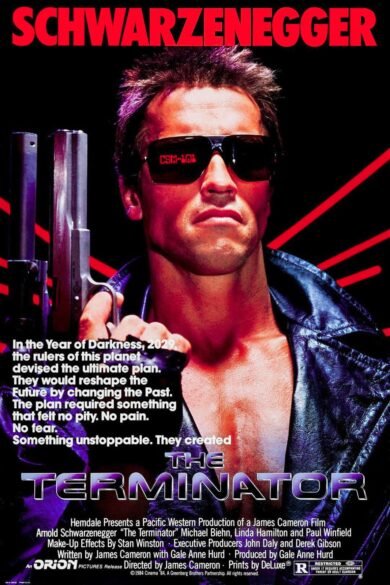
Information
TL;DR
Quick verdict: is it worth your time and why
“The Terminator” is not just a classic action film; it’s a cultural touchstone that blends relentless pacing with thought-provoking themes. The gritty, dystopian vibe remains fresh, making it a must-watch for both newcomers and seasoned fans. Whether you’re captivated by its groundbreaking effects or its haunting message about technology’s role in our future, it’s worth your time.
One-line takeaway for first-timers and rewatchers
For those stepping into the world of “The Terminator” for the first time or revisiting it, expect a thrilling ride that challenges perceptions of fate and free will against the backdrop of an unforgettable sci-fi narrative.
What’s the vibe — gritty 80s sci-fi or popcorn horror?
Tone, mood, and how it feels in a single sentence
The film successfully melds a grim, foreboding atmosphere with high-octane action, casting the audience into a relentless chase through a desolate future where survival seems hauntingly uncertain.
Does it feel dated or still thrilling today
Although released in 1984, “The Terminator” retains an electrifying quality, with its practical effects and minimalist aesthetic overshadowing more modern but often overstuffed blockbusters. It’s a testament to its craftsmanship that the tension and thematic depth resonate just as powerfully today.
What is The Terminator about? (no spoilers)
The basic setup and stakes without giving plot twists
At its core, “The Terminator” revolves around a cyborg assassin sent from a dystopian future to eliminate an unsuspecting waitress whose son will become humanity’s greatest hope against a machines-led apocalypse. The stakes are dire: the annihilation of humanity hangs in the balance, setting the stage for a high-stakes confrontation between man and machine.
The themes it hints at and why they matter
Central themes weave through the narrative, grappling with concepts like fate versus free will and the moral implications of artificial intelligence. These motifs resonate deeply, especially in an era where technology increasingly blurs the lines of ethical considerations. “The Terminator” invites discussions about human resilience and the unforeseen consequences of our technological advancements—a message more relevant now than ever.
Does the story hold up or is it just a premise?
The newest offering in the Terminator franchise, (The Terminator) film promises to dive deeper into the mythos that has long captivated audiences. In this installment, the fundamental narrative conceit—of a relentless machine pursuing humanity’s last hope—remains intact. Yet, the question looms large: does it hold up beyond the original premise, or does it merely tread familiar ground?
How the plot stays focused and where it risks feeling thin
The Terminator story is structured around the thrilling interplay between fate and resistance. This film carefully balances a strong central narrative with subplots that cast a wider net as it explores themes of redemption, power, and sacrifice. However, the risk of feeling thin arises when the plot occasionally dances too close to repetition. While familiar beats might comfort fans, they also challenge the film’s ability to innovate.
Nuanced characters such as Sarah Connor or new faces introduce unexpected dynamics, but when the story hinges heavily on action sequences without sufficient character development, it threatens to lose depth. The film needs to maintain its focus on the stakes at hand, lest it flounder in predictable tension.
Pacing over the runtime and the film’s momentum
Pacing fluctuates throughout the film, skillfully weaving high-octane moments with quieter interludes that allow the audience to reflect on the implications of the characters’ choices. This balance is crucial—not every thriller can maintain its heart while delivering relentless action. The Terminator succeeds here, providing moments that both heighten urgency and allow breaths of contemplation.
Still, there are stretches where the narrative feels protracted, challenging the viewer’s engagement. Clarity and precision should guide the pacing, ensuring that each moment serves the story rather than diluting its momentum. Seamlessly integrating quieter scenes with explosive action is what could set this installment apart.
Are the performances convincing?
No Terminator film would be complete without Arnold Schwarzenegger, a linchpin in this universe. He brings charisma and weight to his role, embodying the terminator’s cold pragmatism while occasionally hinting at shadows of deeper emotions. But is his portrayal layered enough to mean something new in this iteration?
Schwarzenegger’s role and screen presence
Schwarzenegger’s return isn’t merely nostalgic; it solidifies his status as an iconic presence who navigates the film’s more profound themes with aplomb. What resonates most is his subtle evolution; there’s more vulnerability layered into his performance, juxtaposed against his traditional stoicism. This complexity raises the stakes, inviting viewers to ponder the nature of what it means to be human and the burdens of responsibility placed on unlikely heroes.
The leads and supporting cast: chemistry and standout turns
Chemistry between the leads draws viewers deeper into their plight. The supporting cast, featuring both familiar faces and fresh talent, enriches the narrative tapestry. Standout performances resonate well; the new characters particularly shine, offering perspectives that challenge the established order of the franchise. Dynamic exchanges and palpable tension among characters amplify the film’s core conflicts, ensuring that emotional stakes remain high, despite the mechanical nature of many story elements.
How’s the pacing and action — does it ever drag?
Inaction-heavy blockbusters, there’s always that concern: will it lag? What’s striking about this latest Terminator film is its rhythm—an ebb and flow that keeps audiences on their toes. It balances moments of explosive action against quieter scenes that merit reflection.
How action and quiet moments balance out
The action sequences deliver relentless energy, complementing the film’s thematic tensions. The choreography is intricate, pulling viewers into the chaos. However, it’s the quieter moments interspersed throughout that elevate the film beyond being a simple spectacle. These scenes allow for character development and thematic exploration, grounding the high-stakes narrative in emotional realism.
The silence between the storms of gunfire and explosions serves as a reminder of what’s at stake: the survival of humanity itself. This counterbalance to action not only enhances the film’s pacing but enriches its emotional weight.
Memorable set pieces and their impact
From jaw-dropping chases through dystopian landscapes to intimate exchanges under neon-lit skies, the set pieces mark this film as an immersive cinematic experience. Each action sequence is crafted to leave a lasting impression; the larger-than-life battle scenes are not just visual spectacles but also integral to character arcs.
In particular, one groundbreaking sequence—a confrontation with drones and automated beasts—highlights mankind’s struggle against overwhelming odds, serving as a harrowing reminder of the dystopian future that awaits if the fight is lost. Such moments resonate powerfully, ensuring that the film’s energy does not merely exist to dazzle but also to provoke thought.
Final Words
This Terminator film is poised at a crossroads, straddling familiar territory while yearning for fresh innovation. Its success hinges on balancing iconic moments with daring storytelling choices, all while rooting its narrative in characters who feel as urgent today as they did decades ago. While audience anticipation is high, the franchise must navigate familiar beats carefully to create something that resonates beyond just nostalgia.
If it achieves that, the Terminator could find itself back on the track to being a titan of speculative cinema. Only time will tell if it evolves into a deserving chapter in a storied saga, or remains a flicker of the past.
How do the visuals and effects age?
In a cinematic landscape increasingly dominated by CGI, examining the aging of visuals and effects in The Terminator remains a fascinating endeavor. While it first hit theaters in 1984, its impact and ingenuity resonate even today, often sparking discussions about how far technology has come and how it’s reshaped our expectations of futuristic storytelling.
Practical effects, makeup, and use of visuals
What truly sets The Terminator apart is the mastery over practical effects and makeup. The film’s iconic robot, portrayed by Arnold Schwarzenegger, was shockingly lifelike, thanks in part to Stan Winston’s groundbreaking work. The pulsating mechanical endoskeleton, rendered with meticulous detail, remains as disturbing now as it was at release. Contrast this with today’s reliance on digital effects, and one can’t help but appreciate the tactile quality of what’s been captured on film.
Some visuals may show their age in clarity, yet the visceral impact dominates screen time. The close-up shots of the Terminator’s eye, revealing mechanical parts beneath skin, still evoke a primal fear – taking the viewer beyond the limits of pure visual spectacle and delving instead into a chilling exploration of identity. In an era where over-polished effects can detach viewers from the experience, The Terminator’s raw, gritty aesthetics remain a powerful testament to classic filmmaking.
Cinematography, production design, and how they sell the world
Cinematographer Adam Greenberg worked hand-in-hand with James Cameron to create a haunting atmosphere that cloaks the film in tension. The cinematography has become a narrative device; ominous shadows and chiaroscuro lighting play against the backdrop of a gritty, decaying Los Angeles. The urban landscape, littered with the detritus of a world at war, symbolizes the conflict that looms large in the narrative.
The production design plays a pivotal role too, with its stark contrasts between the bleak present and the dystopian future. Every setting—whether a rundown bar or the cold, sterile confines of Cyberdyne Systems—breathes life into the chaos and ruin that the story encompasses. This meticulous attention to detail fosters a sense of unease that lingers throughout, enhancing the emotional stakes of the film’s central conflict, and makes one question not only the possibility of time travel but the moral implications of technology itself.
Does the music and sound design add to the tension?
No discussion of The Terminator would be complete without acknowledging the pulsating score composed by Brad Fiedel. The music doesn’t merely accompany the action; it amplifies it, creating an inseparable bond between sound and vision that transcends the typical boundaries of film scoring.
The score’s role in building suspense
Fiedel’s synth-heavy score provides a haunting auditory landscape that captures the film’s tension and urgency. The rhythmic pulsations mimic a human heart racing under duress, an artistic choice that underscores the film’s relentless pace. As the tempo quickens during chase sequences, the viewer feels a visceral response, mirroring the anxiety of the characters. From the chilling opening credits to the explosive climax, the score remains an ever-present force, reinforcing the film’s foreboding spirit.
Sound choices that punch up the thrills
Sound design is pivotal in crafting the world of The Terminator. The sounds of gunfire and machinery blend seamlessly with the haunting score, weaving an immersive fabric that envelops the audience. Graves of screeching tires and the sound of footsteps echo throughout pivotal scenes, amplifying the tension. The mechanical whir of the Terminator becomes an auditory specter that haunts the narrative, reminding us that an unstoppable force is always closing in. These auditory elements not only punctuate moments of horror but also enhance the emotional stakes, making the viewer feel trapped in a relentless chase for survival.
What works — the good stuff
Among the many strengths of The Terminator, its innovative approach to its themes and characters stands out, making it a timeless piece in cinematic history.
Specific strengths that lift the whole film
The script’s clever juxtaposition of humanity against technology creates a narrative depth that speaks to audiences across generations. The character of Sarah Connor transforms from a seemingly ordinary woman to a fierce warrior; this arc resonates deeply, symbolizing not just personal empowerment, but the fight against oppression. The palpable chemistry between Sarah and Kyle Reese adds emotional weight to their struggle, allowing viewers to invest in their survival.
Another strength is the iconic portrayal of the Terminator itself. Schwarzenegger’s performance transcends the role of a villain, embodying the seductive power of technology—the perfect blend of ruthlessness and vulnerability. The contrast between his mechanical nature and his human-like pursuit of Sarah adds layers to the character, making him both fascinating and terrifying.
Why those elements still resonate
The film’s exploration of technology’s potential consequences remains relevant as rapid advancements continue to blur the line between human and machine. This enduring relevance contributes to ongoing discussions about AI, surveillance, and the ethical dilemmas that accompany unintended outcomes. By placing relatable characters at the heart of a larger struggle, The Terminator transforms from a simple sci-fi action film into a profound commentary on society’s trajectory.
As we navigate these themes in today’s context, it’s hard not to reflect on the film’s cautionary tale regarding technological advancement and personal agency. Each viewing can elicit a new layer of understanding, ensuring its status as a seminal work that will resonate for years to come.
In conclusion, the genius of The Terminator lies not just in its thrilling action sequences and groundbreaking visuals, but in its rich exploration of fear, identity, and responsibility in a rapidly evolving world. As audiences eagerly await new updates on the franchise, including the subsequent releases that attempt to capture the magnetic essence of this classic, one can’t help but feel that The Terminator has something to teach us, even decades later, about the intersection of humanity and technology.
The hype surrounding the latest installment in the “Terminator” franchise has reached fever pitch, especially following the recent release of “The Terminator” teaser trailer. Released by Paramount Pictures on September 15, 2023, this teaser sparks excitement and speculation among fans and newcomers alike. You can watch the trailer here.
The teaser reveals a visually stunning atmosphere, blending sleek, high-tech elements with visceral imagery that captures the essence of the series. The cinematography is sharp, with a rich color palette that suggests a world caught between advanced technology and the remnants of humanity. The symbolism runs deep, hinting at themes of identity and moral ambiguity in a future dominated by machines.
Returning to their iconic roles are series stalwarts who infuse the characters with a nostalgia that resonates against the new backdrop. We see glimpses of familiar faces, which promise to evoke strong emotional connections as the storyline unfolds. Alongside them, new characters emerge with fresh conflicts, keeping the narrative kinetic and engaging.
Amidst the rapid sequence of action shots, there is a palpable tension between humanity and the technological forces threatening to erase it. The conflict hints at an evolved struggle between human resilience and machinery with seemingly insurmountable power.
Standout moments (no spoilers)
A few scenes you’ll remember long after the credits
The teaser masterfully captures moments that will linger in the audience’s mind. There’s a breathtaking sequence featuring an intense chase, where the camera angles and expertly choreographed action create a visceral experience. Coupled with an ominous score, it builds a sense of dread and exhilaration that is unmistakably “Terminator.”
Another striking moment comes when a familiar theme plays in the background of a tense confrontation, evoking nostalgia while simultaneously introducing the newer generation of characters. The interplay of sound design and visual storytelling serves as a testament to the franchise’s ability to balance the old with the new.
Why they stick without spoiling anything
These scenes resonate because they tap into elements of childhood memories while redefining what it means to be human in a mechanical world. The juxtaposition of past heroes and fresh faces creates an emotional tug that grounds the high-octane action. The stylish cinematography furthers this impact, painting a picture of despair and hope that echoes throughout the franchise. This multifaceted approach enables the teaser to stand out without revealing too much of the plot.
Who should watch The Terminator — and who should skip it?
The ideal viewer and viewing situations
This film is tailor-made for die-hard “Terminator” fans who’ve followed the saga since the beginning. Those who thrive on character development, emotional stakes, and intense action sequences will find plenty to appreciate. It’s a must-watch not only for long-time followers but also for new audiences seeking rich storytelling layered within a sci-fi action framework. Whether you’re a casual viewer or a franchise veteran, this installment promises to spark intrigue.
Perfect viewing situations include late-night screenings or afternoon escapism, inviting audiences to immerse themselves fully in the spectacle. The communal experience of a packed theater will only heighten the tension and collective anticipation, making it the ideal setting for this film.
Content notes and style warnings
If you’re sensitive to intense action sequences or thematic content revolving around existential dread and societal collapse, you might want to approach the film with caution. The teaser underscores a tone that isn’t just action-filled; there’s an emotional weight that explores violence and its aftermath.
The visceral imagery might be too intense for younger viewers or those seeking light-hearted entertainment. As with previous entries in the series, the film navigates complex themes that challenge morality in the face of technological advancements, and it does so with a stark visual style.
FAQs
Is The Terminator worth watching today?
Absolutely. The teaser hints at a revival of the franchise’s renowned aesthetic and narrative depth, promising both engaging action and thought-provoking themes. The legacy of the “Terminator” series continues to resonate, making this latest installment essential viewing for any fan of the genre. It captures the fiery spirit of the original while reinvigorating the lore for a new generation.
Do I need to watch Terminator 2 first?
While prior familiarity with “Terminator 2: Judgment Day” can enhance your understanding of character backstories and themes, it isn’t strictly necessary. The new film is designed to be accessible to new audiences, offering enough context for those unacquainted with previous entries. Watching the original films may enrich the experience, but newcomers will still find themselves engaged in this latest narrative.
By exploring these intricate facets of the teaser trailer for “The Terminator,” it’s clear that the film is set to be a watershed moment in the franchise. With its September 15 trailer release, anticipation builds heading into its confirmed release window. As audiences wait, the possibilities seem endless, whether they be around narrative twists, character revelations, or how it will reshape the established timelines.
In the end, this film’s potential lies in its ability to weave together past and present, a theme at the heart of the franchise itself. The “Terminator” continues to evolve, suggesting there’s still plenty more story to tell in a world at the intersection of technology and humanity.