
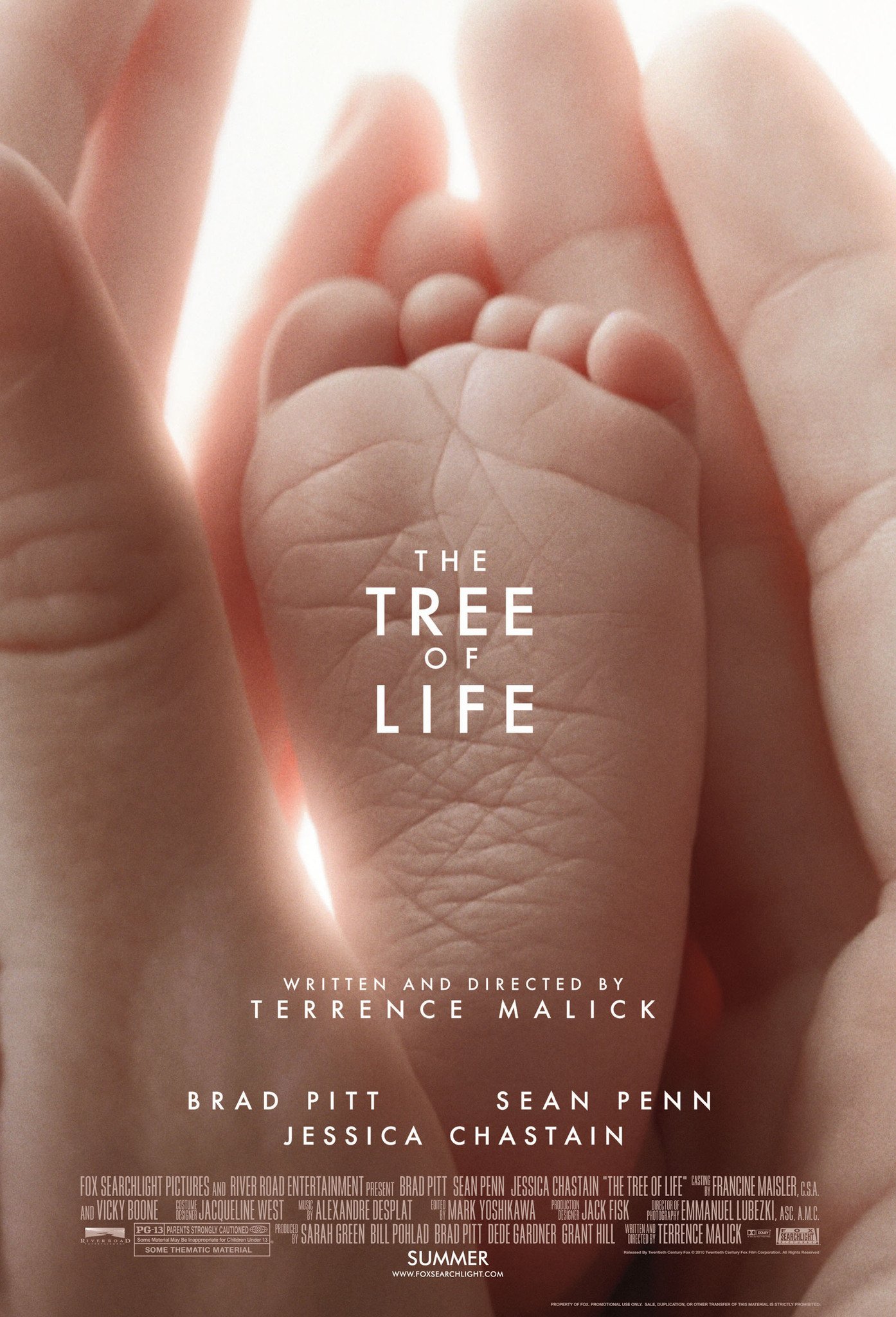
Information
tl;dr
Quick verdict — should you watch or skip
“Tree of Life” is a polarizing cinematic experience that demands patience and introspection. If you relish films that prioritize thematic exploration over traditional storytelling, this is a must-watch. However, those seeking a straightforward narrative may find it frustratingly elusive.
One-line summary of what to expect
Prepare for a visual and philosophical odyssey that intertwines family dynamics with existential musings against a backdrop of nature’s grandeur.
Does the story and pacing hold together?
How the film’s nontraditional structure affects understanding
Terrence Malick’s approach in “Tree of Life” eschews conventional narrative for a fragmented, almost dreamlike tapestry of memories and reflections. This nontraditional structure underscores the film’s core themes of existence, innocence, and the search for meaning. While this elliptical storytelling can be inherently disorienting, it invites viewers to engage more deeply with the emotional and philosophical undercurrents. The disjointed sequences create a meditative space where images—often breathtaking in their composition—carry as much weight as dialogues. Yet, viewers who favor clear arcs may feel adrift in this vast sea of impressionistic storytelling.
Where the pacing works and where it drags
There are moments where the slow pacing rewards patience, allowing us to fully absorb the rich imagery and emotional texture—like the evocative portrayal of childhood and loss. The sequences depicting the birth and death of the universe are stunning and arresting, eliciting awe and contemplation. However, the length and the deliberate pacing tend to test the viewer’s endurance at times, especially during extended visual montages that seem to stretch forever without narrative progression. This uneven pacing can render certain segments tedious, potentially alienating those less inclined toward experimental cinema.
Are the performances and characters convincing?
Who stands out and why
Brad Pitt delivers a hauntingly layered performance as Mr. O’Brien, oscillating between warmth and harshness, embodying the struggles of paternal authority and vulnerability. His presence anchors the film, grounding its ethereal elements with a stark reality. Jessica Chastain, on the other hand, shines as the nurturing, ethereal mother figure, symbolizing grace and forgiveness. Together, their portrayals encapsulate the tension between nurturing and discipline, which lies at the film’s emotional core. The children, particularly Hunter McCracken as young Jack, evoke genuine innocence and confusion, drawing the audience into their internal conflicts.
Are the characters emotionally accessible
While the performances are compelling, the characters themselves often feel more like symbols than fully fleshed individuals. The depth of emotion might resonate on an intellectual level, yet emotional accessibility varies. This creates a dichotomy: some viewers might find solace in the characters’ struggles, while others may feel detached from their abstract representations. The film seems less interested in character development in a conventional sense, favoring archetypes that embody broader themes. While this aligns with Malick’s artistic vision, it risks alienating viewers who crave deeper character connections amidst the elaborate visual poetry.
How does the direction and overall execution land?
Terrence Malick’s signature style: strengths and limits
Terrence Malick’s direction in “Tree of Life” is unmistakably his, marked by a lyrical approach to storytelling that elevates visual poetry to an art form. His ability to weave together the grandiosity of nature with intimate family moments is a hallmark of his style, creating a spiritual resonance that few filmmakers achieve. However, this artistic flair also comes with limitations. Malick often prioritizes visual and auditory impressions over plot coherence, leaving viewers to navigate a labyrinth of abstract concepts and fleeting emotions. As such, while some will rejoice in this poetic exploration of existence, others may feel lost among the film’s existential musings, yearning for a stronger narrative throughline to ground their experience.
Cinematography, sound, and the film’s sensory impact
The cinematography in “Tree of Life,” helmed by Emmanuel Lubezki, is nothing short of breathtaking. Stunning visuals of cosmic formations coexist seamlessly with intimate moments of childhood and familial unity. Each frame feels meticulously crafted, pulling the viewer into the sensory fabric of the film. Coupled with the ethereal score—featuring compositions by Alexandre Desplat and classical pieces that span centuries—the audio-visual synergy draws audiences into a meditative state. However, this sensory impact can overshadow the narrative, as the relentless barrage of imagery and sound may overwhelm viewers. While the film often feels transcendent in its artistic ambition, the insistence on sensory immersion can become excessively self-indulgent, potentially alienating those seeking clarity or coherence.
What are the biggest strengths that make it worth watching?
Visual moments and scenes that stick with you
“Tree of Life” is replete with indelible visual moments that linger long after the credits roll. The juxtaposition of life’s moments—the innocent laughter of children, the serene beauty of natural landscapes, and the profound existential reflections—creates a tapestry that speaks to the essence of human experience. The film’s iconic sequences, such as the birth of the universe and the tender recollections of childhood, capture a sense of wonder and intimacy that resonates deeply. These powerful visuals, paired with Malick’s philosophical contemplations, invite viewers to draw upon their own memories and experiences, fostering a deeply personal connection. In particular, the emotional weight of these moments offers a rewarding experience for those willing to engage with the film on a deeper level, allowing for profound contemplation on life, loss, and nature.
Emotional or thematic highs that reward patience
While many may approach “Tree of Life” with trepidation due to its nontraditional structure, those who practice patience will find rich emotional and thematic rewards. The film’s exploration of parental relationships, the search for meaning, and the interplay between grace and nature unfolds in a way that encourages personal reflection. Key emotional arcs—particularly Jack’s struggle with his father’s authoritarianism and his quest for reconciliation—strike a chord, providing moments of catharsis that resonate deeply. Malick’s thematic exploration of existential dualities brings forth feelings of awe and reflection that enrich the viewing experience, rewarding viewers who are open to interpretation with layers of meaning and resonance that continue to unfold with subsequent viewings.
What are the main weaknesses that might frustrate viewers?
Moments of ambiguity or narrative thinness
One of the film’s most pronounced weaknesses is its reliance on ambiguity, which can frustrate viewers seeking a clear narrative payoff. The oscillation between abstract sequences and fragmented storytelling may leave audiences grappling with what they’ve just witnessed. While this approach enhances the thematic depth, the lack of traditional character arcs or straightforward plots can feel disheartening, particularly for those unaccustomed to Malick’s style. This ambiguity serves to underscore the film’s philosophical aspirations but can also render crucial emotional moments less impactful. For many, the richness of the imagery may fail to compensate for a sense of narrative emptiness, leading to a disconnect with the film’s artistic ambitions.
When the film feels slow, vague, or self-important
At times, “Tree of Life” can devolve into moments that feel excessively slow or even self-indulgent. While the film’s deliberate pacing is often justified as a meditative choice, it risks losing audience engagement in its more languorous segments. Prolonged visual montages, while beautiful, can feel like an exercise in patience that some viewers may not be inclined to undertake. In these instances, the film’s ambitions may come off as overwrought rather than profound, leaving viewers questioning whether they are truly engaged with the material, or merely within an endless loop of ethereal visuals. This challenge reveals the fine line that Malick treads between transcendent artistry and self-important abstraction, leaving some feeling exhausted rather than uplifted by its ambitions.
Who is Tree of Life really for?
Types of viewers who will love it
“Tree of Life” speaks directly to cinephiles who crave artistic expression over conventional storytelling. Those who find value in immersive visual poetry will appreciate Malick’s ability to evoke emotion through rapturous imagery and philosophical musings. Viewers who regularly engage with films that prompt introspection—like Tarkovsky’s “Nostalgia” or Kim Ki-duk’s “Spring, Summer, Fall, Winter… and Spring”—are likely to resonate strongly with its themes of existence and the human experience. Furthermore, individuals open to exploring complex familial relationships and existential queries will find the film’s multifaceted approach to these subjects rewarding. The film’s meditative nature can also appeal to an audience who enjoys films that facilitate personal reflection over traditional payoff.
Types of viewers who should probably skip it
Conversely, those who prefer narrative clarity and character-driven plots might find “Tree of Life” frustrating. Viewers seeking straightforward storytelling, such as those who favor mainstream blockbuster experiences, will likely struggle with its abstractness and slow pacing. It’s a film that requires you to surrender to its rhythm, which can easily alienate those accustomed to a more conventional crescendo of emotional payoff found in films like “The Pursuit of Happyness” or even Malick’s own “The Thin Red Line.” Additionally, if you value plot coherence over thematic exploration, this film may exacerbate feelings of confusion or boredom rather than inspire contemplation. In short, it’s best approached by those ready to engage deeply with its philosophical content.
Is Tree of Life worth rewatching?
What you might notice on repeat viewings
On repeat viewings, “Tree of Life” offers an opportunity to peel back layers of meaning that may go unnoticed on an initial watch. The film’s intricate visual language becomes richer as one revisits its scenes; each viewing reveals new nuances in symbolism and thematic depth. For instance, repeated exposure to the evocative contrasts between nature’s awe-inspiring beauty and human suffering allows for a deeper appreciation of Malick’s exploration of grace and struggle. Furthermore, viewers may come to recognize how cinematographic choices are intricately tied to the emotional trajectories of the characters, which can enhance the already rich viewing experience. Deepening insight into the complex relationships within the O’Brien family will likely provoke both emotional resonance and intellectual discourse with each viewing.
How many repeats it typically rewards
The film typically rewards a handful of repeat viewings, with three to five being an optimal range for fully grasping its thematic intricacies and emotional highs. Each time, fresh interpretations emerge, encouraging personal reflection and scrutiny of its philosophical questions. While some viewers may find diminishing returns after a certain point, many still feel that the film’s meditative qualities remain impactful, even if the initial awe begins to fade. Unlike many films that reveal their secrets after just one watch, “Tree of Life” unfolds gradually, allowing for an evolving understanding of its emotional and existential quandaries. This sense of discovery is part of what compels rewatchability, even for those who may have been left perplexed the first time around.
Practical info to know before you press play
Runtime, rating, and content warnings
“Tree of Life” has a runtime of approximately 139 minutes and carries a PG-13 rating. Viewers should be aware of the film’s contemplative nature, which may not suit everyone’s taste. Content warnings include brief moments of intense emotional distress, depictions of death and grief, and existential themes that may resonate uncomfortably with some audiences. It’s important for potential viewers to consider their readiness to engage with profound questions of life, loss, and the universe, as these elements permeate the entire narrative.
Best viewing conditions (screen, sound, and mindset)
For a film as visually and sonically rich as “Tree of Life,” the best viewing conditions involve a large screen that can fully do justice to Lubezki’s stunning cinematography, ideally one with HDR capabilities. A quality sound system is equally important, as the film’s score and ambient soundscapes play crucial roles in establishing its meditative atmosphere. It’s highly recommended to approach the film with an open mindset, ready to embrace ambiguity and abstract storytelling. A quiet, distraction-free environment can enhance the viewing experience, allowing audiences to immerse themselves fully in the film’s philosophical musings and sensory layers. Ultimately, engaging with the film in a setting conducive to thoughtful reflection can make for a more rewarding experience.
FAQs
Is Tree of Life hard to follow?
“Tree of Life” is undeniably challenging in its narrative style, often leaving viewers grappling with its abstract constructs. The fragmented storytelling eschews linear progression, favoring a sequence of vignettes that weave through time, memory, and existential contemplation. This disorientation can feel like a labyrinth without a map, especially for those unaccustomed to Terrence Malick’s artistic proclivities. Many sequences, while visually stunning, invite interpretation rather than offering clear answers, which can be frustrating for viewers anticipating straightforward storytelling.
However, the film’s complexity isn’t an inherent flaw. Instead, it embodies a philosophical engagement that necessitates active participation from the audience. Those willing to embrace ambiguity and allow themselves to flow with the film’s rhythm may find hidden depths waiting to be explored. Yet, for those who prefer a cohesive narrative with distinct character arcs and resolution, the experience can be disheartening. The answer largely depends on one’s cinematic expectations and willingness to navigate the uncharted waters of its thematic explorations.
Is Tree of Life a good movie?
Determining whether “Tree of Life” is a “good” movie is complex and largely subjective, hinging on the viewer’s appetite for artistic expression over conventional storytelling. It stands out as a remarkable piece of cinema for its ambitious exploration of life, nature, and the human experience, utilizing stunning visuals and a meditative score to craft an immersive experience. Malick’s directorial vision allows for philosophical questioning—a deep dive into existence and grace, something that resonates profoundly with those attuned to its subtleties.
However, this ambition isn’t universally embraced. The film’s slow pacing and heavy reliance on visual metaphors can alienate viewers who prefer narrative closure or a more traditional structure. The emotional heft of the story, while compelling, can feel diluted by its abstract presentation, limiting its accessibility. In short, for those prepared to engage with its thematic richness, “Tree of Life” offers a transformative experience that lingers long after viewing. For others, its languor and complexity might come across as pretentious rather than profound. Thus, it is both a triumph and a potential disappointment, depending on one’s cinematic expectations and emotional readiness to engage with its lofty aspirations.