
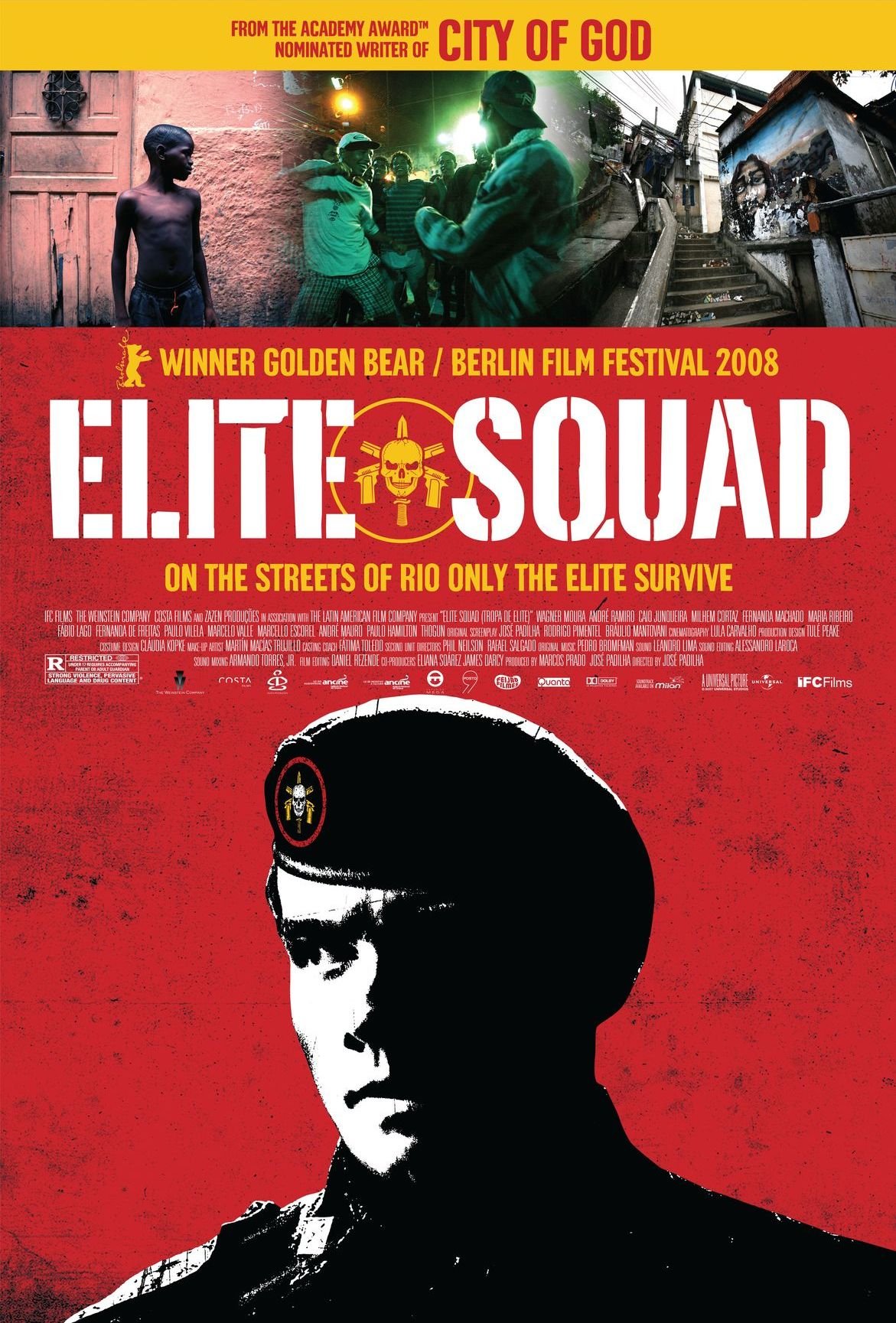
Information
TL;DR
Quick verdict — short take on whether it delivers
The Tropa de Elite teaser trailer sets a high bar, promising a gripping blend of visceral action and moral complexity. It lures you into a chaotic world where questions of justice are as layered as the characters navigating them. It’s not just a pulse-pounding experience; it hints at a story deeply rooted in social commentary.
Should you watch it tonight or skip it
If you’re craving a film that challenges the mind while thrilling the senses, definitely watch it tonight. However, if you’re looking for light entertainment, you might want to skip it. Tropa de Elite isn’t simply a cop drama; it’s an exploration of the human condition under pressure.
What’s the vibe and tone here?
Mood, energy, and how brutal or raw it gets
The teaser maintains a relentless pace, melding intense action with a palpable sense of dire urgency. The visuals are raw and gritty, showcasing sweat, blood, and the palpable tension of life in Brazil’s favelas. This is no mere action flick — it’s a harrowing look at the moral ambiguities faced by those tasked with upholding the law. Expect moments that are both exhilarating and heart-wrenching, underscored by a score that drips with foreboding.
Trigger warnings and what to expect emotionally
Approach Tropa de Elite with caution if you’re sensitive to graphic violence, police brutality, or depictions of societal collapse. The emotional landscape is fraught with despair and confrontations that might leave you questioning the very nature of justice. While the adrenaline rush is undeniable, prepare yourself for scenes that could resonate deeply with those familiar with real-life struggles in similarly affected communities.
What is Tropa de Elite about (no spoilers)?
One-paragraph setup and stakes
Set against the backdrop of Rio’s most dangerous neighborhoods, Tropa de Elite explores the harrowing realities faced by Brazil’s elite police unit striving to eradicate drug operations. The stakes are high not just for the protagonists, who risk their lives each day, but for the community enveloped in violence, corruption, and a cycle that seems inescapable. As the city slides deeper into chaos, the film raises gripping questions about the cost of justice—both for the enforcers and the oppressed.
The main conflict without plot twists
At its core, Tropa de Elite pits the relentless pursuit of order against the crippling chaos of corruption. The main conflict revolves around the clash between the police unit’s aggressive tactics and the ruthless drug lords who seem always one step ahead. This battle isn’t just about firepower; it’s a contest of wills where moral dilemmas take center stage. Each choice has real consequences, and the film embraces the gray areas that complicate heroism and villainy.
This breakdown captures the essence of the Tropa de Elite teaser trailer, shedding light on its emotional depth and narrative stakes while preparing viewers for a thought-provoking cinematic experience. The trailer not only delivers exhilarating visuals but also lays the groundwork for a narrative that promises to peel back the layers of its complex setting and themes. Whether it ultimately resonates with audiences will depend on how well it balances action with its critical social commentary.
As anticipation builds toward its release, moviegoers can expect both thrilling action and a stirring exploration of justice in a world where the lines are irrevocably blurred.
Does the story actually work?
Plot clarity and pacing — where it’s tight and where it slows
“Tropa de Elite” presents a narrative that unfolds with an intensity reflecting the stakes involved in its exploration of law enforcement and corruption. While the pacing starts off brisk, establishing the high-octane world of the BOPE, it occasionally falters during scenes that delve deeper into the internal struggles of its characters. These slower moments, though necessary for character development, can disrupt the momentum created by its gripping action sequences.
The film’s clarity excels when showcasing the stark realities of life in the favelas, especially through focused storytelling that zeroes in on BOPE’s operations. Here, the audience feels the palpable tension. However, the more introspective scenes, while enriching, may test the viewer’s patience, potentially leading to confusion about the character arcs if not tied back to the central narrative effectively. It’s a delicate balance, one that occasionally tips too far into exposition.
How the film balances action with character moments
Where “Tropa de Elite” truly shines is in its ability to intertwine high-octane action with poignant character moments. The film does not just rely on explosive sequences; it seeks to provide weight to its characters’ motivations and moral dilemmas. The action is visceral, almost a character in itself, yet the dialogue and interactions breathe humanity into this world of violence.
For instance, the camaraderie among the BOPE members during action sequences resonates emotionally, offering insights into their psyche and team dynamics. Contrasts surface in moments of vulnerability, particularly through intimate exchanges that reveal fears and personal stakes. This duality enhances the viewing experience, grounding the frenetic energy of action in the profound realities each character faces, making the stakes feel all too real.
Are the performances convincing?
Standout turns and what they bring to the material
In “Tropa de Elite,” the performances breathe life into a narrative that is both gritty and profound. The lead portrays a complex protagonist, whose journey through moral ambiguity is charged with conviction. Their ability to oscillate between toughness and vulnerability imbues the role with depth, making their internal conflict resonate strongly with the audience.
Supporting actors also deliver memorable performances, fleshing out a world populated by characters that seem to leap off the screen. Each performer brings distinct traits that add richness to the overarching narrative. The tension between these characters enhances the film’s exploration of betrayal and loyalty, resonating with viewers on multiple emotional levels. The standout turns don’t merely act; they invite viewers to reflect on the broader themes of power and consequence.
Supporting cast chemistry and small scenes that land
The chemistry among the supporting cast in “Tropa de Elite” is palpable, revealing layers of rapport and rivalry that fuel much of the film’s tension. Small moments—shared jokes, tense silences, and fleeting glances—craft a sense of realism that draws the audience deeper into the subplot dynamics.
These small interactions often serve as highlights, providing essential context to the protagonists’ struggles. Whether it’s a quick exchange at a makeshift checkpoint or a tense discussion in a dark alley, these scenes underscore the fragility of trust within an environment marred by corruption and betrayal. The supporting cast’s ability to enhance even the simplest moments speaks to the film’s commitment to creating a world that feels lived-in and authentic.
How does it look and sound?
Cinematography, editing, and action choreography
Visually, “Tropa de Elite” presents a striking tableau that immerses viewers in its chaotic world. The cinematography employs a gritty realism that aptly reflects the film’s themes; sweeping shots of urban landscapes juxtaposed with tight close-ups of characters in turmoil craft an experience that is both grand and intimate.
The editing plays a crucial role in maintaining the film’s relentless pace. Seamless transitions during action sequences create a feeling of urgency, while more languid cuts allow the audience to digest the emotional weight of particular scenes. This synergy between cinematography and editing enhances the film’s overall impact, making moments of violence visceral and character-driven scenes poignant.
Action choreography deserves particular mention; it’s expertly crafted, translating the raw energy of confrontations into a form of art that feels both exhilarating and grimly realistic. Each fight sequence feels consequential, not just for the visuals but for the narrative they drive.
Music, sound design, and how they boost tension
The sound design in “Tropa de Elite” is as integral to its atmosphere as the visuals. The cacophony of urban life, punctuated by the sharp sounds of gunfire and the heavy thrum of a city on edge, creates an immersive audio landscape. Every subtle sound detail works to heighten tension, drawing viewers further into the narrative’s gripping reality.
Likewise, the score, oscillating between haunting melodies and jarring beats, underpins the film’s emotional arc. Music enhances the stakes during pivotal moments, amplifying feelings of dread and urgency. This dual focus on sound and score captures not just the immediacy of conflict but also underscores the film’s deeper emotional resonance—echoing the characters’ struggles within their chaotic world.
Conclusion
“Tropa de Elite” has the potential to captivate audiences with its multifaceted approach to storytelling, performance, and visual style. The film walks a fine line between pulsating action and introspective character development, compelling viewers to consider the moral complexities embedded within its narrative. Fans of both the genre and those intrigued by explorations of humanity versus corruption may find much to appreciate.
With its strong performances, impressive cinematography, and a narrative that strikes at the heart of its themes, “Tropa de Elite” could carve out a significant place in contemporary cinema. Whether it will fully resonate in the landscape of modern filmmaking remains to be seen, but it certainly leaves us with questions worth pondering—both within the cinematic realm and beyond. As anticipation builds, it’s clear that this film seeks not just to entertain but to provoke thought and discussion.
What works — the Good Stuff
Concrete strengths: realism, moral complexity, memorable lines
In the landscape of crime dramas, “Tropa de Elite” (Elite Squad) stands out for its unflinching portrayal of the siege surrounding Rio de Janeiro’s favelas. The teaser trailer highlights one of its primary strengths: an unvarnished realism that allows the audience to dive headfirst into the gritty underbelly of the narrative. It’s not merely about depicting violence but exploring its roots and ramifications, prompting viewers to reflect on deeper societal issues.
Moral complexity is another pillar of the film’s success. The characters aren’t simplified archetypes but multi-dimensional individuals entrenched in a web of corruption, loyalty, and survival. The trailer teases lines that resonate not just as plot devices but as philosophical musings, urging audiences to consider the ethics of law enforcement and the cyclical nature of crime. These memorable lines leave an impression, embedding questions about right and wrong, and stirring debates long after the viewing experience.
Why those elements matter for your enjoyment
These elements matter because they draw the audience beyond passive viewing and into active engagement. The realism makes the storyline palpable and relatable, igniting a visceral response that ignites the emotional flame within. When characters embody this moral ambiguity, viewers often find themselves grappling with their own stances, encouraging a complex dialogue about authority and injustice.
The film challenges its viewers—not just to watch but to think critically about what they are witnessing. This depth transforms the viewing experience from mere entertainment into a thought-provoking event, ensuring that audiences leave the theater with lasting impressions rather than fleeting thrills.
Any scenes that stick with you?
Standout moments to watch for without spoiling them
While the teaser trailer doesn’t give away pivotal moments, it does foreshadow scenes filled with tension that will leave an indelible mark. One particularly striking image features a close-up of a protagonist’s face, a moment that conveys both determination and despair, hinting at personal stakes that extend beyond mere survival.
The trailer also teases confrontations between law enforcement and the inhabitants of the favela, suggesting an exploration of duality—friend versus foe, protector versus oppressor. There’s a palpable sense of impending conflict that promises to be both visceral and haunting.
Why those beats linger after the credits
Such beats resonate because they evoke raw human emotion amidst chaos. The depth of character development and the weighty choices they face ensure these scenes linger long after the credits roll. Emotions aren’t merely manipulated; they are earned through narrative progression and the heartbreaking decisions characters are forced to make.
In many ways, what sticks is not just the sheer intensity of the action but the moral dilemmas at play—questioning who the real enemy is in this complex tale. We find ourselves not just observing, but empathizing, which makes the haunting images replay in our minds, beckoning us to unpack their significance further.
Is it hard to watch? Emotional impact and intensity
How intense or unsettling it gets and who should be warned
“Tropa de Elite” doesn’t shy away from its intense subject matter; that much is evident from the teaser trailer. The aesthetic choices—dark lighting, tight shots, and rapid cuts—create a visceral sense of urgency that sets the stage for a gritty exploration of law and chaos. This intensity can be unsettling, particularly in its portrayal of violence, systemic corruption, and the emotional toll on those entangled within these realities.
As for who should be warned, those sensitive to graphic violence or who might be uncomfortable with discussions around social injustice may find certain scenes particularly hard to stomach. The film doesn’t hold back, opting instead for authenticity that mirrors real-world struggles, making it a challenging but essential watch for those ready to confront difficult truths.
Emotional payoff and whether it earns its heaviness
The emotional payoff is where “Tropa de Elite” truly earns its weight. It doesn’t simply rely on shock value; rather, it seamlessly intertwines moments of despair with those of resilience. Every act of violence is accompanied by a poignant exploration of its impact on both aggressors and victims. The emotional intensity feels justified, serving a purpose in the overarching narrative rather than existing for mere sensationalism.
By carefully balancing heart-wrenching moments with flashes of hope and humanity, the film crafts a rich tapestry that leaves the audience contemplating their own moral positions long after leaving the theater. It’s this emotional depth that elevates the viewing experience, confirming that while the subject matter is dense and sometimes brutal, it’s delivered with intention and nuance that respects the audience’s intelligence.
In conclusion, “Tropa de Elite” promises to be a cinematic experience rich with thematic depth, emotional intensity, and a haunting realism that encourages reflection on pressing societal issues. As fans of thought-provoking cinema, you’re in for a treat that doesn’t shy away from challenging norms—an experience that may well leave its mark far beyond the final frame.
Who will enjoy Tropa de Elite and is it worth rewatching?
Types of viewers who’ll dig it
“Tropa de Elite” has a unique appeal that resonates with various audiences. Fans of gritty dramas will find its raw portrayal of the complexities of law enforcement and crime in Brazil compelling. The film’s emotional intensity, coupled with its unflinching examination of morality, makes it a magnet for those who revel in character-driven narratives. Moreover, viewers who appreciate international cinema, especially films that challenge societal norms, will be drawn to the authentic depiction of the struggles within Rio de Janeiro’s infamous favelas.
The film artfully blends high-stakes action with profound philosophical questions. This synthesis will intrigue audiences who enjoy thought-provoking content as well as adrenaline-fueled sequences. Fans of films like “City of God” or “Narcos” will find themselves at home with the themes and tones presented in “Tropa de Elite.”
Rewatch value and how it ages over time
When analyzing the rewatch value of “Tropa de Elite,” it becomes clear that its multifaceted narrative invites viewers to dig deeper with each viewing. The initial impact might come from its action-packed sequences and gripping tension, but the subtler themes simmer beneath the surface, begging for exploration. Each rewatch unveils new layers regarding character motivations, ethical dilemmas, and societal critiques, enhancing both appreciation and understanding.
As for how the film ages, it serves as a historical lens on the socio-political environment of Brazil, particularly during the early 2000s. With an increasing global interest in trendy topics like policing and systemic injustice, the film’s commentary on corruption remains relevant today. Its unvarnished presentation allows it to transcend years, solidifying its status as a timeless piece of cinema that prompts reflection long after the credits roll.
Where to watch and quick facts
Runtime, release year, language, and subtitle tips
“Tropa de Elite” spans a gripping 115 minutes, released theatrically in 2007. It’s presented in Portuguese, which adds an authentic layer to its cultural representation. While some may fear the language barrier, the film’s visceral visuals and passionate performances bridge that gap effectively. For those who prefer to read along, accurate subtitles greatly enhance the viewing experience, making it easier to grasp the nuances of dialogues and cultural references.
Where to stream or rent and search tips like Watch Tropa de Elite
Currently, “Tropa de Elite” is available for streaming on several platforms. You can find it on Netflix or various rental services like Amazon Prime Video and Google Play. To find it with ease, simply search for “Watch Tropa de Elite” on your preferred streaming site, or browse through popular film rental services. An additional tip for eager viewers is to check their local cable providers, as this film occasionally airs on international cinema channels.
FAQs
Is Tropa de Elite well rated on Rotten Tomatoes or IMDb and what do people say on Reddit
“Tropa de Elite” holds a commendable rating of 76% on Rotten Tomatoes, indicating a strong reception among critics, paired with an IMDb score of 8.1/10, reflecting the esteem it garners from audiences. On platforms like Reddit, discussions often revolve around its intense portrayal of moral dilemmas, with some praising its raw realism while others find it disturbing. Fans frequently debate the film’s allegorical connections to contemporary issues, making it a popular topic among cinephiles seeking deeper insight and discourse.
Is there an Elite Squad 2 and do you need to watch it first
Yes, there is a sequel titled “Tropa de Elite 2: O Inimigo Agora É Outro” (Elite Squad: The Enemy Now is Another), released in 2010. While it expands on the original film’s narrative and themes, it’s not strictly necessary to watch the first before diving into the sequel. However, doing so enriches the experience by laying the groundwork for character arcs and conflicts that are further developed in the second installment. The interconnected stories and recurring characters enhance understanding of the larger narrative landscape, making it worthwhile for those ready to immerse themselves in the universe of “Tropa de Elite.”