
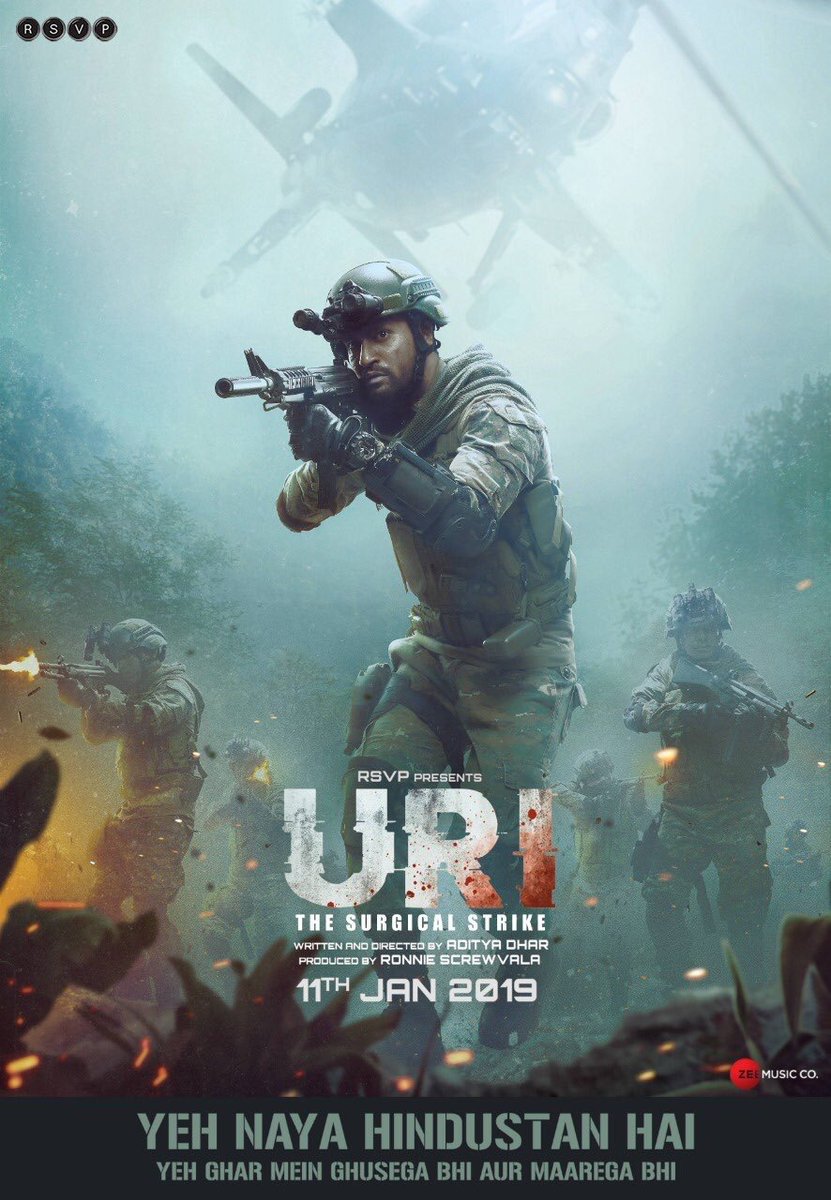
Information
TL;DR
One-line verdict you can act on
“Uri: The Surgical Strike” is a gripping look at modern warfare that immerses you in the heart of real-world conflict while expertly blending emotion with edge-of-your-seat action.
Quick reasons to watch or skip
- Watch: For its raw depiction of patriotism, intense performances, and thought-provoking themes surrounding sacrifice and valor.
- Skip: If you’re seeking a purely action-driven spectacle with little emotional depth or context.
What’s the vibe — patriotic thriller or full-on action?
How the film balances emotion and adrenaline
At first glance, the “Uri: The Surgical Strike” teaser trailer bursts forth with visceral combat sequences and high-octane tension. Yet, the film promises more than just adrenaline-fueled action; it’s a narrative woven with emotional stakes. The protagonist’s arc, shaped by loss and determination, emphasizes personal sacrifice against the backdrop of political conflict.
The trailer hints at moments that will profoundly resonate with audiences. When characters grapple with their decisions and the weight they carry, it’s clear that the film intends to balance heart-stopping action with human experience. This duality isn’t just a ploy for thrills; it speaks to the deeper motivations of those on the front lines, making the stakes palpably human.
Does it feel heroic, clinical, or both
The tone of “Uri: The Surgical Strike” oscillates between heroism and realism. The teaser presents soldiers not as invincible heroes but as flawed, deeply human figures facing the harsh realities of war. There’s a clinical aspect in the depiction of strategies and military operations, grounded in real-world tactics and consequences. Yet, intertwined with this brutality is an undeniable sense of valor.
The film embraces the notion of duty, especially in scenes that showcase the soldiers’ camaraderie, amplifying both the emotional and tactical stakes. This nuanced portrayal means viewers can expect a thoughtful exploration of heroism—not just glorified combat, but a meditation on what it means to serve.
What’s it about (no spoilers)
Core premise and stakes in a few sentences
“Uri: The Surgical Strike” centers on India’s military response to a terrorist attack, tactically executing a mission that targets the roots of the threat. The stakes are clear: a nation’s security hangs in the balance, and the lives of those directly involved are at serious risk. As the mission unfolds, soldiers confront their own fears and motivations, navigating not only external enemies but internal conflicts as well.
How closely it ties to the real-incident inspiration
The film is inspired by the real events of the 2016 Uri attack, making it not just a narrative of heroism but also a commentary on contemporary geopolitical tensions. It seeks to honor the sacrifices made by armed forces while delving into the complexities of modern warfare and counterinsurgency. By grounding its story in factual occurrences, the project aims to resonate with an audience that values authenticity alongside cinematic storytelling.
The teaser does well to reflect this commitment to realism, framing actions that resonate with actual events. As the visuals unfold, it establishes a narrative that seeks to honor those involved rather than paint a simplistic picture of good versus evil.
In this poignant mix of fact and fiction, “Uri: The Surgical Strike” stands poised to not only entertain but also provoke deeper thought about the sacrifices made in the name of security and nationalism.
Does the story and pacing hold up?
Plot clarity, structure, and momentum
“Uri: The Surgical Strike” confines itself within a tightly woven narrative structure, moving through its complex layers with a clarity that makes the experience both engaging and thought-provoking. The storyline adheres to a linear trajectory, creating a sense of urgency as it unfolds the events surrounding the titular surgical strike. The film’s writers successfully establish a narrative that balances character development with plot progression.
The pacing accelerates during pivotal moments, particularly in the lead-up to the strike itself. While the film respects the audience’s intellect by refraining from excessive exposition, it doesn’t shy away from emotional resonance. By embedding personal stakes for its characters, the film manages to keep viewers invested in not just the mission but also the individuals behind it.
Any lulls, conveniences, or gripping stretches
There are moments, slightly scattered throughout the film, where the pacing stumbles. These dips usually arise during exposition-heavy scenes, aimed at grounding the audience in the geopolitical context. While necessary, they risk slowing down the intense momentum built around the action sequences. However, these are brief lulls, easily forgotten once the pace picks up again, especially during the final act where tension mounts to a nail-biting crescendo.
Some plot conveniences do emerge, initiated by characters’ decisions that feel somewhat tailored for narrative efficiency rather than organic development. Yet where it might falter in realism, the film compensates in emotional investment, keeping your heart racing as the operatives embark on their dangerous mission.
Are the performances convincing?
Lead performance and who stands out
Vicky Kaushal’s portrayal of Major Vihaan Singh Shergill is the linchpin that holds “Uri” together. Kaushal delivers a performance steeped in authenticity, capturing both the vulnerability and relentless determination of his character. From his steely resolve during key mission moments to the quieter scenes that showcase his internal struggle, his range of emotion resonates deeply with audiences.
Supporting him are actors like Yami Gautam and Paresh Rawal, who intuitively understand their roles and bring depth to them. While Kaushal stands out as the lead, it’s the ensemble that elevates the emotional stakes, allowing the narrative to breathe and resonate.
Supporting cast, chemistry, and casting choices
The supporting cast, featuring talented actors such as Mohit Raina and Kriti Kulhari, offers compelling performances that elevate the film’s dramatic weight. Their chemistry, particularly among the operatives, injects authenticity into the mission dynamics; they don’t just operate as soldiers but as a family connected by a shared purpose and sacrifice.
Casting choices feel deliberate and impactful; each actor embodies their roles convincingly, which adds layers to the storytelling. There’s an underlying camaraderie that enhances the film’s themes of loyalty and sacrifice. It’s a blend that works not just because of individual strengths, but because the entire cast meshes well, making each character essential for the journey.
How do the action, visuals, and direction land?
Action choreography, realism, and scale
The action sequences in “Uri: The Surgical Strike” are nothing short of spectacular. They harmoniously blend realism with cinematic flair, elevating the stakes and immersing the viewer in the world of military operations. Each sequence is meticulously choreographed, striking a balance between intense combat and strategic maneuvering, allowing audiences to grasp the complexities of military strategy without losing the thrill.
The scale of the operations is portrayed with a grandiosity that feels justified, not excessive. The filmmakers understood the importance of grounding the action in reality while still amplifying its cinematic impact. This creates a palpable tension that keeps you on the edge of your seat, anticipating every twist and turn.
Cinematography, production value, and tone choices
Engaging cinematography sets a striking visual tone, accentuating the contrast between the serene landscapes of India and the chaotic battlegrounds depicted. Cinematographer Mitesh Mirchandani employs a mix of sweeping aerial shots and intimate close-ups, pulling viewers into the film’s emotional and physical conflicts. The production value is commendable with attention to detail in set design, military gear, and realistic soundscapes that envelop you as the narrative progresses.
The film’s tone captures the somber realities of conflict, laced with a patriotic fervor that ramps up the emotional stakes. Each decision from visual style to score enhances the storytelling, making “Uri” not just an action film but a nuanced commentary on national pride and sacrifice.
In essence, the direction marries content with form, ensuring that every frame of the film contributes to an immersive cinematic experience that resonates long after viewing.
“Uri: The Surgical Strike” sets a high standard in storytelling and execution. While there are occasional dips in pacing and minor conveniences in plot, the performances and action sequences more than compensate. As audiences anticipate its release, the film promises a captivating exploration of bravery, loyalty, and the complexities of modern warfare. Trust your instincts; this one’s likely to leave an indelible mark on the action genre.
## How does the music and sound shape the film?

The audio landscape of "Uri: The Surgical Strike" is as vital to its storytelling as its visual elements. The film's music and sound work in unison to elevate the emotional tension and immerse audiences in its thrilling narrative.

### Background score, songs, and emotional beats

The film’s background score serves as a pulse, driving the narrative forward while drawing viewers into the characters' journeys. Composed by the talented Shashwat Sachdev, the score stitches together moments of soaring triumph and gut-wrenching despair. Key scenes are punctuated by resonant musical themes that echo the psychological states of the characters, making us feel each hardship and victory as if we were right there with them.

Specific musical motifs recur at critical emotional junctures, acting as signposts that enhance the drama without overshadowing it. In scenes where intensity peaks—be it a harrowing mission or a quiet moment of reflection—the composition shifts seamlessly to reflect the stakes involved. The songs interspersed throughout the narrative further bolster this effect, conveying layers of meaning that resonate with the film's themes of sacrifice and patriotism. These segments don't just provide auditory relief; they invite viewers to pause and reflect on the broader implications of the story.

### Sound design during action and quieter scenes

In an action film like "Uri," sound design is crucial for creating a visceral experience. The soundscape punctuates the relentless pace of the military operations, enhancing the sense of urgency and danger with sharp gunfire, the rumble of diesel engines, and the relentless beeping of military equipment. During climactic action sequences, the deliberate use of silence amplifies the tension; when the cacophony ceases momentarily, you can almost feel the heartbeats of the characters racing against time.

The quieter moments are equally impactful. Subtle background noises—the rustling of leaves, the distant calls of nature—invite viewers into the personal lives of the characters. These details provide profound contrast, grounding the high-octane action in very human experiences. In doing so, the sound design ensures that we’re not merely spectators of violence, but rather participants in a story steeped in emotional weight and complexity.

## What actually works — the good stuff

"Uri: The Surgical Strike" triumphs in several departments, establishing itself as a noteworthy entry in the genre of military thrillers. Its success lies not just in its action-packed sequences but also in its character development and emotional depth.

### Specific scenes, character moments, and strengths

The film excels in building its characters. Each member of the squad has distinct motivations and backgrounds, which sets the stage for powerful interactions. There are moments of camaraderie that feel genuine, as well as scenes where individual fears and doubts surface, giving depth to the military personnel beyond their roles as soldiers.

One particularly striking scene unfolds amid the chaos of a tactical operation. A character takes a moment to call home, their voice cracking as they speak to a loved one. It's a visceral reminder of the personal stakes involved in warfare, imbuing the narrative with a sense of humanity that resonates deeply. These character moments anchor the film in reality, reminding the audience of the emotional burdens that accompany duty.

### Why those parts earn your trust and attention

Such commitments to realism and character development help build emotional investment. Rather than serving as mere soldiers, these characters are father figures, brothers, and sons, and their struggles outside of combat make their missions feel all the more important. The film understands that to create a truly thrilling experience, it must first earn the audience's trust—and it does so effectively.

The underlying theme of sacrifice resonates throughout these moments, creating a tableau of honor and loyalty that keeps viewers engaged. These emotional beats, paired with high-stakes action, craft a compelling balance that makes it easy to root for the characters.

## Standout moments (no spoilers)

"Uri: The Surgical Strike" is packed with memorable moments that elevate it beyond standard fare within its genre. From grand spectacles to subtle psychological beats, there’s plenty to discuss.

### Big set pieces worth watching for

The film’s action sequences are truly remarkable. One standout set piece involves a complex infiltration mission that unfurls with precision. The choreography is sharp, showcasing not just the physicality of the actors but also the tension as plans veer dangerously off-script. This sequence will have viewers at the edge of their seats, and the clever incorporation of strategy keeps the stakes palpable.

Moreover, the film incorporates impressive visuals, including aerial shots and dramatic close-ups that amplify the adrenaline-fueled chaos. It’s more than just an action sequence; it’s a masterclass in pacing, revealing the stakes of both the operation and the broader conflict.

### Small beats that stick after the credits

While the action dominates the movie’s identity, there are subtler moments that linger long after the credits roll. A quiet scene highlighting a character’s reflection on past choices offers a poignant counterpoint. It’s in these smaller beats that the film’s themes of duty and sacrifice crystallize, leaving viewers to ponder the moral complexities entwined within the narrative.

The tone established in these quieter scenes lingers, prompting audience reflection long after they've left the theater. It's a testament to the filmmakers that they could balance thrilling action with moments of profound introspection, ultimately crafting a cinematic experience that resonates emotionally and intellectually.

---

As "Uri: The Surgical Strike" gears up for its release, expectations are high. With its gripping storyline, memorable performances, and a finely-tuned audio-visual experience, it is set to captivate audiences. If the emotional weight and action sequences are any indication of the film's success, it seems poised to garner both critical and popular acclaim.

If it strikes the right balance between thrilling spectacle and heartfelt storytelling, "Uri" could very well carve a niche for itself in the landscape of modern Indian cinema. It's a promise of a film that demands not just to be seen, but to be felt.
Who is Uri: The Surgical Strike for?
Viewers who will get the most from it
“Uri: The Surgical Strike” resonates strongly with those who appreciate patriotic war dramas that delve into real-life events. Fans of action-packed thrillers with strategic military themes will be drawn to its cerebral yet gritty presentation of events surrounding the 2016 Indian Army strike against terrorist camps in Pakistan. This film caters to viewers who enjoy a combination of intense drama and the complexities of military operations, packaged with a dose of nationalism that resonates deeply with a certain segment of the audience.
Moreover, those familiar with the Indian defense forces will appreciate the film’s attention to detail in terms of military protocols and operations. The film realistically embodies the emotions and motivations of soldiers, showcasing their bravery and sacrifice. Viewers eager for significant character arcs will find themselves invested in the protagonist’s journey. Altogether, audiences who value narrative depth intertwined with action will likely leave the theater satisfied.
Viewers who might want to skip or temper expectations
On the flip side, those who prefer a more romantic or fantastical interpretation of warfare may find “Uri: The Surgical Strike” a bit too grounded. If you’re expecting a traditional action flick with over-the-top heroics and flamboyant character development, you might feel disappointed. The film’s pacing and seriousness may deter casual viewers who aren’t drawn to military themes characterized by somber undertones and moral dilemmas.
Moreover, skeptics of overt nationalism or jingoism could feel uneasy with its patriotic fervor. If you resist films that lean on patriotic motifs to evoke emotional responses, it may be worth tempering expectations. Finally, those who prefer character-driven narratives over spectacle-driven action may also find the film less appealing, with its narrative built more on the genre’s conventions rather than innovation.
FAQs
Where can I watch Uri: The Surgical Strike?
“Uri: The Surgical Strike” is available for streaming on various platforms, including popular services like Amazon Prime Video. If you skipped it in theaters, this could be your chance to catch up on one of the more discussed films of recent times. Always check your local listings as availability might vary depending on your region.
Is Uri: The Surgical Strike based on a real story or the Uri attack?
Yes, “Uri: The Surgical Strike” is inspired by the true events of the 2016 Uri attack, where Indian soldiers were attacked by terrorists. Following this incident, the Indian Army reportedly launched surgical strikes that were aimed at multiple targets in Pakistan-administered Kashmir. The film blends fact with dramatization, exploring the military strategy and personal stories behind these operations, aiming to bring more emotional weight to the historical context.
Who’s in the cast of Uri: The Surgical Strike?
The film boasts a talented cast, with Vicky Kaushal leading as Major Vihaan Singh Shergil. Kaushal’s performance is lauded for its gravitas and emotional depth. Supporting actors include Paresh Rawal as the high-ranking government official, Yami Gautam as an intelligence officer, and Mohit Raina portraying a fellow soldier. Each actor brings a layer of complexity to the characters, making them relatable within the highly charged circumstances they navigate.
Is there a trailer I can watch first?
Absolutely. The “Uri: The Surgical Strike” teaser trailer was released by the film’s production company on December 5, 2018. You can find it on platforms like YouTube. The trailer sets the tone perfectly, combining heart-pounding action with a glimpse into the emotional stakes of the story. It’s a great starting point to sense the film’s visual and thematic style.
What do people say on Reddit and IMDb about Uri?
On platforms like Reddit and IMDb, opinions vary but tend to highlight the film’s solid performances and engaging screenplay. Many users commend Vicky Kaushal’s portrayal of Major Vihaan, with some defining it as a career-defining role. Critics have pointed out the film’s value as a tribute to the armed forces, yet some discussions also touch on potential issues of glorification of violence and nationalism. Overall, feedback showcases a mix of admiration and critical thought, reflecting the film’s intense themes.
What’s the runtime and age rating?
“Uri: The Surgical Strike” has a runtime of approximately 138 minutes. The film is rated UA (Parental Guidance) in India, indicating that children can watch it with parental guidance. This makes it suitable for older teenagers who can handle the intense themes without being overwhelmed.
Is it worth rewatching or just a one-time watch?
“Uri: The Surgical Strike” holds value for both first-time viewers and those considering a rewatch. Its intricate military tactics, character development, and emotional storytelling allow for deeper engagement upon subsequent viewings. Fans may appreciate how repeated viewings reveal nuances in performances and the unfolding of the narrative. However, for those who do not connect with the film’s core themes or pacing, it may serve effectively as a one-time cinematic experience.