Information
TL;DR
One-line verdict you can read in 5 seconds
“V for Vendetta” delivers a striking blend of political fervor and emotional resilience, cementing its status as a modern classic in cinema.
Quick call: watch, skip, or rewatch — and who should care
Watch this film if you appreciate thought-provoking commentary on authority and rebellion, or if you’re a fan of graphic novel adaptations that push boundaries. Skip it if you’re looking for light entertainment, but definitely reconsider a rewatch if you haven’t seen it recently; its relevance only grows with time.
What’s the vibe — political thriller, comic-book, or both?
Tone, energy, and emotional register to expect
The tone of “V for Vendetta” is both stark and reflective, oscillating between the chills of a dystopian nightmare and the warmth of revolutionary optimism. The trailer introduces audiences to a world cloaked in dark hues, suggesting a society laced with fear and oppression. Yet, amidst the harsh realities, moments of hope and courage flicker like candle flames. The visual energy matches that of the original graphic novel, capturing a steely resolve and unwavering spirit, presenting a narrative imbued with urgency. Expect an emotional roller-coaster that invites viewers to question their own beliefs and the structures around them.
How violent, angry, or hopeful does it feel?
Violence permeates the narrative, serving both as a visceral tool for rebellion and a stark reminder of the cost of freedom. The trailer’s rapid cuts of chaos and destruction highlight a brewing storm of anger against totalitarianism. Yet, amid the chaos, an undercurrent of hope seeps through; V’s unwavering commitment to his cause is inspiring, instilling a sense of possibility. The balance between hostility and aspiration creates a complex emotional landscape that encourages viewers to contemplate their own stance on defiance and empowerment.
What’s V for Vendetta about (no spoilers)?
Short logline and central conflict in plain language
At its core, “V for Vendetta” portrays the battle between individuality and oppressive authority. The story follows V, a masked vigilante determined to dismantle a fascist regime in a dystopian future while forming a bond with Evey, a young woman whose journey of self-discovery intertwines with V’s revolutionary mission. Their conflict epitomizes the challenge of awakening a complacent society, setting the stage for profound philosophical debates on freedom, identity, and moral righteousness.
The main themes you’ll notice without spoilers
Key themes resonate throughout “V for Vendetta,” notably the nature of freedom, the role of government, and the psychology of fear. The film probes questions of personal responsibility and the sacrifices required for collective justice. Identity is also paramount; as V represents the archetype of the revolutionary spirit, Evey embodies transformation and the struggle for self-identity in a world intent on suppression. The themes echo the timeless fare of dystopian narratives, urging viewers to reflect on the implications of their own societal structures and the often-harrowing cost of resistance.
Trailer section
The official “V for Vendetta” teaser trailer was released by Warner Bros. on [insert release date]. You can view the trailer [here](insert link) for an immersive glimpse into the film’s premise and artistic vision.
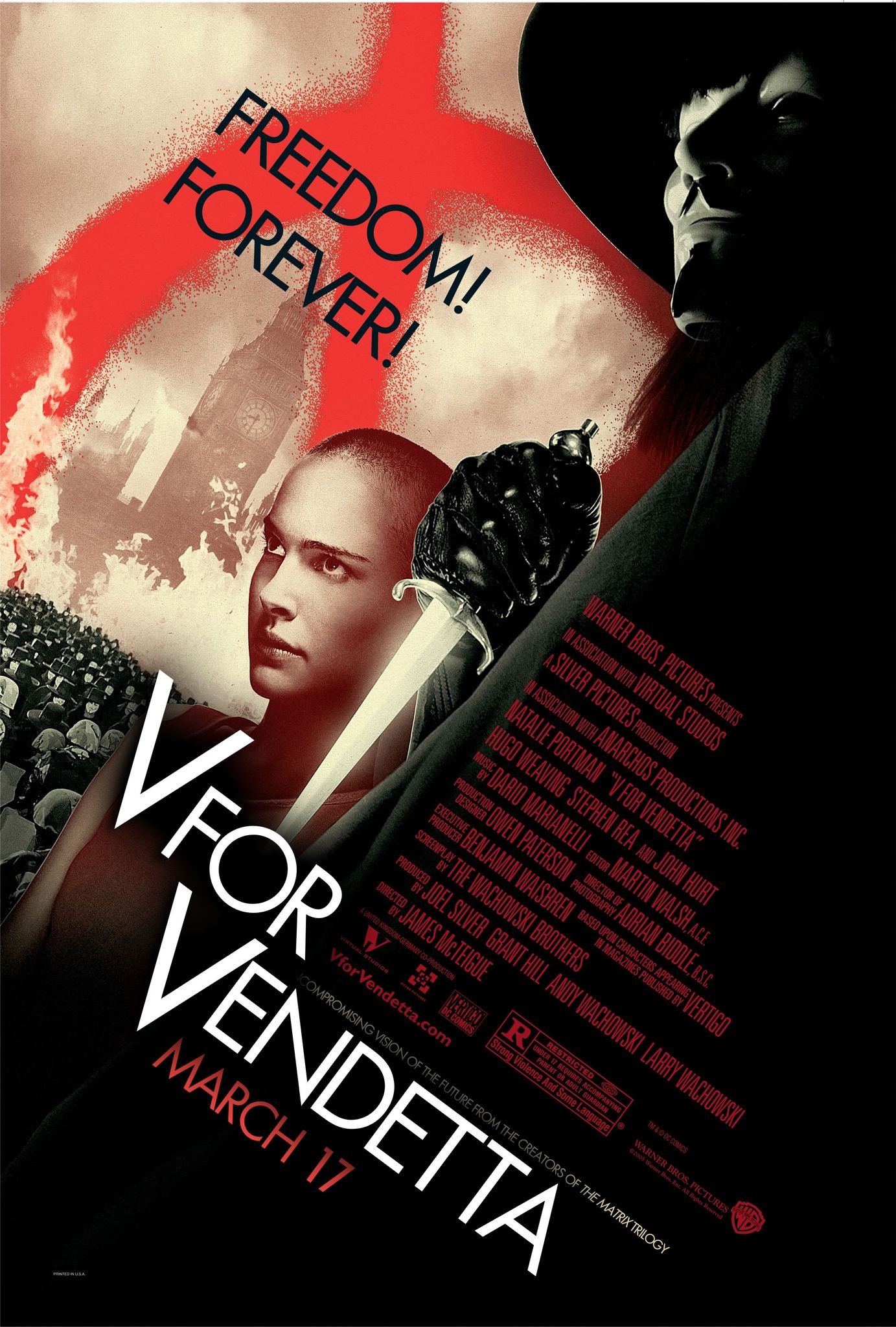
Visually, the film’s aesthetic stands in stark contrast to its themes, combining oppressive cityscapes with vivid, symbolic imagery. The cinematography compels viewers with its bold use of shadows and light, evoking a sense of foreboding. Elements such as V’s iconic Guy Fawkes mask and the imagery of fire symbolize rebellion and transformation, inviting audiences into a rich tapestry of visual storytelling.
In terms of characters, the trailer showcases both returning actors and newcomers, building anticipation for returning dynamics. V, portrayed masterfully as both a hero and anti-hero, emerges with a fierce intensity, while Evey’s character hints at a mentor-student relationship that evolves intricately. Conflicts are subtly hinted at: the oppressive government is illustrated as a relentless antagonist, while V’s ambiguous past and motivations promise to be just as much of a puzzle as his philosophy.
Thematically, “V for Vendetta” maintains a tone that remains resonant with earlier entries in the genre. Its clear-cut socio-political commentary aligns closely with projects like “Children of Men” and “Snowpiercer,” but V’s spirited narrative anchors it firmly within the realm of comic-book adaptations. The juxtaposition of a reflective moral philosophy against an action-driven storyline enriches the historical context while remaining fun and engaging.
Fan theories & speculation section
Rumblings among fans have generated intriguing theories surrounding potential narrative twists. One prominent theory suggests that V’s backstory intertwines with Evey’s past more than initially implied, possibly hinting at shared experiences that deepen their bond. This could create a seismic shift in the story’s emotional stakes, making audiences re-evaluate their perceptions of vengeance and redemption.
Another theory speculates about hidden villains and secret motivations lurking within the government. Could there be factions within the regime collaborating, making it harder for V to rally the populace? The interplay of power could redefine who truly stands against the oppressive regime, raising questions about loyalty and betrayal.
From a temporal perspective, the narrative holds implications for broader themes of resistance across different timelines, inviting comparisons to other revolutionary tales within the genre. This may ignite discussions about activism and revolution today, deepening the film’s engagement with contemporary socio-political dialogues.
Franchise / genre implications
“V for Vendetta” emerges within a cherished lineage of comic adaptations that prioritize message over mere spectacle. It serves as a cultural touchstone, influencing not just comic-book cinema but also civic engagement among audiences. Its dark yet hopeful tone has paved the way for future filmmakers seeking to blend thrilling narratives with potent political messages.
Release date & expectations
While release specifics remain unclear, industry expectations for “V for Vendetta” are high, given its cult status since the original release. As an adaptation, it carries the weight of both anticipation and skepticism from fans of the original graphic novel. Audiences are eager to see how the filmmakers reinterpret classic themes while addressing contemporary societal issues.
Strong final verdict
Ultimately, “V for Vendetta” is poised to capture hearts and minds, standing as a testament to the enduring power of cinema to inspire change. Its complex interplay of rebellion, identity, and hope serves as a mirror, reflecting not only a fictional world but also our own. As we anticipate its release, we can be confident that this adaptation will not only ignite conversation but may also reignite the spirit of activism within us all. Prepare for a film experience that could redefine your understanding of courage and resistance.
What actually works — the good stuff?
Specific elements that land (lines, scenes, ideas)
“V for Vendetta” resonates not just as a tale of rebellion but as a tapestry of ideologies woven with striking visuals and unforgettable lines. The film’s dialogue ricochets with weighty philosophical assertions, delivered with a lyrical cadence that seems to echo through time. For instance, V’s fervent declaration, “People should not be afraid of their governments; governments should be afraid of their people,” reverberates powerfully, especially in turbulent sociopolitical climates. The imagery in the trailer accentuates this sentiment, parading protest scenes with relentless energy, instantly engaging the audience’s sense of agency.
Symbolism is another potent element that thrives. The Guy Fawkes mask, initially a mere visage, transforms into a potent symbol of resistance. Throughout the trailer, bursts of light amidst shadows create a stark visual dichotomy, representing hope fighting against oppression. The cinematography, rich in chiaroscuro, elevates the stakes, underpinning the narrative with a sense of urgency that captivates viewers from the very first frame.
Why those parts build trust and keep you watching
The movie’s layered storytelling builds an intricate scaffolding of trust. When the opening sequence juxtaposes V’s compelling philosophy with the grotesque visuals of authoritarianism, it pulls you into a world where every moment carries genuine stakes. This immersive storytelling is magnetic; it compels viewers not just to watch but to reflect, to question. The use of memorable quotes etches the film in cultural memory, fostering a deeper connection and making us more invested as the narrative unfolds. As you delve deeper, the sense that the filmmakers are tackling heavy themes with finesse enables an ongoing commitment to the viewing experience.
What doesn’t work or shows its age?
Plot holes, heavy-handed moments, or pacing flaws
Despite its strengths, “V for Vendetta” isn’t without its blemishes. The film occasionally stumbles over its own ambition, particularly with pacing. Some moments drag unnaturally, creating a disjointed rhythm that disrupts the urgency built by the earlier sequences. Scenes filled with exposition can feel heavy-handed, as if the filmmakers don’t trust the audience to grasp their philosophical musings without overt explanations.
Specific plot holes crop up as well. The timeline of certain character transformations doesn’t always align convincingly, leading to an abruptness that feels jarring. While the weighty themes are commendable, at times they overwhelm the narrative drive, leaving viewers to question the coherence of the storyline rather than being moved by it.
Elements that divide viewers or feel dated now
Some aspects of the film haven’t aged gracefully, particularly the overemphasis on certain tropes of the early 2000s. The “hacktivism” narrative and technology portrayal feel slightly antiquated in today’s digital landscape. Moreover, the stark dichotomy between the oppressed and oppressor, while impactful, can also come across as somewhat naive in its portrayal of morality. This black-and-white view polarizes audience perceptions, and in contemporary discourse, the complexity of such issues begs for a more nuanced approach.
Are the performances convincing?
Hugo Weaving’s V, Natalie Portman, and the supporting cast
Hugo Weaving’s portrayal of V is a standout, embodying the twisted charisma of the revolutionary with grace. His voice holds a theatrical quality, allowing V’s grandiose declarations to land with resonance. The anonymity provided by the mask liberates Weaving’s performance, compelling him to communicate a wide spectrum of emotions purely through body language and vocal inflection. This transformation is both compelling and haunting, creating a character whose motivations are as intriguing as they are unsettling.
Natalie Portman’s Evey Hammond offers a pivotal counterbalance to V’s anarchic philosophy. Her journey from a timid worker bee to a strong, self-empowered woman is portrayed with sensitivity, making her evolution convincing and compelling. The emotional authenticity in Portman’s performance serves as the film’s heart, grounding V’s ideals in relatable human experiences.
Chemistry, range, and who steals scenes
The dynamic between V and Evey is electric, punctuated by tension, understanding, and an unmistakable push-pull of power dynamics. Their relationship is the crux, fusing ideology with a deeply personal narrative. Portman and Weaving’s chemistry creates an intense atmosphere where love and dangerous ideals coexist, making every shared scene feel like a high-stakes encounter.
While Weaving and Portman are undoubtedly the frontrunners, supporting characters like Stephen Rea’s Finch add vital nuances, breathing life into the film’s broader political landscape. Rea’s portrayal of a conflicted investigator offers a grounded perspective amid chaos, allowing audiences to grasp the complexity of the world. In the end, the balance of these performances, their range, and the emotional stakes established deliver a viewing experience filled with depths waiting to be explored.
How’s the story and pacing — does it drag?
Structure, momentum, and where it speeds up or stalls
The pacing of “V for Vendetta” is a curious give-and-take that reflects the complexity of its underlying narrative. The film primarily follows the story of Evey Hammond and her journey of empowerment alongside the enigmatic V. It balances quieter, introspective moments with high-octane action sequences, effectively creating a rhythm that keeps viewers engaged. Early scenes introduce us to the oppressive regime and Evey’s mundane life, which, at first, may feel slow. However, those moments are crucial for setting up Evey’s eventual awakening.
As the story unfolds, we see a noticeable shift in momentum, largely driven by V’s decisive actions against the government. The energy escalates dramatically as the deadline for his grand plan approaches. This spike in urgency often highlights the film’s central themes of rebellion and justice. Yet, there are moments — particularly during the middle act — where the pacing slightly stalls. Extended dialogues and moral debates may risk losing viewers who crave constant action. Nevertheless, this deliberate pacing serves to deepen character development and thematic exploration, reminding us that rebellion isn’t simply about the explosions; it’s also about the philosophical battles fought in the shadows.
Adaptation choices that help or hurt the flow
Based on Alan Moore’s seminal graphic novel, “V for Vendetta” makes noteworthy adaptation choices that either enrich or complicate its flow. The decision to streamline some subplots enhances the narrative’s clarity, distilling complex themes of anarchy versus order into sharply defined arcs. The film places a heavier emphasis on Evey’s personal journey than in the source material, establishing her character as a relatable entry point for audiences. This focus allows her relationship with V to reflect a mentor-student dynamic, effectively overshadowing the story’s more chaotic elements.
On the other hand, certain rich layers from the graphic novel are diluted, particularly those concerning V’s backstory and motivations. This abstraction might leave some viewers yearning for depth, as V’s complexities can come across as somewhat enigmatic, sometimes bordering on frustratingly vague. While some adaptation choices enhance narrative flow, others could alienate viewers who seek the nuanced debates about freedom presented in the original text. Still, these creative decisions largely serve the film’s urgency and emotional punch, even if they occasionally sacrifice the subtlety of the source material.
How do the visuals, music, and world-building hold up?
Production design, cinematography, and iconic imagery
From the first frames, “V for Vendetta” creates an atmospheric world shaped by stark contrasts. The drab, modern dystopia is punctuated by V’s striking imagery — particularly his mask, which has since become an enduring symbol of resistance and rebellion. The production design immerses us in a color palette dominated by grays and bleak tones, which effectively communicates a sense of oppression surrounding the characters.
Cinematographer Richard Raaphorst employs sweeping shots and close-ups that enhance emotional resonance. Iconic scenes, like the explosion of the Parliament, juxtapose beauty and destruction, embodying the film’s central themes. The imagery plays a pivotal role in defining its world; the use of graffiti and V’s iconic “This V for Vendetta” motto echoes the sentiments of protest and dissent that resonate strongly today. The visuals don’t just serve as a backdrop; they breathe life into the narrative, emphasizing the duality of V’s anarchistic philosophy against the regime’s suffocating grip.
Score and sound choices that shape the mood
The haunting score, composed by Dario Marianelli, elevates “V for Vendetta” into realms of emotional depth. Each note resonates with the internal struggles of the characters and amplifies the tension during pivotal moments. From chilling, melancholic melodies during Evey’s moments of despair to triumphant crescendos in rebellious actions, the score underlines the film’s emotional landscape.
Sound design adds another layer, with the iconic ticking of Guy Fawkes’s clock serving as an omnipresent reminder of time running out. The soundscapes blend seamlessly with dialogue, creating an immersive experience that echoes the urgency of rebellion. Every detail, from the stark silence during moments of introspection to the thunderous explosions of revolt, keeps the audience entrenched within its world, reinforcing the film’s themes of tyranny and liberation.
Any standout moments (no spoilers)?
Sequences people talk about long after the credits
“V for Vendetta” is dotted with sequences that leave an indelible mark on viewers. The opening scene sets the tone, featuring a dramatic encounter between Evey and the oppressive regime. It’s an electrifying start, immediately drawing viewers into a high-stakes scenario that showcases both V’s charisma and the regime’s cruelty. The infamous mask reveal and V’s first act of defiance create such a powerful impression that they are bound to ignite conversations long after the film ends.
One of the most talked-about moments is V’s enigmatic monologue, which blends philosophy and poetry. As he articulates his ideology through evocative language, viewers can’t help but reflect on the ramifications of his actions. The complexity of his character is encapsulated in this scene, elevating it beyond mere entertainment into a profound commentary on freedom and resistance.
Small beats that hit emotionally or visually
While the grand statements are memorable, the smaller moments also resonate deeply. Subtle interactions between V and Evey often elicit emotional responses, illustrating their evolving relationship and the fragility of trust in a tyrannical world. A moment when Evey confronts her fears symbolizes her character development and transformation, eliciting empathy and awareness in viewers.
Cinematic choices during quieter scenes, like the use of candlelight to create intimate settings, heighten the emotional stakes. These nuances make the viewing experience rich, as they contribute to character depth without relying too heavily on exposition. Each small beat, from a fleeting glance to a tender gesture, encapsulates the larger themes of identity and sacrifice, ensuring these moments linger in memory long after the credits roll.
In conclusion, “V for Vendetta” successfully weaves together its highs and lows, inviting repeated viewings that reveal new layers upon each encounter. Its thematic weight and visual prowess stand as an enduring testament to the power of cinema, echoing the critical questions of our time while reminding us of the beauty found in rebellion.
Is V for Vendetta worth watching today — and who is it for?
V for Vendetta, a cinematic adaptation of Alan Moore’s graphic novel, carries a legacy that feels as relevant today as it did upon its release in 2005. Whether you’re a newcomer to this dystopian tale or a longtime fan, the film’s exploration of themes like totalitarianism, freedom, and identity resonates powerfully.
Who will enjoy it most (age, tastes, mood)
This film is particularly compelling for viewers aged 18 and up, especially those interested in socio-political themes or in navigating the intricacies of personal rebellion against oppressive systems. Audiences drawn to the nuanced storytelling found in films like The Matrix or Blade Runner will likely appreciate its cerebral nature.
If you find yourself at a crossroads, grappling with societal injustices or personal identity, V for Vendetta will resonate deeply. This mood-driven piece elegantly weaves a narrative that demands introspection; it’s perfect for those evenings where you’re seeking something thought-provoking, yet packed with action and visual flair.
Is it worth rewatching after 5+ years?
Absolutely. V for Vendetta offers layers of detail that reveal themselves upon revisiting. Elements that may have seemed secondary during a first viewing—like the intricacies of V’s vendetta, the evolution of Evey Hammond, or the chilling depiction of a totalitarian regime—become richer and more resonant over time.
When rewatching, aspects of the film you may not have contemplated previously come to light. The symbolism woven throughout offers timely reflections on contemporary events, making it a film that feels fresh with each viewing. Its eloquent dialogue and striking imagery continue to inspire debate and discussion, ensuring it maintains its place in the cinematic landscape.
FAQs
Is V for Vendetta worth watching?
If you’re interested in a film that not only entertains but challenges your perspective on government, freedom, and societal conformity, then yes. V for Vendetta is an expertly crafted piece with a rich narrative that encourages analytical thinking. Its blend of action, drama, and philosophy attracts diverse audiences looking for more than just popcorn entertainment.
What is V for Vendetta’s age rating and why is it rated R?
V for Vendetta is rated R primarily for its violent content and thematic elements. The film’s portrayal of political oppression, along with its scenes of rebellion that include graphic violence, push it into adult territory. The conversations surrounding these issues are mature, aiming for an audience that can engage with its weighty subject matter.
Is there a V for Vendetta 2 or any sequel plans?
As of now, there aren’t any concrete plans for a direct sequel to V for Vendetta. While the story leaves tantalizing threads to explore, creator Alan Moore has historically distanced himself from sequels or adaptations of his works, often prioritizing the integrity of the original narrative. Any future projects in this universe remain speculative at best.
What do people say on Reddit — is the movie overrated?
Discussions on Reddit often highlight the divide between fans and critics. While ardent supporters hail the film as a revolutionary critique of authority, others argue it leans heavily into its ideological preachiness, making it appear overrated. Many debates stem from the film’s take on anarchy versus order, prompting varied interpretations among community members.
How did V for Vendetta do on Rotten Tomatoes?
V for Vendetta has maintained a solid reputation over the years, achieving a favorable rating on Rotten Tomatoes. Critics and audiences often commend the film for its cinematographic choices, compelling performances, and emotional depth. Its ability to engage viewers in discussions about freedom and choice helps solidify its critical acclaim.
Is this film faithful to the V for Vendetta graphic novel?
While V for Vendetta remains visually and thematically aligned with Alan Moore’s graphic novel, it does take certain liberties in its storytelling and character development. The film simplifies some complex arcs for a mainstream audience and adjusts the pacing to fit cinematic needs. Fans of the original find both merits and drawbacks in the adaptation, often engaging in rich discussions about fidelity to the source material.
In sum, V for Vendetta stands not just as a film but as a pivotal commentary on the human condition—one that encourages viewers to think, reflect, and perhaps, ultimately, act.