
A franchise reborn — and loudly promoted
Warner Bros. has greenlit a high-profile television reboot of J.K. Rowling’s Harry Potter saga and is rolling out blockbuster-style expectations for the project. Promised as a more expansive, faithful adaptation of the novels, the series arrives with a hefty production budget, a new ensemble cast, and an executive-level pledge that it will be one of the biggest streaming events ever produced by the studio.
That ambition comes amid fresh scrutiny. The project must reckon with the enduring affection for the original film cast as well as public controversies tied to the franchise, all while competing in an increasingly crowded streaming landscape.
What executives are promising
At a recent industry event in London, J.B. Perrette, Warner Bros. Discovery’s head of streaming, framed the reboot in superlative terms: “[Harry Potter will be] the biggest streaming event in the history of HBO Max and arguably in streaming, period.” He added, “Casey [Bloys] doesn’t like me saying this, but I really think this is the streaming event of the decade.”
Those comments point to the studio’s strategy: treat the new series as a tentpole that can drive subscription and cultural conversation. HBO and HBO Max have committed significant resources to realize that vision, with the message that the show will spare no expense in its production and creative ambitions.
A familiar story told in greater detail
One of the clearest advantages of a series format is time. Where feature films condensed and omitted swaths of J.K. Rowling’s books, an episodic adaptation can explore subplots, secondary characters, and world-building in more depth. Executives and creatives have touted the chance to bring to life scenes and storylines that didn’t make it into the movies — from expanded family histories to fuller romantic arcs — and to include material that was previously left on the cutting room floor.
Examples already discussed publicly include fleshing out Harry’s relationship with Ginny and adapting previously skipped sequences such as the Gaunt family storyline. That kind of fidelity is a major selling point for readers who felt the films left parts of the novels underdeveloped.
New faces, established names in the cast and crew
Rather than attempting to recreate the familiar faces of the original films, Warner Bros. has moved forward with a fresh ensemble and an experienced creative team. Reported key personnel include:
- Dominic McLaughlin as Harry Potter
- Janet McTeer as Minerva McGonagall
- John Lithgow as Albus Dumbledore
- Nick Frost as Rubeus Hagrid
- Francesca Gardiner serving as showrunner
- Mark Mylod attached to direct
This approach signals a clear break from the film era while leaning on veteran actors and seasoned television creatives to anchor the series.
The high bar and the hazards of expectation
Declaring the reboot a once-in-a-decade streaming event is a double-edged sword. On one hand, it communicates confidence and helps justify the considerable budget. On the other, it creates enormous pressure to match—or exceed—the emotional and cultural impact of the eight-film franchise that defined a generation of moviegoing.
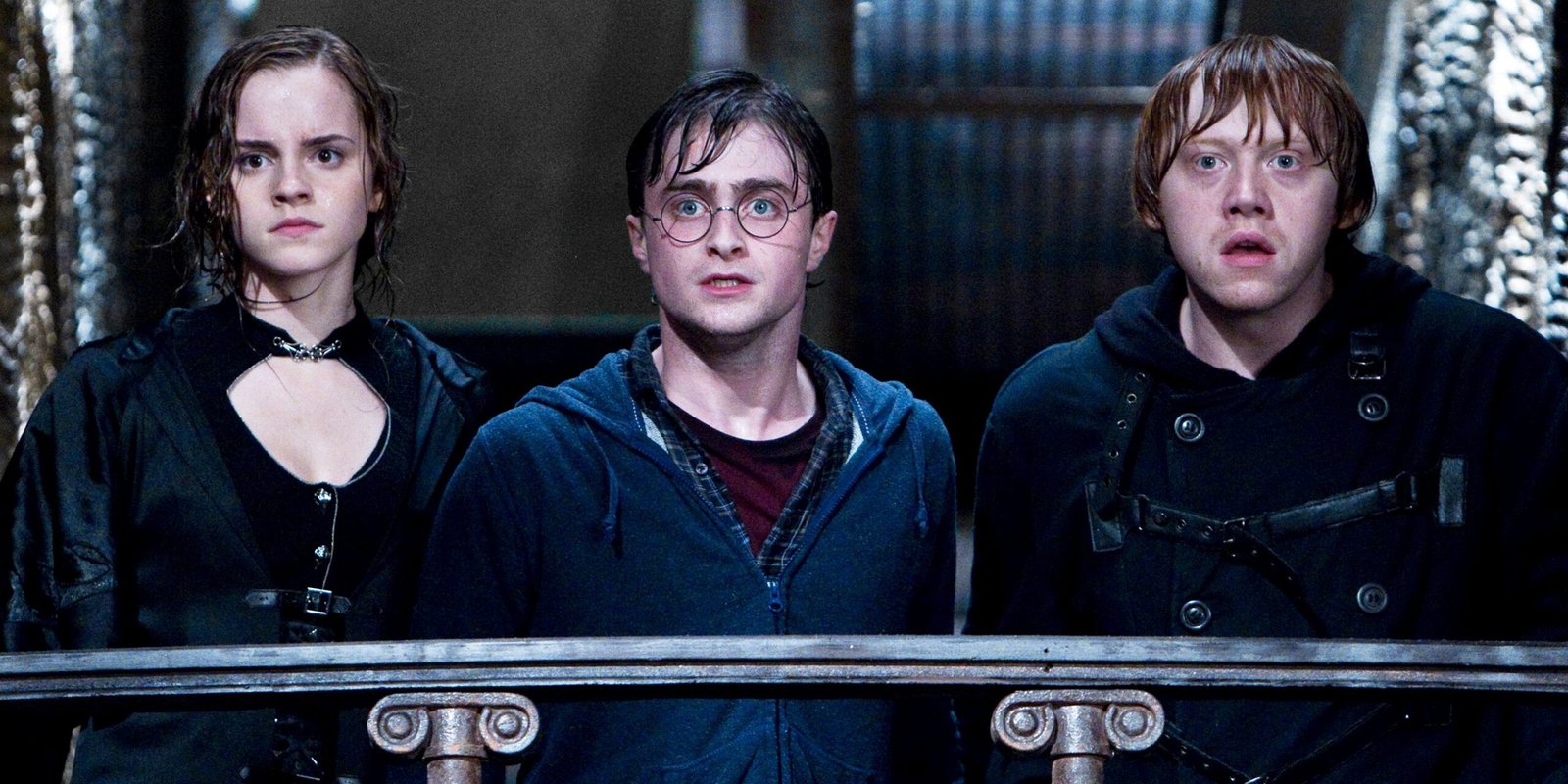
The original Harry Potter films carved out a unique place in pop culture: theatrical releases became annual events, the finale drew massive crowds, and the franchise shaped how studios approached large-scale adaptations and multi-part conclusions. Replicating that phenomenon on streaming is an uncertain proposition. The dynamics that made the films cultural moments—movie theater premieres, a nearly uninterrupted arc of filmmaking tied to one cast—do not translate directly to the streaming model.
Controversy and audience fragmentation
Another complicating factor is the controversy surrounding the franchise and its creator. Public disagreements and criticism related to J.K. Rowling have affected some viewers’ relationship with the material, and they may influence how audiences receive a new adaptation. Warner Bros. must balance promotion of the series with sensitivity to a divided fanbase; a huge promotional push risks alienating viewers who are looking for fresh, original stories rather than reboots of existing properties.
Can the series deliver new magic?
The reboot has clear advantages: time to expand storytelling, a sizable budget, and a high-profile promotional campaign. Yet there are no guarantees that the series will generate the same level of cultural obsession the films did a decade ago. Success will depend on several factors:
- How faithfully and imaginatively the series adapts the source material
- Whether the new cast can win over longtime fans and newcomers alike
- The effectiveness of the marketing campaign in generating positive anticipation rather than fatigue
- Broader streaming-market dynamics and viewer appetite for large franchise reboots
Looking ahead
Warner Bros.’ declaration makes the stakes unmistakable. The studio has signaled it intends to treat the Harry Potter reboot as a mainstream streaming event with similarly mainstream expectations. If the series delivers a richly detailed, well-acted exploration of the novels, it could become a new landmark in television adaptations. If it falls short, the outsized promises may draw disproportionate backlash.
Either way, the reboot will offer a clear test of whether legacy franchises can be successfully reborn on streaming platforms—or whether some properties remain most resonant in the form that originally made them beloved.