
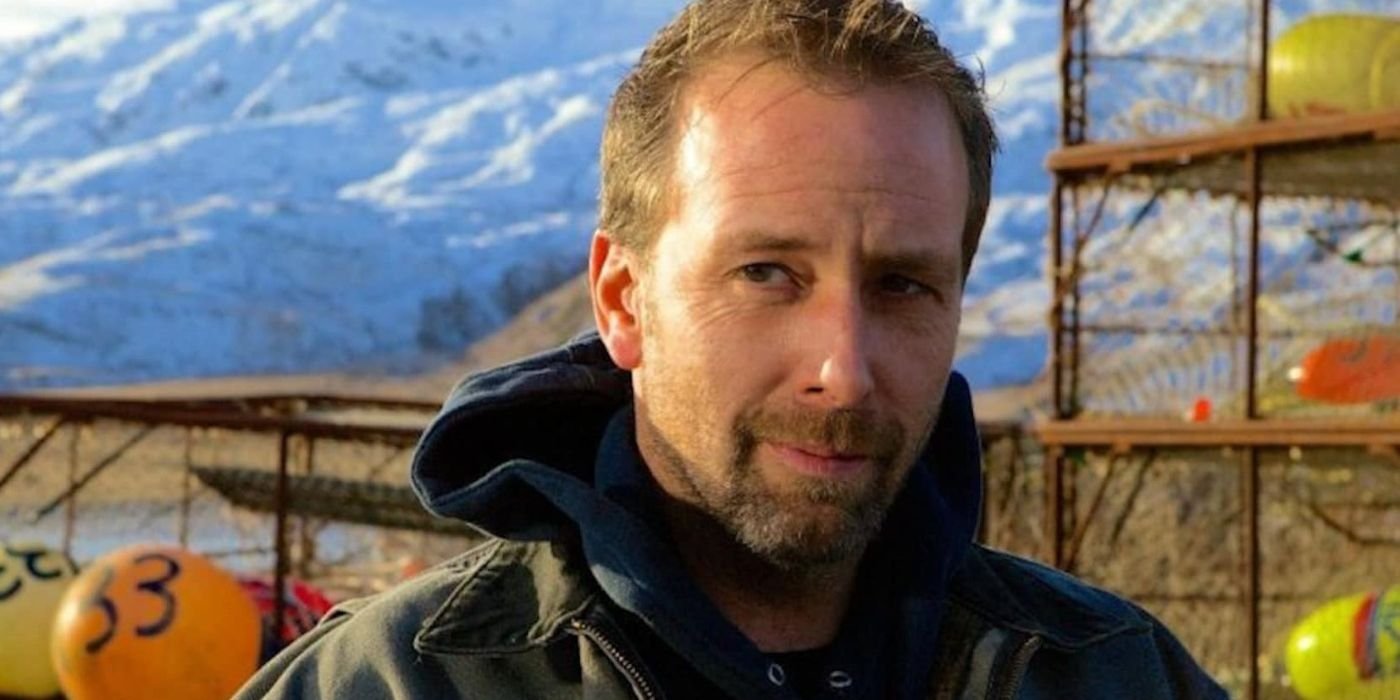
The Hansen legacy on Deadliest Catch
Since Deadliest Catch premiered in 2005, few names have been as closely tied to the series as Hansen. The Northwestern—purchased by the Hansen patriarch in 1977 after emigrating from Norway and fishing since the 1940s—became one of the show’s most recognizable vessels. Captain Sig Hansen emerged as a central figure early on, and his family members, including brothers Edgar and Norman and later Sig’s daughter Mandy, have been woven into the program’s long-running narrative about life and work on the Bering Sea.
Edgar Hansen joined the Northwestern’s crew decades ago and, for many seasons, was a steady presence: a seasoned deckhand with a dry wit, a taste for boat racing, and a lifetime at sea. He balanced Sig’s intense captaincy with a more reserved, steady demeanor, making him a fan favorite and a natural candidate to help carry the Northwestern’s legacy forward.
Edgar’s role and on-camera persona
Across the show’s early seasons, Edgar was portrayed as reliable and experienced, someone who understood the rhythms and dangers of crab fishing. He often shared colorful, painful stories from life at sea—once describing a bait-cutting accident that severed tendons and exposed bone—which underscored both the physical risks of the job and his own toughness. His long tenure on the Northwestern—nearly three decades—made him one of the series’ familiar faces and contributed to the family-focused drama that became a hallmark of the show.
On screen, Edgar’s interactions with Sig sometimes veered into open conflict, reflecting the pressures of running a family-owned vessel in a high-stakes industry. A noted on-camera confrontation during Season 9 over blue-crab tagging rules devolved into personal reproaches, with Sig at one point bringing up Edgar’s past struggles with sobriety. Those clashes highlighted how the demands of the boat and business could strain even close family ties.
The legal case and departure from the show
Edgar Hansen’s role on Deadliest Catch came to an abrupt end following an off-camera legal matter. In mid-2018, Hansen pleaded guilty to the sexual assault of a 16-year-old girl in Sarasota, Florida. In court he acknowledged the conduct, saying, “I committed this assault for the purpose of my own sexual gratification. I am very sorry for that conduct, and I have commenced treatment to ensure that nothing like this assault ever happens again.”
Under the terms of a plea agreement, Hansen received a 364-day suspended jail sentence and was ordered to pay roughly $1,653 in fines and fees. Reports from the time also noted that the prosecuting attorney’s office agreed not to pursue any additional charges arising from the case, and that Hansen underwent a sexual deviancy evaluation as part of post-conviction procedures.
Following the conviction, producers and the network removed Hansen from the show’s regular roster; his last televised appearance was in August 2018. The legal outcome effectively ended his role as a visible cast member on Deadliest Catch.
Sightings, family business, and edited presence
Although Edgar has not returned to the series as an on-screen character, viewers and online sleuths have continued to spot traces of him. Fans have posted clips and screen captures arguing he can be seen, obscured, or blurred in background shots; others point to closed-captioning that transcribes occasional, brief dialogue as “Edgar.” A 2018 social media post from Mandy Hansen also included footage in which Edgar appears, suggesting he remained part of family life and, at times, the vessel’s operations.
Because the Northwestern is a family-run boat, it’s plausible that Edgar could still occasionally work on the vessel in some capacity even if he is not acknowledged on camera. Reality television editing and production choices also influence what appears on screen, and producers have used blurring and selective audio in other contexts to minimize the presence of people the show wishes to de-emphasize.
Scandals and off-camera controversies on Deadliest Catch
Edgar’s departure is one among several off-camera controversies that have shaped Deadliest Catch over its run. The series has had to navigate arrests, on- and off-boat deaths, substance-abuse struggles, and legal disputes that complicated production and public perception:
- In 2010, a crew member was among multiple people arrested in a drug operation.
- Several former cast members have died in the years since appearing on the show, including crew who battled substance abuse or suffered unexplained deaths while off-duty.
- Owners of the Northwestern filed a lawsuit against the show’s producers, alleging that a former crew member did not receive timely, competent medical care, which they say led to severe complications.
- Past cast members have also been dismissed following criminal convictions unrelated to their time on the series.
These incidents illustrate how the realities of a dangerous profession—and the legal and personal problems that can follow—often spill over into production decisions and the long-term direction of the program.
What Edgar’s exit meant for the Northwestern’s future
With Edgar no longer visible on camera, leadership and storyline attention shifted within the Hansen family. Mandy Hansen, Sig’s daughter, has moved into a more prominent role on the Northwestern and in the show’s narrative, continuing the family-focused thread that has long been central to Deadliest Catch.
Edgar’s conviction ended whatever plans may have existed for him to succeed Sig in a more public-facing captaincy or to remain a key cast member. At the same time, the continued presence of the Northwestern on Deadliest Catch—albeit with a reconfigured cast—reflects how producers balance business relationships, family dynamics, legal ramifications, and viewer expectations when deciding who appears on screen.
Looking ahead
Deadliest Catch remains one of Discovery’s most enduring nonfiction franchises, charting the hazardous work of crab fishermen and the interpersonal dramas that unfold at sea. Edgar Hansen’s removal from the program was a notable turning point in the series’ history: a reminder that conduct off camera can have immediate, lasting consequences for a cast member’s career and public profile. As the show continues, producers must weigh safety, legal considerations, and the ethical implications of featuring members of a close-knit maritime community under constant public scrutiny.