
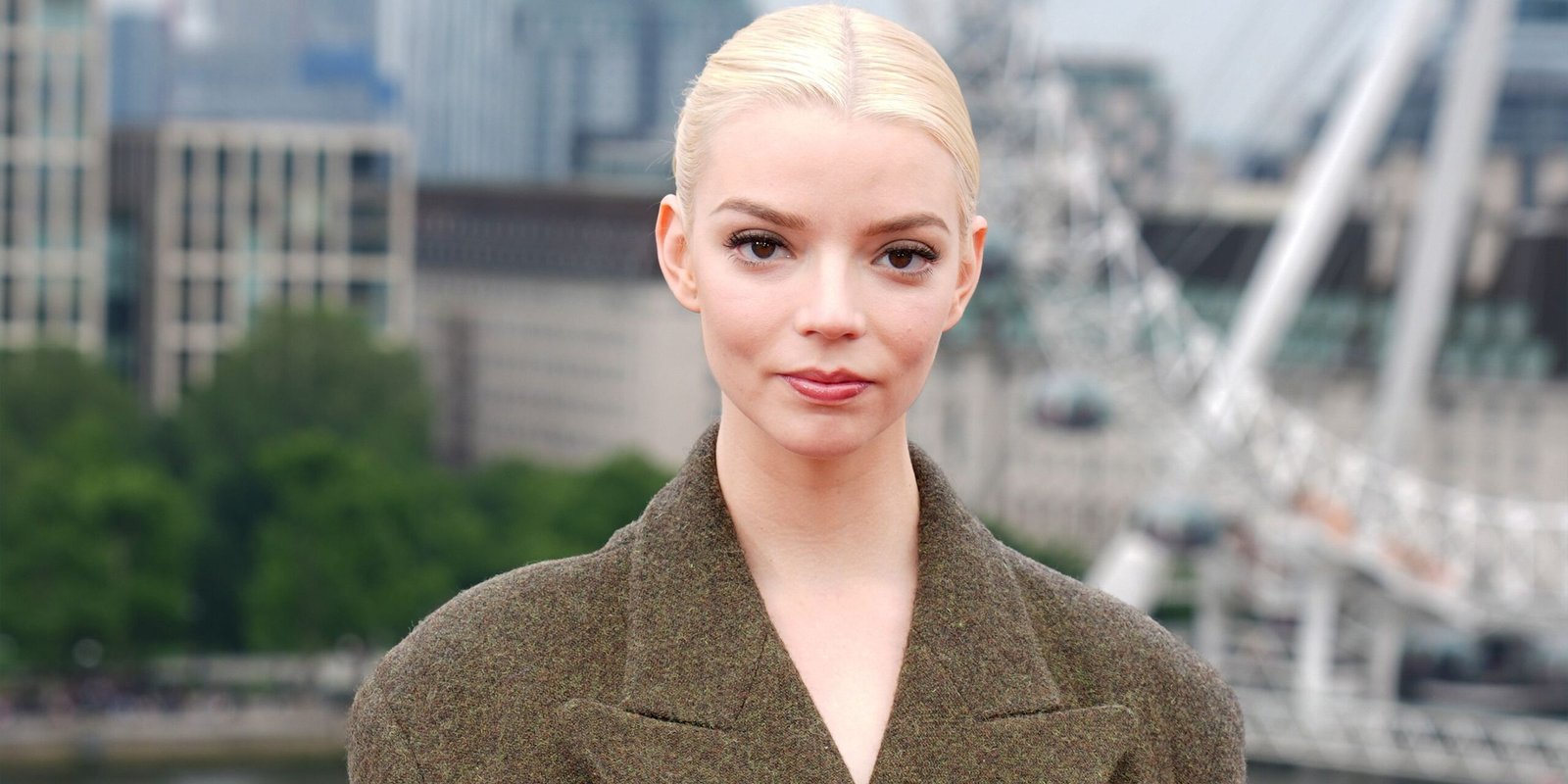
Anya Taylor‑Joy’s rise and a high‑stakes gamble
Anya Taylor‑Joy has quickly moved from breakout television star to one of Hollywood’s most bankable young leads. Since The Queen’s Gambit she’s diversified her portfolio—headlining sci‑fi and genre projects, lending her voice to major animated franchises, and continuing collaborations with acclaimed filmmakers. Recent highlights include the dystopian Apple TV+ hit The Gorge, voicing Princess Peach opposite Chris Pratt in the Super Mario films, and memorable turns in Robert Eggers’ period horrors such as The Witch and The Northman.
In 2024 Taylor‑Joy took on another high‑profile assignment: playing the title role in Furiosa, George Miller’s long‑anticipated prequel to the Mad Max saga. The film reunited Miller with his Fury Road sensibility and paired Taylor‑Joy with Chris Hemsworth in a big‑budget studio production intended to reinvigorate a beloved franchise.
The numbers: production costs, box office and the shortfall
Furiosa was an expensive undertaking. Warner Bros. reportedly spent roughly $168 million on production alone. At the global box office the film went on to earn about $174 million worldwide—a figure that, on the surface, barely exceeds its production price tag.
Once standard theatrical splits and the substantial costs of marketing and distribution are taken into account, industry estimates place the film well into the red. After ticket‑seller revenue shares and campaign expenses, those calculations indicate a multi‑hundred‑million‑dollar loss for the studio. While exact accounting is proprietary and estimates vary, the gap between production spend and studio returns is clear.
Critical praise and audience response
Furiosa earned strong critical acclaim even as its financial performance lagged. On Rotten Tomatoes the film maintained high marks, with roughly 90% approval among critics and near‑90% audience scores—indicators that the film resonated creatively even if it didn’t translate into expected box office returns.
Such a split between critical response and commercial performance isn’t unheard of, but it does raise questions about marketing, timing, franchise fatigue, and how big‑budget adult‑oriented blockbusters find audiences in the current theatrical landscape.
Streaming debut and rapid decline in viewership
After its theatrical run, Furiosa arrived on HBO Max as an exclusive streaming title. The initial streaming window offered the film potential for a renewed audience, but its presence on the platform faded quickly. Since its late‑2024 streaming premiere, the movie has dropped out of HBO Max’s top‑10 lists across countries where it’s available. Outside the platform, its only notable continued charting was limited to iTunes in Vietnam—an isolated data point rather than a sign of broad, sustained interest.
The quick decline in streaming visibility suggests that—even with favorable reviews—the film struggled to capture and retain a mass audience after theaters. That pattern has implications for how studios value post‑theatrical windows and future investment in similarly expensive tentpoles.
What went wrong—and what could explain it
There’s no single, definitive reason for Furiosa’s commercial underperformance, but several plausible factors are worth considering:
- Franchise expectations: Mad Max: Fury Road raised the bar dramatically in 2015; any follow‑up faces enormous expectations and the challenge of living up to a film that became a cultural touchstone.
- Market timing and competition: Seasonal release windows and competing titles can siphon off potential viewers, especially for adult‑oriented action films.
- Audience reach: Big, effects‑driven films aimed at adult demographics sometimes struggle compared to family franchises that draw broader, repeat audiences.
- Cost structure: High production and marketing budgets increase the breakeven threshold, making it harder to recoup costs without runaway box office.
None of these factors alone explains the shortfall, but together they illustrate the risks studios shoulder when financing major creative gambles.
The Mad Max future: Wasteland and George Miller’s priorities
Talk of another Mad Max installment—often referred to in trade coverage as The Wasteland—has persisted for years. George Miller has expressed intermittent interest in returning to the universe, and there were early reports that the project might function as another prequel capable of bringing Tom Hardy back. However, those ambitions appear unresolved.
Tom Hardy himself dampened speculation about a near‑term release when discussing other projects, and Miller has signaled that while he’s still interested in more Mad Max stories, those films are not top priorities. At 80, Miller’s wide creative slate and the logistical challenges of mounting another large‑scale production make any immediate continuation of the franchise uncertain.
What this means for Taylor‑Joy and the studio system
For Anya Taylor‑Joy, Furiosa is unlikely to be a career setback. The role solidified her status as a leading actor capable of anchoring major tentpoles and drew strong critical notice. For Warner Bros., however, Furiosa’s commercial trajectory is a reminder of the financial risks associated with expensive franchise entries—especially those that skew towards adult audiences and auteur‑driven visions.
Studios will likely weigh Furiosa’s outcome as they plan future franchise strategies, balancing artistic ambition with the need for global, repeatable box‑office appeal.
Where to watch and final takeaways
Furiosa is currently available exclusively on HBO Max. While it won praise from critics and many viewers, its theatrical and streaming performance show how modern franchise filmmaking can be creatively successful yet commercially precarious. The film’s reception will remain a case study in how studios, filmmakers and stars navigate the high costs and high expectations of contemporary blockbuster cinema.