A blockbuster reboot sparks renewed interest in the original
Last summer’s attempt to refresh one of cinema’s biggest franchises generated plenty of headlines. Gareth Edwards’ Jurassic World Rebirth brought Scarlett Johansson to the franchise and set its story five years after Jurassic World Dominion in an effort to reset the series’ direction. The new film succeeded at the box office—grossing roughly $869 million worldwide against a $180 million production budget—but it landed with mixed critical reception.
Critics flagged the sequel’s lack of originality and emotional depth. On Rotten Tomatoes the film sits near the midpoint, and reviewers were blunt: “It’s sloppy, sappy, frenetic, charmless, plotless, derivative and devoid of surprise and characters to give a damn about,” one critic wrote. Collider’s Aidan Kelley summed up a common response: “There’s some fun to be had here, but overall, Jurassic World Rebirth feels indicative that this franchise is not dissimilar from what the original film is trying to say about the ethics of cloning dinosaurs.”
That ambivalence from critics and some fans appears to have sent viewers back to the well that started it all.
The original returns to prominence on AMC+
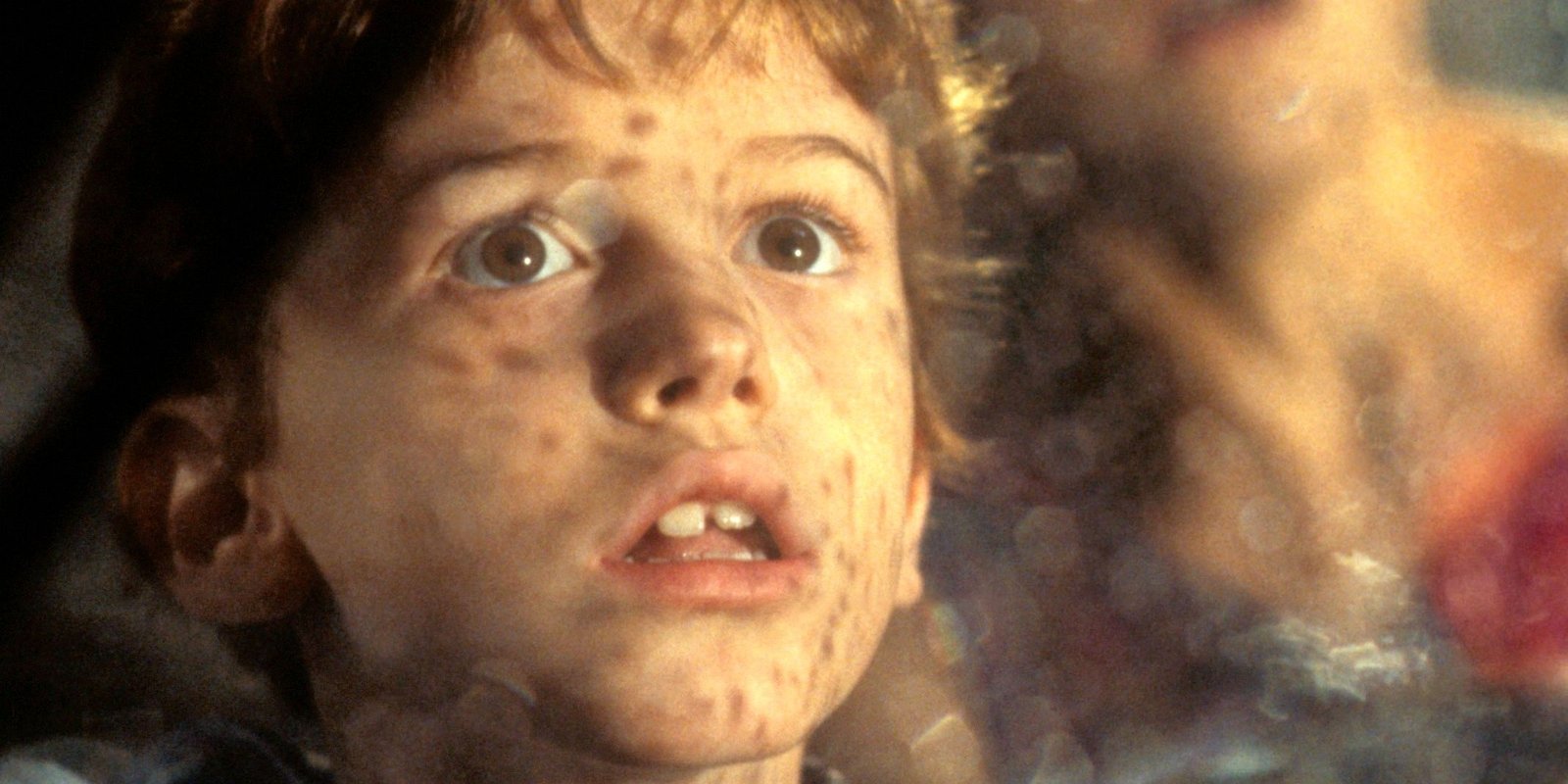
Months after the Rebirth release, Steven Spielberg’s 1993 Jurassic Park has resurged in popularity on streaming. At the time of writing the film ranks among the top ten most-streamed movies on AMC+ in the U.S. The spike underlines how audiences are revisiting the franchise’s roots when newer entries fail to capture the same critical and emotional resonance.
Why Jurassic Park still resonates
Jurassic Park’s enduring appeal rests on a few clear strengths:
- A combination of visceral spectacle and a thought-provoking premise that questions mankind’s ethics in scientific advancement.
- Groundbreaking visual effects and animatronics for its time, which helped create a sense of genuine danger and wonder.
- Strong direction and pacing that balance thrills with quieter, tension-filled moments.
These elements helped Jurassic Park stand out not only as a ride but as a movie that offered commentary alongside thrills—a distinction that many viewers seemed to miss in the franchise’s later installments.
Box office and legacy
Jurassic Park left a monumental mark on the 1993 box office. Working with a reported budget of $63 million, the film has amassed about $1.05 billion in global revenue to date—a total that includes multiple re-releases as recently as 2023. It was the highest-grossing film worldwide of 1993 and earned more than double the worldwide revenue of that year’s second-place film, Mrs. Doubtfire. Today it still ranks highly on several box office lists, including a top placement among Universal’s highest-grossing releases and a notable position among the most successful non-sequel films.
Key film details
- Release date: June 11, 1993
- Runtime: 127 minutes
- Rating: PG-13
- Director: Steven Spielberg
- Writers: Michael Crichton (novel), David Koepp (screenplay)
- Notable cast: Sam Neill, Laura Dern (among others)
What this means for the franchise
The streaming revival of Jurassic Park underscores a common pattern in long-running franchises: when new entries underwhelm, audiences often return to the original that captured their imagination. For studios and filmmakers, it’s a reminder that spectacle alone rarely sustains a series—lasting impact comes from combining technical ambition with narrative and emotional weight.
For viewers craving the mix of philosophical bite and blockbuster thrills that first made the franchise a phenomenon, Steven Spielberg’s Jurassic Park remains the go-to destination. And for those following franchise developments, its streaming resurgence is a clear signal of how powerful the original still feels nearly three decades on.
Where to watch
Jurassic Park is currently streaming on AMC+. Stay tuned to entertainment coverage for updates on streaming availability and franchise developments.