A small film with an outsized footprint
George A. Romero’s Night of the Living Dead (1968) is more than a milestone in horror filmmaking — it’s a cultural artifact that keeps turning up in other movies. As of January 2024, Guinness World Records credits the film with appearing in 129 other features, more than any other motion picture. That extraordinary tally is the product of both the movie’s influence and an unusual legal loophole that allowed filmmakers to reuse its footage freely.
What made Night of the Living Dead so important
Released in 1968 on a shoestring budget, Night of the Living Dead became a surprise success and a defining text for modern zombie cinema. Key points that established its legacy:
- Budget and box office: The production cost was modest — about $114,000 — yet it earned millions over time. Per Forbes, the picture generated roughly $30 million, a remarkable return for an independent film of its era.
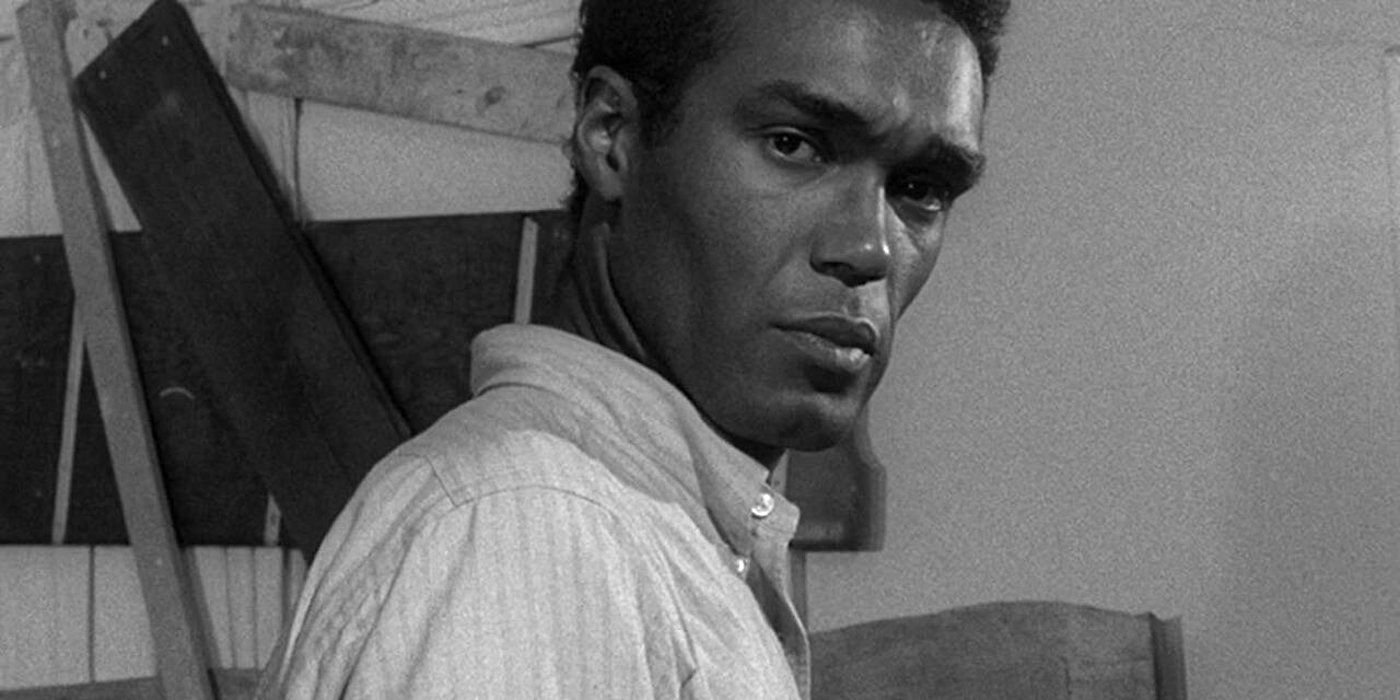
- Social resonance: The casting of Duane Jones as Ben — a competent, resourceful African-American protagonist — helped the film read as a pointed social allegory at a moment of racial and political tension in the United States. Romero and his collaborators avoided many of the era’s racial stereotypes, giving the film an extra layer of contemporary relevance.
- Formal influence: Romero’s depiction of reanimated corpses and the pragmatic, survivalist tone he struck reshaped zombie fiction. His approach informed countless successors and helped spawn a durable franchise that includes Dawn of the Dead and Day of the Dead, as well as a high-profile 1990 remake.
The Guinness record: appearances in other films
Night of the Living Dead’s clips and images have been woven into a wide range of films and documentaries. Notable examples include Halloween II, Christiane F., Fade to Black, Proof, and Stir of Echoes. These uses range from affectionate homages to montage material and documentary illustration, reflecting how the film has become shorthand for the modern zombie and for certain kinds of social commentary.
How a copyright mistake turned into cultural immortality
The unusually high number of appearances stems from a practical legal reason: Night of the Living Dead entered the public domain. When the picture’s distributor, the Walter Reade Organization, changed the intended title from Night of the Flesh Eaters to Night of the Living Dead to avoid confusion with an earlier film, the company neglected to include a required copyright notice with the new release. Under the US Copyright Act of 1909, that notice was essential. Because the notice was omitted, the film inadvertently lapsed into the public domain.
That status allows other filmmakers to reuse footage, clips, and stills without seeking permission or paying licensing fees. While the public-domain designation likely reduced direct revenue from licensing for the original creators, it also ensured the film’s images and moments would proliferate across decades of cinema and television — a kind of accidental preservation and promotion.
Influence beyond borrowed clips
Beyond clip usage, Night of the Living Dead’s DNA is visible throughout horror cinema. Its mixture of grim realism, dark humor, and socially inflected scares inspired generations of filmmakers:
- Sam Raimi and The Evil Dead (1981): Raimi’s early work shares the raw energy and genre-blending tendencies that Romero popularized, with undead imagery and a mix of horror and offbeat comedy.
- Peter Jackson and Dead Alive: Jackson’s early, gory comedy-horror echoes Romero’s informs on creature design and gore-driven set pieces.
- Eli Roth and Cabin Fever (2002): Roth has explicitly cited Romero as an influence, borrowing elements of mood and story mechanics that reflect the original film’s bruised, relentless tone.
These influences show up not only in zombie movies but across the broader horror landscape, contributing to recurring tropes, practical-effects traditions, and thematic concerns about societal collapse and human behavior under pressure.
The paradox of a legacy born from error
Night of the Living Dead’s record for appearances in other films is a distinctive kind of legacy. It’s a movie widely studied, referenced, and reused — sometimes as a direct tribute, sometimes simply because its footage is legally and easily available. The result is a paradox: a clerical oversight that probably cost the original producers licensing income has also amplified the film’s presence in popular culture.
Decades after its release, Night of the Living Dead remains a touchstone for horror filmmakers and fans. Its public-domain status may have been accidental, but that accident helped secure the movie’s place in cinema history — not just as a progenitor of modern zombie lore, but as one of the most-referenced films on screen.