
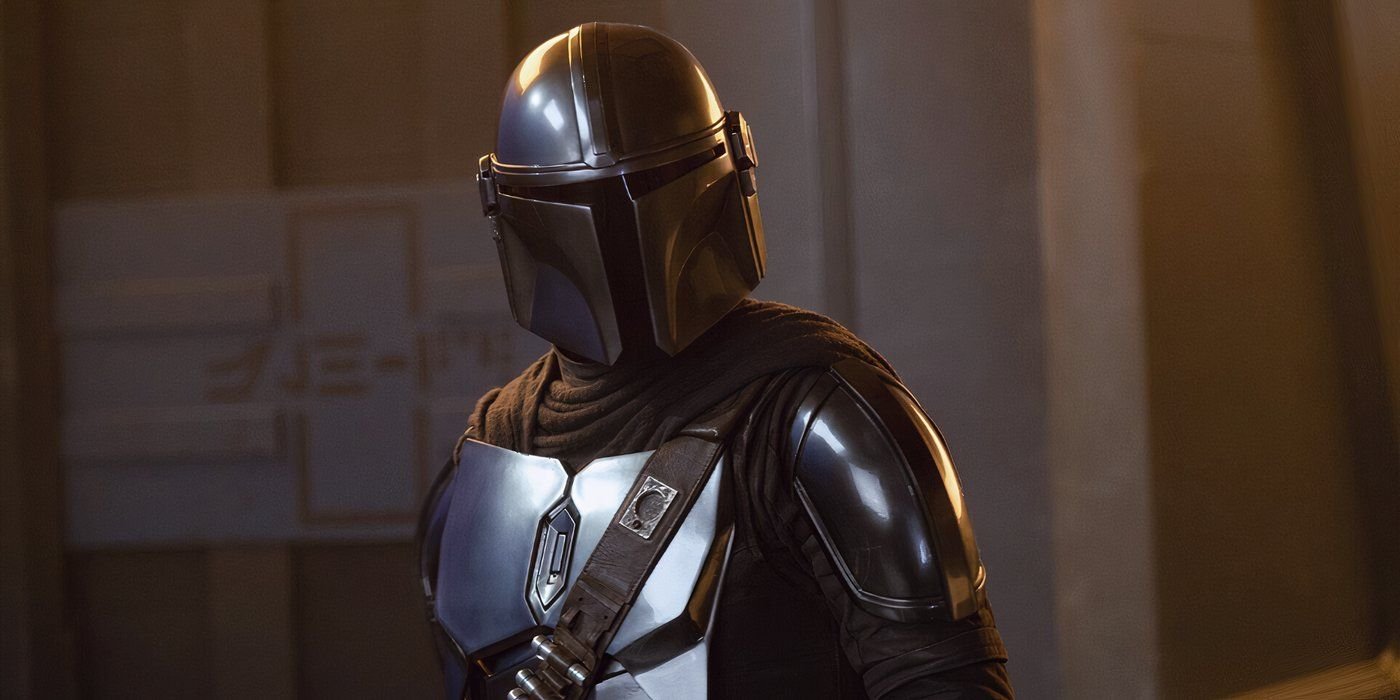
A theatrical home was inevitable
When The Mandalorian premiered on Disney+ in 2019 it redefined what a streaming-era Star Wars project could be: cinematic in tone, broad in appeal, and tied into the franchise without leaning on Skywalker-era mythology. Over subsequent seasons Jon Favreau and Dave Filoni built stories and characters — most notably Din Djarin and Grogu — that felt as big as a movie. Turning that momentum into a theatrical release was less a surprise than a logical next step: a high-profile, effects-heavy saga starring a beloved duo was always going to outgrow the confines of episodic television.
Budget and scope changed the calculus
From the start, The Mandalorian did not look or feel like typical television. The series reportedly spent roughly $120 million per season, delivering production values closer to mid‑budget films than standard streaming fare. As each season raised the visual and narrative stakes, the simplest way to expand scope further was to stop fragmenting the resources across episodes and invest them into a single, bigger production.
A one-off theatrical film allows the creative team to:
- Concentrate visual effects and set design on a single, cohesive story.
- Elevate action scenes and worldbuilding to multiplex scale.
- Attract higher-profile cast members and guest stars for concentrated roles.
These advantages explain why Lucasfilm and Disney opted to bring Din Djarin and Grogu to cinemas rather than keep their next chapter exclusively on Disney+.
A continuity that welcomes new audiences
Part of the Mandalorian phenomenon has been its accessibility. The show initially existed outside the Skywalker Saga, serving as a gateway series for new viewers while offering Easter eggs and crossovers for longtime fans. Over time it folded more elements of the wider Star Wars universe into its narrative — notably characters like Ahsoka Tano and Boba Fett — but it retained a clear core: a bounty hunter and his young ward traveling through space and confronting new threats.
Early marketing and the film’s synopsis indicate the story for the theatrical release is meant to stand on its own. That makes the movie friendly to casual moviegoers who aren’t deep into Disney+ canon: new viewers can follow a single, cinematic story in theaters and, if they’re curious, explore the series on streaming afterward for more background.
Bigger names, bolder casting choices
A theatrical production creates room for casting moves that would be harder to justify on television. The Mandalorian and Grogu’s film includes established screen names and unexpected turns — from veteran actors joining the franchise to quirky character assignments that play with Star Wars lore. Those casting flourishes are easier to sell and promote as part of a theatrical event, and they help attract mainstream attention beyond the franchise’s core fandom.
Restoring Star Wars to the big screen
Feature films have always occupied a different cultural lane than streaming shows. The last theatrical chapter of the Skywalker Saga concluded in 2019, and the franchise’s film output slowed substantially afterward. Reintroducing Star Wars to theaters with characters already loved by a new generation gives Lucasfilm a chance to re-engage general audiences and remind the public what a Star Wars movie can look and feel like in a multiplex.
That’s especially valuable in a landscape where some big franchises rely on serialized streaming to tell their stories: a high-profile theatrical Star Wars film can cut through the noise and create a shared, appointment-viewing moment.
What the film promises
Available information about the movie signals a blend of familiar and fresh elements:
- The story continues Din Djarin and Grogu’s journey in the post‑Empire era, this time tied to missions with the New Republic.
- The film aims to deliver film-scale action sequences and production design that exceed even the show’s already high standards.
- Several characters who made their live-action debuts on the series will appear, helping bridge the TV and theatrical sides of the franchise.
With a self-contained plot and visual ambition, the film is positioned to work both as an entry point for newcomers and as a satisfying continuation for existing fans.
The move’s broader implications
Bringing The Mandalorian to theaters is more than a single release strategy; it signals how Lucasfilm may balance streaming and cinematic storytelling going forward. High-cost, event-level projects that began on Disney+ can be migrated to theatrical releases when the property reaches a level of recognizability and spectacle that benefits from a larger audience and box-office model. For Disney, it also opens up revenue streams beyond subscriber engagement.
For fans, it means that the line between “TV” and “movie” in Star Wars storytelling is increasingly fluid: characters can originate on streaming and graduate to cinema when the creative and commercial conditions align.
When and where
The Mandalorian and Grogu is scheduled to be released in theaters on May 22. For moviegoers curious about the backstory, the Disney+ series remains available to catch up on the characters and world that set the stage for this theatrical chapter.