
A theatrical return that needs to feel like one
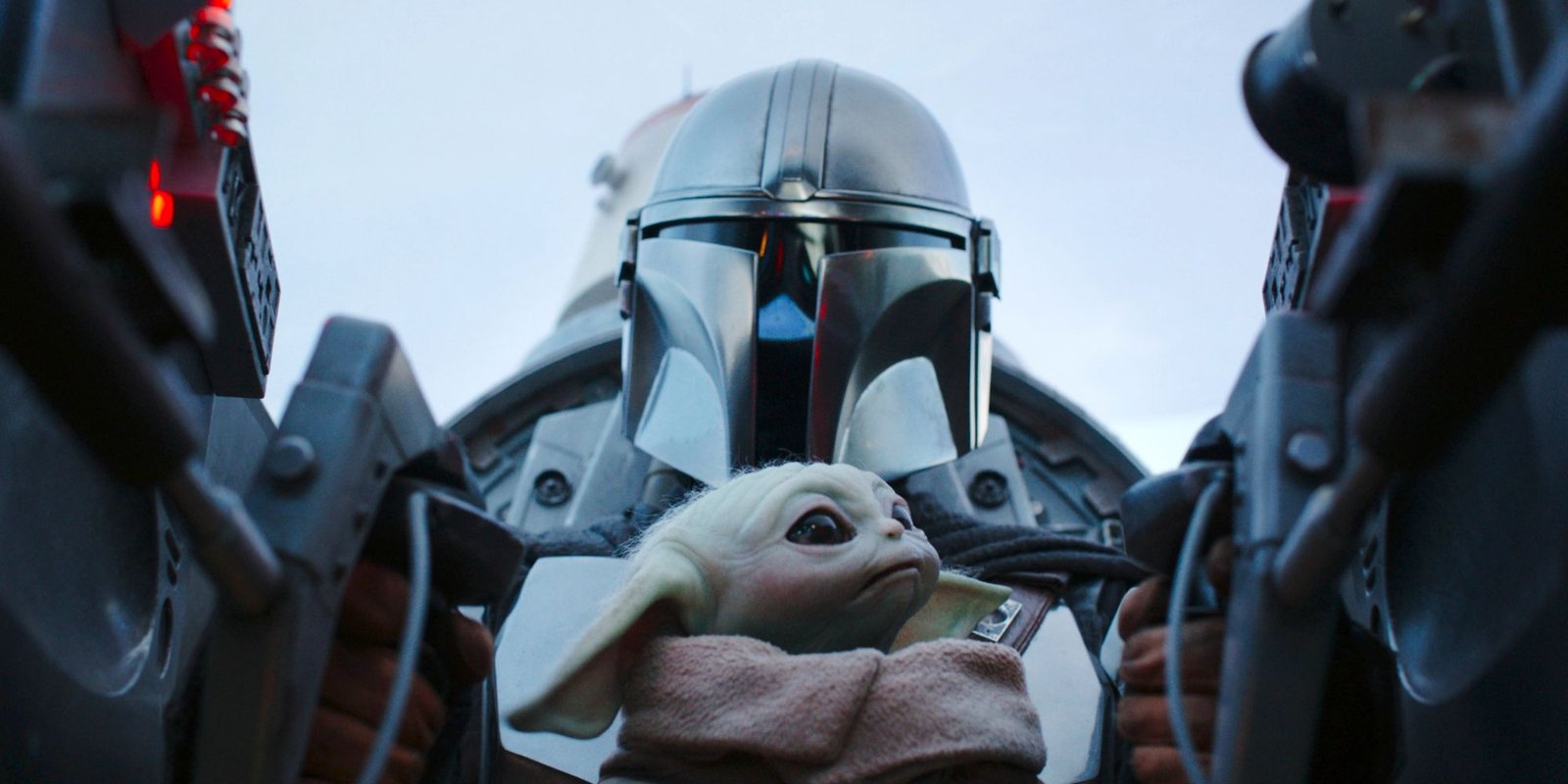
Star Wars returns to cinemas on May 22, 2026 with The Mandalorian and Grogu — the franchise’s first theatrical release since 2019’s The Rise of Skywalker. In the years since, Star Wars storytelling has migrated largely to streaming, with a string of live-action series expanding the universe on Disney+. That success, however, raises a new challenge: how do you convince a broad audience that a property best known recently as a TV franchise is worth a theater ticket?
The movie, directed by Jon Favreau and co-written by Favreau and Dave Filoni, picks up after The Mandalorian Season 3 and reunites Din Djarin (Pedro Pascal) and Grogu for a new adventure. With roughly three months between the Super Bowl and the film’s release, expectation for substantive, cinematic marketing is high. The Super Bowl spot that aired instead left many viewers wanting more.
What the Super Bowl spot showed — and what it didn’t
The Super Bowl promo leaned into a playful, throwback tone: Din Djarin and Grogu travel across a snowy plain in a carriage pulled by a tauntaun, in a piece that echoed the gentle, sentimental cadence of classic beer-commercial storytelling. There’s a quiet beat where Grogu takes the reins from his adoptive father — a charming character moment that nods to their bond.
What the spot did not offer was substantial new footage of the film’s stakes, set pieces, or cinematic ambitions. Aside from establishing tone and character warmth, it revealed little about where the plot is headed, what the antagonists look like, or how this production intends to deliver a theater-sized spectacle.
Why that creative choice is risky
The decision to run a low-key, character-focused ad during the Super Bowl is defensible in principle: thematic, quiet marketing can build intrigue when the film already has momentum or when the creative team wants to tease mystery. But The Mandalorian and Grogu doesn’t yet occupy that position.
- Recognition isn’t universal: Din Djarin and Grogu are beloved among fans and streaming viewers, but casual moviegoers who skip the Disney+ shows may not feel compelled to see a theatrical outing based on a brief vignette.
- The movie must justify the upgrade: Audiences are increasingly selective about theatrical outings. If marketing looks, sounds, and feels like the TV series — a product people can watch at home — there’s less incentive to pay for a cinema experience.
- Timing and expectations: Major blockbusters often use the Super Bowl to debut show-stopping imagery that drives immediate buzz. Given the film’s May release, this spot represented an opportunity to demonstrate scope and urgency; instead, it emphasized charm over spectacle.
- Perception of creative momentum: While The Mandalorian series has delivered strong episodes, some viewers felt Season 3 was uneven. A Super Bowl ad that doesn’t clearly signal a heightened, cinematic ambition risks reinforcing the perception that this is “more TV” rather than a distinct theatrical event.
How past Star Wars marketing set the bar
When The Force Awakens returned Star Wars to theaters in 2015, its marketing campaign was built around event-level anticipation: early trailers, broad hints of epic scope, and a clear promise that this was a must-see cinematic moment. That approach helped turn excitement into box-office urgency.
By contrast, The Mandalorian and Grogu’s early marketing has emphasized character and nostalgia more than spectacle. That can be pleasing to fans, but it isn’t yet making a case to wider audiences that this film is a uniquely theatrical Star Wars experience.
What Lucasfilm can do next
There’s still time to recalibrate, but the next steps need to be decisive and cinematic:
- Release a longer, more action-forward trailer that showcases large-scale set pieces, antagonists, and clear stakes — footage that looks and sounds like it belongs on the biggest screens.
- Highlight the cinematic elements that distinguish the film from the series: scope, visual effects scale, production design, and sound mix tailored for theatrical presentation.
- Target casual audiences with messaging that explains why this is a different kind of story than what’s been on streaming — make the case for urgency and spectacle.
- Use event marketing windows (final trailer, clips, interviews) to broaden awareness beyond the existing fan base.
If Lucasfilm leans into spectacle while retaining the warm emotional core that made the characters popular, the film can still build the momentum it needs to break through.
The stakes
A successful theatrical rollout could reestablish Star Wars as a cinema event and broaden the audience for future big-screen entries. If marketing continues to feel more like a streaming promotion than a blockbuster campaign, the movie risks underperforming at the box office and reinforcing the idea that recent Star Wars is primarily a TV property.
The Mandalorian and Grogu hits theaters May 22, 2026. Directed by Jon Favreau and written by Favreau and Dave Filoni, the film will be watched closely as a test of whether this era of Star Wars can translate its streaming success into a compelling theatrical experience.